Copper Nickel Alloy Pipe Specifications & Guide

All Categories
Get a Quote

Get a Free Quote

Our representative will contact you soon.
Email
Mobile
Name
Company Name
Message
0/1000

Copper nickel alloy pipe

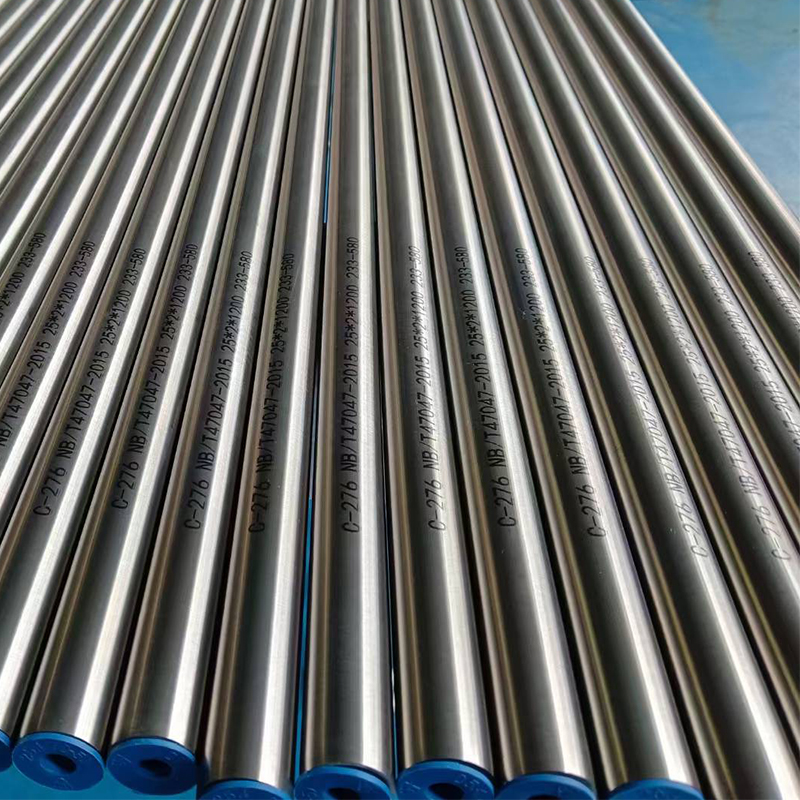
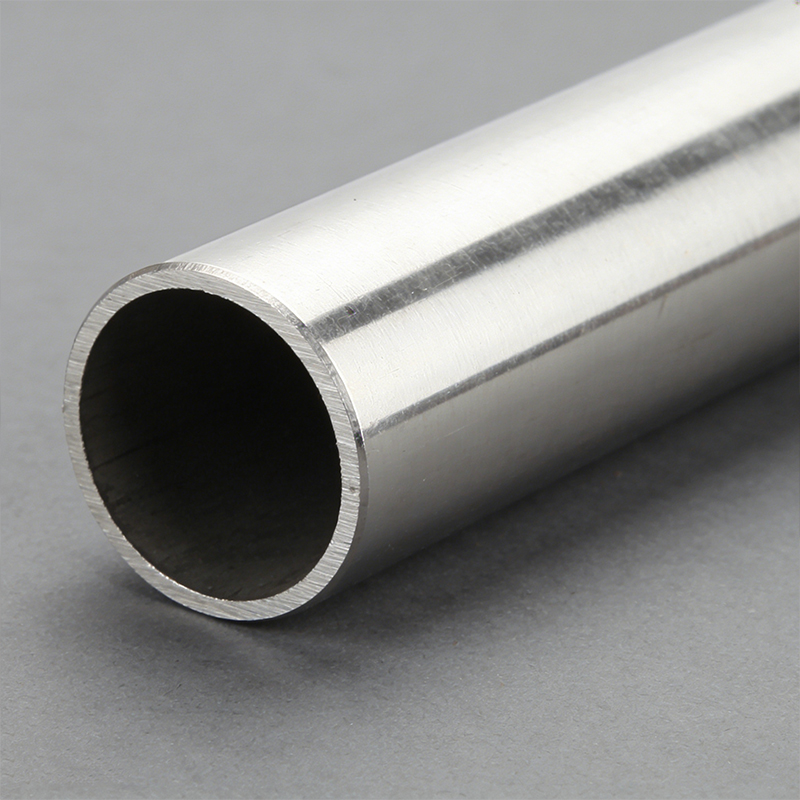
Copper nickel alloy pipes are essential components in various industries, known for their excellent corrosion resistance and durability. As a purchasing manager or engineer, understanding the specifications, manufacturing processes, and cost considerations can help you make informed decisions. This article will guide you through the critical aspects of Boyue copper nickel pipe, addressing buyer concerns and providing practical insights for a successful procurement process. 
Our Products

Understanding Copper Nickel Alloy Pipe Specifications for Buyers

When evaluating copper nickel alloy pipes, several specifications are crucial for ensuring the right choice for your application. Key specifications include: 

Material Composition: Copper nickel alloys typically contain 60% copper and 40% nickel, with variations that may include traces of iron and manganese. Understanding the specific alloy grade is essential, as it directly impacts corrosion resistance and mechanical properties. 

Dimensions: Buyers must consider the pipe’s diameter, wall thickness, and length, which can affect flow rates and compatibility with existing systems. Standard sizes are available, but custom dimensions can be produced to meet specific project requirements. 

Pressure Ratings: It’s essential to know the pressure ratings of the pipes, which are determined by their wall thickness and material strength. Ensure that the selected pipe can withstand the operating pressure of your application. 

Temperature Resistance: Copper nickel alloys are known for their ability to perform in a range of temperatures, but it’s vital to confirm the operational temperature limits for your specific application, especially in industries such as nuclear power and aerospace. 

Certifications: Look for pipes that comply with relevant industry standards and certifications, such as ISO9001 or AS9100. This ensures that the products have undergone rigorous quality control processes and meet international standards. 

Understanding these specifications will help you assess the suitability of copper nickel alloy pipes for your particular needs, minimizing the risk of compatibility issues or performance failures. 

Get a Free Quote

Our representative will contact you soon.
Email
Mobile
Name
Company Name
Message
0/1000

Related product categories

Wholesale Purchasing Guide for Copper Nickel Alloy Pipe Products

When sourcing copper nickel alloy pipes, a structured approach can streamline the procurement process. Here’s a guide for wholesale purchasing: 

Identify Your Requirements: Begin by defining the specific requirements for your project, including the desired material grade, dimensions, and quantity. This information is crucial when requesting quotations from suppliers. 

Request Quotes: Reach out to multiple suppliers with detailed specifications. Include information on application requirements, delivery timelines, and any necessary certifications. 

Evaluate Suppliers: Assess potential suppliers based on their manufacturing capabilities, quality control processes, and customer service. Look for manufacturers, like Jiangsu Boyue Alloy Materials Co., Ltd., who offer a complete production chain and have relevant certifications, indicating their commitment to quality. 

Check Samples: Before finalizing an order, request samples to evaluate the material's performance under actual operating conditions. This is a critical step in ensuring the product meets your expectations. 

Negotiate Terms: Discuss pricing, lead times, and payment terms with your selected supplier. Be prepared to negotiate, especially if you are placing a large order, as this may lead to better pricing or more favorable terms. 

Confirm Packaging and Shipping: Ensure that the supplier’s packaging methods are suitable for the transportation conditions your pipes will face. Proper packaging can prevent damage during transit, which is vital for maintaining quality. 

By following this guide, you can enhance your purchasing strategy and ensure a smooth procurement process for copper nickel alloy pipes. 

Common Installation Challenges with Copper Nickel Alloy Pipes

Installing copper nickel alloy pipes can present various challenges, which can affect performance and longevity if not addressed. Here are some common issues and how to mitigate them: 

Fitting Compatibility: Ensuring compatibility with existing piping systems is crucial. Mismatched fittings can lead to leaks or failures. Always verify that connectors and fittings are suitable for the pipe material and dimensions. 

Thermal Expansion: Copper nickel alloys can expand and contract with temperature fluctuations. Proper installation practices should account for this movement to prevent stress on joints and connections, which could lead to leaks. 

Corrosion Concerns: While Boyue nickel based alloy are resistant to corrosion, they can still experience galvanic corrosion when in contact with dissimilar metals. Use appropriate insulating materials or coatings to minimize this risk during installation. 

Welding Challenges: If welding is required, ensure that the appropriate techniques are used to prevent issues such as distortion or weakening of the material. Pre-heat the pipes as needed and choose the right filler materials compatible with copper nickel alloys. 

Installation Environment: The installation environment can affect the performance of the pipes. Ensure that conditions are suitable, and consider protective measures if the installation is in a high-corrosion area or involves exposure to harsh chemicals. 

Addressing these challenges during the installation phase can enhance the performance and lifespan of copper nickel alloy pipes in your applications. 

Cost Considerations When Sourcing Copper Nickel Alloy Pipe

Several factors influence the cost of copper nickel alloy pipes, which are essential for budgeting your project effectively: 

Material Prices: The cost of raw materials, including copper and nickel, fluctuates due to market demand and supply. Keep an eye on market trends, as these can significantly impact your overall costs. 

Manufacturing Processes: The complexity of the manufacturing process can affect pricing. Customization, such as specific dimensions or additional treatments, may increase costs. Understand the manufacturing capabilities of your supplier to get accurate pricing. 

Order Quantity: Many suppliers offer discounts for bulk orders. Evaluating your project needs and potential future requirements can help you negotiate better pricing based on larger order quantities. 

Lead Times: Shorter lead times often come at a premium. If your project timeline allows, consider longer lead times to potentially reduce costs. Discuss available options with your supplier. 

Shipping and Handling: Factor in shipping costs when sourcing pipes, as these can vary based on distance, weight, and packaging. Ensure that you understand the total landed cost, including any duties or tariffs if importing. 

By considering these cost factors, you can make informed decisions and manage your budget effectively when sourcing copper nickel alloy pipes. 

What Buyers Need to Know

As a buyer of copper nickel alloy pipes, there are critical aspects to keep in mind to ensure a successful procurement process: 

Technical Specifications: Always confirm the technical specifications with your supplier, including material grades, dimensions, and pressure ratings. This information is vital for ensuring compatibility and performance for your application. 

Quality Assurance: Investigate the quality control measures in place at the manufacturing facility. Understanding the quality assurance processes can give you confidence in the reliability of the products you are purchasing. 

Customization Options: Many manufacturers offer customization capabilities, which can be beneficial for specific applications. Discuss any unique requirements you may have and confirm that the Boyue nickel based superalloys supplier can meet them. 

Sample Approval: Before placing large orders, always request samples for approval. This helps verify that the pipes meet your specifications and performance expectations. Testing under real-world conditions is advisable. 

Supplier Reliability: Evaluate the reliability of your chosen supplier. Look for reviews, case studies, or testimonials from other customers in similar industries to understand their reputation and service levels. 

By focusing on these key considerations, you can navigate the procurement process more effectively and ensure that you select the right copper nickel alloy pipes for your needs.