 EN

Hastelloy B-2 is a high-performance nickel-molybdenum alloy known for its exceptional resistance to corrosive environments, particularly in chemical processing applications. As a B2B buyer, understanding the properties, quality, and cost factors associated with Hastelloy B2 is crucial for making informed purchasing decisions. This article will address key considerations such as quality evaluation, pricing, installation challenges, and essential information to guide your procurement process.
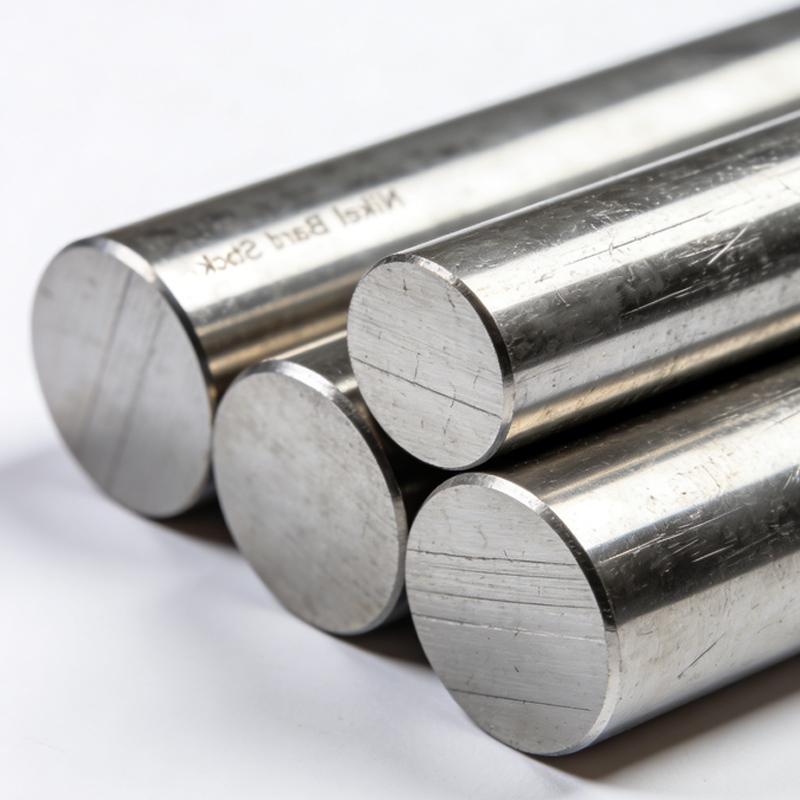
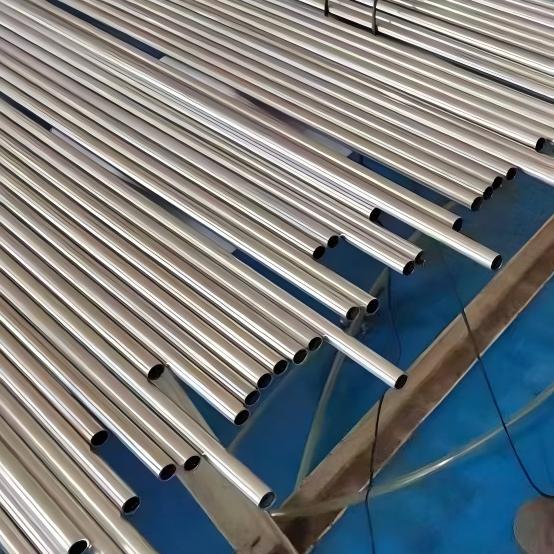
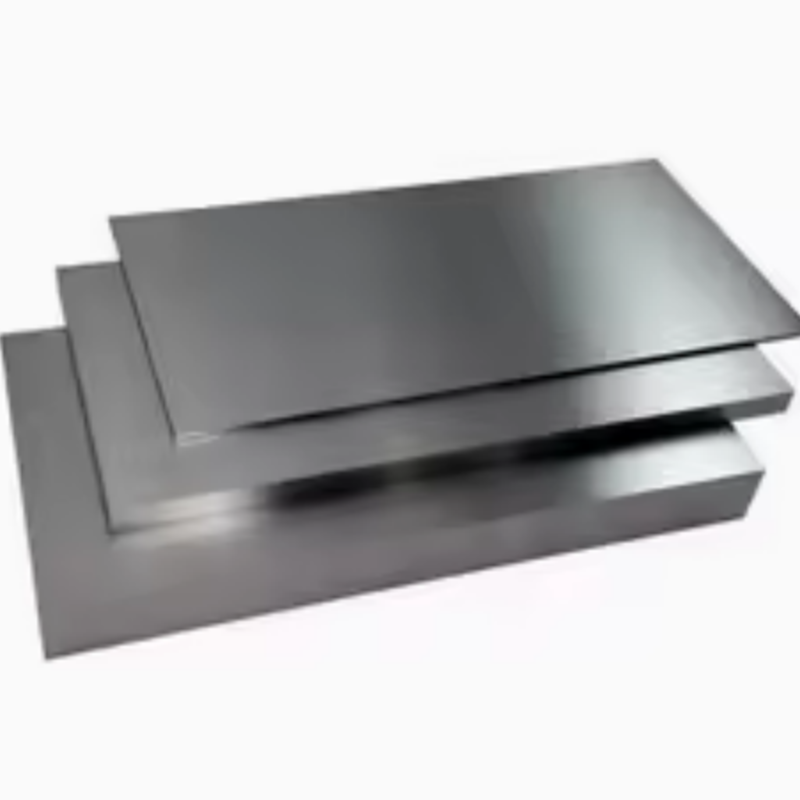
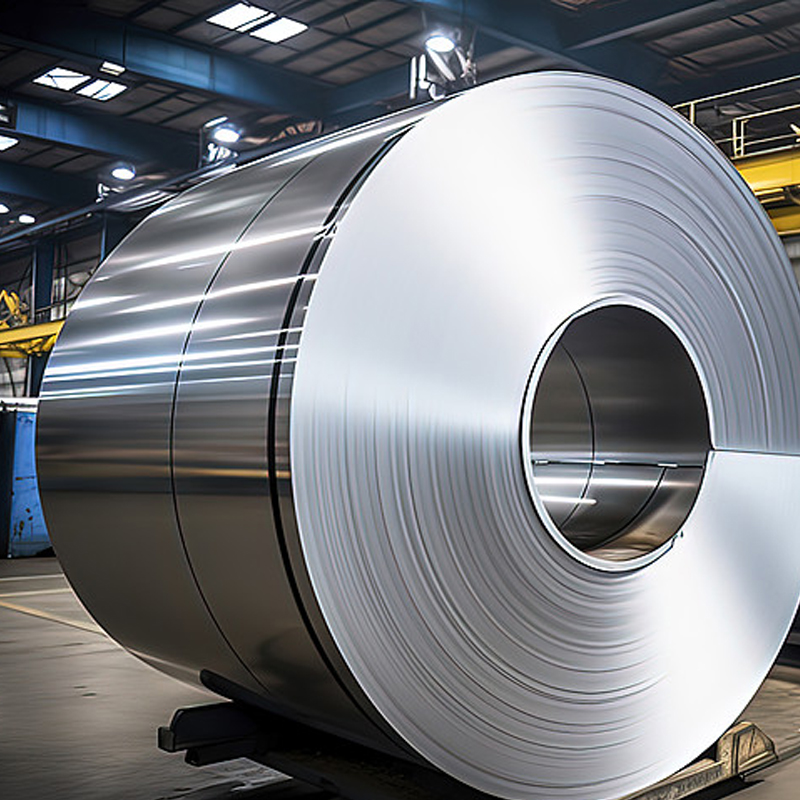
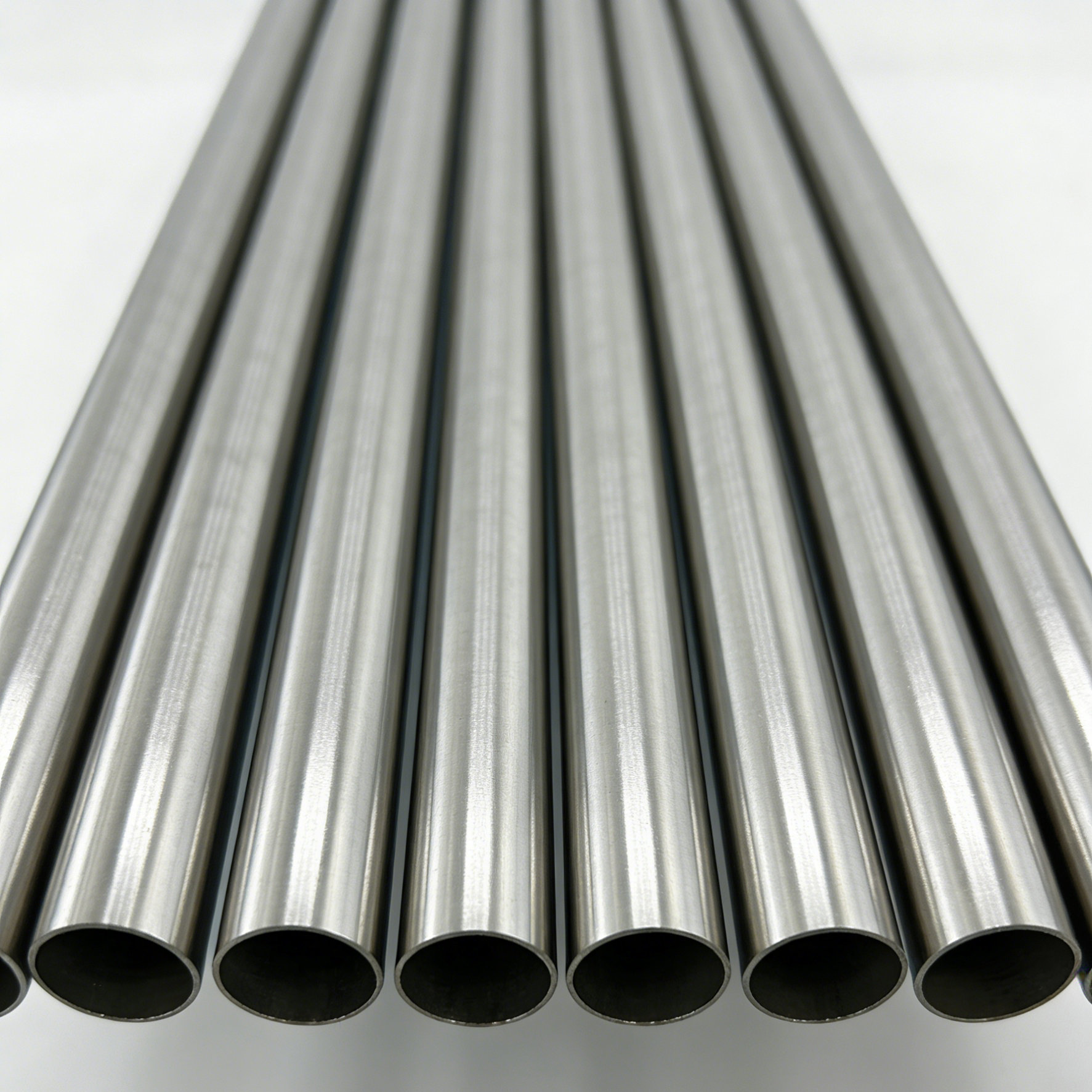
Evaluating the Quality of Hastelloy B-2 for Industrial Applications
Quality evaluation of Hastelloy B-2 should encompass several critical aspects. Firstly, buyers should request material certification that confirms compliance with industry standards and specifications. This includes verifying the chemical composition, which is crucial for ensuring the alloy's performance in corrosive environments.
Visual inspections of the material should also be part of the quality control process. Look for uniformity in surface finish, absence of defects, and adherence to specified dimensions. Any inconsistencies can lead to issues during installation or in the operational lifespan of the components.
It’s also advisable for buyers to request samples for testing under real-world conditions. This can include exposure to specific chemicals, temperature variations, and pressure levels that the alloy will inevitably encounter in its application.
Engaging in discussions with the manufacturing team from Boyue about their quality control processes can provide insights into their testing methodologies, which should align with best practices in the industry.