Hastelloy C-2000: Key Specifications & Quality Insights

All Categories
Get a Quote

Get a Free Quote

Our representative will contact you soon.
Email
Mobile
Name
Company Name
Message
0/1000

Hastelloy C-2000

Hastelloy C-2000 is a high-performance nickel alloy known for its exceptional corrosion resistance and versatility in various industrial applications. For B2B buyers, especially those in sectors such as aerospace, petroleum, and nuclear power, understanding the specifications and quality factors surrounding Hastelloy C-2000 is crucial for making informed purchasing decisions. This article will help you navigate the key specifications, evaluate quality, compare it with other nickel alloys, understand cost factors, and select the appropriate varieties for your specific needs.  

Our Products

Key Specifications for Bulk Orders

When considering bulk orders of Hastelloy C-2000, several key specifications should be taken into account: 

Chemical Composition: Hastelloy C-2000 is primarily composed of nickel, chromium, and molybdenum, along with small amounts of iron, tungsten, and cobalt. The precise balance of these elements contributes to its superior resistance to pitting, stress corrosion cracking, and oxidation.  

Mechanical Properties: The alloy exhibits excellent mechanical strength and ductility, which are vital for components subjected to high pressures and temperatures. Typical yield strength is around 30,000 psi (207 MPa), making it suitable for demanding applications.  

Temperature and Pressure Ratings: Buyers should confirm the operational limits of Hastelloy C-2000 in their specific applications. Depending on the environment, it can remain stable at temperatures up to 2,000°F (1,093°C) in reducing atmospheres.  

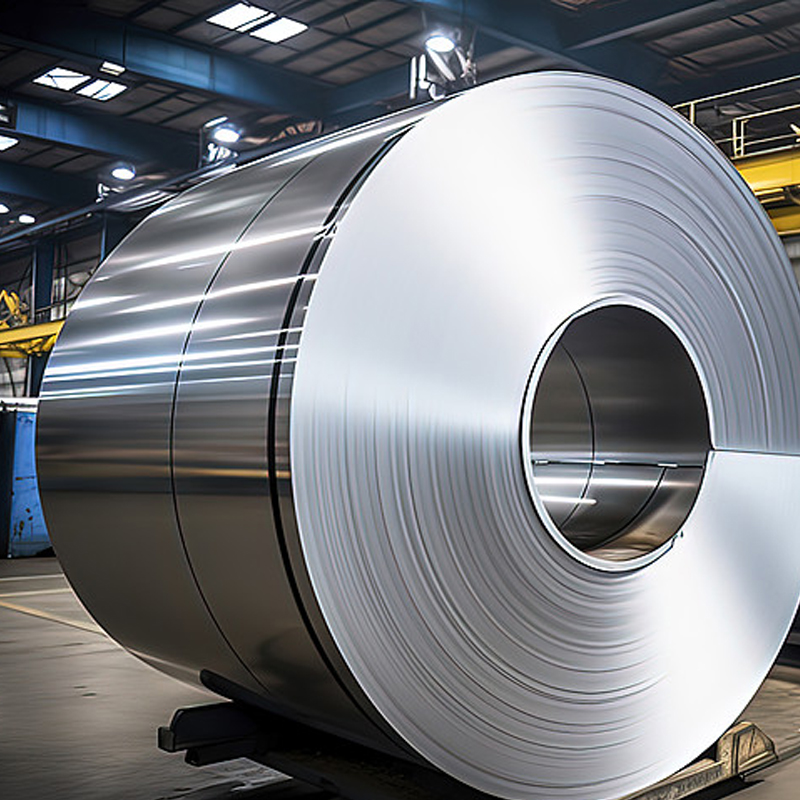
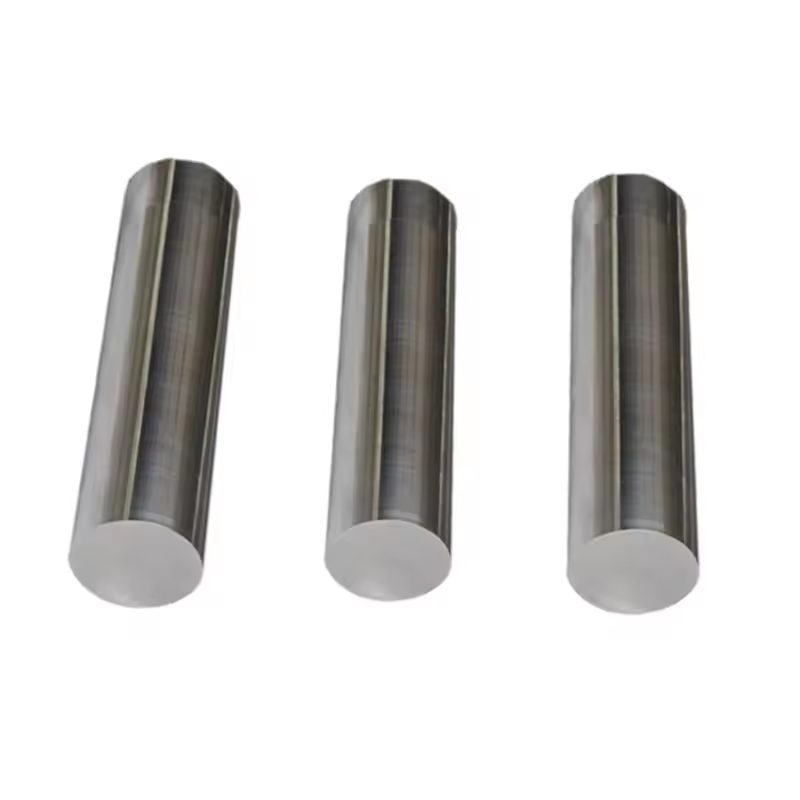
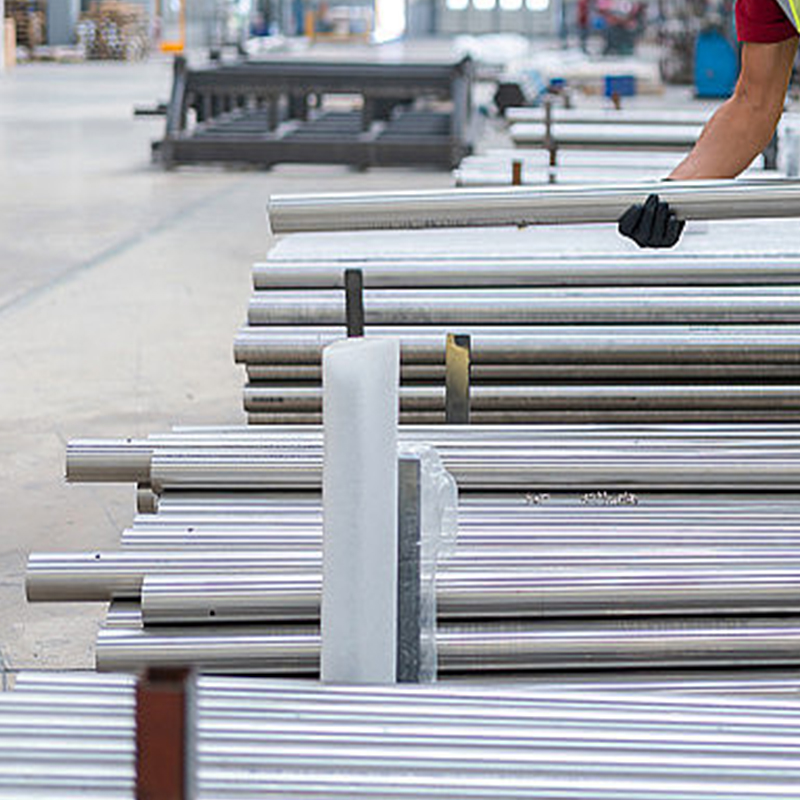
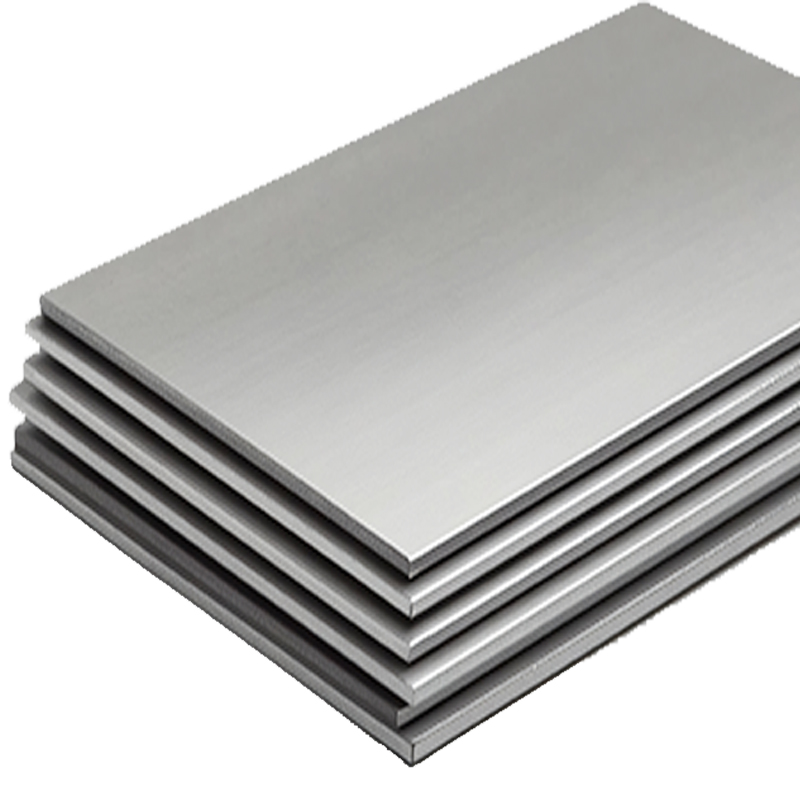
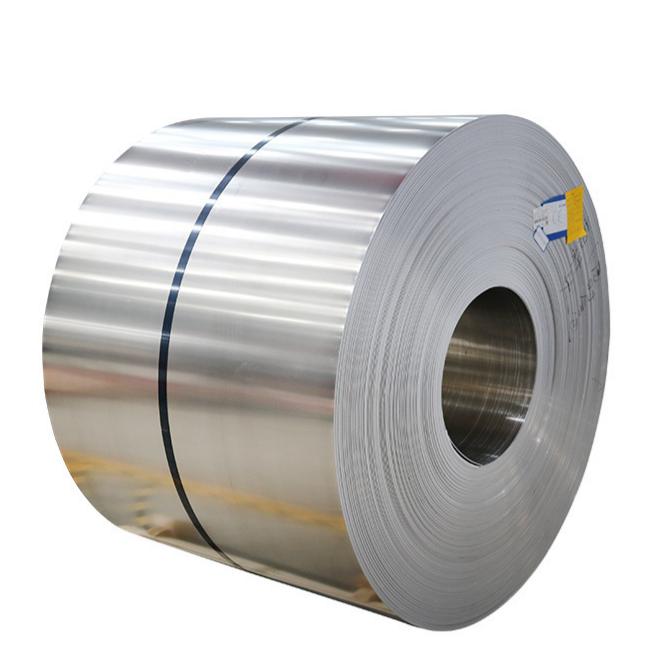
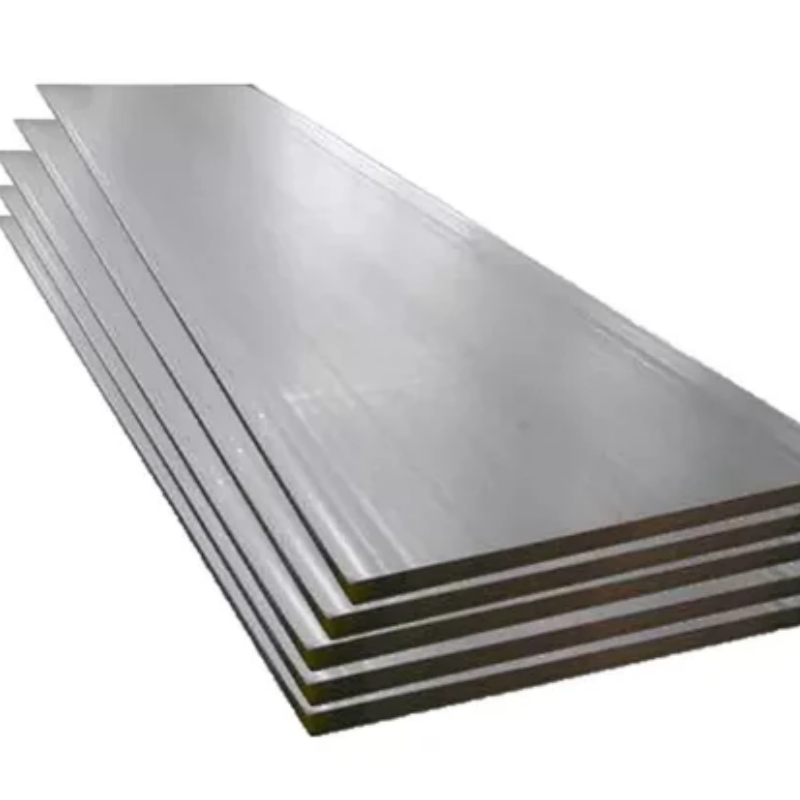
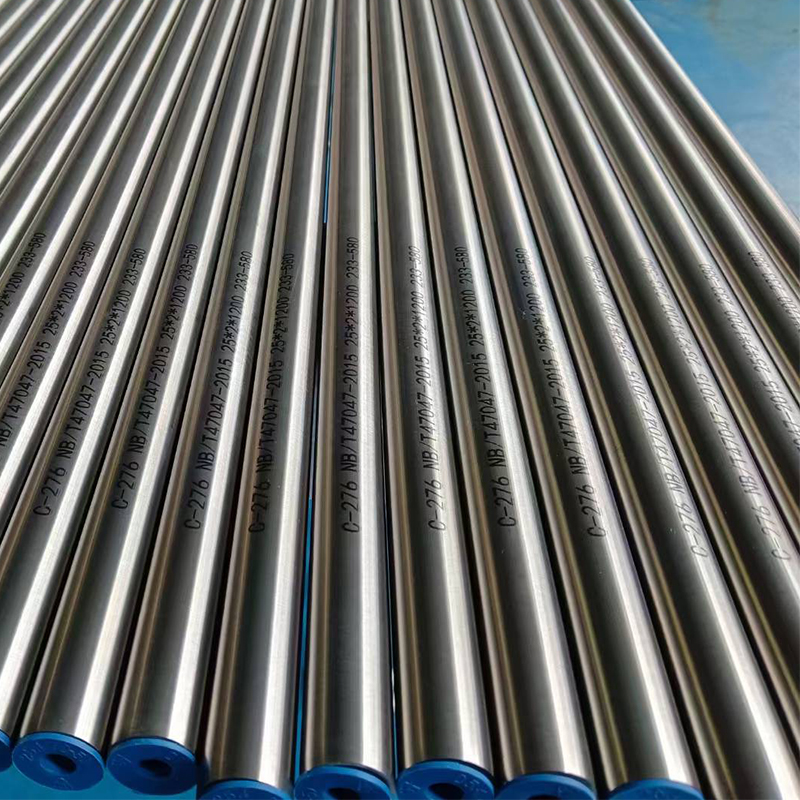
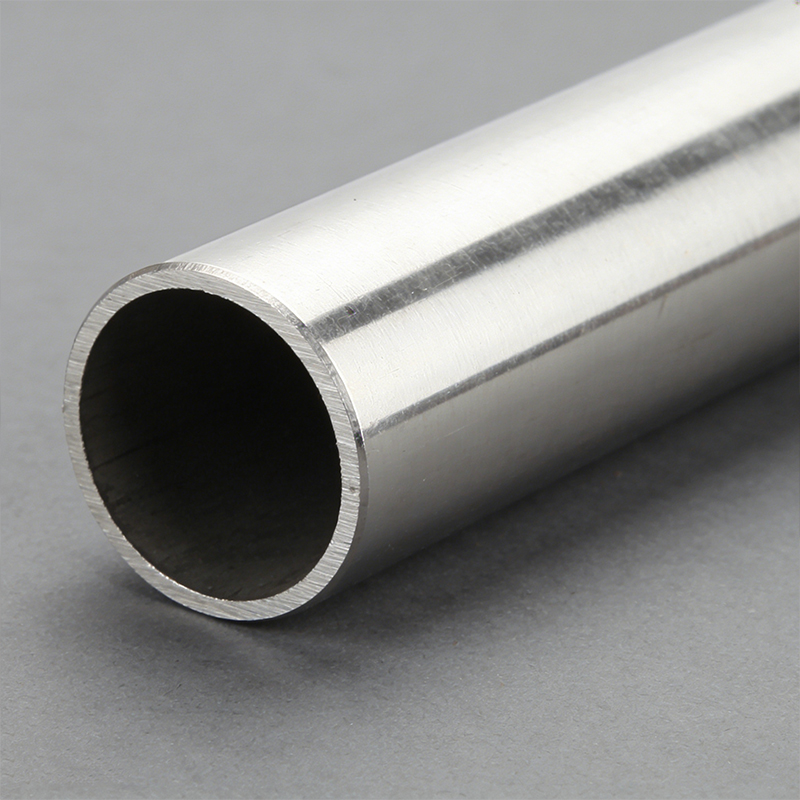
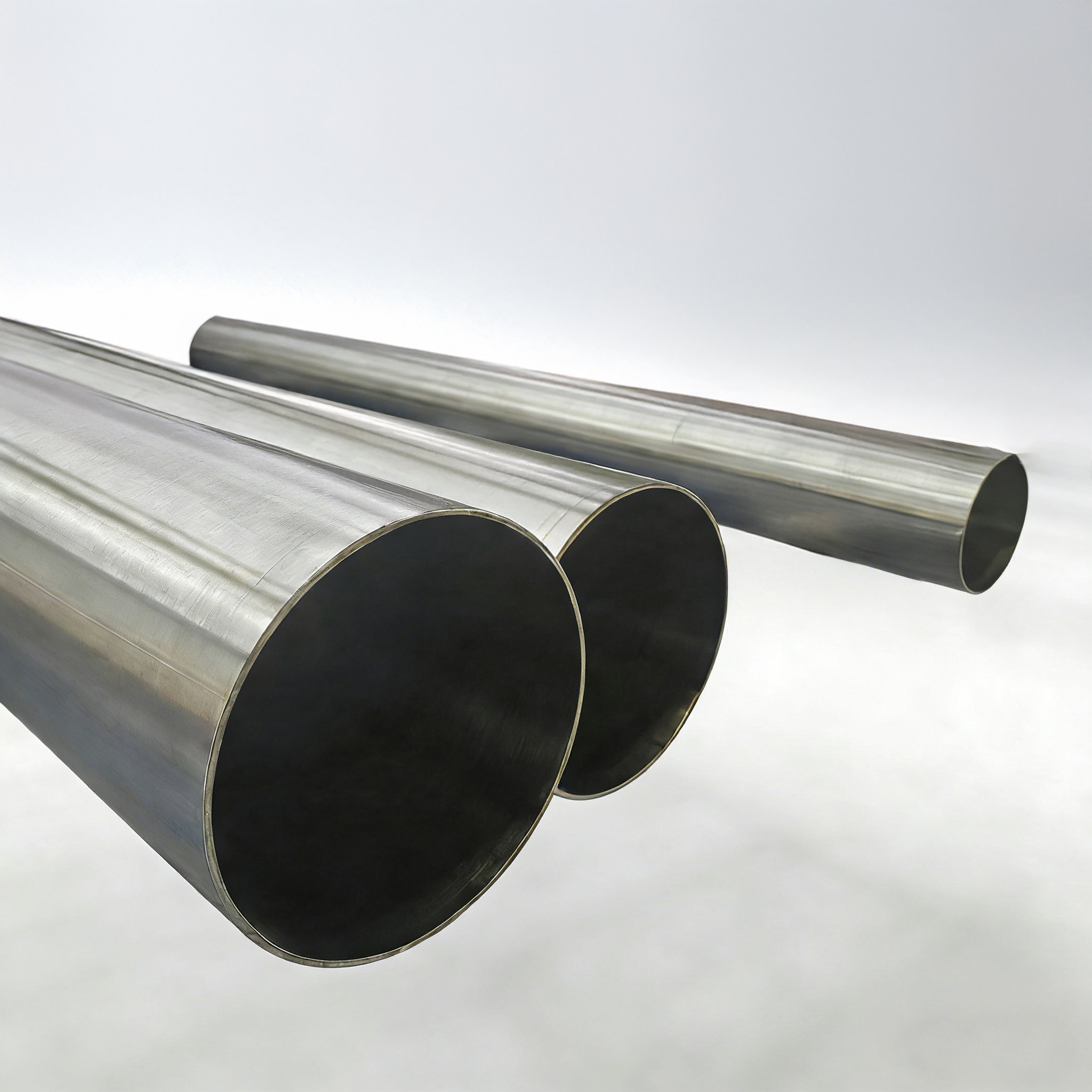
Forms and Dimensions: Hastelloy C-2000 is available in various forms, including Hastelloy C‑22, plates, and fasteners. When ordering, specify the required dimensions and tolerances as per your application’s needs.  

Surface Finish: The surface condition can affect corrosion resistance, so requesting specific surface treatments or finishes may be necessary based on the operational environment.  

Understanding these specifications will ensure that you select the right Hastelloy C-2000 for your applications, minimizing the risk of performance issues.  

Get a Free Quote

Our representative will contact you soon.
Email
Mobile
Name
Company Name
Message
0/1000

Related product categories

Evaluating the Quality of Hastelloy C-2000 for Industrial Applications

Evaluating the Quality of Hastelloy C-2000 for Industrial Applications

For B2B buyers, quality evaluation of Hastelloy C-2000 is critical to ensure the material meets the rigorous demands of industrial applications. Here are key factors to consider:  

Certification and Compliance: Ensure that the supplier has the necessary certifications, such as ISO 9001 and AS9100. These certifications indicate that the manufacturing process has been rigorously evaluated and meets industry standards.  

Quality Control Processes: Inquire about the supplier's quality control measures. Hastelloy C‑276  includes material testing, inspection protocols, and traceability of production batches. For example, mechanical testing and corrosion testing should be conducted to validate the alloy's performance.  

Supplier's Manufacturing Capabilities: Assess the supplier's ability to produce Hastelloy C-2000 to the required specifications.  This includes the smelting and forging processes, which should be optimized to maintain the integrity of the alloy. 

Third-Party Testing: Consider suppliers who utilize independent testing labs to verify material properties. This can provide an additional layer of assurance regarding the quality of the alloy.  

Sample Approval: Before placing a bulk order, request samples for testing. Confirming the material's performance under actual operating conditions is critical to avoiding costly failures in the field.  

Evaluating these factors will help ensure that you receive high-quality Hastelloy C-2000 that meets your application requirements.  

How to Compare Hastelloy C-2000 with Other Nickel Alloys Effectively

When comparing Hastelloy C-2000 with other nickel alloys, such as Inconel 625 or Monel 400, several aspects should be considered: 

Corrosion Resistance: Hastelloy C-2000 offers superior resistance to both oxidizing and reducing environments compared to many nickel alloys. For example, while Inconel 625 is excellent in high-temperature applications, Hastelloy C-2000 is more effective in environments with aggressive corrosion. 

Mechanical Properties: Compare yield strength, tensile strength, and elongation properties. Hastelloy C-2000 is known for its balance of strength and ductility, making it a versatile choice for various applications. 

Temperature Range: Evaluate the temperature limits for each alloy. While Hastelloy C‑4 can withstand high temperatures, other alloys may offer better performance in specific high-temperature environments. 

Cost Factors: Analyze the pricing structures of different alloys. Hastelloy C-2000 may be more expensive than some alternatives, but its longevity and performance could justify the investment. 

Application Suitability: Consider the specific requirements of your application. Some nickel alloys may perform better in certain conditions, so understanding the operational environment is crucial. 

By systematically comparing these factors, you can make an informed decision on the most suitable alloy for your needs. 

Understanding Cost Factors in Purchasing Hastelloy C-2000 in Bulk

The cost of purchasing Hastelloy C-2000 in bulk can be influenced by several factors: 

Raw Material Prices: The price of nickel and other alloying elements fluctuates based on market conditions. These variations can significantly impact the overall cost of Hastelloy C-2000. 

Manufacturing and Processing Costs: The complexity of the manufacturing process, including smelting and forging, can add to the total cost. Suppliers with advanced production capabilities may offer competitive pricing due to efficiency. 

Order Volume: Bulk orders often come with discounts. Understanding the supplier's minimum order quantities (MOQ) can help in negotiating better pricing. 

Customization Needs: Custom specifications can lead to increased costs. Providing precise requirements upfront can help minimize additional charges associated with modifications. 

Logistics and Shipping: Consider the shipping costs and delivery timelines, especially for international orders. Factors like packaging, handling, and transportation can affect the final price. 

By considering these cost factors, you can better budget for your purchase of Hastelloy C-2000 and optimize your procurement strategy. 

Expert Guidance on Selecting the Right Hastelloy C-2000 Varieties

Selecting the appropriate variety of Hastelloy C-2000 for your application requires careful consideration of several factors: 

Application Requirements: Identify the specific requirements of your application, such as temperature, pressure, and environmental conditions. This will guide you in selecting the suitable form (pipes, plates, or fasteners) and dimensions. 

Performance Specifications: Review the mechanical and corrosion resistance properties needed for your project. For example, if your application involves highly corrosive environments, you may prefer a specific thickness or surface finish to enhance durability. 

Customization Options: If standard varieties do not meet your needs, discuss customization options with the supplier. This could involve adjustments in dimensions, surface treatments, or specific alloy compositions. 

Testing and Quality Assurance: Ensure that the selected variety undergoes rigorous testing and meets quality assurance standards. This step is crucial for maintaining reliability in critical applications like aerospace or nuclear power. 

Supplier Expertise: Engage with suppliers who have a proven track record in providing Hastelloy C-2000. Their expertise can guide you in selecting the right product based on real-world applications and experiences. 

By following this guidance, you can make an informed choice that aligns with your operational requirements and enhances the performance of your projects.