Choosing the Right 904L Alloy for Your Project

All Categories
Get a Quote

Get a Free Quote

Our representative will contact you soon.
Email
Mobile
Name
Company Name
Message
0/1000

904L

904L is a high-alloy austenitic stainless steel known for its excellent resistance to corrosion and strength, making it a preferred choice in demanding applications across various industries, including aerospace, energy, and petrochemicals. For B2B buyers, understanding how to select the right 904L alloy, Inconel 625 key specifications, and sourcing options is crucial for ensuring optimal performance and cost-effectiveness. This article aims to provide essential insights into choosing the right 904L alloy for your project needs, making informed bulk purchasing decisions, finding reliable suppliers, understanding cost factors, and exploring its applications in critical industries. 
Our Products

How to Choose the Right 904L Alloy for Your Project Needs

Selecting the right 904L alloy requires a comprehensive understanding of the specific requirements of your project. Key considerations include the environmental conditions the alloy will face, such as temperature fluctuations, corrosive atmospheres, and mechanical stress levels. For instance, if the inconel material involves exposure to chlorides, the superior resistance to pitting and crevice corrosion offered by 904L becomes particularly advantageous. 

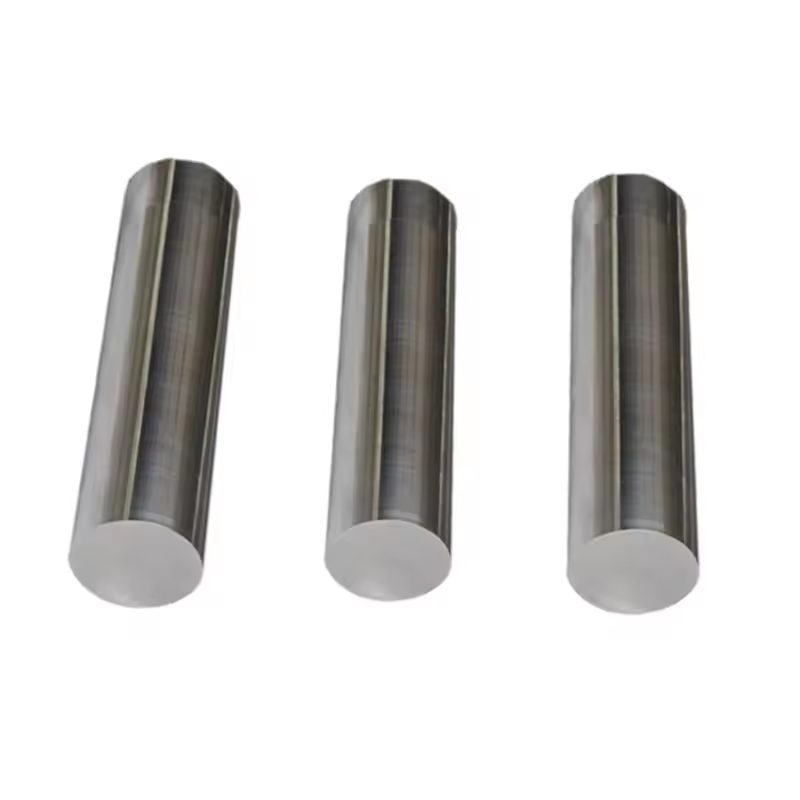
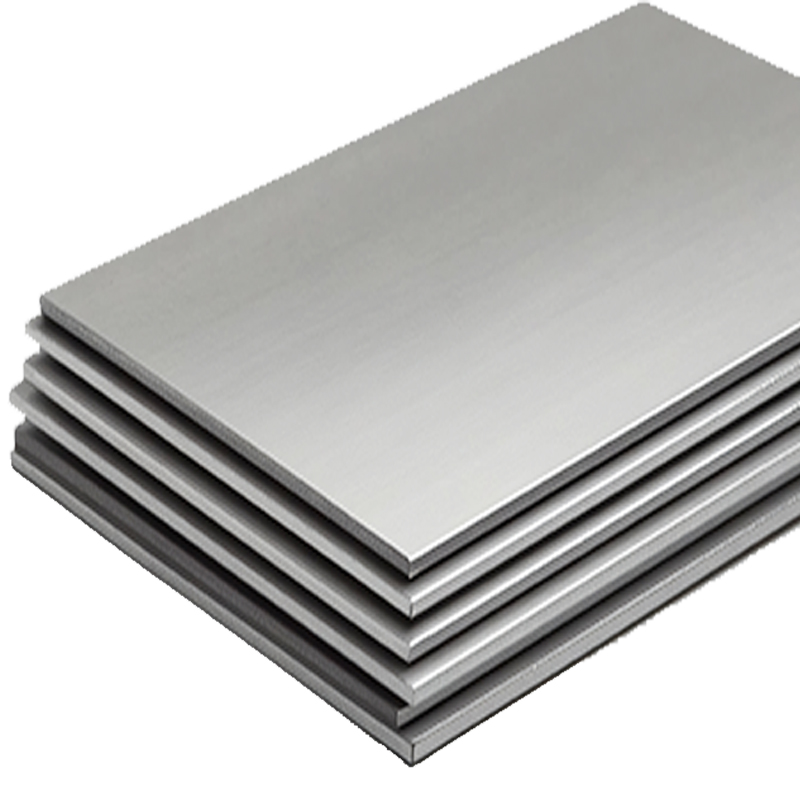
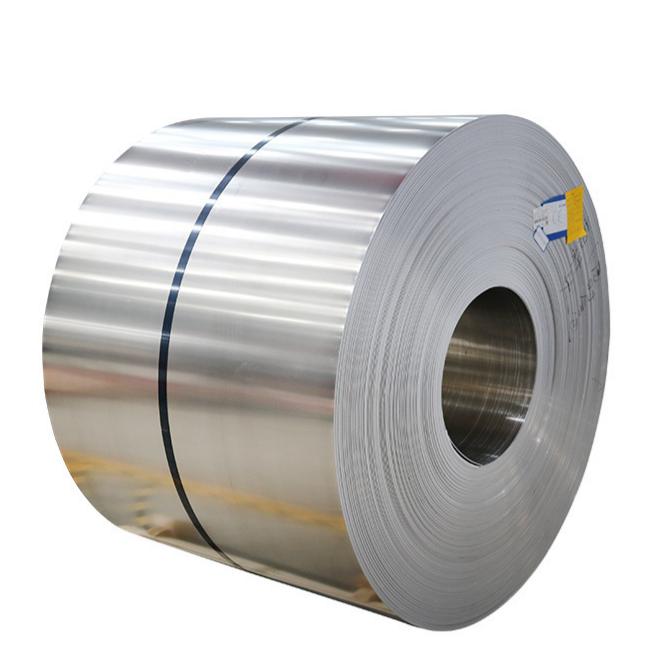
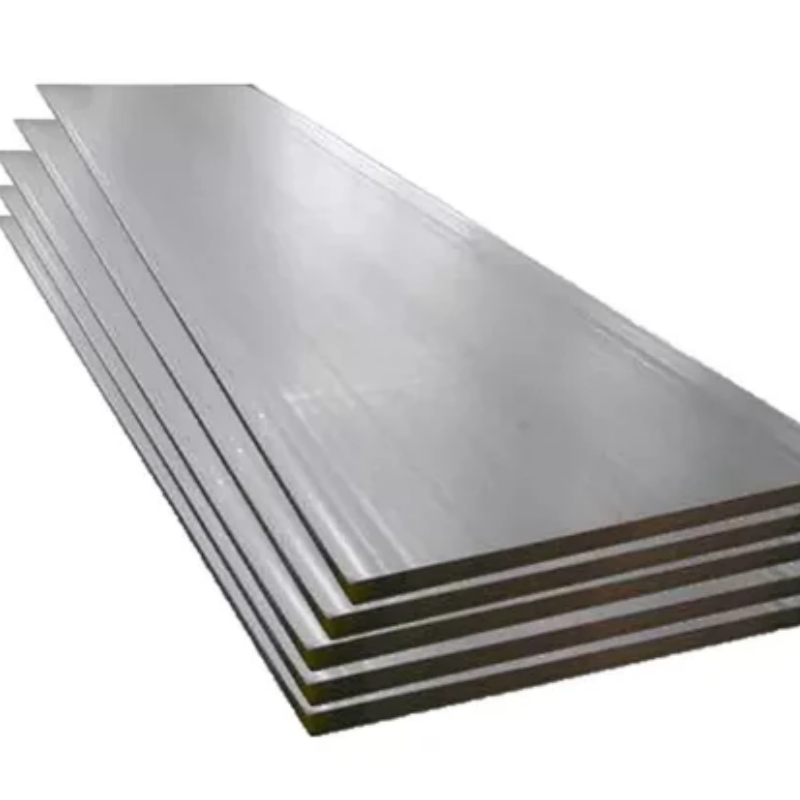
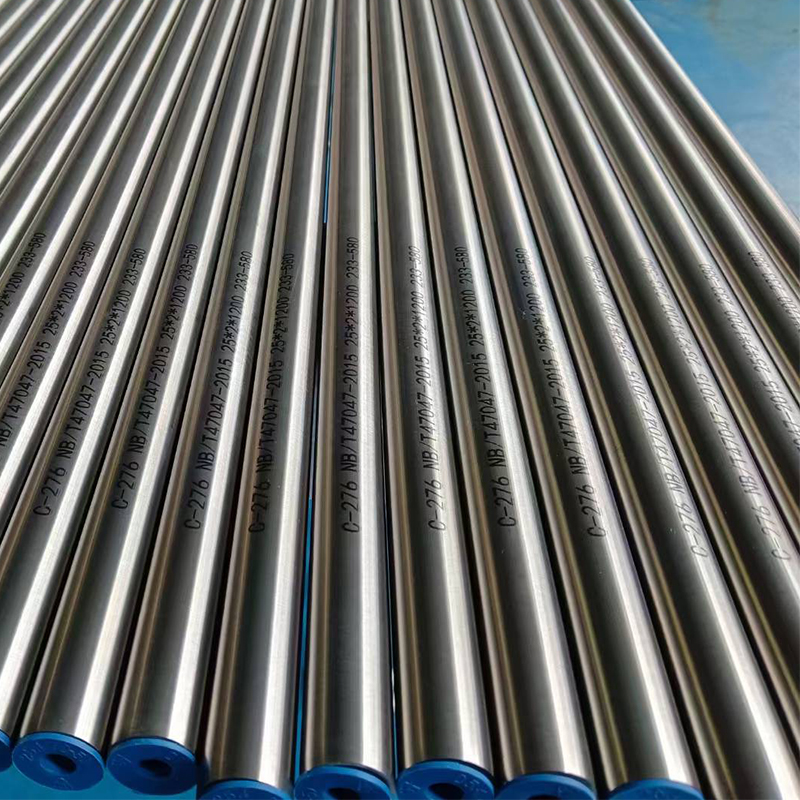
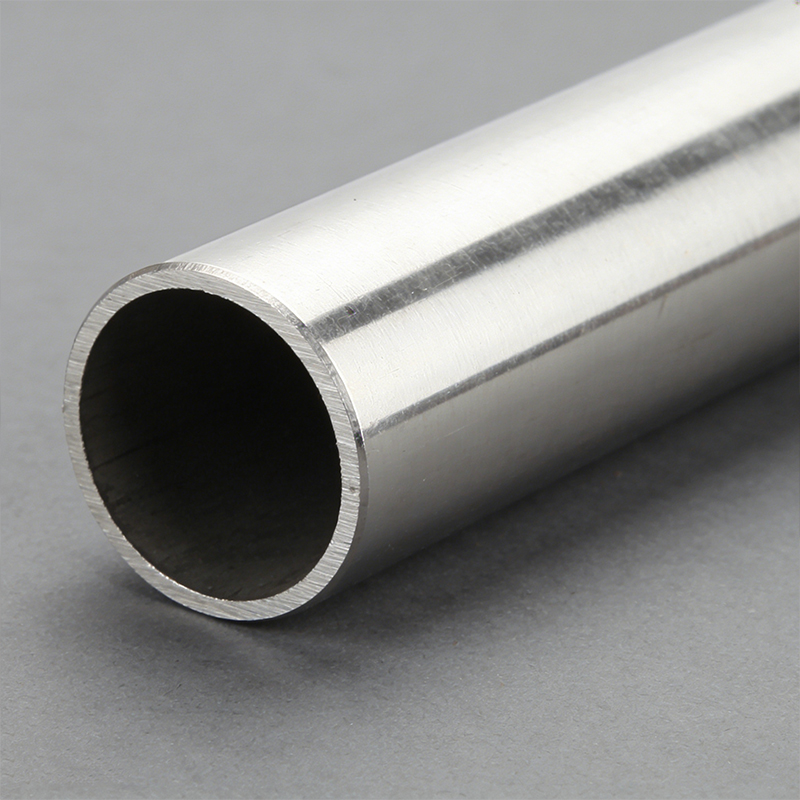
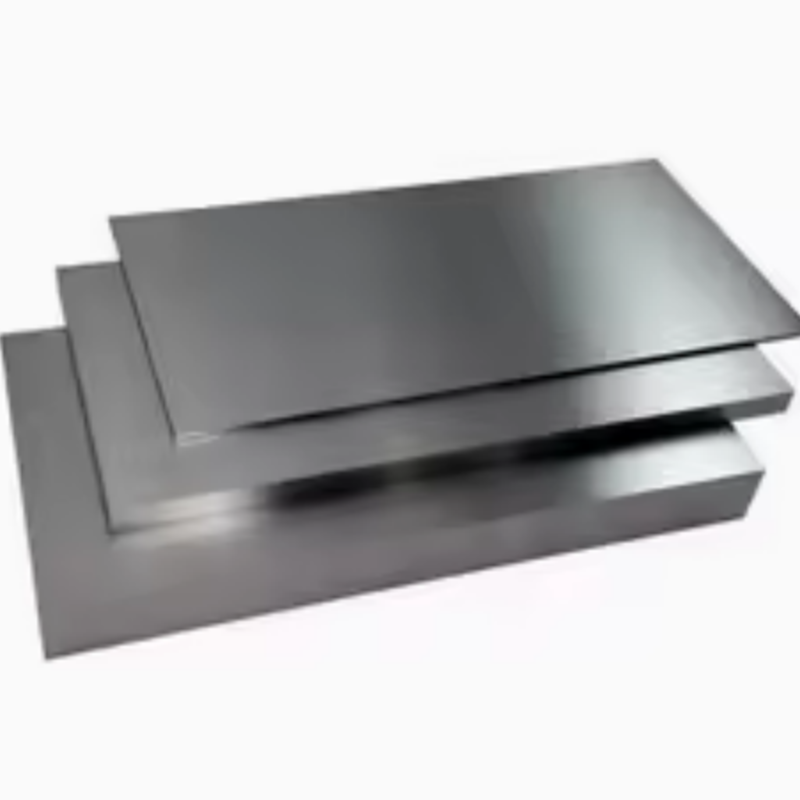
Additionally, buyers should consider the form of 904L required for their applications—whether pipes, plates, or fasteners—as each form can have unique specifications influencing performance. Discussing your project details with your supplier can aid in determining the ideal alloy composition, thickness, and dimensions tailored to your needs. Furthermore, ensure that the supplier confirms compliance with relevant industry standards and certifications, such as ISO9001 or AS9100, to guarantee quality and reliability. 

Get a Free Quote

Our representative will contact you soon.
Email
Mobile
Name
Company Name
Message
0/1000

Related product categories

Key Specifications of 904L Alloy for Bulk Purchasing Decisions

Key Specifications of 904L Alloy for Bulk Purchasing Decisions

When making bulk purchasing decisions for 904L alloy, understanding its key specifications is essential. The alloy typically contains high levels of chromium (around 20%) and nickel (around 25%), along with a small amount of molybdenum (4%) and copper (1-2%). These elements enhance its resistance to oxidation and corrosion, particularly in acidic environments. 

Critical specifications to verify include: 

Chemical Composition: Ensure that the alloy meets the standard for 904L, which typically includes a minimum of 19% chromium and 23% nickel. Mechanical Properties: Evaluate mechanical properties such as yield strength, tensile strength, and elongation. For 904L, a yield strength of approximately 220 MPa and tensile strength around 500 MPa is common. Dimensions and Tolerances: Confirm that the dimensions fit your project requirements, including wall thickness for pipes and surface finish for plates. 

Before finalizing a purchase, request inconel 600 certificates to verify that these specifications have been met. This step is crucial for ensuring that the materials will perform as expected in their intended applications. 

Where to Source Reliable 904L Alloy Suppliers for Your Business

Finding reliable suppliers for 904L alloy is vital to ensuring the quality and consistency of your materials. Start by identifying manufacturers with a proven track record in producing high-quality alloy materials. Look for companies that showcase their capabilities through certifications like ISO9001, AS9100, or PED, indicating adherence to strict quality management standards. 

Consider suppliers that offer a complete production chain, including smelting, forging, and customization services. This can simplify the procurement process and ensure that the materials are tailored to your specific requirements. Additionally, engage with suppliers who have experience in your industry sector—be it aerospace, nuclear power, or energy—as they will likely have a better understanding of the specific challenges and standards you need to meet. 

Networking within industry events, trade shows, or online forums can also help you connect with reputable suppliers. Always assess their customer service and responsiveness to inquiries, as this can be indicative of the support you’ll receive throughout the purchasing process. 

Understanding the Cost Factors of 904L Alloy for Distributors

The cost of 904L alloy can vary significantly based on several factors, making it essential for distributors to understand what influences pricing. Key cost factors include: 

Raw Material Prices: Fluctuations in global nickel and chromium prices can directly impact the cost of 904L alloy. Monitoring market trends will help you anticipate price changes. Manufacturing Processes: The complexity of the manufacturing process—such as smelting, forging, and any additional treatments—will also affect pricing. Customization requests may lead to higher costs due to specialized processes. Order Volume: Bulk purchasing typically results in lower unit costs. Suppliers may offer discounts for larger orders, making it worthwhile to consolidate purchases when possible. Transportation and Logistics: Shipping costs can add to the overall price, especially for international orders. Consider sourcing from suppliers closer to your operation to mitigate these costs. 

Buyers should always request detailed quotes that break down these costs, allowing for better budget planning and comparison across suppliers. 

Applications of 904L Alloy in Aerospace and Energy Industries

904L alloy is widely utilized in the aerospace and energy industries due to its exceptional corrosion resistance and high strength. In aerospace applications, it is often used in components that require reliability under extreme conditions, such as aircraft engine parts, heat exchangers, and fuel systems. Its ability to withstand high temperatures and corrosive environments makes it suitable for both air and space applications. 

In the energy sector, particularly within the petroleum and nuclear industries, 904L is favored for its durability and resistance to aggressive chemicals and environments. It is commonly used in pipelines, pressure vessels, and heat exchangers, where safety and performance are paramount. The alloy's resistance to stress corrosion cracking is particularly beneficial in environments where materials are subjected to high pressure and temperature conditions. 

Understanding the specific applications of 904L alloy can help buyers make informed decisions about its suitability for their projects, ensuring they select the right materials for their operational needs.