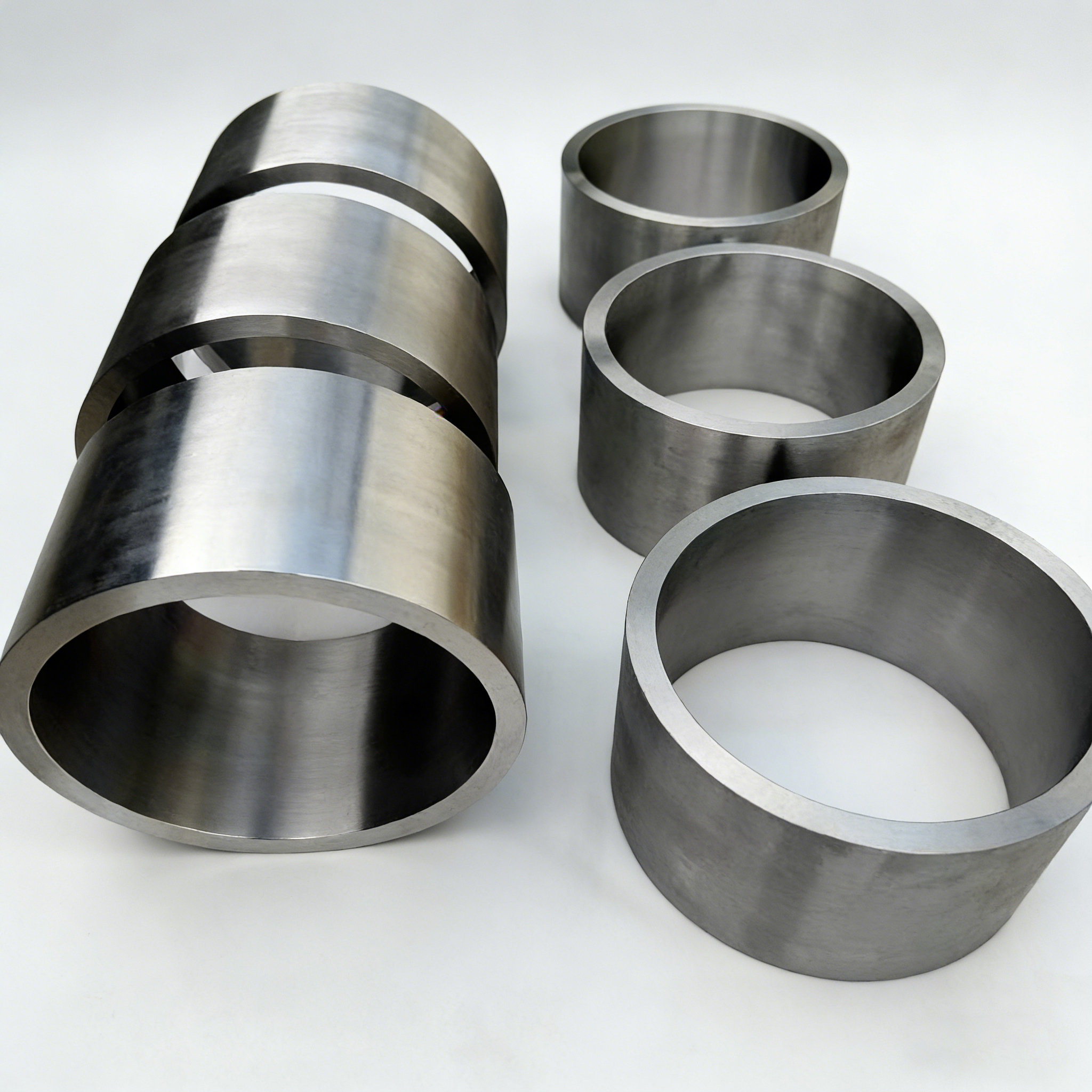
254SMO Nickel Alloys: Applications & Best Practices

All Categories
Get a Quote

Get a Free Quote

Our representative will contact you soon.
Email
Mobile
Name
Company Name
Message
0/1000

254SMO

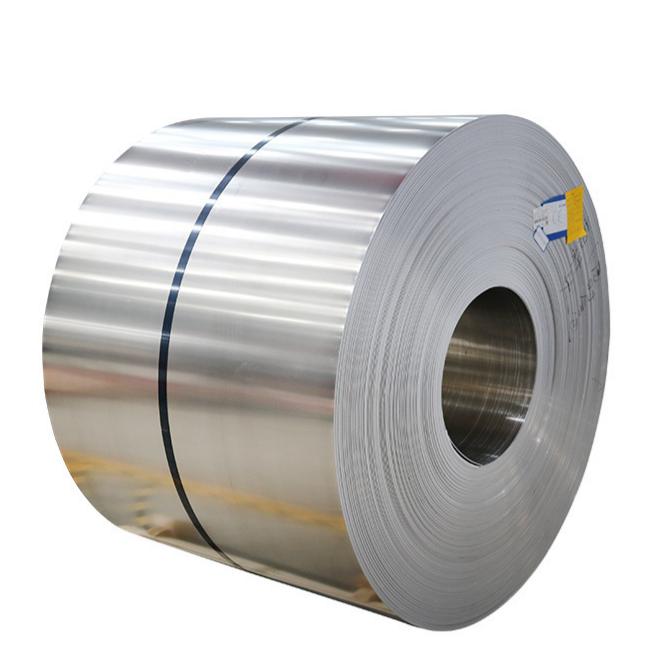
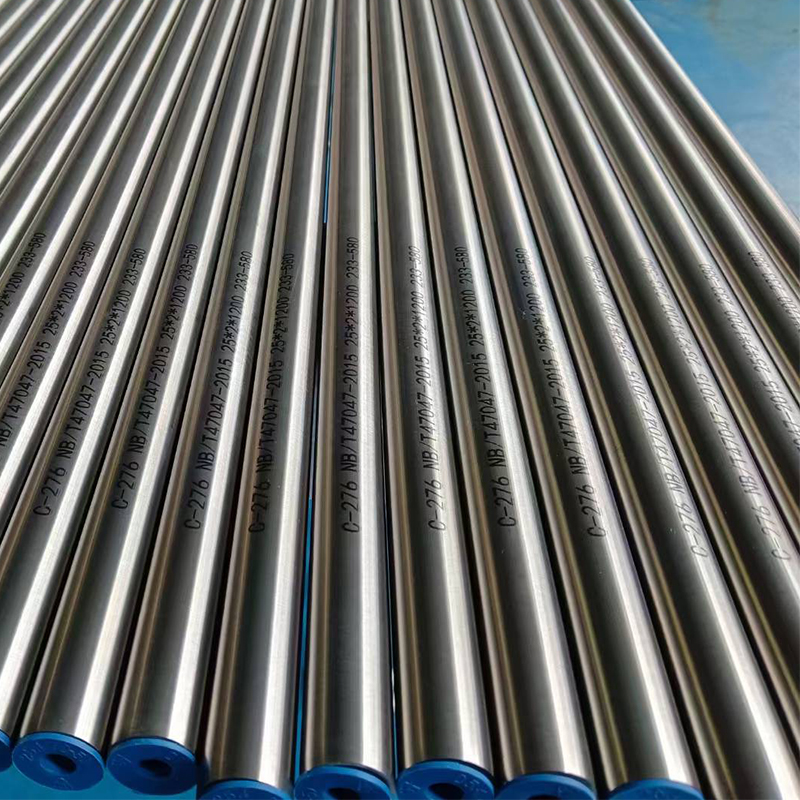
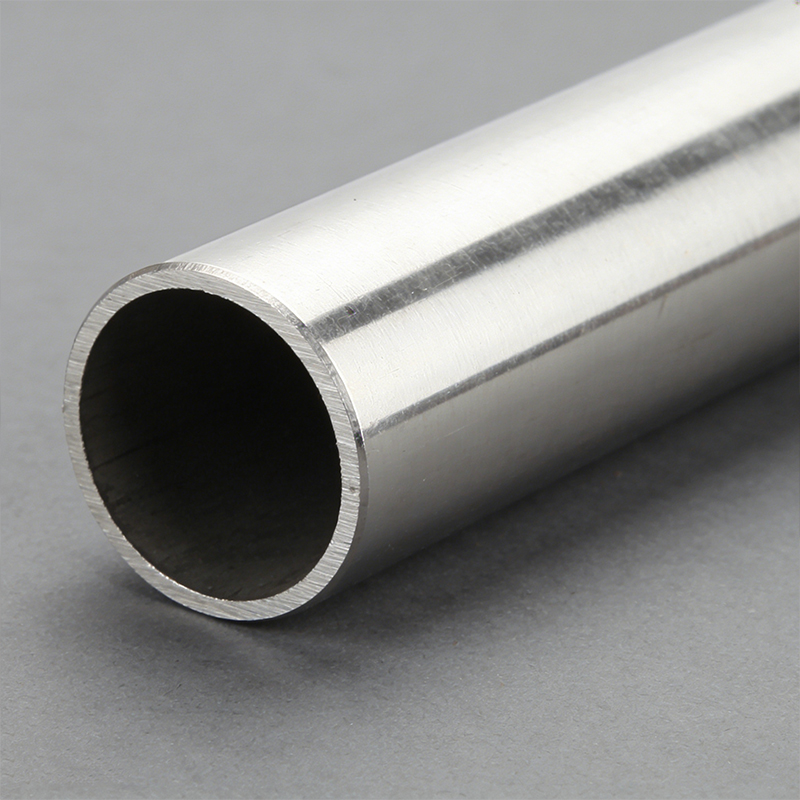
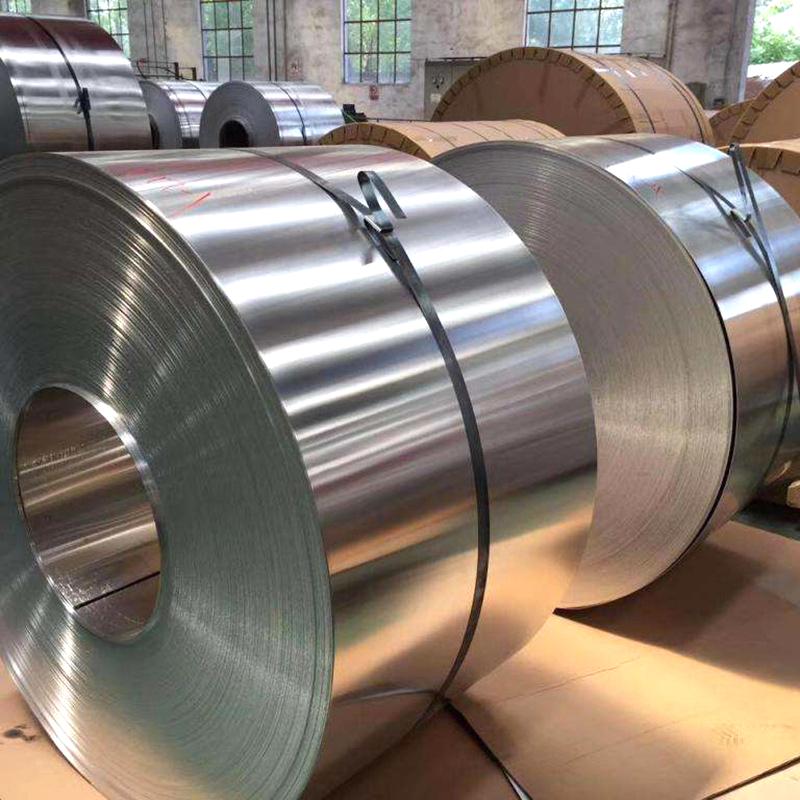
Nickel alloys, such as those classified under the term 254SMO, are critical materials used extensively across various industries, including aerospace, petroleum, and energy sectors. These alloys are known for their excellent corrosion resistance and mechanical properties, making them suitable for demanding applications. For purchasing managers and engineers, understanding the intricacies of alloy materials is essential to ensure the right selection for specific applications. This article will guide you through the key considerations when evaluating alloy materials, best practices for nickel based superalloys applications, common challenges, and the specific uses of nickel alloys in aerospace and energy sectors. 

Our Products

What to Look for in Alloy Materials

When sourcing alloy materials like 254SMO, buyers should consider several key factors:

Material Composition: The chemical makeup of the alloy directly impacts its properties. For instance, 254SMO is known for its high molybdenum content, which enhances its resistance to pitting and crevice corrosion. Understanding the composition helps determine suitable applications, especially in corrosive environments. 

Mechanical Properties: Pay attention to tensile strength, yield strength, and elongation. These characteristics define the alloy's performance under stress. For example, if the application involves high-pressure conditions, select an superalloy that maintains its integrity under those stresses. 

Manufacturing Capabilities: Ensure that the alloy supplier can provide the necessary manufacturing processes, such as forging and machining, to meet your specifications. Jiangsu Boyue Alloy Materials Co., Ltd. offers a complete production chain, which includes smelting and forging, ensuring high-quality components. 

Certifications: Verify that the supplier holds relevant certifications such as ISO9001, AS9100, and PED. These certifications are indicators of the manufacturer’s commitment to quality and compliance with industry standards. 

Customization Options: Depending on your application, you may need custom dimensions or specific mechanical properties. Discuss these requirements with your supplier to ensure they can meet your needs. 

Get a Free Quote

Our representative will contact you soon.
Email
Mobile
Name
Company Name
Message
0/1000

Related product categories

Best Practices for Nickel Alloy Applications

Best Practices for Nickel Alloy Applications

To maximize the performance of nickel alloys in various applications, consider the following best practices: 

Proper Material Selection: The first step is to choose the right alloy based on environmental conditions, such as temperature and exposure to chemicals. For example, 254SMO is ideal for applications in seawater or acidic environments due to its corrosion resistance.  

Sample Testing: Before committing to mass production, request samples to test under actual operating conditions. This helps identify any potential issues with compatibility and performance.  

Quality Control: Establish a quality control process that includes material inspections and performance testing. Ensure that the incoming materials meet the specified standards before production. 

Collaboration with Engineering Teams: Work closely with engineers to ensure that the alloy's mechanical properties align with the design specifications. This collaboration can prevent costly mistakes during the manufacturing process. 

Regular Maintenance Checks: For components made from nickel alloys, regular inspections can help identify wear and corrosion. This proactive approach minimizes downtime and extends the lifespan of the components. 

Common Problems with Alloy Materials and Effective Solutions

Despite their many advantages, nickel alloys can present challenges. Here are some common issues and solutions: 

Corrosion Issues: Even nickel alloys can suffer from localized corrosion if not properly selected for the environment. Ensure that the alloy’s resistance to specific corrosive agents is tested. Using ni based superalloy with higher molybdenum content, like 254SMO, can significantly mitigate this risk. 

Weldability: Some nickel alloys can be difficult to weld, leading to weak joints. It is crucial to use appropriate welding techniques and filler materials that are compatible with the alloy's composition. 

Cost Variability: The price of nickel alloys can fluctuate based on market conditions. Buyers should monitor market trends and consider long-term supply contracts to stabilize prices. 

Dimensional Tolerances: Inconsistent dimensions can lead to assembly issues. It’s vital to verify the supplier’s manufacturing capabilities and request tolerances that align with your application requirements. 

Applications of Nickel Alloys in Aerospace and Energy Industries

Nickel alloys, particularly 254SMO, have specific applications in the aerospace and energy sectors due to their unique properties: 

Aerospace: In the aerospace industry, nickel alloys are used for components that must withstand extreme temperatures and pressures, such as turbine blades and exhaust systems. Their high strength-to-weight ratio and resistance to thermal fatigue make them ideal for these applications. 

Energy Sector: In oil and gas extraction, nickel alloys are utilized in downhole tubing and valves due to their resistance to sour gas and corrosion. Their durability ensures reliable operation in harsh environments, leading to increased safety and efficiency. 

Nuclear Power: Nickel alloys are also critical in nuclear power applications, where they are used in reactor core components and piping systems. Their ability to withstand radiation and maintain structural integrity under high temperatures is essential for safe operation. 

Renewable Energy: In new energy applications, such as wind and solar power, nickel alloys are used in components like fasteners and structural elements due to their longevity and corrosion resistance. 

Technical Knowledge on Nickel Alloy Performance

Understanding the performance characteristics of nickel alloys is crucial for making informed purchasing decisions. Here are important technical parameters to consider: 

Temperature Stability: Nickel alloys generally exhibit excellent stability at elevated temperatures. This makes them suitable for applications where thermal expansion and contraction are concerns. 

Stress Corrosion Cracking Resistance: Alloys like 254SMO have enhanced resistance to stress corrosion cracking, particularly in chloride environments. This feature is vital in industries where components are exposed to saline conditions. 

Ductility and Toughness: Nickel alloys maintain good ductility even at low temperatures, which is essential for applications requiring deformation without fracture. 

Fatigue Resistance: The fatigue performance of nickel alloys is superior to many other metals, making them suitable for cyclic loading applications often found in aerospace and energy sectors. 
Surface Treatments: Depending on the application, surface treatments such as passivation or plating can enhance the corrosion resistance of nickel alloys. Discuss these options with your supplier to optimize performance. 

By understanding these factors, B2B buyers can make informed decisions that lead to successful projects and long-term partnerships. Whether you're sourcing materials for aerospace components or energy systems, comprehensive knowledge of nickel alloys like 254SMO will guide you in selecting the right materials for your specific needs.