 EN

Inconel 601 is a nickel-chromium alloy renowned for its exceptional resistance to oxidation and corrosion, making it ideal for various industrial applications. As a B2B buyer, you may have concerns about selecting the right alloy for your projects, evaluating its quality, sourcing reliable suppliers, and addressing installation challenges. This article aims to provide valuable insights into these key areas, helping you make informed decisions regarding inconel 601 for your manufacturing and engineering needs.
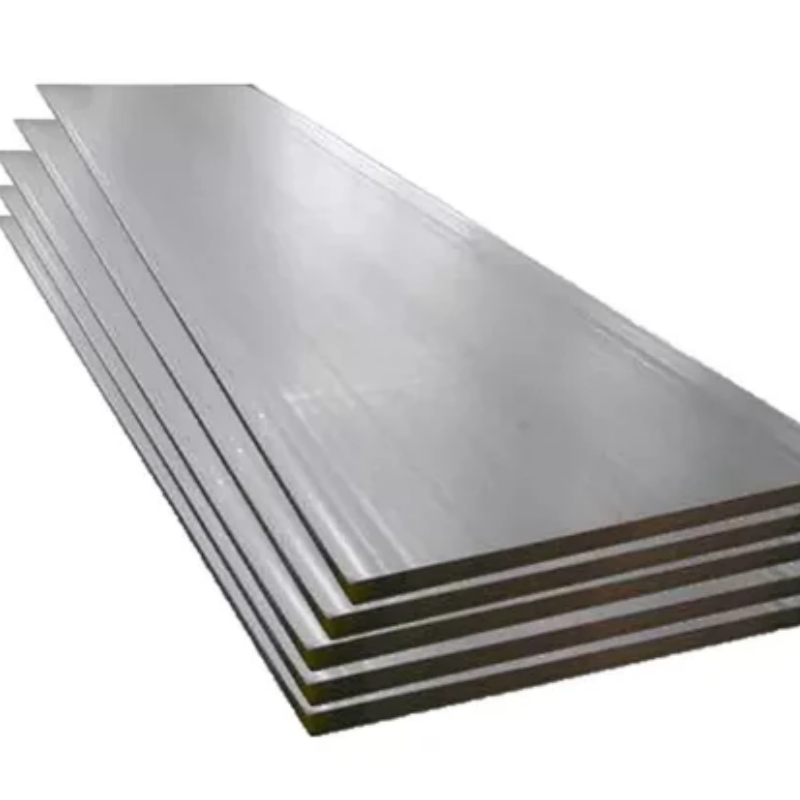
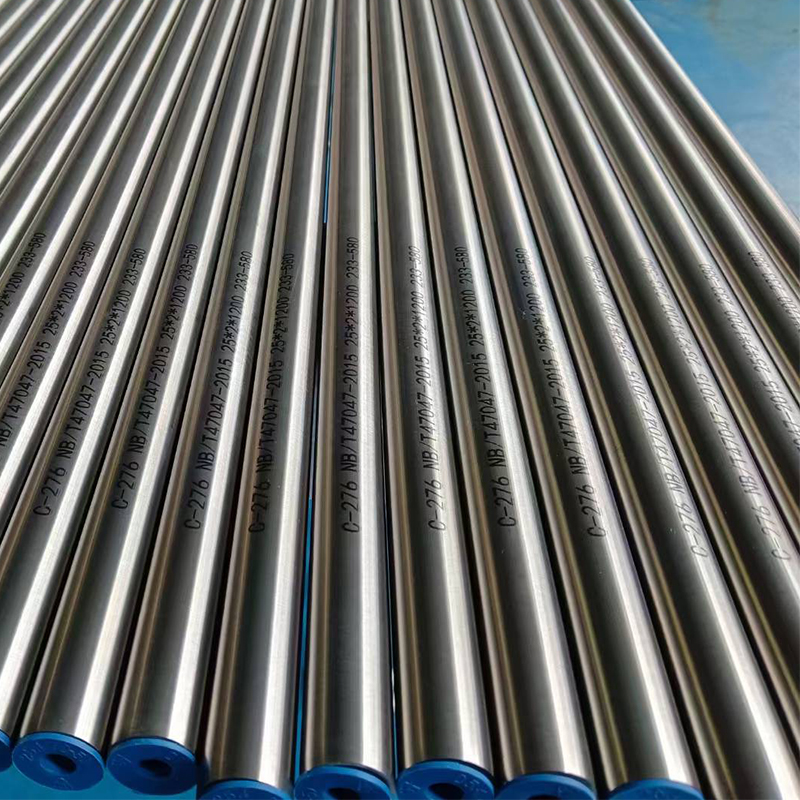
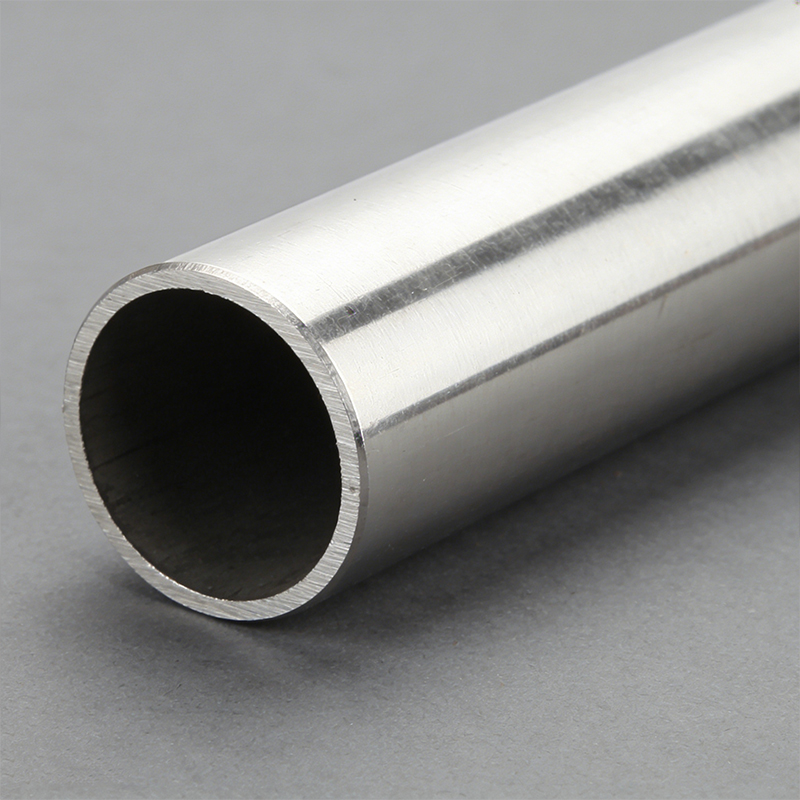
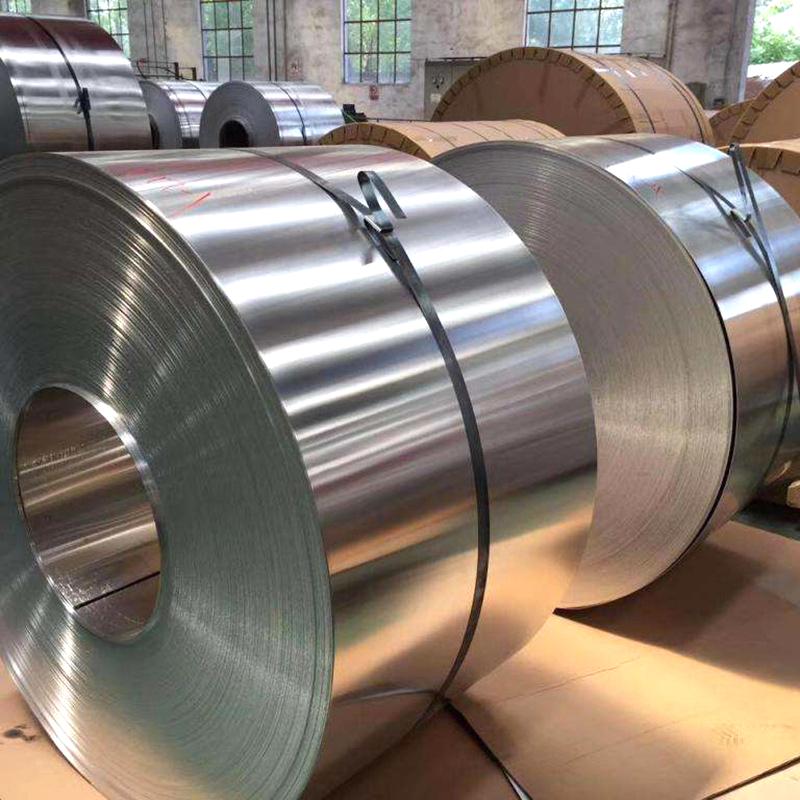
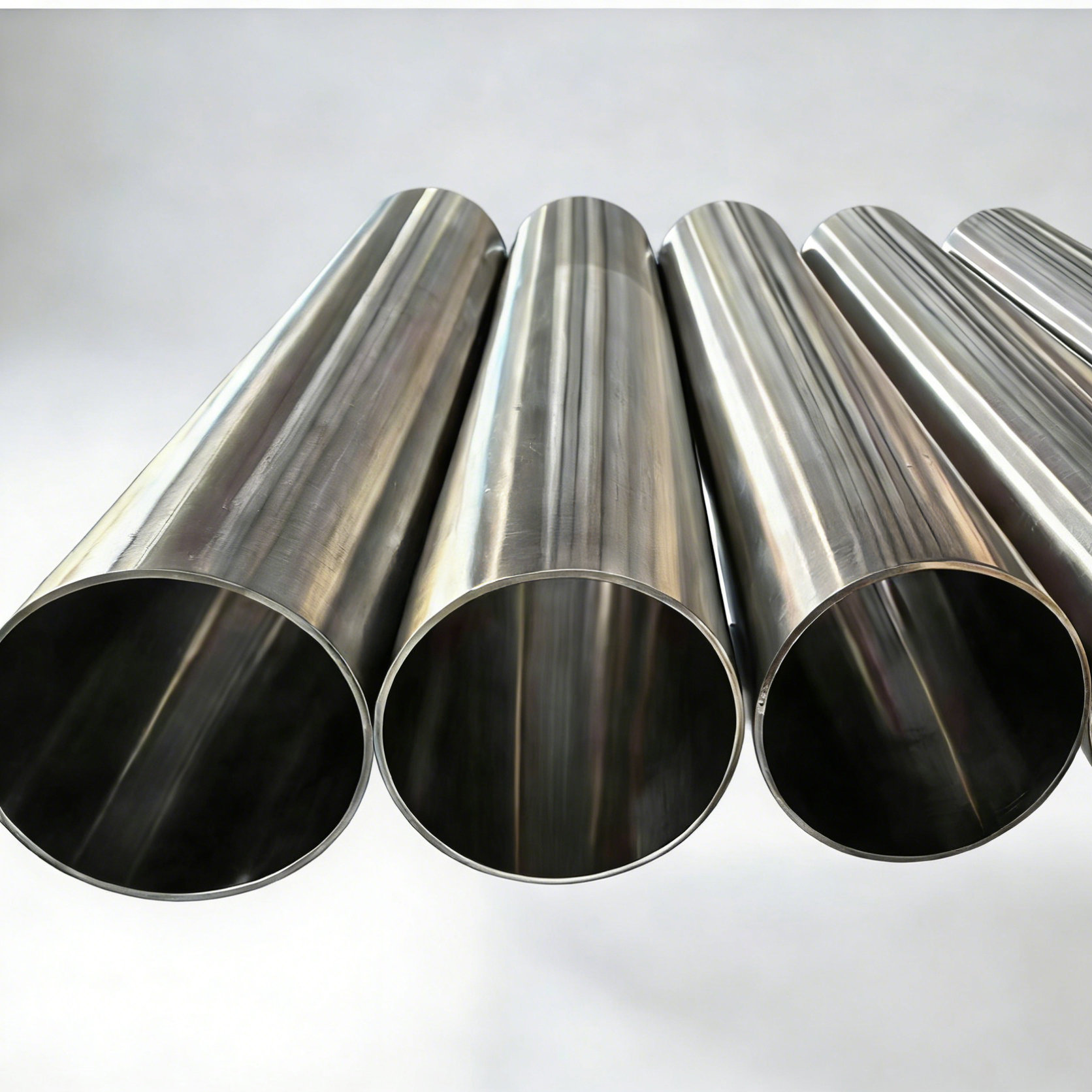
Evaluating the Quality of Inconel 601 for Industrial Use
Quality evaluation of Inconel 601 is critical to ensure it meets the performance standards required for your application. Buyers should focus on the following aspects:
Material Certification: Request certification documents from suppliers to verify that the alloy meets specified standards. Certifications such as ASTM and ASME should accompany the material, confirming its compliance.
Testing and Inspection: Quality control processes should include rigorous testing methods such as tensile tests, hardness tests, and corrosion resistance evaluations. This ensures that the material will perform as expected under operational conditions.
Sample Approval: Before committing to mass production, obtain a sample and conduct a thorough inspection. Evaluate the sample for dimensions, surface finish, and any potential defects. Testing the sample under real operational conditions can uncover issues that might arise during actual use.
Supplier Reputation: Research suppliers’ reputations in the market. Established suppliers like Jiangsu Boyue Alloy Materials Co., Ltd., with experience in manufacturing and quality management, can provide reassurance regarding the quality of their Inconel 601 offerings.
By following these guidelines, you can ensure the Inconel 601 you procure will meet the necessary quality standards for your project.