EN

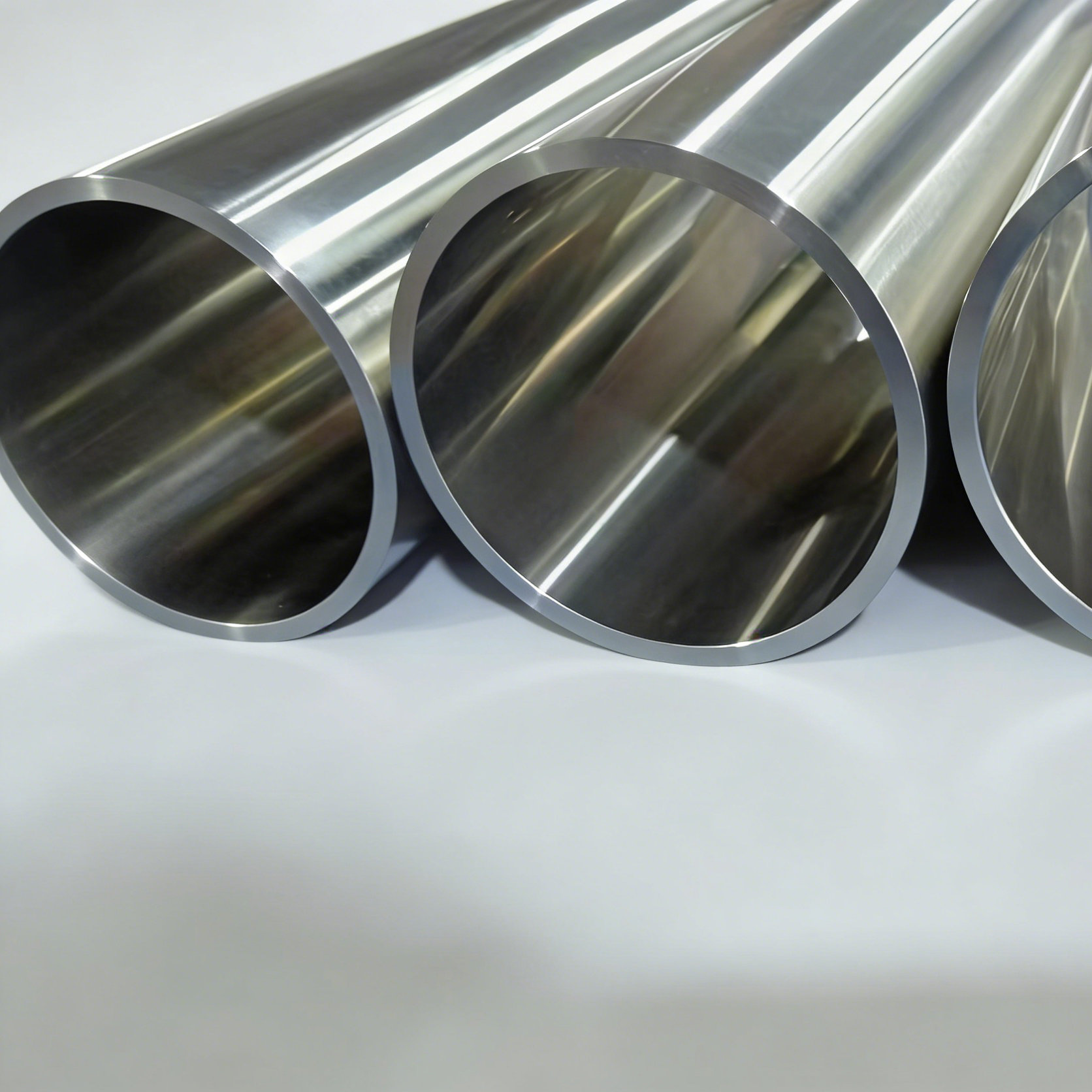
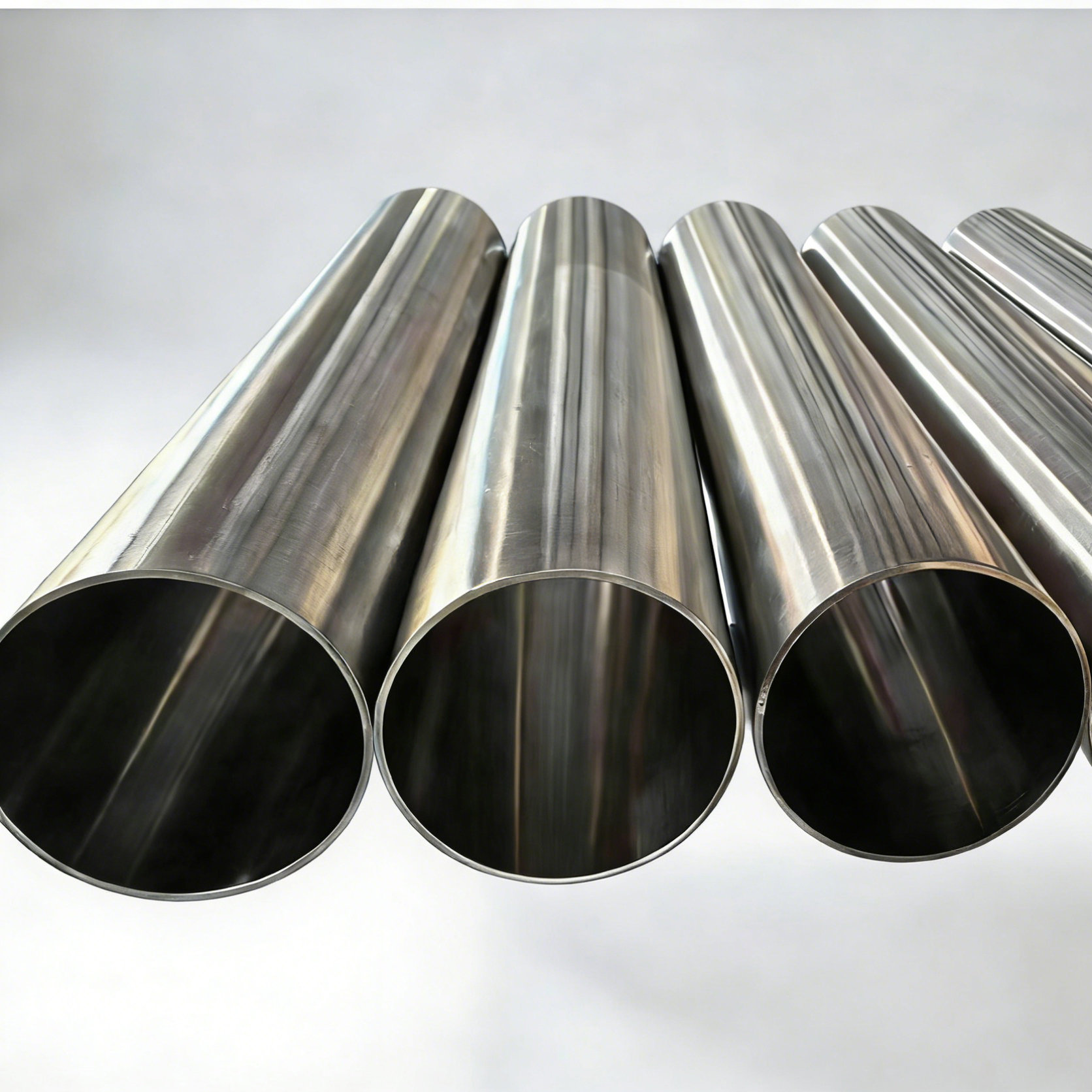
Nickel alloy pipe fittings are essential components in a variety of industries, including aerospace, petroleum, nuclear power, and new energy. These fittings are designed to connect pipes, tubes, and other equipment securely, providing enhanced resistance to corrosion and high temperatures. For B2B buyers, understanding the specifications and sourcing options for nickel alloy pipe fittings is critical to ensuring compatibility and quality for their applications. This article will guide purchasing managers, engineers, and product managers through key specifications, sourcing options, quality evaluation, common installation issues, and essential considerations when selecting nickel alloy pipe fittings.
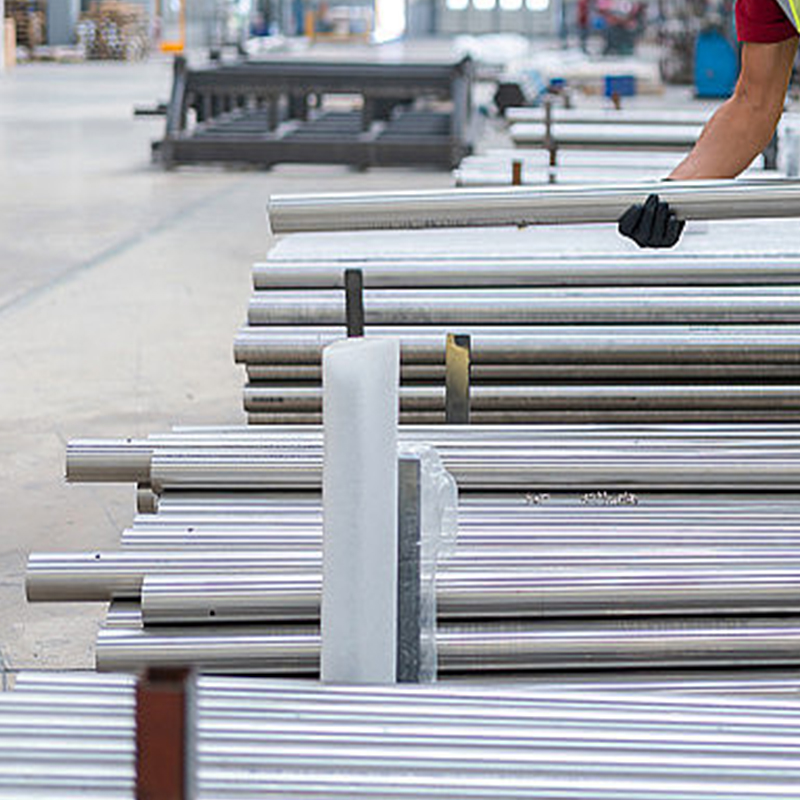
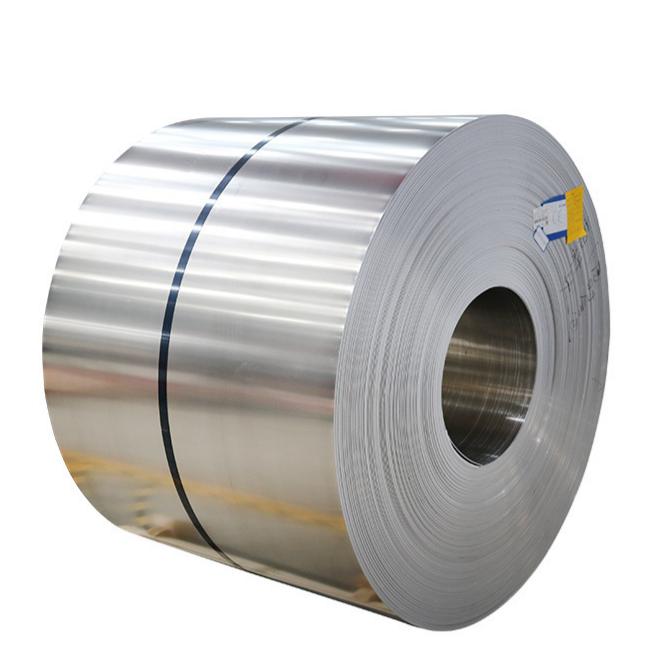
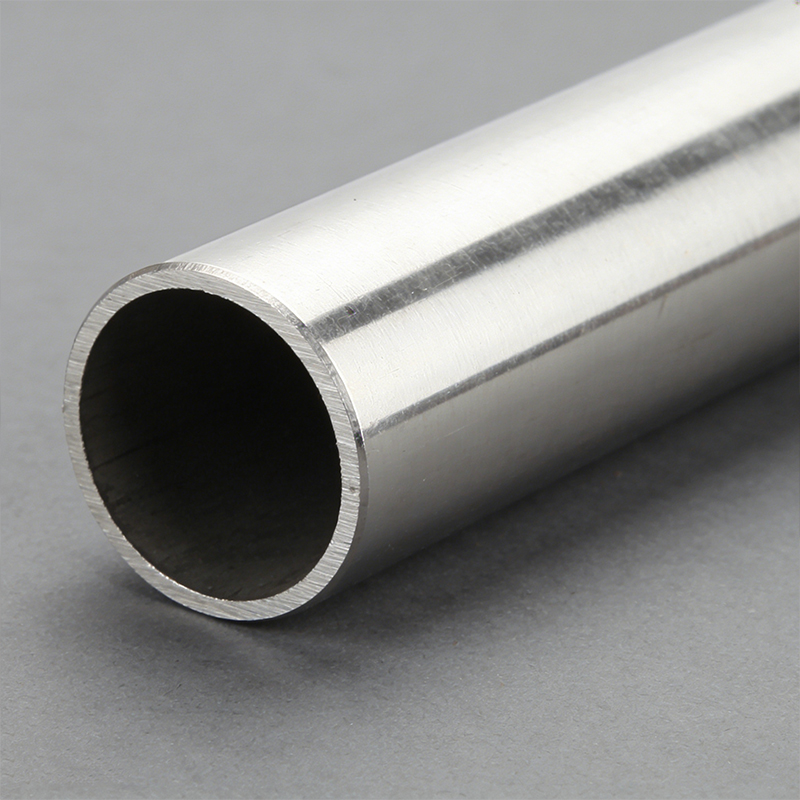
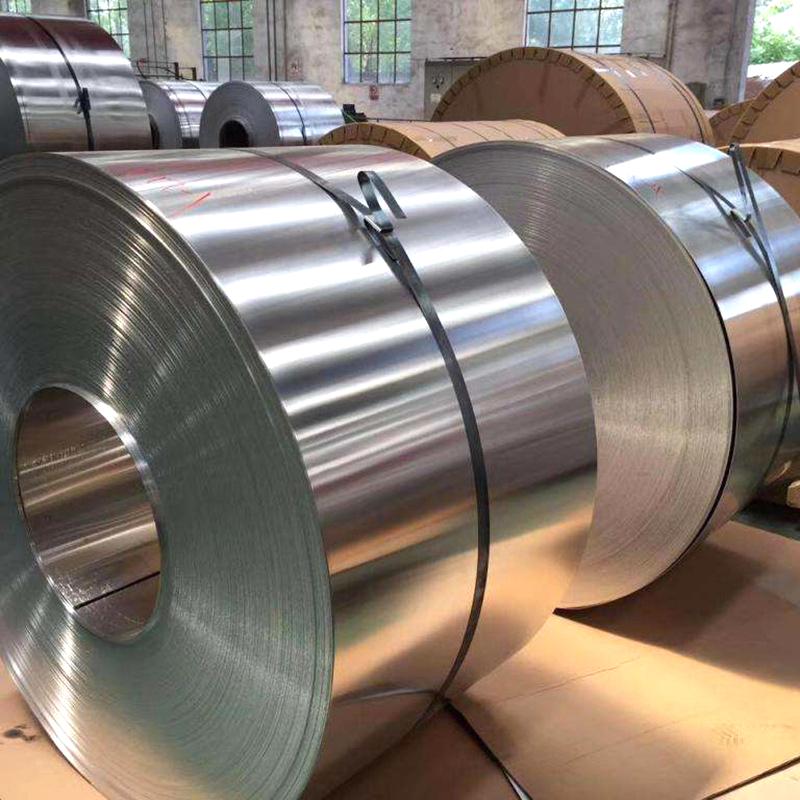
Wholesale Sourcing Options for Nickel Alloy Pipe Fittings
Sourcing nickel alloy pipe fittings can be approached through various channels. Buyers typically consider the following options:
Direct Manufacturers: Engaging directly with manufacturers like Jiangsu Boyue Alloy Materials Co., Ltd. can provide a comprehensive understanding of the production capabilities and customization options available. This approach often allows for better pricing, reduced lead times, and tailored solutions to meet specific requirements.
Distributors: Established distributors often have a wide inventory and can facilitate quick access to standard fittings. This is beneficial for projects with tight deadlines where immediate availability is crucial.
Online Marketplaces: Platforms such as Alibaba or ThomasNet can connect buyers with a range of suppliers. However, due diligence is necessary to ensure the credibility and reliability of these suppliers. Checking for certifications and customer reviews can help mitigate risks.
Trade Shows and Industry Events: Attending trade shows offers buyers the opportunity to meet manufacturers face-to-face, inspect products, and discuss specifications in detail. This can also provide insights into the latest industry trends and innovations.
When sourcing, it's essential to communicate specific requirements, including material grade, dimensions, and quantity, to receive accurate quotations.