
Choosing Nickel Alloy Fittings: A Complete Guide

All Categories
Get a Quote

Get a Free Quote

Our representative will contact you soon.
Email
Mobile
Name
Company Name
Message
0/1000

nickel alloy fittings

When it comes to sourcing nickel alloy fittings, understanding their specifications and applications is crucial for B2B buyers in industries such as aerospace, petroleum, and nuclear power. These fittings are essential components used in various piping systems, and selecting the right ones can significantly impact the efficiency, safety, and overall performance of projects. This article will guide purchasing managers, engineers, and product managers through the key considerations for nickel alloy fittings, including how to choose the right ones, quality factors, specifications for bulk purchases, cost considerations, and their applications across industries.
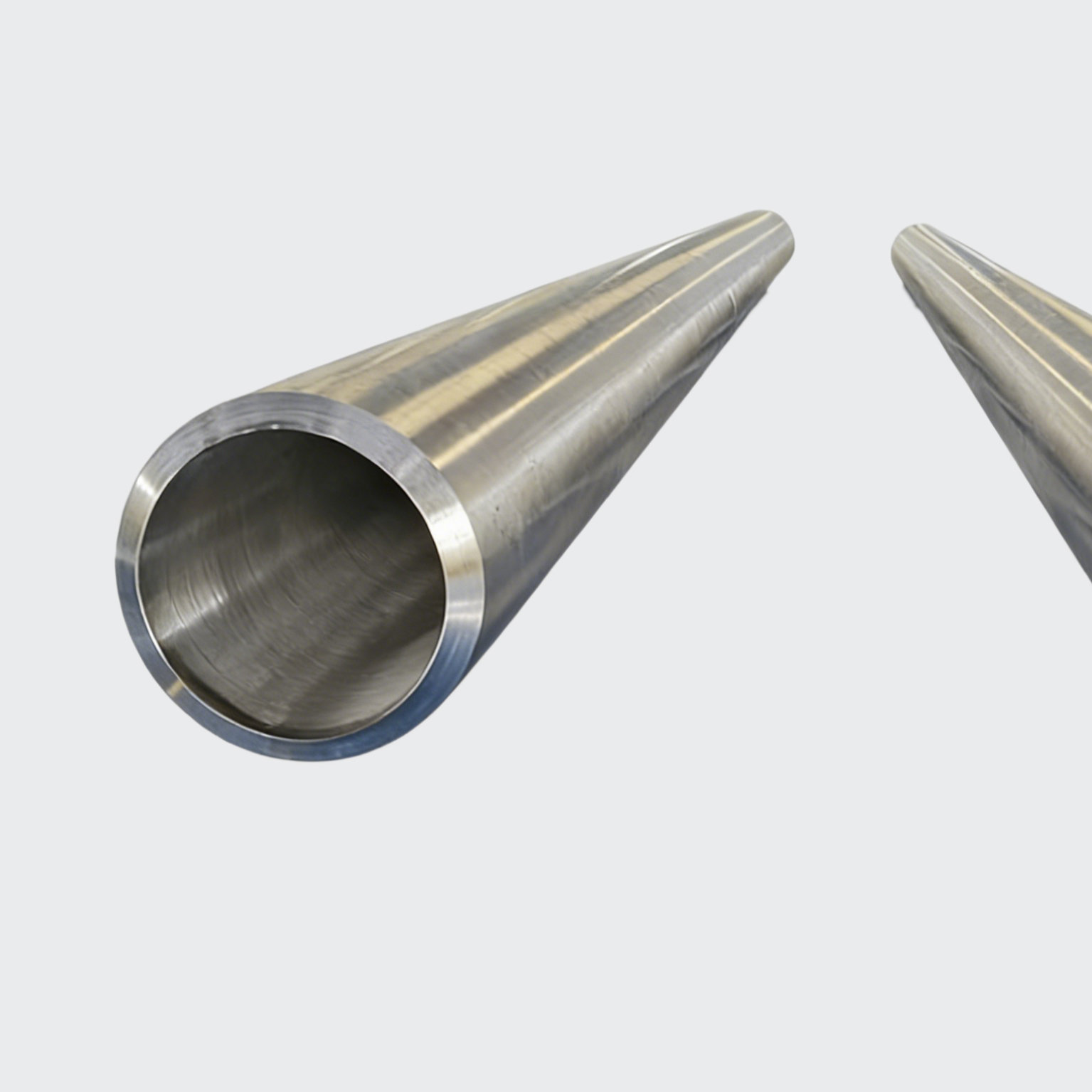
Choosing the Right Nickel Alloy Fittings for Your Project Needs

Selecting the right nickel alloy fittings begins with understanding the specific requirements of your project. Factors such as the operating environment, pressure ratings, and compatibility with fluids or gases are critical. Nickel alloys are known for their excellent corrosion resistance and high-temperature performance, making them suitable for harsh environments.

For example, in aerospace applications, fittings may need to withstand extreme temperatures and pressures. In contrast, fittings used in chemical processing must resist corrosive substances. Therefore, it's essential to evaluate the intended application carefully, considering factors such as:

Material Composition: Ensure the alloy meets industry standards for chemical resistance and mechanical properties.Size and Dimensions: Verify that the fittings fit seamlessly within your existing systems.Pressure and Temperature Ratings: Confirm that the fittings can handle the operational limits of your project.

Consulting with a manufacturer like Jiangsu Boyue Alloy Materials Co., Ltd. can provide insights into the best materials and configurations suitable for your specific needs, including options like ASTM B167 Inconel 600 Pipes & Tubes.

Get a Free Quote

Our representative will contact you soon.
Email
Mobile
Name
Company Name
Message
0/1000

Related product categories

Quality and Performance Factors

Quality and Performance Factors

Quality is paramount when it comes to nickel alloy fittings, as their failure can lead to costly downtime and safety hazards. Several quality factors should be considered:

Certifications: Ensure that the manufacturer holds relevant certifications such as ISO9001, AS9100, and PED. These certifications indicate adherence to stringent quality management systems.Manufacturing Processes: Understanding the production techniques, such as smelting and forging, can give insight into the durability and reliability of the fittings.Quality Control: Ask about the quality control processes in place. Rigorous testing and inspection should be standard before products are shipped to ensure they meet specifications.

Additionally, performance factors like fatigue resistance and elongation are critical for ensuring that fittings can withstand the stresses they will encounter in service.
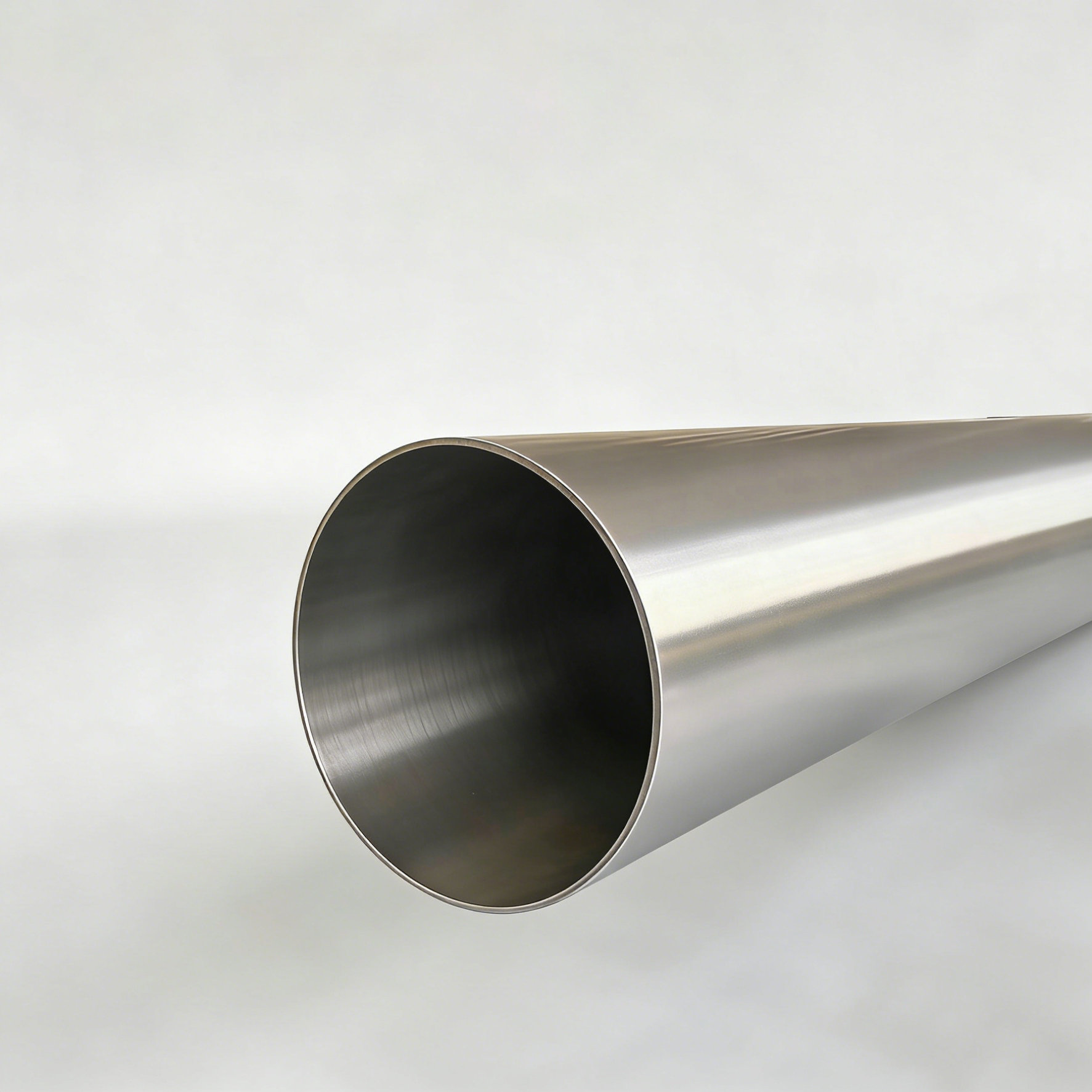
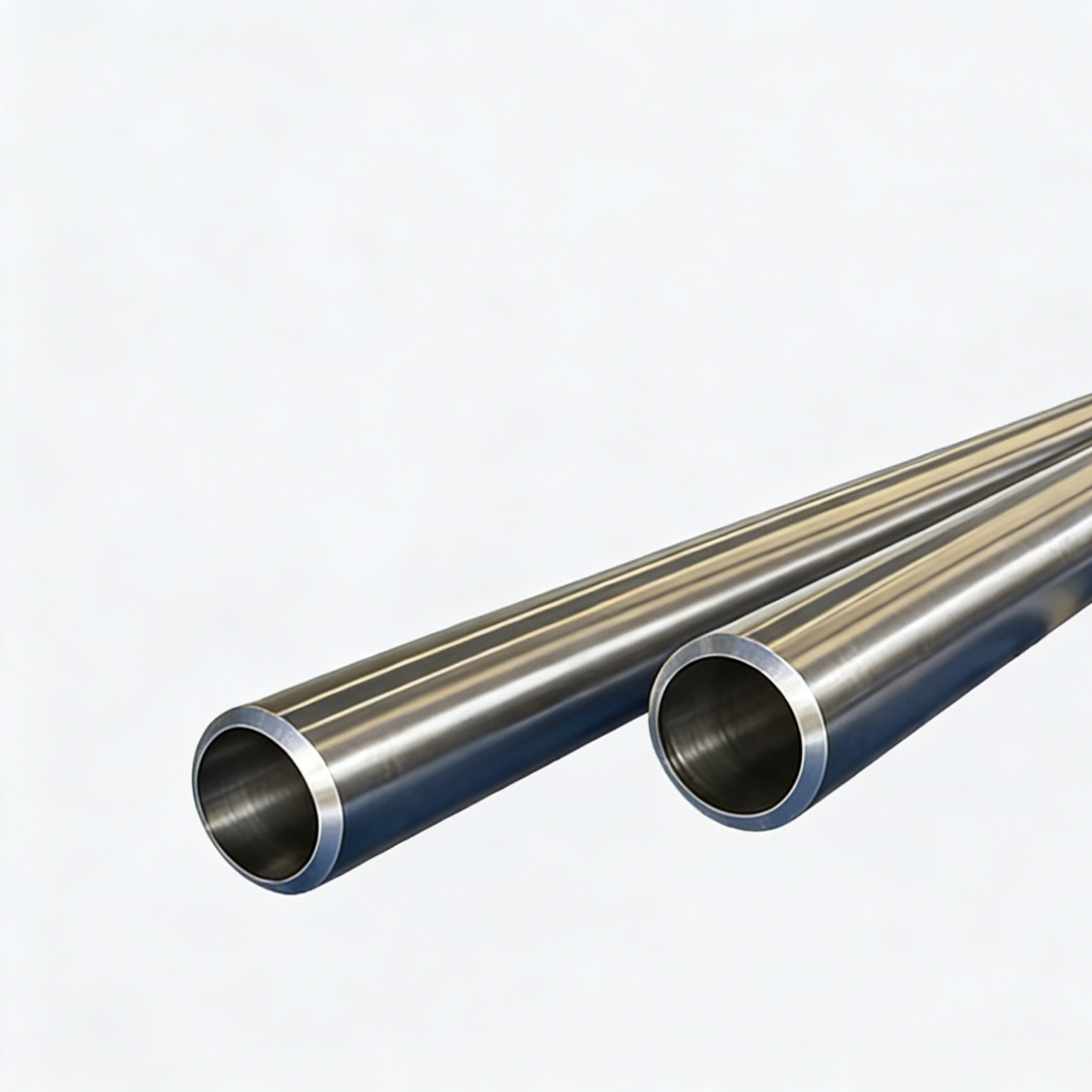
Understanding Specifications for Nickel Alloy Fittings in Bulk Purchases

Understanding Specifications for Nickel Alloy Fittings in Bulk Purchases

When purchasing nickel alloy fittings in bulk, it is crucial to grasp the specifications that will impact both performance and cost. Key specifications to consider include:

Material Grades: Different grades of nickel alloys offer varying properties. For example, alloys such as Inconel or Monel might be specified for their unique resistance to high temperatures and corrosive environments, including Inconel 600 Plates.Dimensional Tolerances: Ensure the fittings meet the required tolerances, as even minor deviations can lead to installation issues or failures.Surface Finish: The surface treatment can affect corrosion resistance and should be specified according to the application.

Being clear about these specifications will help you make informed decisions and avoid costly errors during the procurement process.

Cost Considerations When Purchasing Nickel Alloy Fittings Wholesale

Cost Considerations When Purchasing Nickel Alloy Fittings Wholesale

The cost of nickel alloy fittings can vary significantly based on several factors. Understanding these can help in budgeting and negotiation processes:

Material Costs: The price of raw nickel and alloying elements can fluctuate, impacting the cost of fittings. Staying informed about market trends can aid in timing your purchases for cost efficiency.Customization Needs: Custom fittings designed to meet specific requirements can incur additional costs. Discuss your needs with manufacturers to assess whether standard products might suffice.Quantity Discounts: Bulk purchases often come with cost advantages. Determine the minimum order quantities (MOQ) and explore volume pricing options to maximize savings.

Working closely with suppliers like Jiangsu Boyue Alloy Materials Co., Ltd. can help you understand all these factors and negotiate better pricing.

Exploring Applications of Nickel Alloy Fittings Across Industries

Nickel alloy fittings are utilized in a wide range of industries due to their unique properties. Here are some notable applications:

Aerospace: Used in fuel systems, hydraulic systems, and engine components, nickel alloys provide the necessary strength and resistance to high temperatures.Petroleum: In oil and gas exploration, fittings must withstand corrosive environments and high pressures, making nickel alloys ideal for pipelines and valves.Nuclear Power: Fittings used in nuclear reactors require materials that can endure radiation and extreme temperatures, making nickel alloys a preferred choice.New Energy: In renewable energy applications, such as wind and solar, nickel alloy fittings facilitate the efficient transfer of fluids and gases in harsh environments.

Understanding these applications can help buyers identify the right products for their specific industry needs and ensure long-term reliability and performance.

In summary, when sourcing nickel alloy fittings, it is essential to evaluate project requirements, quality factors, specifications, cost considerations, and applications across industries. By doing so, purchasing managers and engineers can make informed decisions that enhance project success and operational efficiency.