 EN

Copper nickel fittings are specialized components made from an alloy of copper and nickel, widely used in various industries due to their excellent corrosion resistance and strength. For purchasing managers and engineers, understanding the nuances of these fittings is critical for ensuring compatibility and performance in applications, particularly in marine, aerospace, and industrial environments. This article will guide you through sourcing high-quality copper nickel fittings, understanding specifications and standards, evaluating quality, considering cost factors, and addressing common issues related to these fittings.
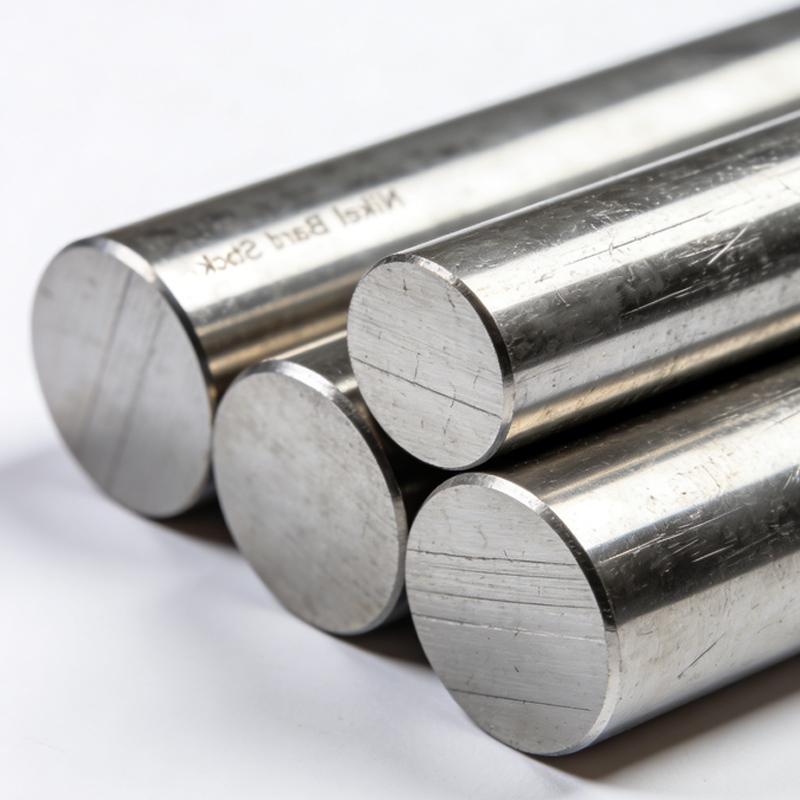
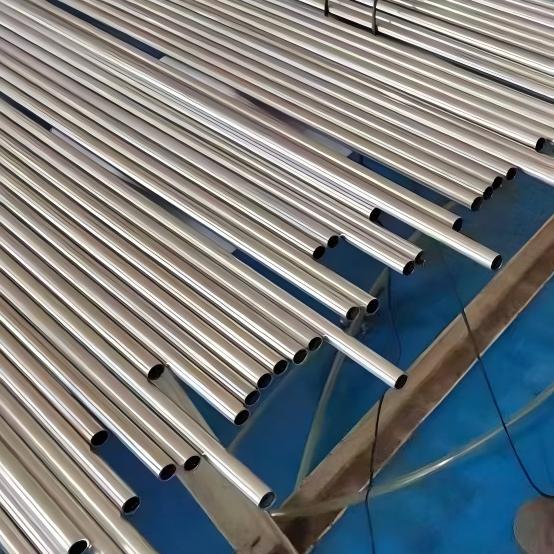
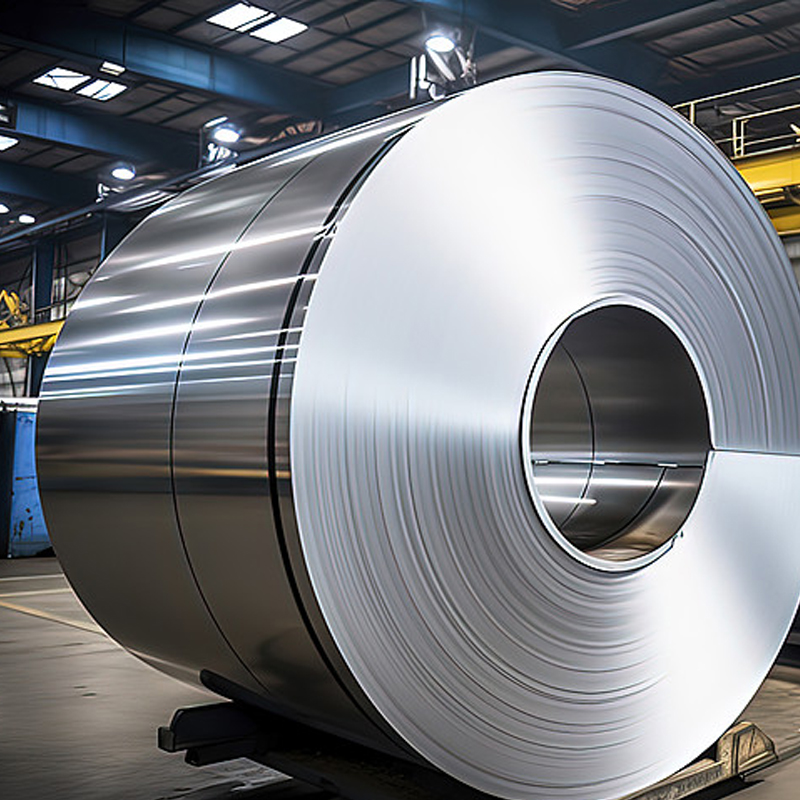
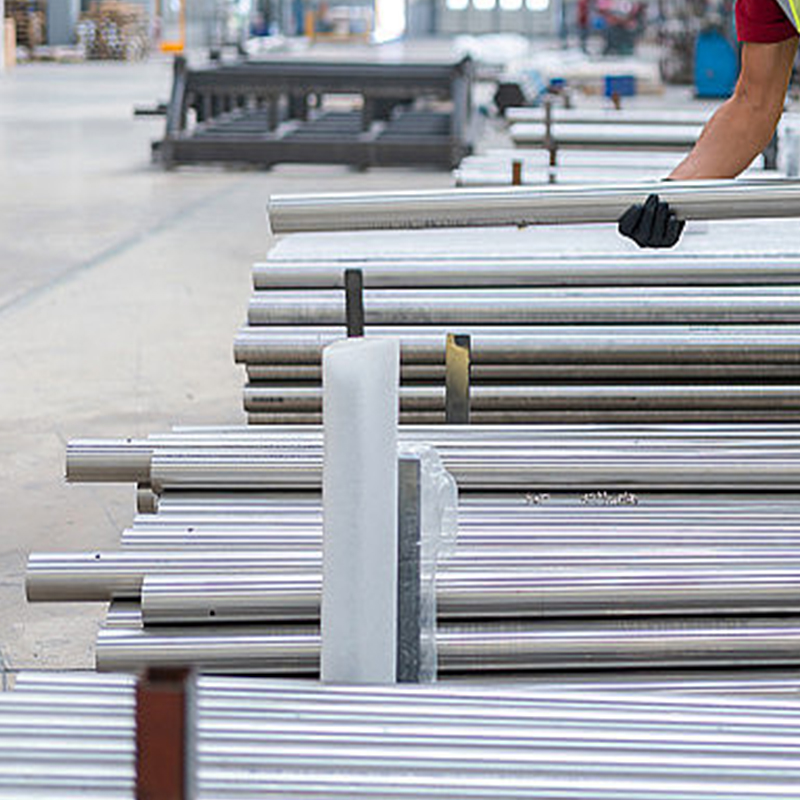
Understanding Copper Nickel Fittings Specifications and Standards
Copper nickel fittings come with a variety of specifications that dictate their performance in specific applications. Key specifications to consider include:
Material Composition: Typical copper nickel alloys include C70600 (90/10) and C71500 (70/30). The choice depends on the environment in which the fittings will be used; for instance, C71500 offers better corrosion resistance for seawater applications.Dimensions and Tolerances: Fittings must meet precise dimensions to ensure compatibility with existing piping systems. Tolerances should align with industry standards such as ASTM or ASME.Pressure Ratings: Understand the pressure requirements of your application. Copper nickel fittings are often rated for high-pressure environments, making it essential to confirm these ratings with the supplier.Surface Treatment: Some applications may require specific surface treatments to enhance corrosion resistance or reduce friction.These specifications are critical for ensuring that the fittings perform as expected. Buyers should verify that the manufacturer can provide documentation and certifications that confirm compliance with relevant standards.