
Hastelloy Pipe: Key Specifications and Supplier Guide

All Categories
Get a Quote

Get a Free Quote

Our representative will contact you soon.
Email
Mobile
Name
Company Name
Message
0/1000

hastelloy pipe

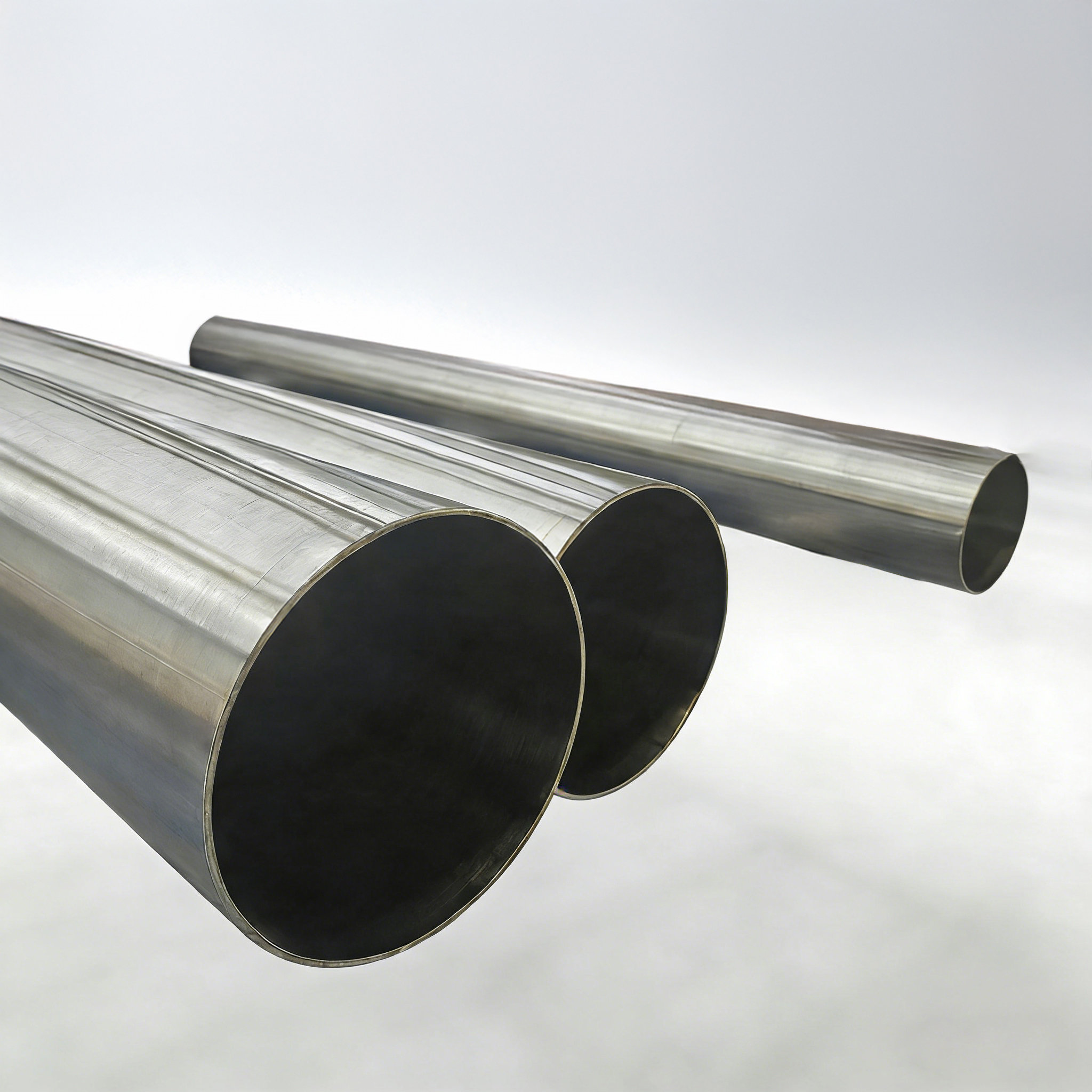
Hastelloy pipes are high-performance alloy pipes known for their exceptional resistance to corrosion and high-temperature environments. These pipes are commonly utilized in demanding industries such as aerospace, petroleum, and nuclear power. As a purchasing manager or engineer, understanding the specific characteristics and applications of Hastelloy pipes can significantly impact your procurement decisions. This article will guide you through sourcing reliable suppliers, purchasing tips, cost considerations, common challenges, and the applications of Hastelloy pipes in various industries.
Where to Find Reliable Suppliers of Hastelloy Pipes

Finding a trustworthy supplier for Hastelloy pipes is essential to ensure product quality and compliance with industry standards. Start by researching manufacturers with proven expertise in alloy materials, such as Jiangsu Boyue Alloy Materials Co., Ltd., which specializes in nickel alloy pipes and has certifications like ISO9001 and AS9100.

Key places to look for suppliers include:

Industry Trade Shows: Attending events specific to the alloy and manufacturing sectors can provide opportunities to meet potential suppliers face-to-face and evaluate their offerings.

Online Manufacturer Directories: Websites such as ThomasNet and Alibaba can help you find suppliers with detailed product catalogs and customer reviews.

Professional Associations: Organizations like the American Society for Metals (ASM) can provide recommendations for reputable manufacturers in the alloy industry.

Referrals from Peers: Connecting with industry peers or consultants who have experience sourcing Hastelloy pipes can lead you to reliable suppliers.

When evaluating suppliers, consider their manufacturing capabilities, production capacity, and quality assurance processes to ensure they meet your specifications. Additionally, it's important to explore various types of materials, such as flanges, that may complement your Hastelloy pipes in different applications.

Get a Free Quote

Our representative will contact you soon.
Email
Mobile
Name
Company Name
Message
0/1000

Related product categories

Wholesale Purchasing Tips for Hastelloy Pipe Buyers

Wholesale Purchasing Tips for Hastelloy Pipe Buyers

When purchasing Hastelloy pipes in bulk, several factors can influence your buying process:

Confirm Specifications: Ensure that the supplier can meet your specific requirements, such as dimensions, wall thickness, and material grade. Confirming these details early can prevent issues later.

Request Samples: Before placing a large order, request samples to evaluate the quality and suitability of the pipes for your application. Inspect samples for surface quality, dimensions, and any potential defects.

Negotiate Pricing: Bulk orders often come with price advantages. Discuss pricing structures, including discounts for larger quantities, and take into account the total cost of ownership, including shipping and handling.

Understand Lead Times: Inquire about the supplier's lead times, especially if you have tight project deadlines. Ensure that they can meet your delivery requirements without compromising quality.

Assess Customization Capabilities: If your project requires specific modifications, ensure the supplier can accommodate customization requests, such as special lengths or surface treatments.

By following these tips, you can enhance your purchasing experience and ensure that you receive the best product for your needs.

Cost Considerations for Bulk Orders of Hastelloy Pipe

Cost Considerations for Bulk Orders of Hastelloy Pipe

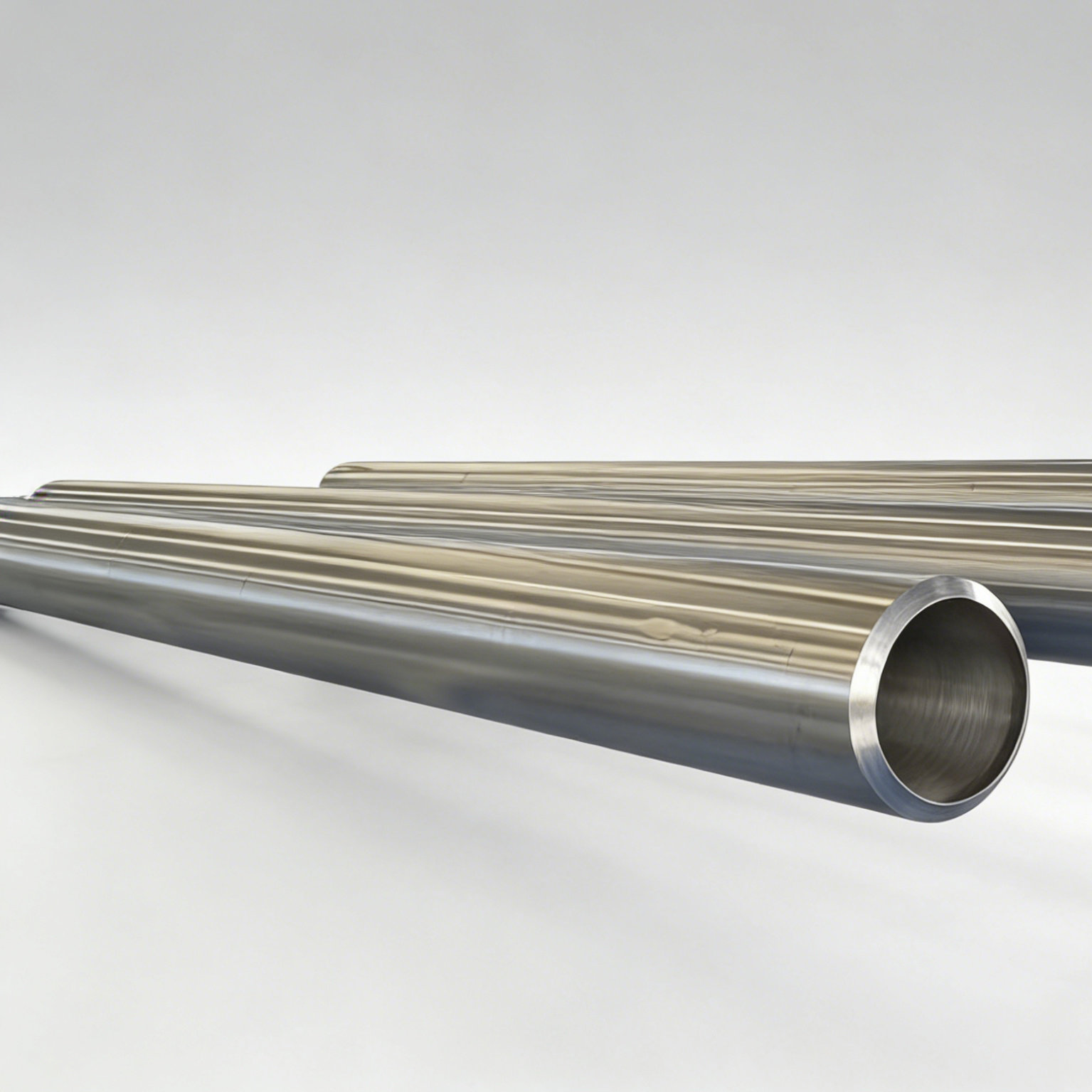
Understanding the cost structure associated with bulk orders of Hastelloy pipes is crucial for effective budgeting. Key factors affecting the price include:

Material Costs: Hastelloy is a premium alloy, and fluctuations in nickel and molybdenum prices can impact overall costs. It's advisable to monitor market trends for these materials.

Manufacturing Processes: The complexity of the manufacturing process, including smelting and forging, can influence pricing. Suppliers with advanced capabilities may offer better pricing due to efficiency but ensure quality standards are maintained.

Order Volume: Larger orders typically benefit from economies of scale, leading to lower per-unit costs. However, consider the impact of minimum order quantities (MOQ) set by suppliers, which can affect your purchasing strategy.

Shipping and Handling: Factor in transportation costs, especially for international orders. Understanding the shipping options and associated costs can help you manage the overall budget.

Quality Inspection Costs: Allocate budget for quality assurance testing, which may involve third-party inspections. Ensuring that the pipes meet the required standards can prevent costly issues down the line.

By carefully evaluating these cost considerations, you can optimize your budget and maximize the value of your investment in Hastelloy pipes.

Common Challenges with Hastelloy Pipes and Their Solutions

Common Challenges with Hastelloy Pipes and Their Solutions

Purchasing and utilizing Hastelloy pipes can present several challenges. Here are some common issues and their solutions:

Corrosion Resistance Uncertainty: While Hastelloy is known for its corrosion resistance, the specific environment must be considered. Buyers should consult with suppliers to understand which Hastelloy grade is best suited for their application, particularly in aggressive environments.

Production Tolerances: Variations in manufacturing tolerances can result in pipes that do not fit properly during installation. Always confirm the tolerances with the supplier and request detailed specifications.

Surface Defects: Inspecting for surface defects is critical as they can affect performance. Request quality assurance documentation and consider third-party inspections before finalizing the order.

Compatibility with Existing Systems: Ensure that the Hastelloy pipes are compatible with existing materials in your system to prevent galvanic corrosion. Consultation with an engineer can help assess compatibility.

Lead Time Delays: Delays can occur due to material shortages or production issues. Establish clear communication with suppliers regarding delivery timelines and have contingency plans in place.

By anticipating these challenges and collaborating closely with suppliers, you can mitigate risks and ensure the successful use of Hastelloy pipes in your projects. Additionally, consider how forgings might play a role in enhancing the overall integrity of your piping systems.

Hastelloy Pipe Applications in Aerospace and Energy Industries

Hastelloy pipes are increasingly utilized in critical applications within the aerospace and energy sectors due to their exceptional performance characteristics.

Aerospace Applications: Hastelloy pipes are used in aircraft engines, fuel systems, and exhaust systems where high-temperature and corrosion resistance is paramount. Their ability to maintain structural integrity under extreme conditions is crucial for safety and performance.

Energy Sector Uses: In the nuclear power industry, Hastelloy pipes are employed for their resistance to radiation and corrosive environments. They are also used in geothermal energy systems, where high temperatures and chemical exposure are common.

Petrochemical Applications: The petroleum industry relies on Hastelloy pipes for transporting corrosive fluids, ensuring reliability in harsh environments. Their durability reduces maintenance costs and extends service life.

Pressure Vessels: Hastelloy pipes are ideal for pressure vessels due to their strength and resistance to stress corrosion cracking. They meet stringent industry standards, making them suitable for high-pressure applications.

In summary, the broad application spectrum of Hastelloy pipes in critical industries showcases their versatility and reliability, making them a preferred choice for engineers and purchasing managers alike. Understanding these applications can help you make informed decisions when sourcing and utilizing these essential materials.