Selecting the Right Nickel 201 Pipe for Your Needs

All Categories
Get a Quote

Get a Free Quote

Our representative will contact you soon.
Email
Mobile
Name
Company Name
Message
0/1000

Nickel 201 pipe

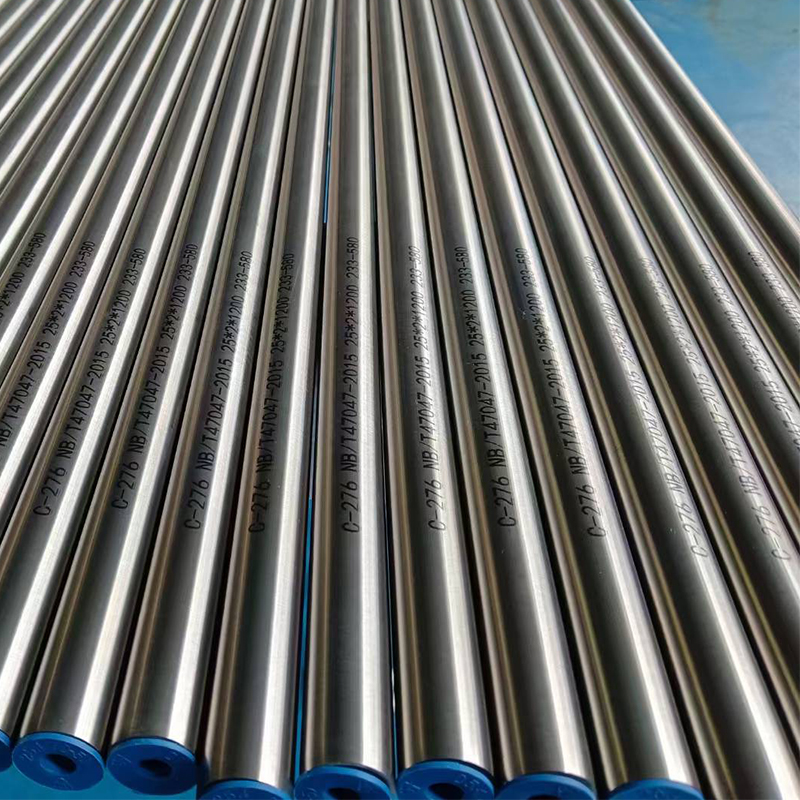
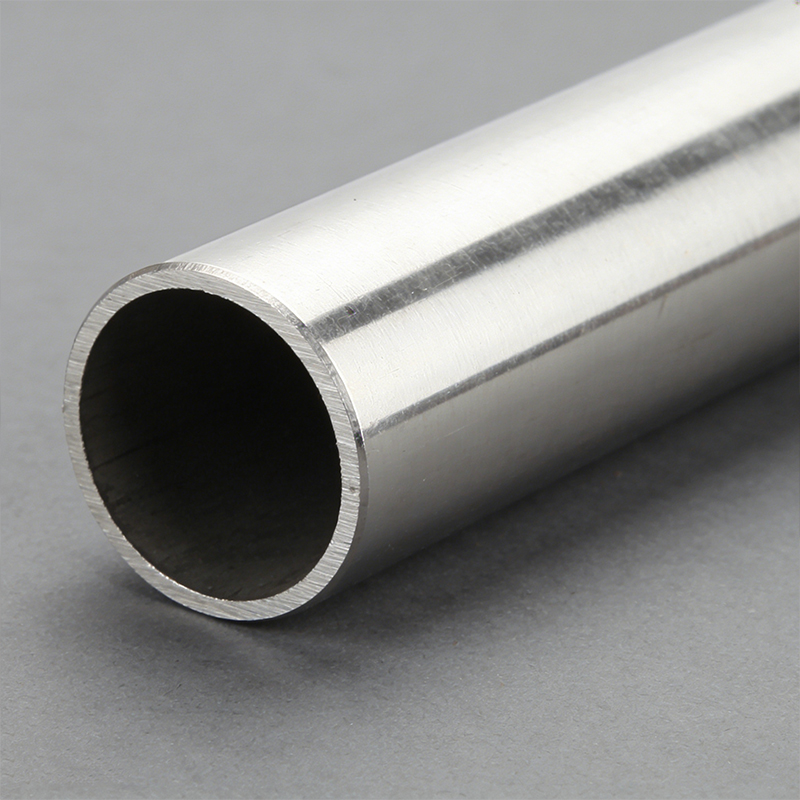
Nickel 201 pipe is a high-performance alloy known for its excellent corrosion resistance and versatility in various applications. As a B2B buyer, you may have concerns about selecting the right pipe for your specific project needs, understanding key specifications, sourcing reliable suppliers, and ensuring proper installation. This nickel silver tubing article aims to provide you with valuable insights into Nickel 201 pipe, helping you make informed purchasing decisions that meet your project requirements.
Our Products

When selecting Nickel 201 pipe

When selecting Nickel 201 pipe, consider the specific requirements of your project, including operating environment, temperature, and pressure conditions. Nickel 201 stands out due to its ability to resist corrosion in various environments, particularly in reducing media. It is essential to confirm that the pipe's dimensions and wall thickness align with your project's specifications. 

Furthermore, evaluate the intended application. For example, nickel 200 tubing in aerospace or nuclear power industries, where safety and reliability are paramount, selecting a pipe that meets stringent industry standards is crucial. Collaborating with a manufacturer that offers customizable options can ensure the pipe meets your distinct project criteria. 

Get a Free Quote

Our representative will contact you soon.
Email
Mobile
Name
Company Name
Message
0/1000

Related product categories

When purchasing Nickel 201 pipe

When purchasing Nickel 201 pipe, several specifications should be prioritized to ensure optimal performance: 

Dimensions: Confirm the nominal size, outer diameter, and wall thickness. These dimensions influence flow rates and pressure capabilities. It’s essential to match these specifications to your system requirements. 

Material Composition: Nickel 201 contains a high percentage of nickel (approximately 99%) and a small amount of copper, providing excellent resistance to oxidation and corrosion. Understanding the material properties can help you determine if it meets your application needs. 

Temperature Ratings: Nickel 201 performs well in temperatures up to approximately 600°F (316°C). Verify that these ratings align with your operational conditions, especially in high-temperature applications. 

Standards and Certifications: Ensure the pipe complies with relevant standards such as ASTM B161 and is produced under quality management systems like ISO9001 and AS9100. This nickel alloy tube can provide assurance of quality and reliability. 

Surface Finish: Depending on the application, you may need specific surface treatments. A smooth finish can help reduce friction in piping systems, while a specific roughness might be needed in other scenarios. 

Sourcing Nickel 201 pipe requires careful

Sourcing Nickel 201 pipe requires careful consideration of suppliers to ensure quality and reliability. Look for manufacturers like Jiangsu Boyue Alloy Materials Co., Ltd., which engages in extensive R&D and has a complete production chain from smelting to forging. 

When evaluating suppliers, consider the following: 

Certifications: Verify that the supplier has the necessary certifications (e.g., ISO9001, AS9100) that demonstrate their commitment to quality. 

Customization Capabilities: A manufacturer that offers customization can help you obtain pipes tailored to your specific requirements. 

Production Capacity: Ensure the supplier can handle your bulk order efficiently without compromising quality or lead times. 

Customer Reviews and Case Studies: Investigating past projects and customer feedback can provide insight into the supplier's reliability and product performance. 

Installing Nickel 201 pipe can present

Installing Nickel 201 pipe can present various challenges. Here are common issues and recommended solutions: 

Alignment and Fit: Misalignment can lead to stress points and leaks. Ensure that all pipes are properly aligned before welding or joining. Using alignment tools can simplify this process. 

Welding Compatibility: Nickel 201 is weldable, but it requires proper techniques and filler materials to avoid issues like cracking. It’s advisable to conduct a welding procedure qualification (WPQ) to ensure compatibility with your specific welding processes. 

Corrosion During Installation: Protect the pipe from exposure to moisture and corrosive substances during installation. Using temporary coatings can safeguard against corrosion until the system is operational. 

Thermal Expansion: Nickel alloys can undergo thermal expansion. Incorporating expansion joints in your piping system can accommodate movement and reduce stress on the joints. 

Pressure Testing: After installation, conduct hydrostatic testing to ensure the integrity of the system. This step can help identify leaks or weak points that need addressing before the system goes live. 

Nickel 201 pipe is widely used

Nickel 201 pipe is widely used across various industries due to its unique properties. Key applications include: 

Aerospace: Used in aircraft components where high strength and resistance to oxidation are critical. Nickel 201's ability to withstand extreme temperatures makes it suitable for gas turbine engines. 

Petroleum: Its corrosion resistance makes it ideal for oil and gas applications, particularly in environments with aggressive chemicals. 

Nuclear Power: Nickel 201 is often used in the construction of heat exchangers and other critical components due to its reliability in high-stress environments. 

New Energy: The material's properties support applications in renewable energy systems, such as wind turbines and solar power installations. 

Pressure Vessels: Nickel 201 is a preferred choice for pressure vessels due to its strength and resistance to corrosion, essential for maintaining safety and efficiency. 

Understanding these applications can help buyers determine if Nickel 201 pipe is suitable for their specific industry needs, facilitating informed purchasing decisions that align with project requirements.