Choosing Inconel 625 Filler Rod for Your Project

All Categories
Get a Quote

Get a Free Quote

Our representative will contact you soon.
Email
Mobile
Name
Company Name
Message
0/1000

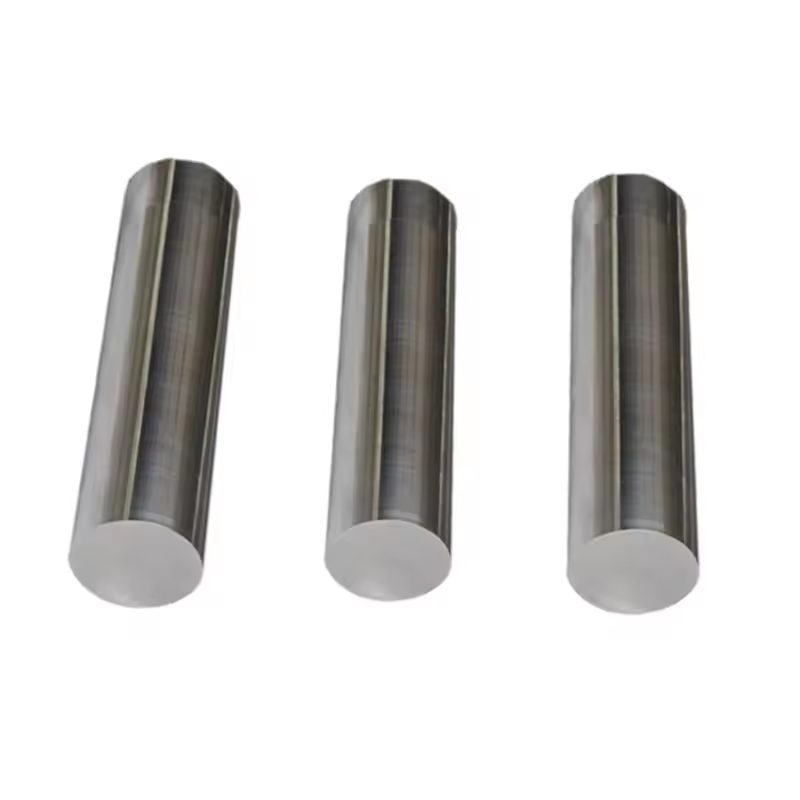
Inconel 625 filler rod

Inconel 625 filler rod is a high-performance welding material designed for applications demanding exceptional corrosion resistance and mechanical strength. With its nickel-chromium-molybdenum composition, it is particularly suitable for industries such as aerospace, petroleum, and nuclear power. As a B2B buyer, understanding the nuances of selecting the right filler rod is crucial for ensuring the success of your project. This article will guide you through critical factors to consider when choosing Inconel 625 filler rod, how to find reliable suppliers, key specifications to compare, quality evaluation methods, and installation guidance for different industries.
Our Products

What to Consider When Choosing Inconel 625 Filler Rod for Your Projec

Choosing the right Hastelloy involves several factors that can significantly affect the performance of your final product. First, consider the welding technique you will be using—TIG, MIG, or submerged arc welding—as each method may require specific rod diameters and compositions to achieve optimal results.

Next, assess the mechanical properties required for your application, such as tensile strength and ductility. Inconel 625 boasts impressive strength and fatigue resistance at both high and low temperatures, making it ideal for demanding environments.

Additionally, evaluate the chemical exposure your project may face. Inconel 625 is known for its resistance to pitting, crevice corrosion, and stress corrosion cracking, which is vital for applications in corrosive environments like chemical processing plants.

Lastly, consider the availability of customization options from your supplier, as specific applications may require tailored dimensions or additional material properties.

Get a Free Quote

Our representative will contact you soon.
Email
Mobile
Name
Company Name
Message
0/1000

Related product categories

Where to Find Reliable Suppliers for Inconel 625 Filler Rod

Finding a trustworthy supplier for Inconel 625 filler rod is essential for ensuring quality and consistency. Start by researching manufacturers with ISO certifications, such as ISO 9001 or AS9100, which indicate a commitment to quality management standards. Jiangsu Boyue Alloy Materials Co., Ltd., for example, is known for its comprehensive production chain and adherence to strict quality control processes.

Engage with industry forums and trade associations, as they can provide recommendations and reviews of reputable suppliers. Additionally, consider suppliers who offer a one-stop service, covering everything from R&D to manufacturing and sales, which can streamline your procurement process.

When evaluating potential suppliers, ask for references and case studies relevant to your industry. This will help you gauge their experience and reliability in meeting specific project requirements.

Comparing Inconel 625 Filler Rod Specifications for Optimal Use

When comparing Inconel 625 filler rods, focus on key specifications that will impact their performance in your application. The diameter of the filler rod is crucial; common sizes range from 0.045 inches to 1/8 inch, and selecting the appropriate diameter ensures efficient deposition rates and weld bead appearance.

Pay attention to the chemical composition as well. Inconel 625 typically contains around 58% nickel, 20% chromium, and 9% molybdenum, but variations may exist. Confirm the exact composition from your supplier to ensure compatibility with your base materials.

Another important specification is the welding current and voltage requirements for different rod diameters. Ensure that your equipment can deliver the necessary parameters for the selected rod to achieve optimal weld penetration and bead shape.

Lastly, inquire about the manufacturer’s testing and certification processes, as these can provide insights into the filler rod's performance in real-world applications.

Evaluating the Quality of Inconel 625 Filler Rod for Your Applications

Quality control is paramount when sourcing Steel Types. Begin by reviewing the manufacturer's quality management certifications, such as PED and API, which indicate compliance with industry standards.

Next, request samples for pre-production testing. This allows you to assess the filler rod's performance under actual operating conditions, helping to identify any potential issues before mass production begins. Pay close attention to the rod's appearance—any signs of oxidation or contamination could affect weld quality.

It is also wise to verify the mechanical properties through independent testing. Look for reports on tensile strength, elongation, and impact toughness to ensure the filler rod meets your specific project requirements.

Lastly, ask about the supplier's traceability system. This is crucial for industries such as aerospace and nuclear power, where detailed records ensure compliance with safety and quality regulations.

Installation Guidance for Inconel 625 Filler Rod in Various Industries

Proper installation of Inconel 625 filler rods is critical for achieving strong and reliable welds. Begin by preparing the base materials; ensure they are clean and free from contaminants such as oil, rust, or moisture. For optimal adhesion, preheat the base materials if required, particularly in applications exposed to extreme temperatures.

When using the filler rod, maintain the appropriate welding technique and settings as per your selected method—whether it’s TIG, MIG, or another technique. Monitor the heat input to avoid overheating the material, which could lead to undesirable changes in microstructure.

For applications in high-stress environments, it’s essential to allow adequate cooling time post-welding to prevent cracking. This is particularly relevant in industries like aerospace and nuclear power where structural integrity is paramount.

Finally, conduct a thorough inspection of the welds for any signs of defects or inconsistencies. Non-destructive testing methods, such as ultrasonic testing or dye penetrant inspection, can provide insights into the quality of the welds and ensure they meet the required standards for your application.

By understanding these key aspects, you can make informed decisions about sourcing and utilizing Inconel, ensuring the success of your projects in demanding industrial environments.