 EN

Hastelloy C276 plates are high-performance nickel-chromium-molybdenum alloys known for their exceptional resistance to corrosion and oxidation in harsh environments. For B2B buyers, particularly those in industries such as aerospace, petroleum, and nuclear power, sourcing these materials can be critical to ensuring the longevity and reliability of their applications. This article will guide you through key considerations when sourcing Hastelloy C276 plates, their specifications, where to find reliable suppliers, their applications, and the advantages they offer for your projects.
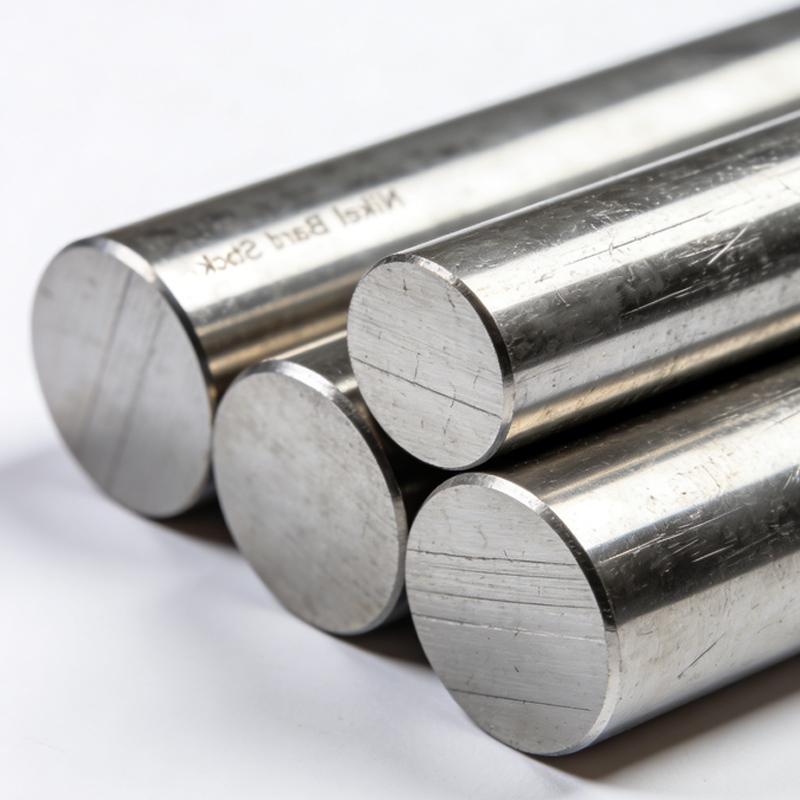
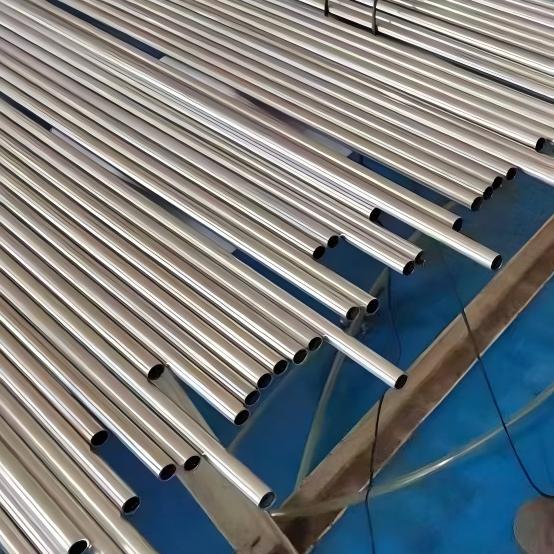
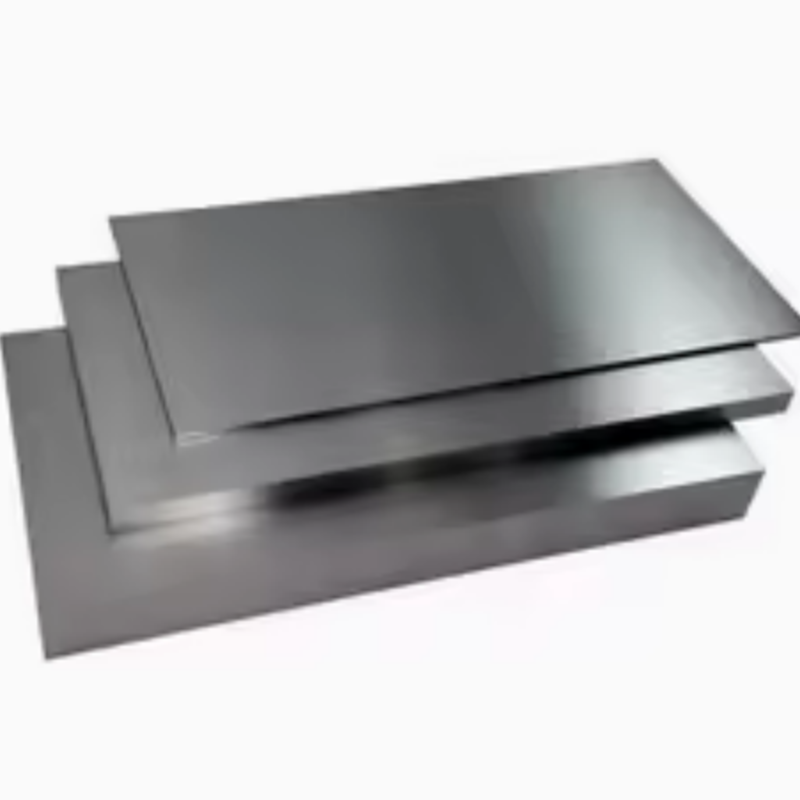
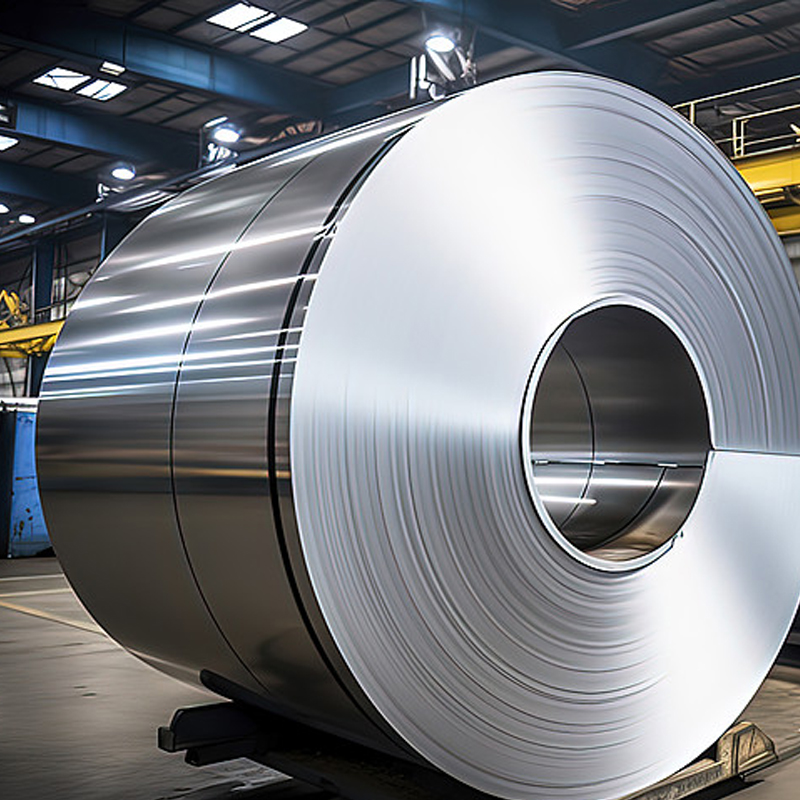
Key Specifications of Hastelloy C276 Plates for Industrial Use
Hastelloy C276 plates are characterized by their unique composition and mechanical properties. Key specifications to consider include:
Thickness: Depending on the application, thickness can range from a few millimeters to several centimeters. A thicker plate may offer enhanced durability in high-stress environments but could also affect weight and cost.
Width and Length: These dimensions should be specified based on the intended application. Custom sizes may be available, but they could influence lead times.
Chemical Composition: The alloy typically contains 57% nickel, 16% chromium, and 15% molybdenum. Understanding the precise chemical makeup is essential, as it directly impacts corrosion resistance and mechanical strength.
Pay attention to mechanical properties such as yield strength and tensile strength, as these determine how well the plates will perform under stress. For critical applications, it may be beneficial to request material certificates that validate these properties.