Choosing Copper Nickel TIG Rod for Your Projects

All Categories
Get a Quote

Get a Free Quote

Our representative will contact you soon.
Email
Mobile
Name
Company Name
Message
0/1000

Copper nickel tig rod

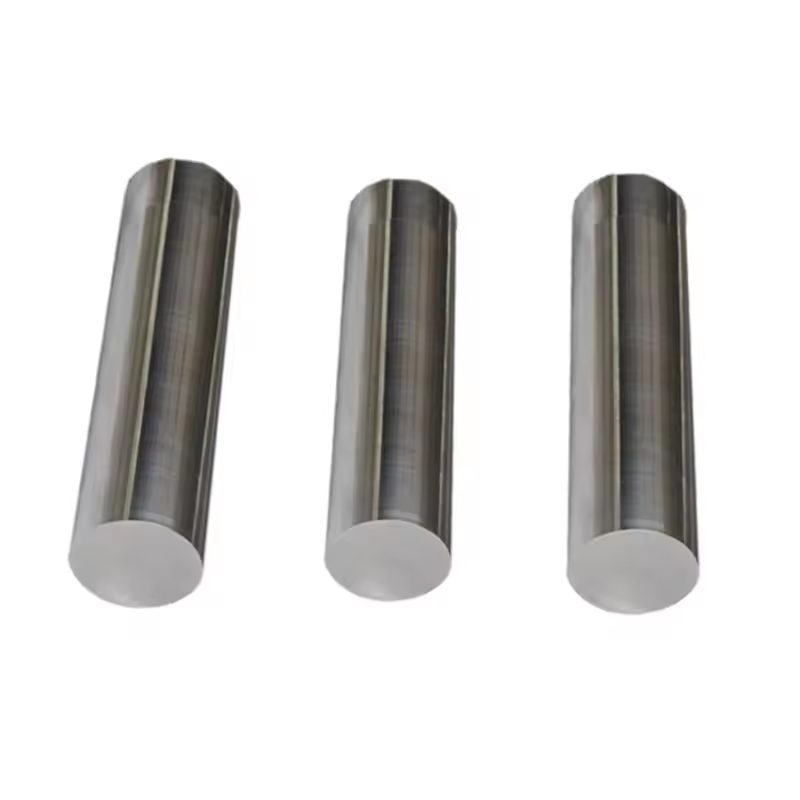
Copper nickel TIG rods are specialized welding consumables used in various industries where corrosion resistance and mechanical strength are critical. As a B2B buyer, understanding the specifications, applications, and supplier reliability of Hastelloy is essential for making informed purchasing decisions. This article will guide you through the key considerations for selecting copper nickel TIG rods, identifying reliable suppliers, evaluating costs and benefits, addressing common installation challenges, and exploring their applications across different industries.
Our Products

Evaluating the Quality of Copper Nickel TIG Rod Suppliers

When selecting copper nickel TIG rods, several factors should be considered to ensure they meet your project's specific requirements. The primary considerations include:

Material Composition: Copper nickel TIG rods typically contain varying percentages of copper and nickel, with common ratios being 90/10 (90% copper, 10% nickel) or 70/30. The choice of composition affects corrosion resistance, strength, and weldability. For instance, a 90/10 rod is often chosen for marine applications due to its excellent resistance to seawater corrosion.

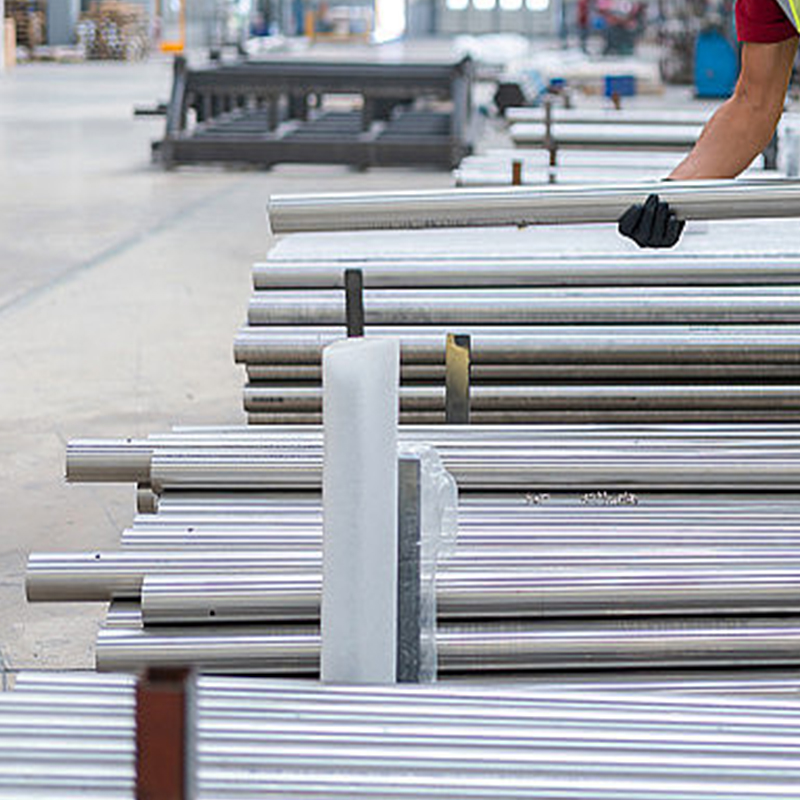
Diameter and Length: The diameter of the rod affects the heat input and penetration during welding. Smaller diameters are suitable for thin materials, while larger diameters are better for thicker sections. Typically, the rods come in lengths of 36 inches or more, but customization may be necessary for specific applications.

Certification and Compliance: Ensure that the rods comply with relevant industry standards such as ISO 9001 or API. This guarantees the quality and reliability of the materials used, vital for critical applications in aerospace or nuclear power.

Welding Parameters: Assess the required welding parameters, including amperage and voltage settings, as these can vary based on the rod type and application. Proper settings will help achieve strong, defect-free welds.

Supplier Expertise: Look for suppliers with experience in manufacturing copper nickel alloys. A knowledgeable supplier can provide valuable insights on product selection, customization options, and compliance with industry standards.

Get a Free Quote

Our representative will contact you soon.
Email
Mobile
Name
Company Name
Message
0/1000

Related product categories

Cost Factors for Wholesale Copper Nickel TIG Rod Purchases

Finding reliable suppliers for copper nickel TIG rods involves thorough research and evaluation. Here are some tips:

Industry Associations and Trade Shows: Attend industry-specific trade shows or join associations related to welding and materials. These platforms provide networking opportunities with reputable suppliers.

Online Directories: Utilize B2B platforms and directories such as ThomasNet or Alibaba to search for qualified manufacturers. Look for suppliers with positive reviews and a strong online presence.

Manufacturer Certifications: Verify that the suppliers have relevant certifications, such as ISO 9001 or AS9100, which indicate adherence to quality management standards.

Request Samples: Before committing to a large order, request samples to assess the quality and compatibility of the rods with your welding processes. This step can help prevent issues during mass production.

Customer References: Ask for references from previous clients to understand their experiences with the supplier's products and services. This can provide insights into the supplier's reliability and customer support.

Common Installation Issues with Copper Nickel TIG Rod and Solutions

The cost of copper nickel TIG rods can vary based on factors such as material composition, diameter, and supplier pricing strategies. Here’s a breakdown of cost considerations and benefits:

Material Costs: The price of copper and nickel fluctuates in the market, affecting the overall cost. Higher nickel content typically results in a higher price but also enhances corrosion resistance and strength.

Long-Term Savings: While the initial cost of Steel Types may be higher than other materials, their durability and resistance to corrosion can lead to significant long-term savings. This is particularly relevant in applications exposed to harsh environments, reducing the need for frequent repairs or replacements.

Customization Costs: If your project requires specialized rod dimensions or compositions, be prepared for additional costs. Customization may involve longer lead times and minimum order quantities, so factor these into your budget.

Total Cost of Ownership: Evaluate the total cost of ownership, including installation and maintenance. A more expensive rod that offers superior performance may ultimately save money by reducing downtime and maintenance costs.

Where to Source Reliable Copper Nickel TIG Rod Suppliers

Installing copper nickel TIG rods presents unique challenges that can impact the quality of the weld and the overall project timeline. Here are common challenges and solutions:

Welding Technique: Achieving the correct welding technique is crucial. Inadequate heat input can result in poor fusion, while excessive heat can cause distortion or burn-through. Proper training and understanding of welding parameters are essential to ensure successful installation.

Base Material Compatibility: Copper nickel rods must be compatible with the base materials being welded. Conducting pre-weld tests can help determine the correct filler metal and technique to use. If in doubt, consult with the supplier for recommendations on compatible base materials.

Porosity Issues: Copper nickel welds can be prone to porosity if not properly shielded during welding. Ensure that the shielding gas is appropriate for the application and that the welding environment is free from contaminants that could introduce defects.

Post-Weld Treatment: After welding, proper post-weld treatment, such as heat treatment or cleaning, is necessary to enhance corrosion resistance and mechanical properties. Discuss these requirements with your supplier to ensure that they align with your project specifications.

Comparing Copper Nickel TIG Rod to Other Welding Materials

Copper nickel TIG rods are widely used in various industries due to their excellent mechanical properties and corrosion resistance. Key applications include:

Marine Industry: Their resistance to seawater corrosion makes copper nickel rods ideal for shipbuilding, offshore structures, and marine equipment.

Aerospace: In aerospace applications, where weight and strength are critical, copper nickel alloys offer the necessary properties for components exposed to harsh environments.

Petroleum and Gas: The oil and gas industry utilizes copper nickel rods for pipelines and offshore platforms, where resistance to corrosive environments is essential.

Power Generation: In nuclear and renewable energy sectors, these rods are used for components that require high strength and resistance to extreme conditions.

Chemical Processing: Copper nickel TIG rods are also valuable in chemical processing applications, where exposure to aggressive chemicals demands materials that can withstand corrosion and maintain integrity over time.

Understanding these applications can help buyers evaluate how copper nickel TIG rods fit into their specific projects and industries, ultimately guiding them toward more informed purchasing decisions.