 EN

Understanding the nuances of sourcing a C276 tube is crucial for professionals in industries such as aerospace, petroleum, and nuclear power. This high-performance nickel alloy tube is known for its exceptional corrosion resistance and high-temperature strength, making it a preferred choice for various demanding applications. Buyers often face concerns about material quality, specifications, and supplier reliability. This article aims to address these concerns, guiding you through the key aspects of sourcing C276 tubes effectively
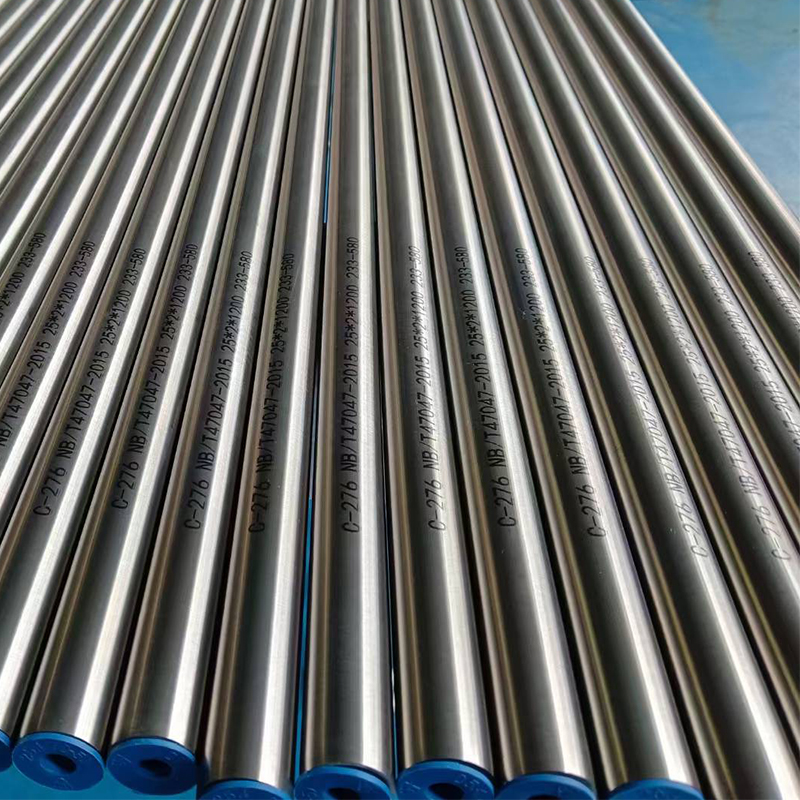
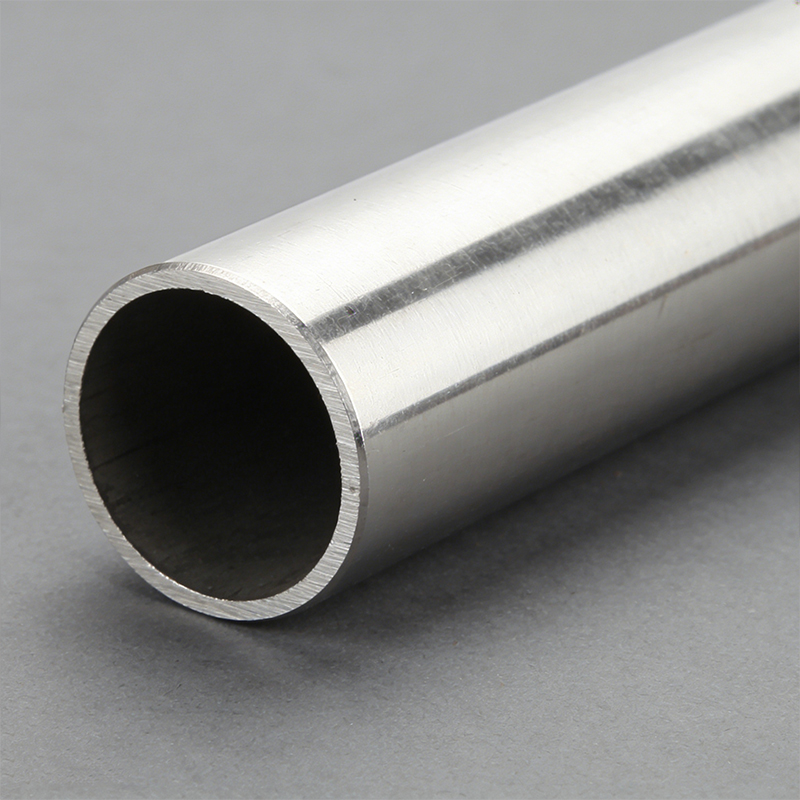
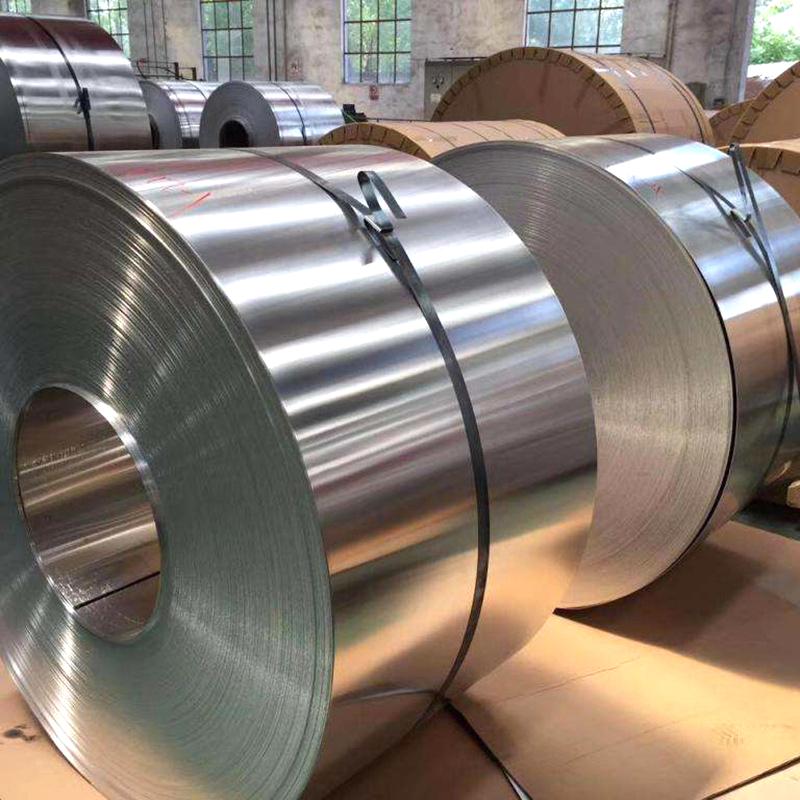
Key Specifications of C276 Tube for Industrial Applications
Understanding the specifications of C276 tubes is vital for ensuring they meet your project requirements. Here are the key parameters to consider
Material Composition: C276 alloy typically contains nickel, molybdenum, and chromium, which contribute to its exceptional resistance to pitting and stress corrosion cracking. Each element plays a role in enhancing performance, so verify the exact composition with your supplier
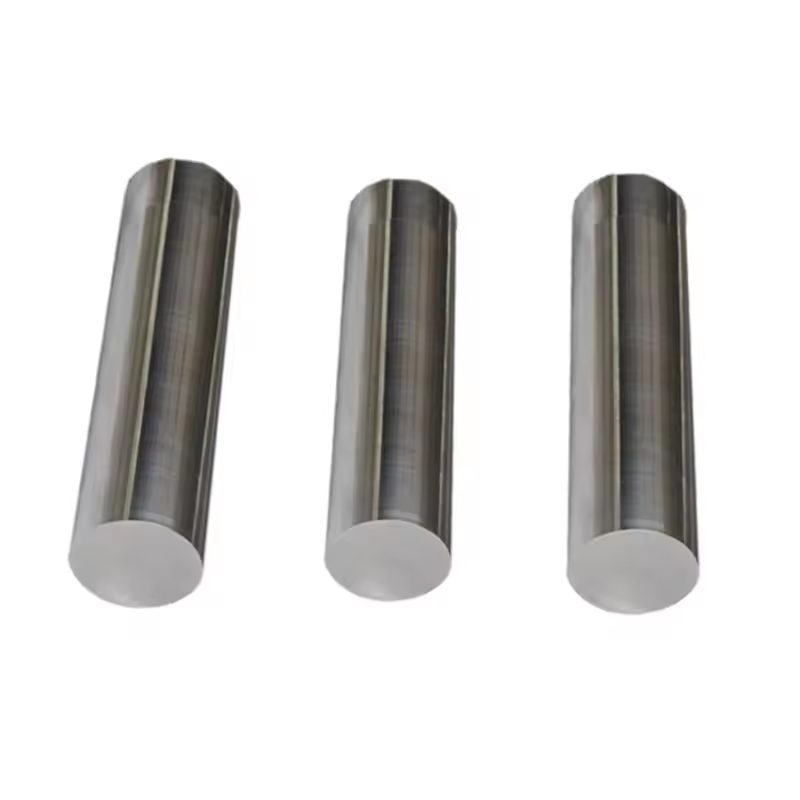
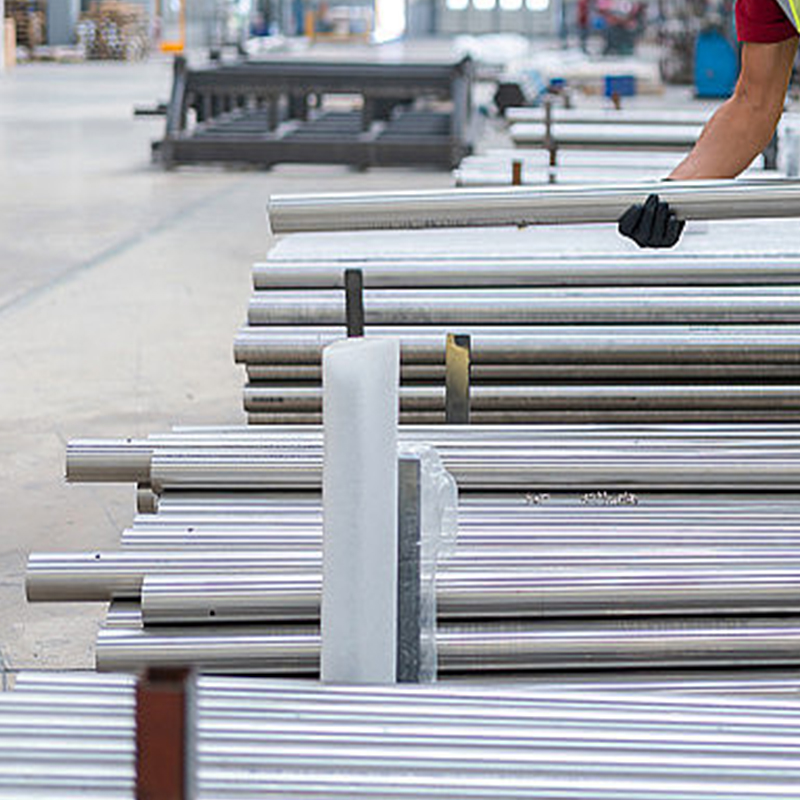
Dimensions: The diameter, wall thickness, and length of the tubes must be aligned with your design requirements. These dimensions affect not only the flow rates in piping systems but also the structural integrity under operational stresses
Temperature and Pressure Ratings: C276 tubes are suitable for high-temperature applications, often exceeding 1000°F (537°C). Ensure that the ratings match your application’s needs, as using tubes outside their specified limits can lead to failure
Surface Finishing: The surface finish can influence the tube's performance in corrosive environments. Discuss finish requirements, such as pickling or passivation, with your supplier to ensure compatibility with your intended use