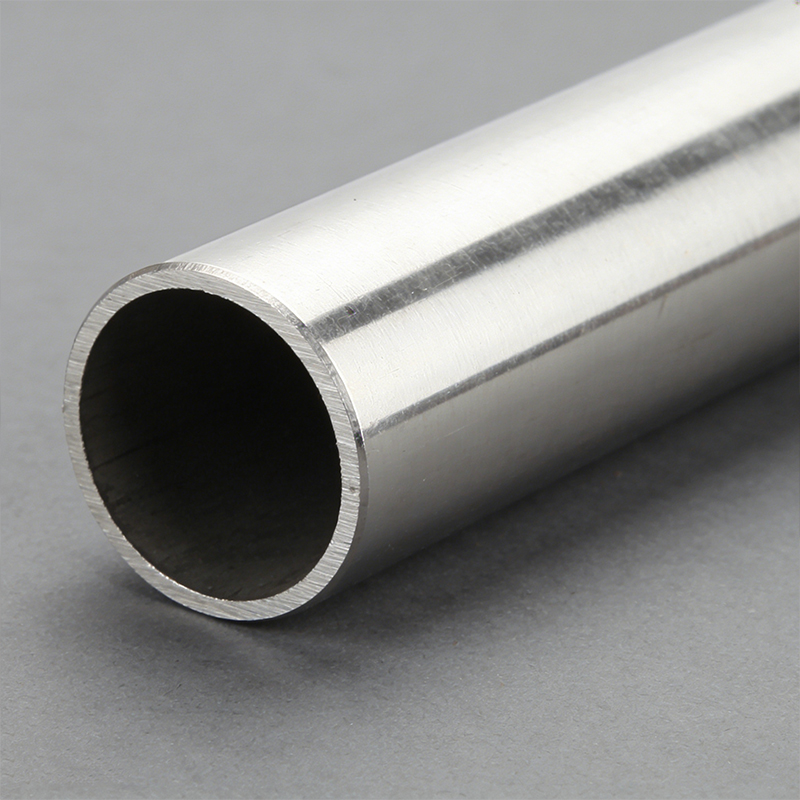
CUNI Pipe: Specifications, Suppliers, and Solutions

All Categories
Get a Quote

Get a Free Quote

Our representative will contact you soon.
Email
Mobile
Name
Company Name
Message
0/1000

Cuni pipe

CUNI pipes, made from copper-nickel alloy, are essential for various industrial applications due to their excellent corrosion resistance and mechanical properties. For B2B buyers, understanding the specifications, sourcing options, installation guidelines, common issues, and cost factors is crucial when selecting the right tube cupro nickel for specific applications. This article will provide detailed insights tailored for purchasing managers, engineers, and other professionals involved in procurement and project planning for industries such as aerospace, petroleum, and nuclear power.
Our Products

Key Specifications

When evaluating CUNI pipes, several key specifications must be considered to ensure their suitability for your application.

Material Composition: CUNI pipes typically consist of copper and nickel, with common alloys including 90/10 and 70/30 copper-nickel compositions. The choice of alloy affects corrosion resistance, strength, and thermal conductivity. For instance, the 90/10 alloy is well-suited for seawater applications due to its superior resistance to biofouling and corrosion. 

Dimensions: Standard sizes for CUNI pipes can vary, but common diameters range from 1/2 inch to several inches, with wall thicknesses tailored to meet specific pressure requirements. Buyers should confirm the dimensions needed for their installation, as improper sizing can lead to installation difficulties and performance issues. 

Pressure Ratings: CUNI pipes are often rated for specific pressure applications, which is critical in industries like nuclear power and oil and gas. Understanding the pressure requirements of your system will help ensure that the selected pipe can handle operational stresses without risk of failure. 

Certification Standards: Look for pipes that comply with relevant industry standards, such as ISO9001 and API certifications. These certifications indicate that the manufacturer adheres to strict quality control processes and meets the necessary regulations for safety and performance. 

Surface Finish: The surface finish of the pipes can impact their performance in certain environments. A smooth finish can reduce friction in fluid flow applications, while a rougher finish may be beneficial in applications where enhanced adhesion or specific mechanical properties are required.

Get a Free Quote

Our representative will contact you soon.
Email
Mobile
Name
Company Name
Message
0/1000

Related product categories

Where to Find Reliable Suppliers of CUNI Pipes in Bulk

Finding a reliable supplier for bulk Boyue CUNI pipes involves thorough research and consideration of various factors. Here are some strategies to identify trustworthy manufacturers: 

Industry Directories: Utilize industry-specific directories and trade associations to find manufacturers specializing in alloy materials. These platforms often feature reviews and ratings from other businesses, providing insight into supplier reliability. 

Trade Shows and Expos: Attending industry trade shows allows for direct interaction with manufacturers, giving buyers the opportunity to assess product quality firsthand and discuss specific needs with experts. 

Online Marketplaces: Websites that focus on B2B transactions can connect buyers with various suppliers. However, it is essential to verify the supplier’s credibility through reviews, certifications, and their history in the industry. 

Request for Proposals (RFPs): Issuing RFPs to multiple suppliers allows buyers to compare offers comprehensively, including pricing, lead times, and customization options. This process can help identify the best fit for your specific needs. 

References and Case Studies: Ask potential suppliers for references or case studies of past projects that demonstrate their capability to deliver quality products in your required specifications. This can help assess their experience in similar applications.

Installation Guidelines for CUNI Pipes in Industrial Applications

Proper installation of CUNI pipes is crucial to maximizing their performance and lifespan. Here are some key guidelines to follow: 

Preparation: Before installation, inspect the pipes for any visible damage and verify that they meet the specifications outlined in the purchase order. This includes checking dimensions, pressure ratings, and certifications. 

Cutting and Fitting: When cutting CUNI pipes, use appropriate tools to ensure clean cuts, which can prevent stress concentrations that may lead to leaks or failures. It is advisable to use a pipe cutter rather than a hacksaw to maintain a uniform edge and avoid burrs. 

Joining Methods: CUNI pipes can be joined using various methods, including welding, brazing, and mechanical fittings. Each method has its advantages and should be chosen based on the application requirements, available tools, and expertise. For instance, welding typically provides a stronger joint but requires skilled labor. 

Support and Spacing: Ensure that pipes are adequately supported to prevent sagging or bending, which can lead to stress and eventual failure. Proper spacing between supports is essential, especially for longer runs of piping. 

Testing: After installation, conduct pressure tests to confirm the integrity of the system and ensure there are no leaks. This step is critical in high-pressure applications where failure could lead to severe safety hazards.

Common Problems with CUNI Pipes and Effective Solutions

While CUNI pipes are known for their durability, several common issues may arise during their use. Here are some problems and solutions: 

Corrosion: Despite their corrosion resistance, Boyue nickel base can still be susceptible to certain types of corrosion, particularly in aggressive environments. Regular inspections and employing protective coatings or cathodic protection can help mitigate this risk. 

Stress Cracking: Improper installation techniques, such as inadequate support or excessive bending, can lead to stress cracking. Ensuring proper installation and adhering to manufacturer guidelines on bending and support can prevent this issue. 

Scaling and Fouling: In applications involving seawater or other fluids, scaling can occur. Regular maintenance and cleaning schedules are essential to prevent buildup that can impede flow and reduce efficiency. 

Welding Issues: If welding is required, problems such as porosity or incomplete fusion can occur. Using experienced welders familiar with CUNI materials and ensuring proper welding procedures are followed can minimize these risks.

Understanding the Cost Factors of CUNI Pipes for Wholesale Buyers

When assessing the costs associated with Boyue CUNI pipes, several factors come into play that can impact pricing: 

Material Costs: The price of copper and nickel fluctuates based on market demand and availability. Buyers should keep an eye on commodity prices, as they can significantly influence the overall cost of copper nickel tube. 

Manufacturing Complexity: More complex specifications, such as custom sizes or additional treatments, can increase production costs. It's essential for buyers to clearly communicate their needs to receive accurate quotes. 

Order Quantities: Bulk orders often come with discounts, so understanding the minimum order quantities (MOQ) and negotiating pricing based on larger purchases can be beneficial. 

Lead Times: Shorter lead times may come at a premium. Buyers should balance their urgency with budget constraints when requesting orders. 

Shipping and Handling: Depending on the destination and the size of the order, shipping costs can add significantly to the total expense. It is advisable to discuss shipping options with suppliers to find the most cost-effective solutions. 

Quality Assurance: Investing in quality assurance processes, such as third-party inspections or certifications, may incur additional costs but can prevent costly failures down the line. 

By understanding these cost factors, buyers can make informed decisions that align their procurement strategies with their budget and operational needs.