 EN

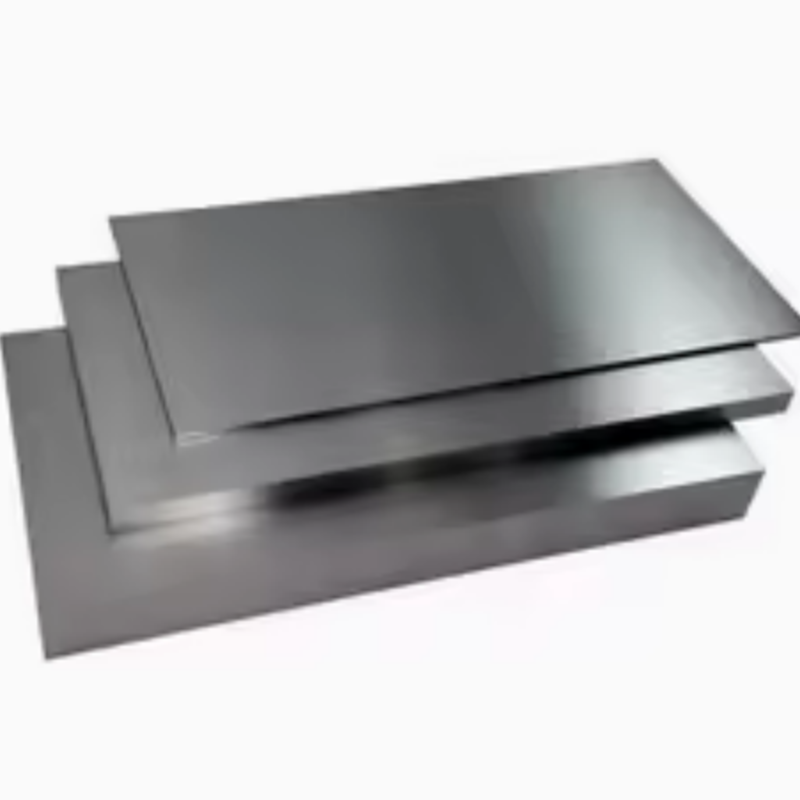
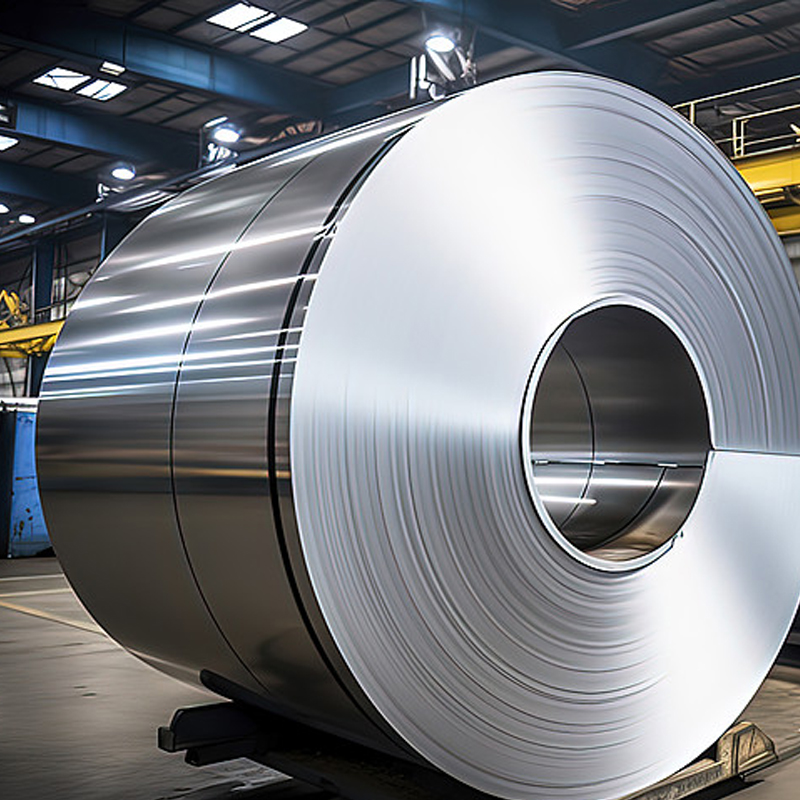
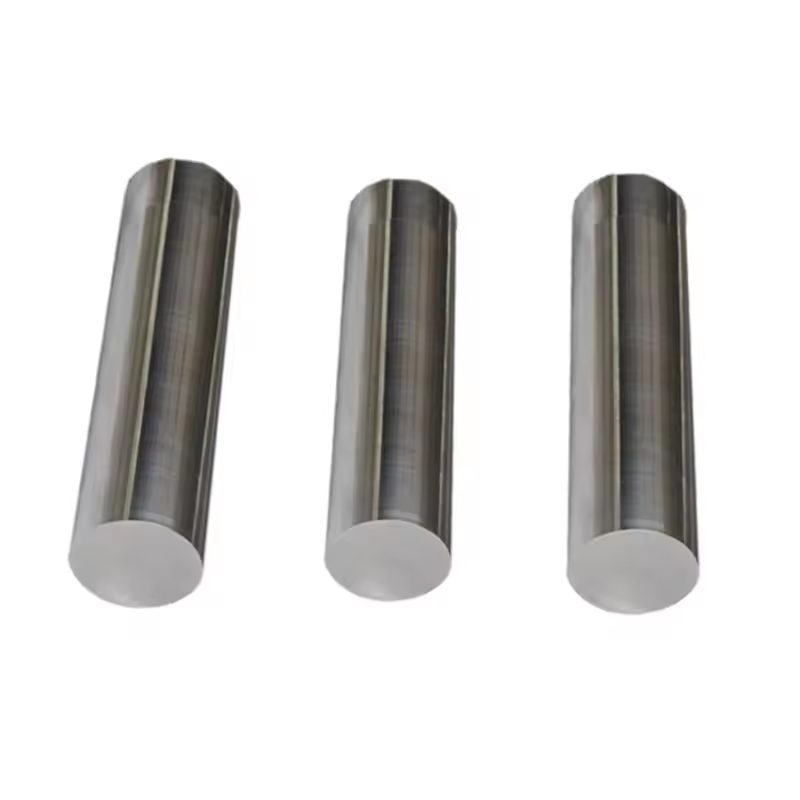
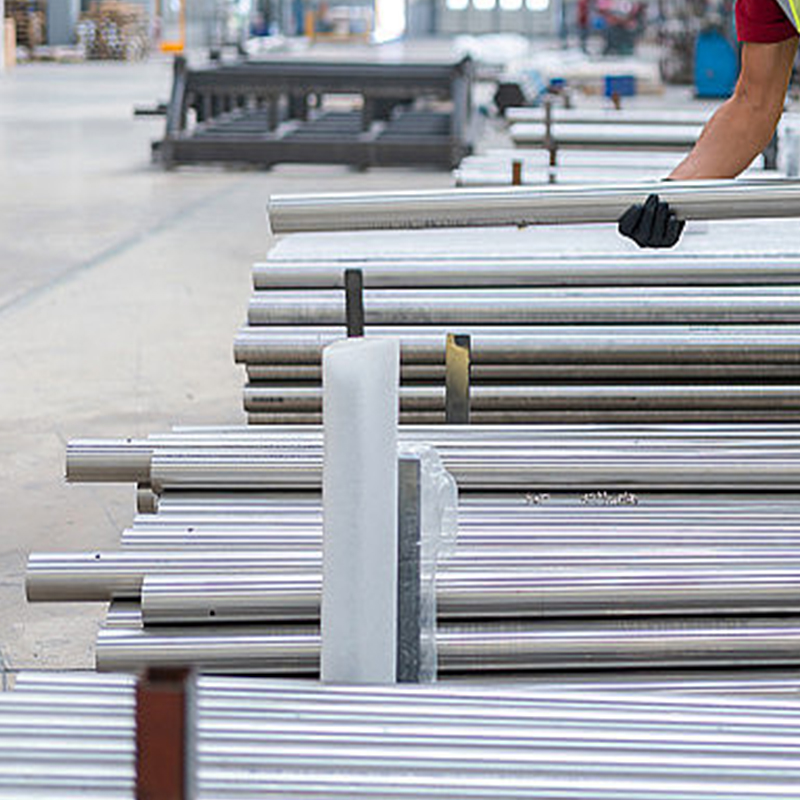
Inconel 725 is a high-performance nickel-chromium alloy known for its exceptional resistance to high-temperature oxidation and corrosion. As a B2B buyer in industries like aerospace, petroleum, or nuclear power, sourcing reliable Inconel 725 is crucial for ensuring the integrity and performance of your applications. This article addresses key considerations for purchasing Inconel 725, focusing on sourcing, cost factors, installation challenges, industry advantages, and comparisons with other nickel alloys. By understanding these elements, you'll be better equipped to make informed purchasing decisions
Cost Factors to Consider When Buying Inconel 725 Alloys
The cost of Inconel 725 can vary significantly based on several factors, including material specifications, quantity, and supplier pricing strategies. Key elements affecting the price include
Material Composition: Inconel 725 has a unique alloy composition, which can influence manufacturing costs. Variations in nickel and chromium content may lead to price fluctuations
Quantity Ordered: Larger orders often qualify for discounts, but be mindful of your inventory needs and storage capacities
Production Processes: Different suppliers may employ various smelting and forging techniques, affecting production efficiency and cost. It's advisable to understand how these processes impact both pricing and quality
Customization Requirements: If your application requires specific dimensions or surface treatments, these customization needs can add to the overall cost. Always clarify these requirements upfront to avoid unexpected expenses
Market Trends: Keep an eye on the global nickel market, as prices can be volatile. Staying informed about market trends can help you time your purchases effectively