Choosing the Right Hastelloy C-4 for Your Project

All Categories
Get a Quote

Get a Free Quote

Our representative will contact you soon.
Email
Mobile
Name
Company Name
Message
0/1000

Hastelloy C-4

Hastelloy C-4 is a high-performance nickel alloy known for its exceptional resistance to corrosion and high-temperature strength, making it a preferred choice in demanding applications across various industries. For B2B buyers, understanding how to select the right Hastelloy C-4, its specifications, and cost factors is crucial for successful procurement. This article will guide purchasing managers, engineers, and product managers through the essential aspects of Hastelloy C‑4, helping them make informed decisions that meet their project needs. Boyue provides Hastelloy and other nickel alloy materials for industrial applications, offering options that B2B buyers can evaluate based on alloy specifications, dimensions, required forms, application conditions, and procurement requirements. When sourcing Hastelloy C-4 from Boyue, buyers can consider factors such as material grade, chemical composition, mechanical properties, corrosion resistance, applicable standards, surface condition, and customization requirements to ensure the material is suitable for their projects.

Our Products

How to Choose the Right Hastelloy C-4 for Your Project Needs

When selecting Hastelloy C-4 for your project, several factors should be considered. First, evaluate the specific environmental conditions the material will face, including temperature ranges and exposure to corrosive substances. Hastelloy C-4 is particularly well-suited for applications in the chemical processing, aerospace, and nuclear power industries due to its outstanding resistance to pitting and stress corrosion cracking

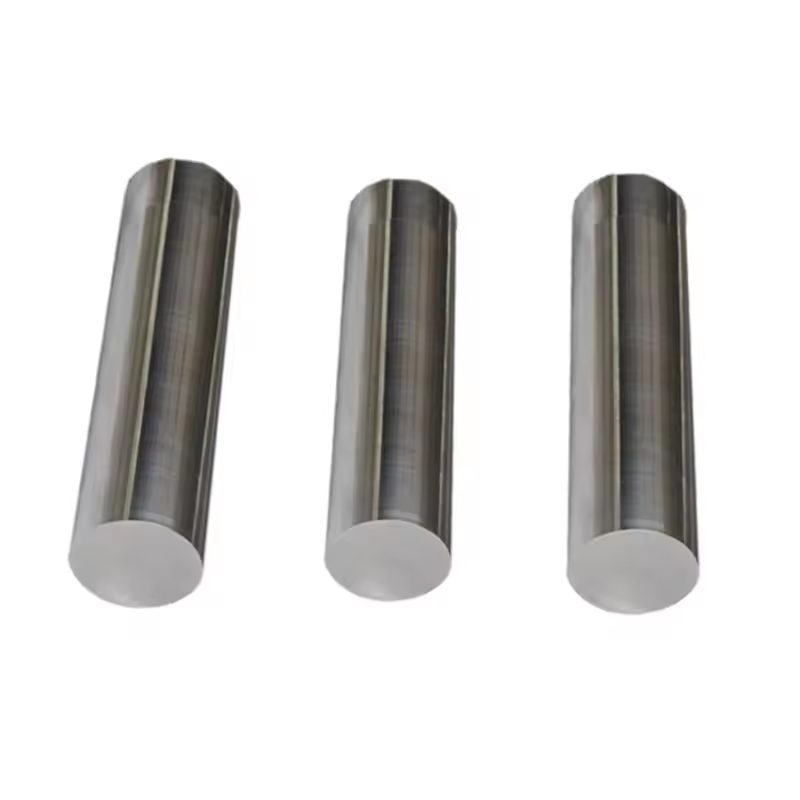
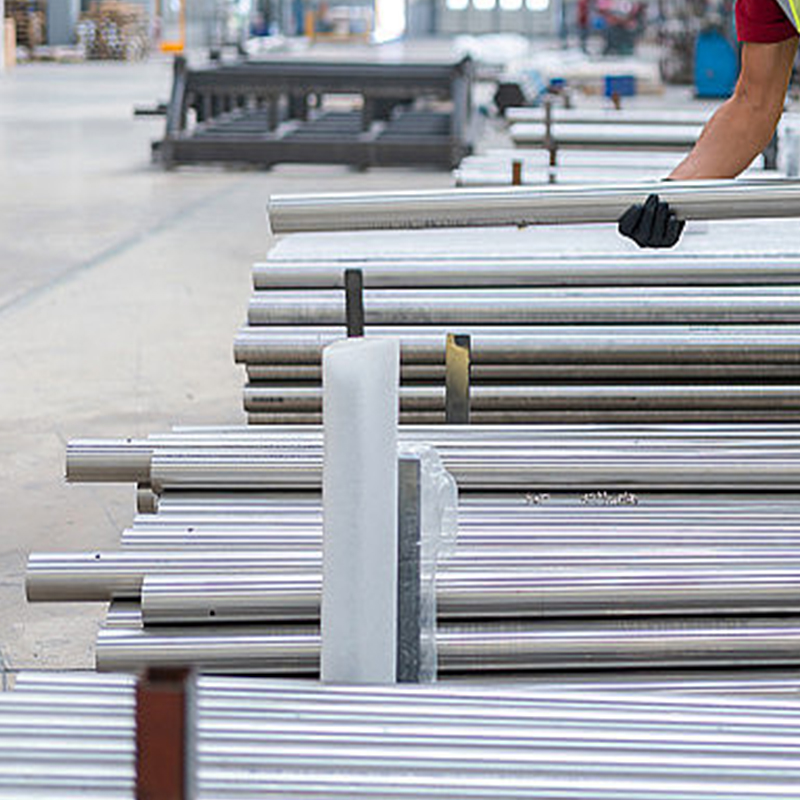
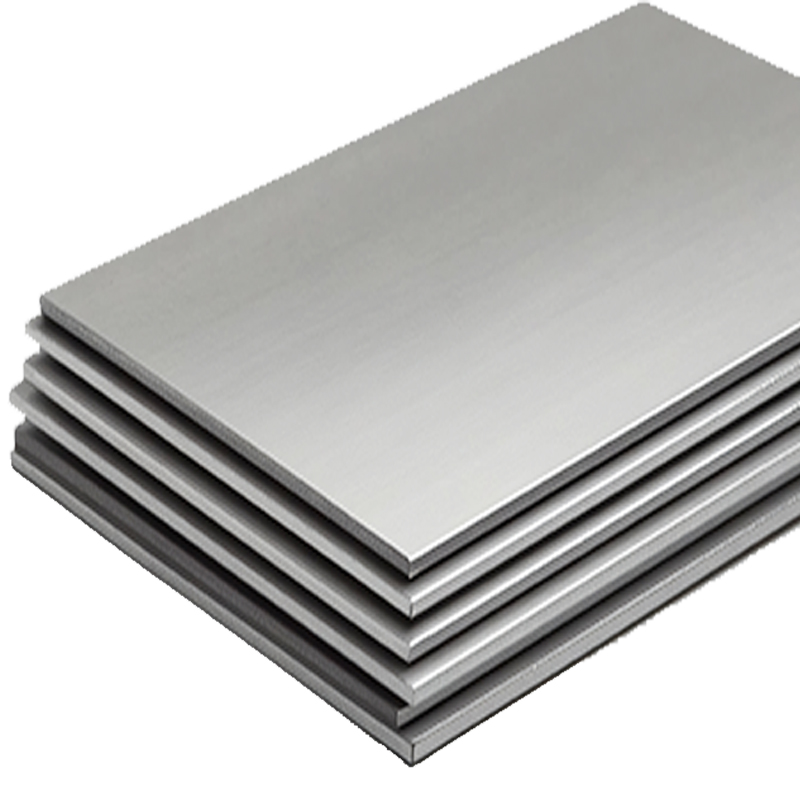
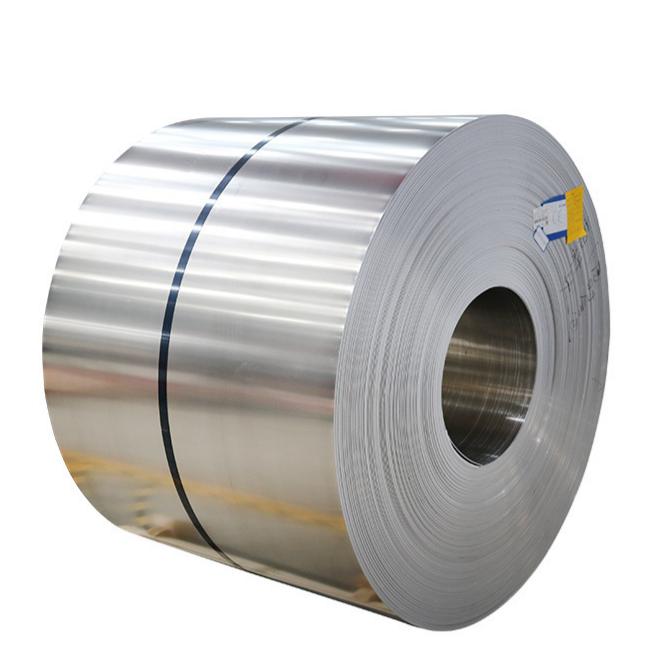
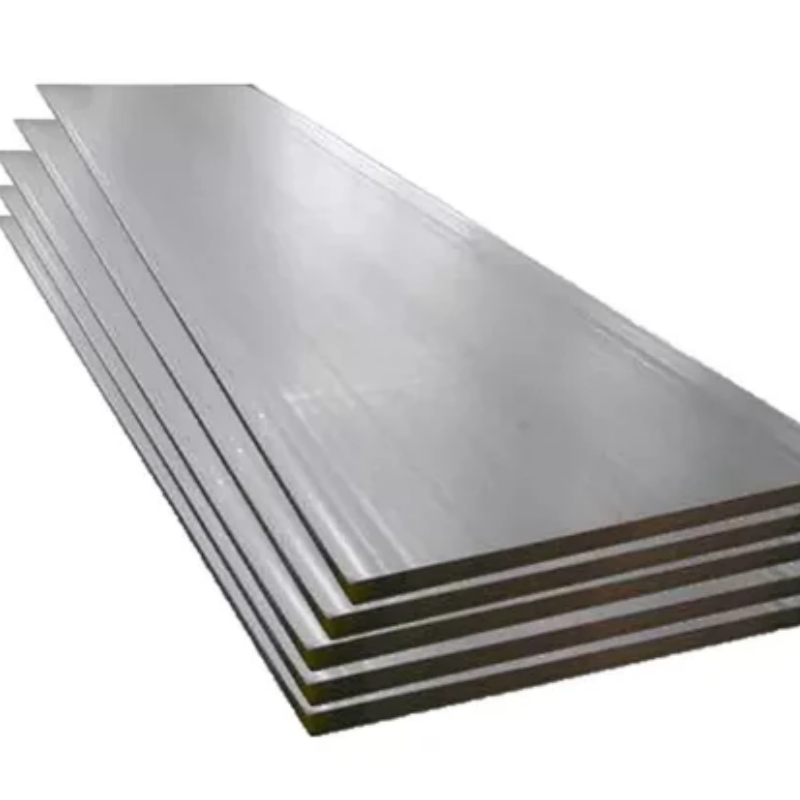
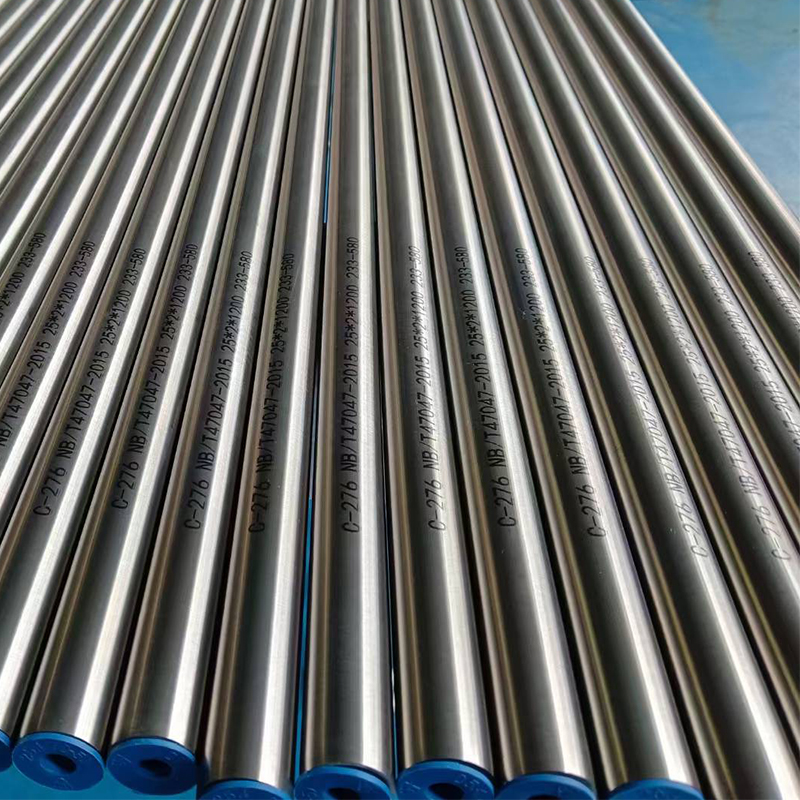
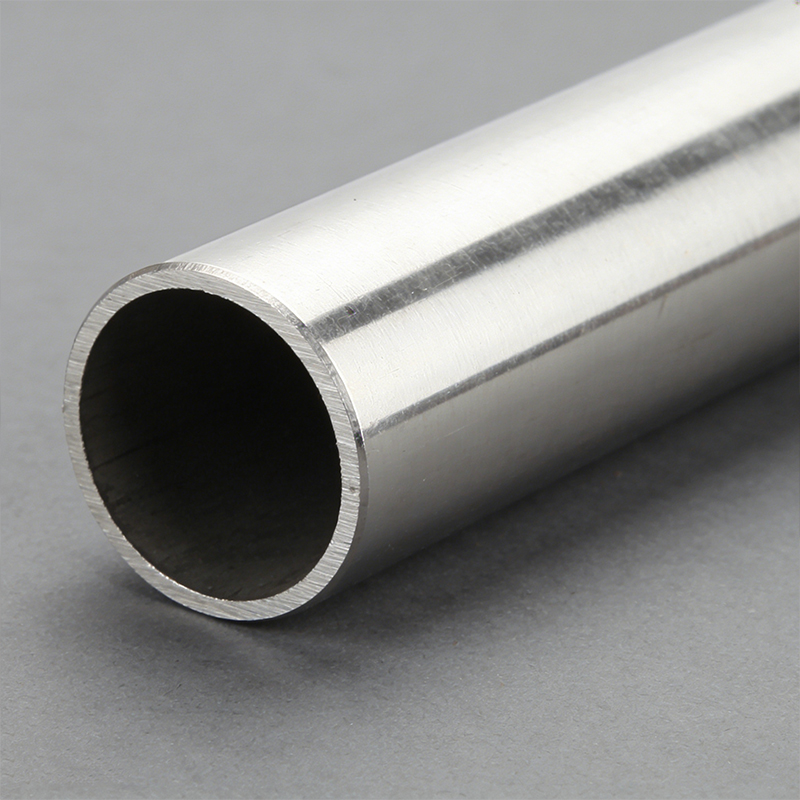
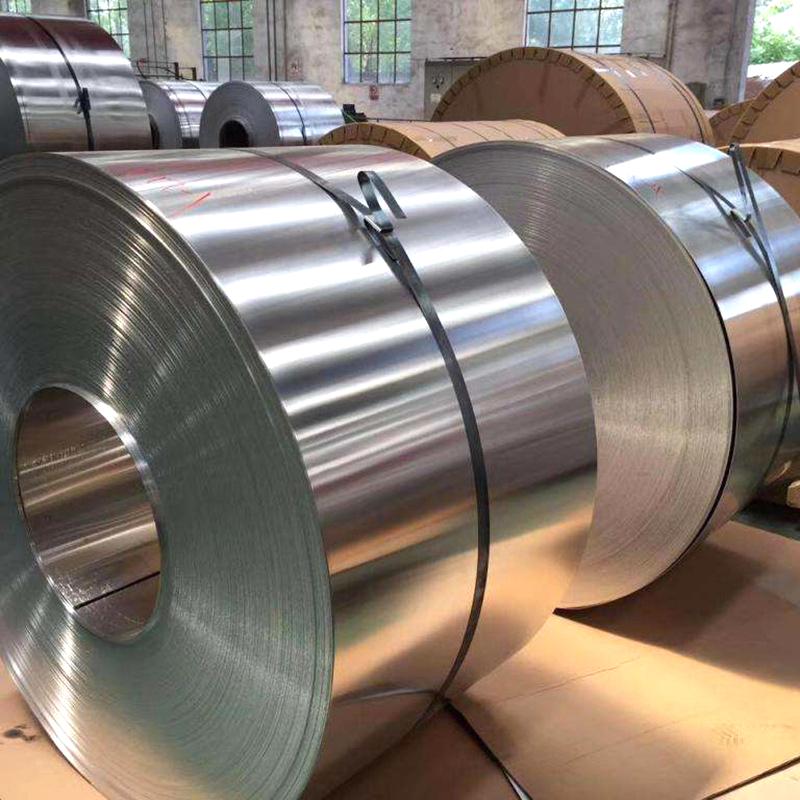
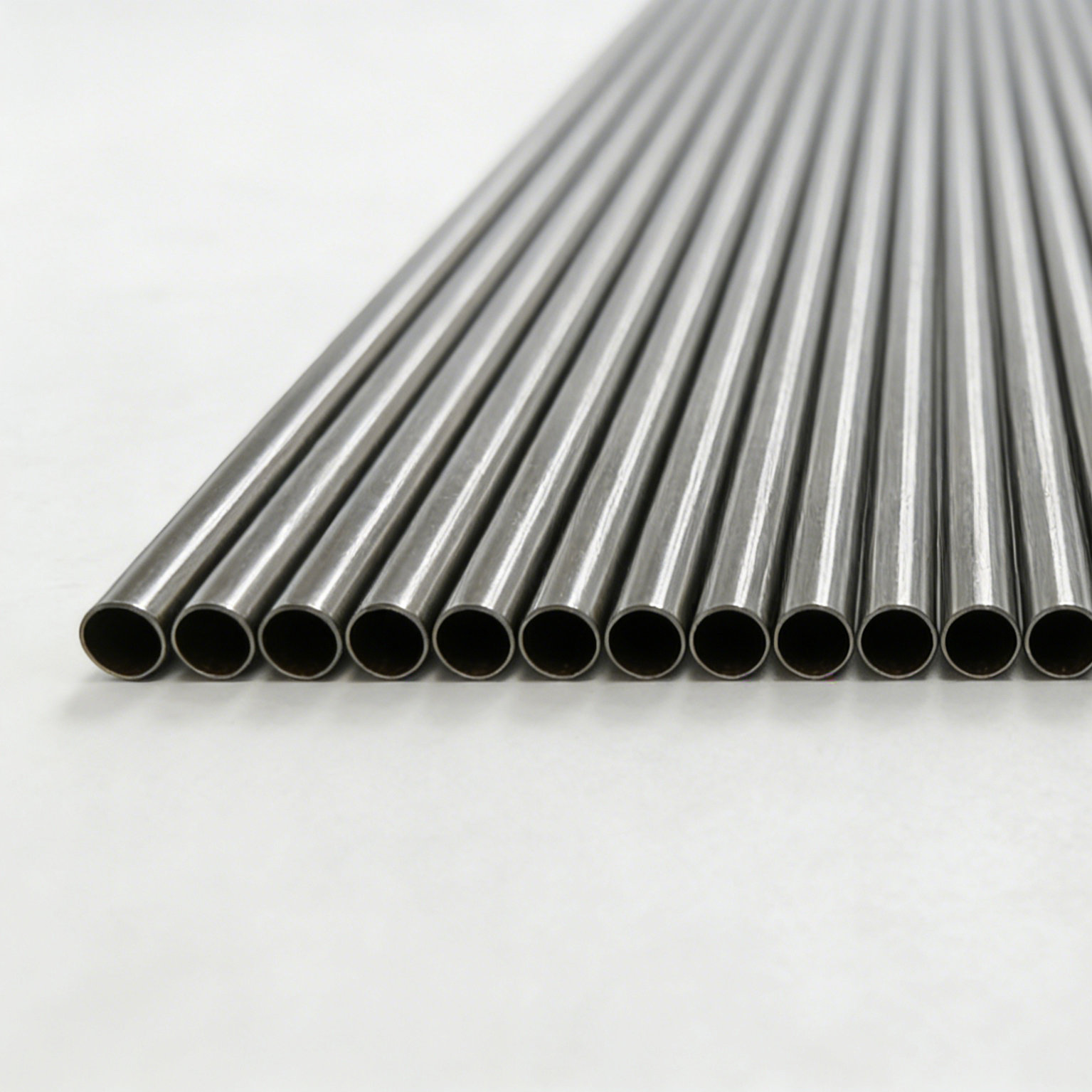
Next, consider the form of Hastelloy C-4 that will best meet your requirements. It is available in various forms, including pipes, plates, and fasteners, allowing for flexibility in design and application. Ensure that the dimensions and tolerances meet your engineering specifications. Customization options may also be available to accommodate unique project demands, which can be discussed with suppliers like Jiangsu Boyue Alloy Materials Co., Ltd

Finally, assess the certifications and quality control processes of potential suppliers. Ensure they comply with relevant industry standards such as ISO9001 and AS9100. This is vital to guarantee that the Hastelloy C-4 you receive is of high quality and suitable for your specific applications.

Get a Free Quote

Our representative will contact you soon.
Email
Mobile
Name
Company Name
Message
0/1000

Related product categories

Key Specifications of Hastelloy C-4 for Industrial Applications

Key Specifications of Hastelloy C-4 for Industrial Applications

Hastelloy C-4 is defined by several key specifications that contribute to its performance in industrial applications. These specifications include:

Chemical Composition: Hastelloy C-4 typically contains nickel (approximately 47%), molybdenum (16%), chromium (15%), and iron (the remainder). The high nickel content provides excellent resistance to oxidation and corrosion

Temperature Resistance: This alloy can withstand temperatures up to 2200°F (1204°C) without significant loss of strength, making it suitable for high-temperature applications

Mechanical Properties: The alloy exhibits high tensile strength, yield strength, and ductility, which are critical in ensuring performance under stress in various industrial settings

Corrosion Resistance: Hastelloy C-4 is particularly resistant to a variety of corrosive environments, including sulfuric acid, hydrochloric acid, and phosphoric acid, which are commonly encountered in chemical processing

Understanding these specifications will help buyers select the right grades and forms of Hastelloy C-4 for their particular applications, ensuring optimal performance and longevity.

Comparing Hastelloy C-4 with Other Nickel Alloys for Cost Efficiency

When sourcing Hastelloy C-4, buyers should be aware of several important factors:

Minimum Order Quantity (MOQ): Different suppliers may impose varying MOQs for Hastelloy C-4 products. It's essential to discuss your specific needs with suppliers to find an arrangement that suits your project scale

Lead Time: The lead time for Hastelloy C-4 and Hastelloy B‑4 products can vary based on the supplier’s production capacity and customization requirements. Planning and discussing timelines with suppliers can help avoid delays

Quality Control: Ensure that the supplier has rigorous quality control measures in place. This may include pre-production samples, material certifications, and testing reports to verify compliance with specifications

Custom Options: Many manufacturers, including Jiangsu Boyue Alloy Materials Co., Ltd., offer customization options for Hastelloy C-4 to meet specific project requirements. Discussing your needs upfront can ensure you receive materials tailored to your application.

Where to Source Quality Hastelloy C-4 for Bulk Orders

The pricing of Hastelloy C-4 can be influenced by several factors:

Material Costs: The base cost of raw materials, particularly nickel and molybdenum, significantly impacts the price of Hastelloy C-4. Fluctuations in these markets can affect overall pricing

Manufacturing Processes: The complexity of the manufacturing process, including smelting and forging, can also influence costs. More intricate processes may result in higher prices due to increased labor and resource requirements

Customization Requirements: Custom sizes, shapes, or additional treatments will typically incur extra charges. Be clear about your specifications to receive accurate pricing

Order Size: Bulk orders may yield discounts, making it beneficial to consolidate purchases whenever feasible

Understanding these cost factors will aid buyers in budgeting and negotiating more effectively with suppliers.

Ensuring Consistent Supply of Hastelloy C-4 Materials

Proper installation of Hastelloy C-4 is crucial to ensure optimal performance and longevity in manufacturing processes. Here are some practical tips:

Pre-Installation Inspection: Before installation, inspect the material for any visible defects or inconsistencies. Ensure that the dimensions and tolerances meet the specifications outlined in your engineering drawings

Compatibility with Equipment: Verify that the installation environment, including machinery and fittings, is compatible with Hastelloy C-4. Using incompatible materials can lead to premature failure or corrosion

Welding Considerations: If welding is part of the installation process, ensure that the welding techniques employed are suitable for Hastelloy C-4. Specific filler materials may be required to maintain the alloy's corrosion resistance

Testing Under Operational Conditions: Conduct tests under actual operating conditions after installation. Observing performance in situ can help identify any potential issues early on, allowing for timely adjustments

By following these installation tips, buyers can enhance the reliability and effectiveness of Hastelloy C-4 in their applications, reducing the risk of operational failures

Understanding the selection criteria, specifications, and cost factors surrounding Hastelloy C-4 is essential for B2B buyers in industrial sectors. By following the guidance provided, purchasing managers and engineers can make informed decisions that align with their project needs while ensuring the integrity and performance of their applications.