 EN

Understanding the specifications and applications of 654SMO nickel alloy products is crucial for industries such as aerospace, petroleum, nuclear power, and energy. Buyers often seek clarity on material properties, manufacturing capabilities, and installation challenges to make informed purchasing decisions. This article will help you navigate the specifications, selection, installation issues, cost considerations, and sourcing of 654SMO alloy materials, ensuring you choose the best solution for your projects.
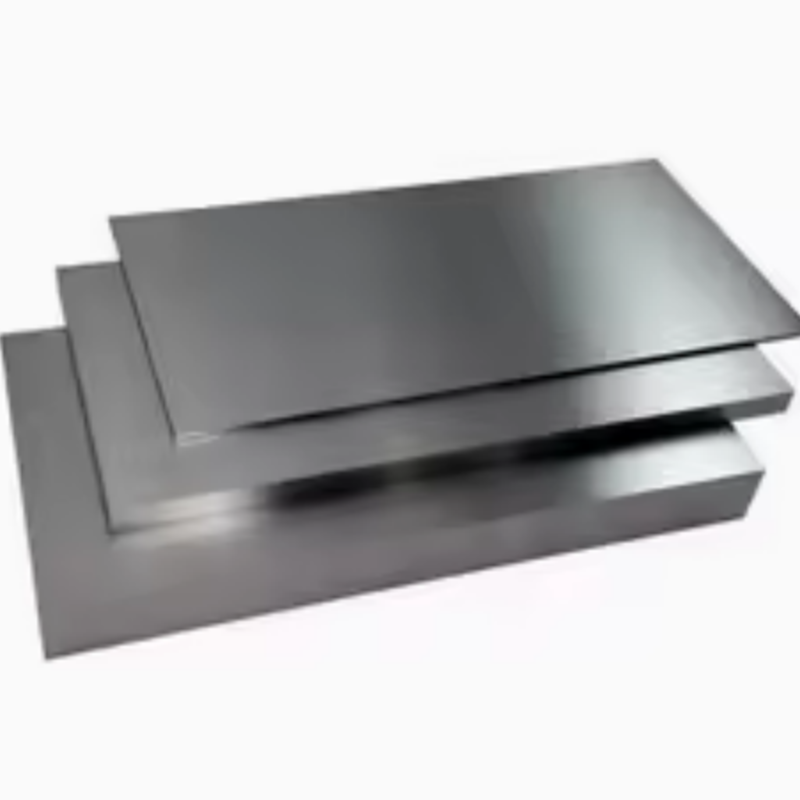

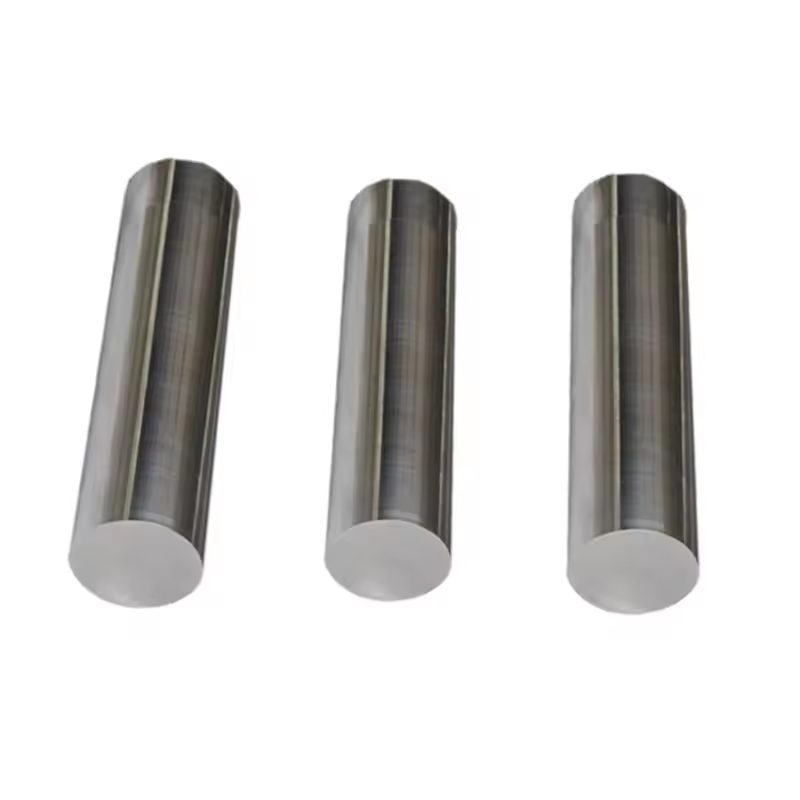
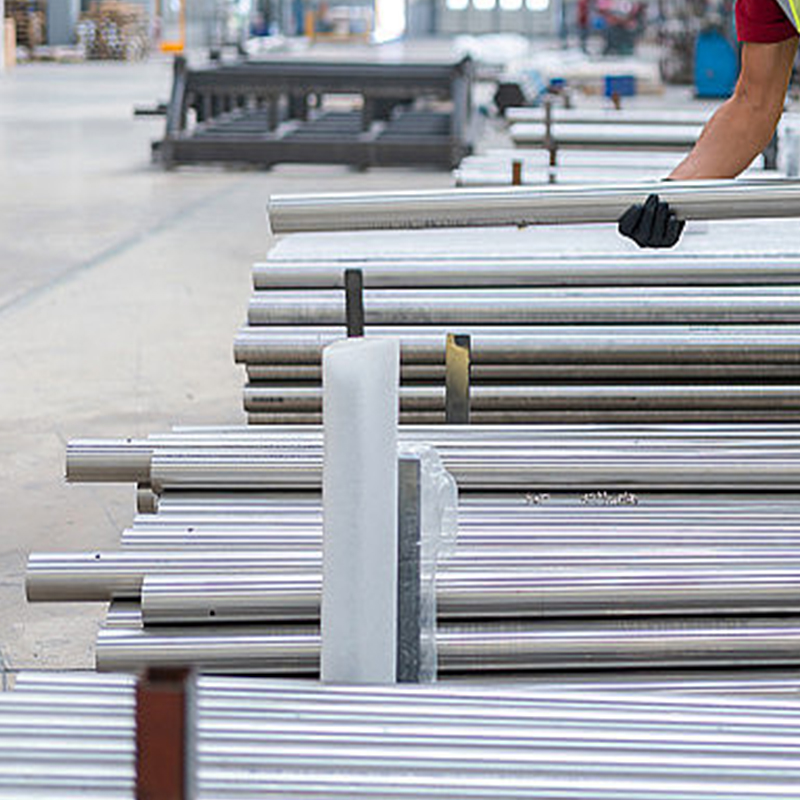
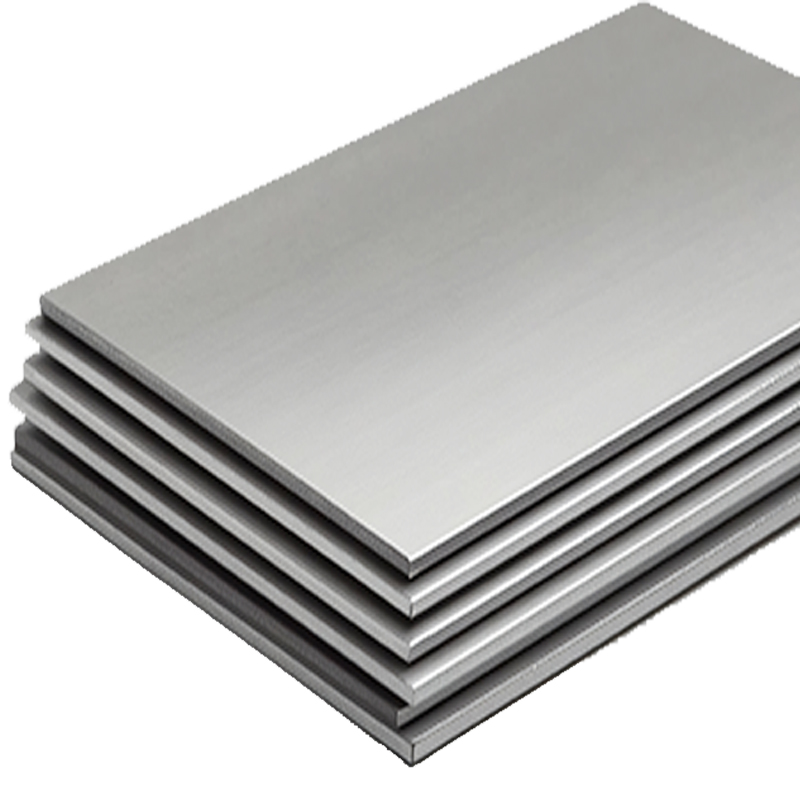
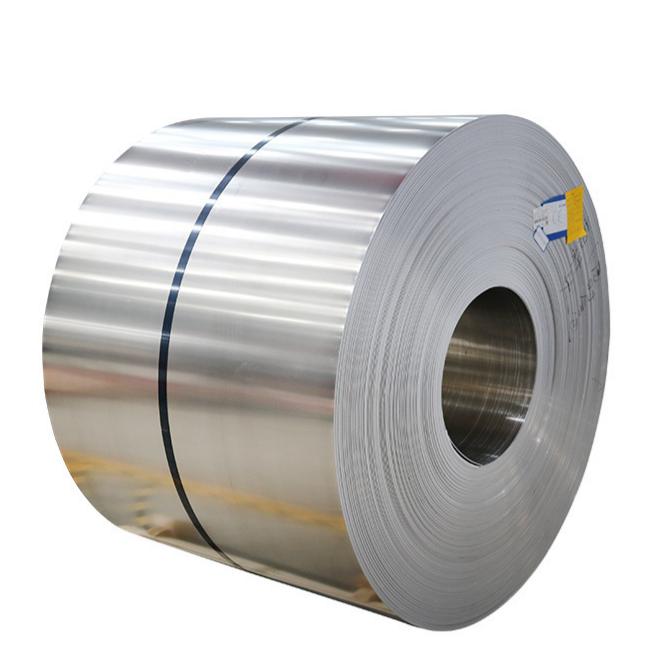
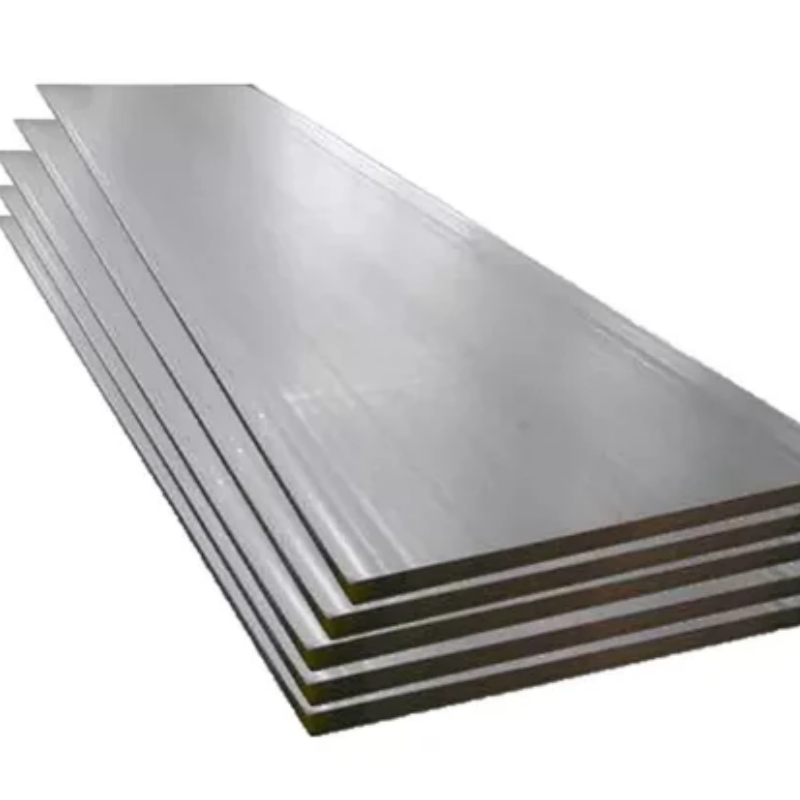
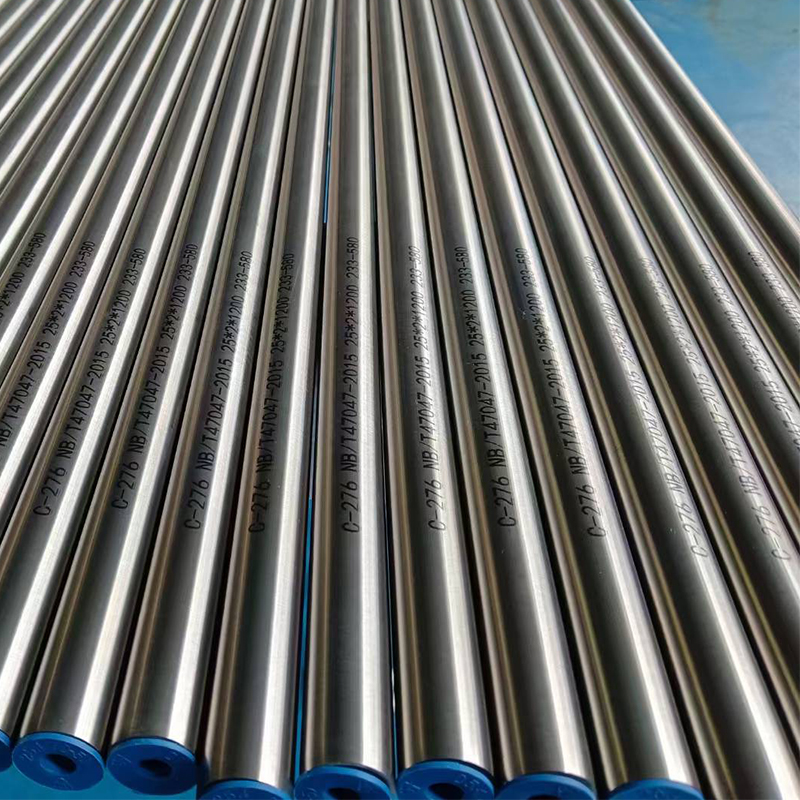
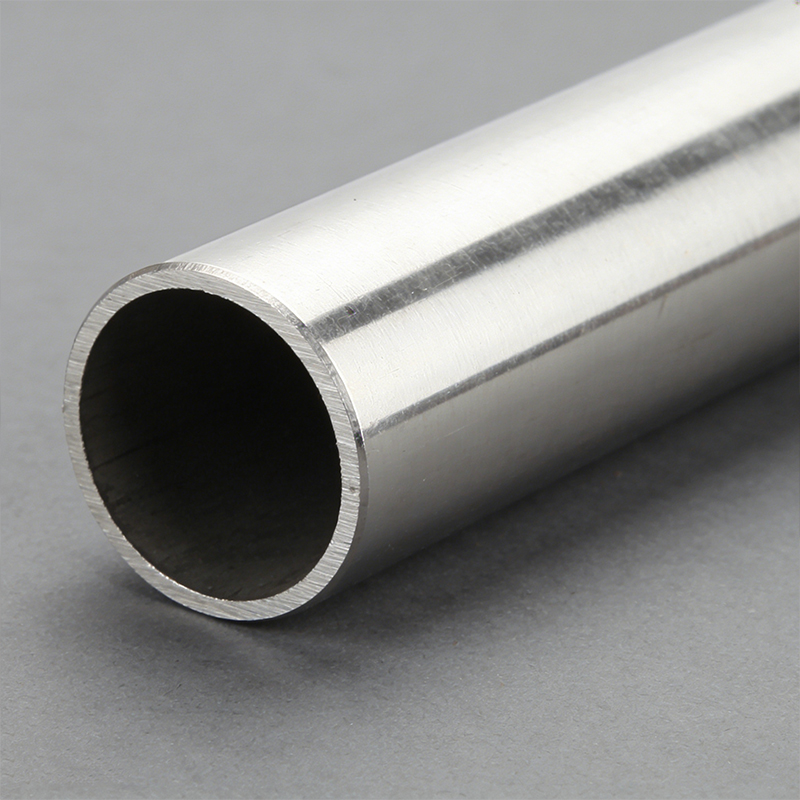
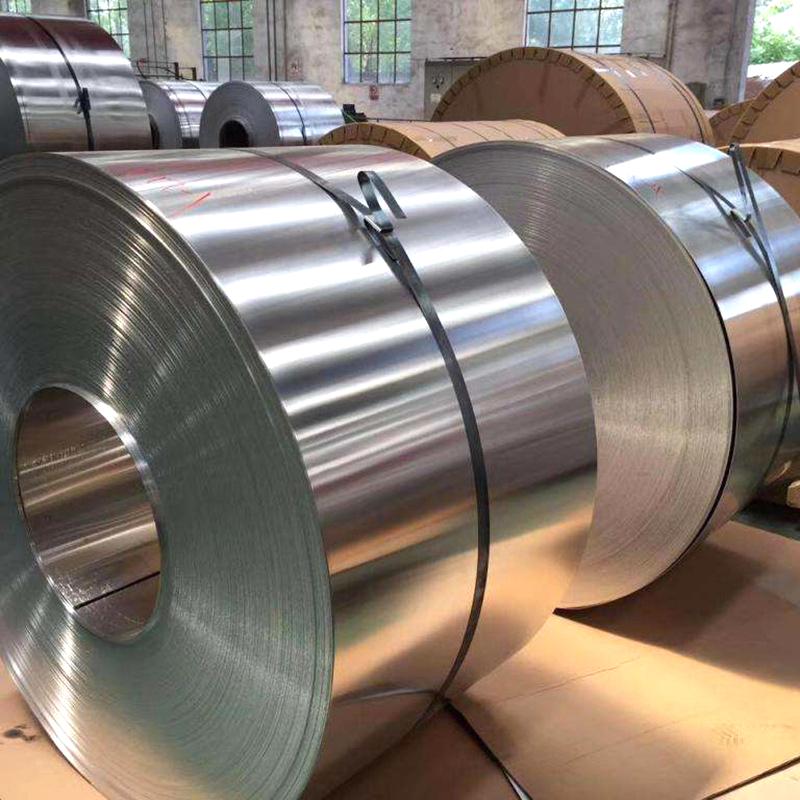
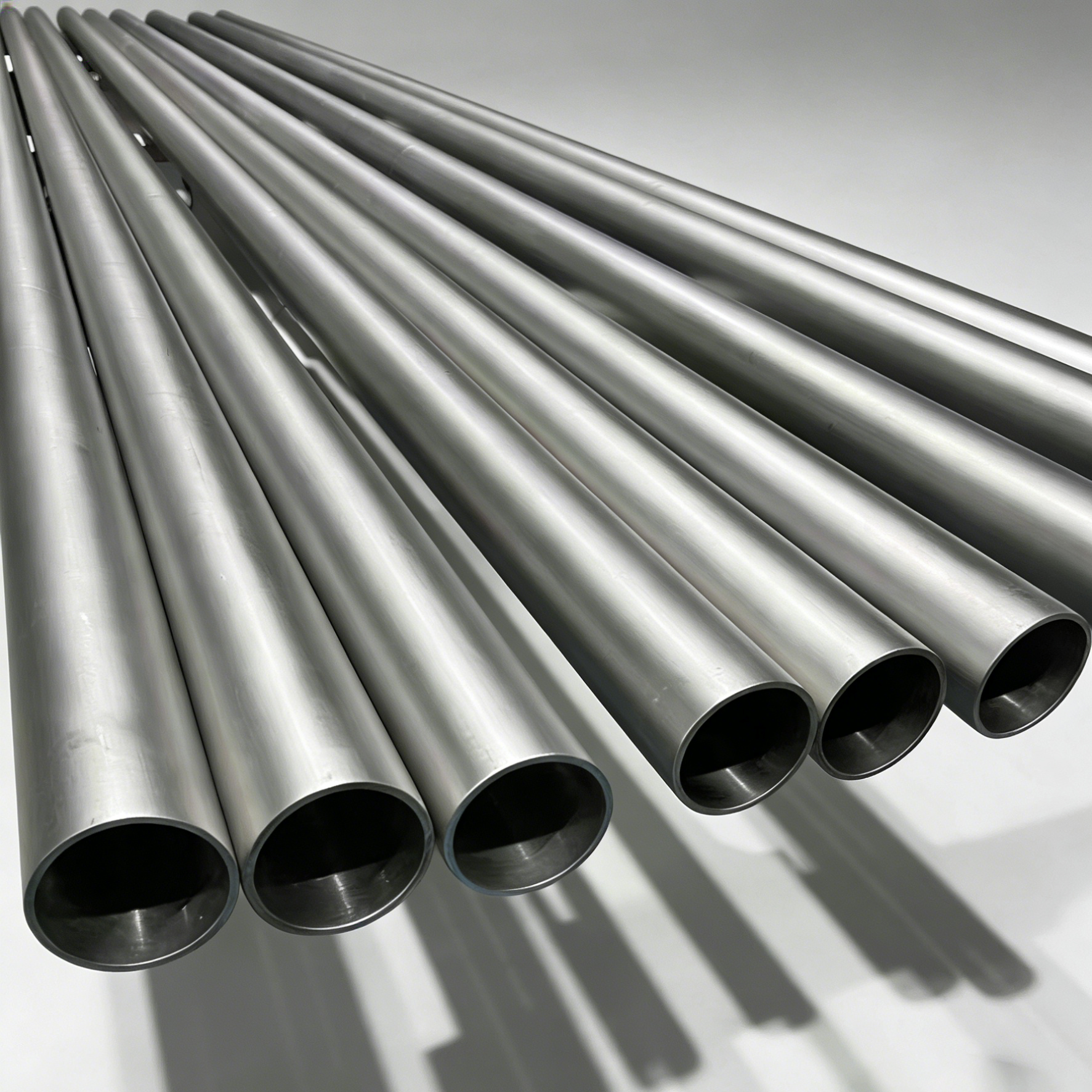
How to Choose the Right 654SMO Alloy for Your Project Needs
Selecting the appropriate 654SMO alloy for a project requires careful consideration of several factors:
Application Environment: Identify the operating conditions, including temperature, pressure, and exposure to corrosive elements. For instance, applications in seawater will require higher resistance to corrosion, making 654SMO a suitable choice.
Fabrication Requirements: Determine if the project involves welding, machining, or forming. Some 654SMO grades are optimized for specific fabrication methods, which can affect the final product performance.
Regulatory Compliance: Ensure that the selected alloy meets industry standards and certifications relevant to your sector, such as AS9100 for aerospace or API for oil and gas applications. Compliance can significantly impact both safety and performance.
Customization Needs: If the project requires unique dimensions or properties, confirm that the supplier can accommodate these customizations during production.
By carefully assessing these factors, buyers can select the right 654SMO alloy that aligns with both technical and operational requirements.