 EN

Hastelloy alloys are high-performance nickel-based materials known for their excellent corrosion resistance and high-temperature stability. These alloys are essential for various industries, including aerospace, petroleum, nuclear power, and energy sectors. B2B buyers, such as purchasing managers and engineers, often prioritize durability, compatibility, and specific performance characteristics when selecting a hastelloy alloy for their projects. This article will guide you through the selection process, specifications, sourcing, common challenges, and installation requirements for Hastelloy alloys, ensuring you make informed purchasing decisions.
Key Specifications of Hastelloy Alloy for Bulk Ordering
When ordering Hastelloy alloys in bulk, understanding the key specifications is crucial. Buyers should confirm the following parameters:
Material Composition: Ensure the alloy's chemical makeup aligns with your needs. Hastelloy C22 alloys typically contain nickel, molybdenum, and chromium, which contribute to their corrosion resistance.
Mechanical Properties: Important specifications include tensile strength, hardness, and elongation. For instance, a tensile strength of 80 ksi (550 MPa) or higher is often required for applications demanding high strength.
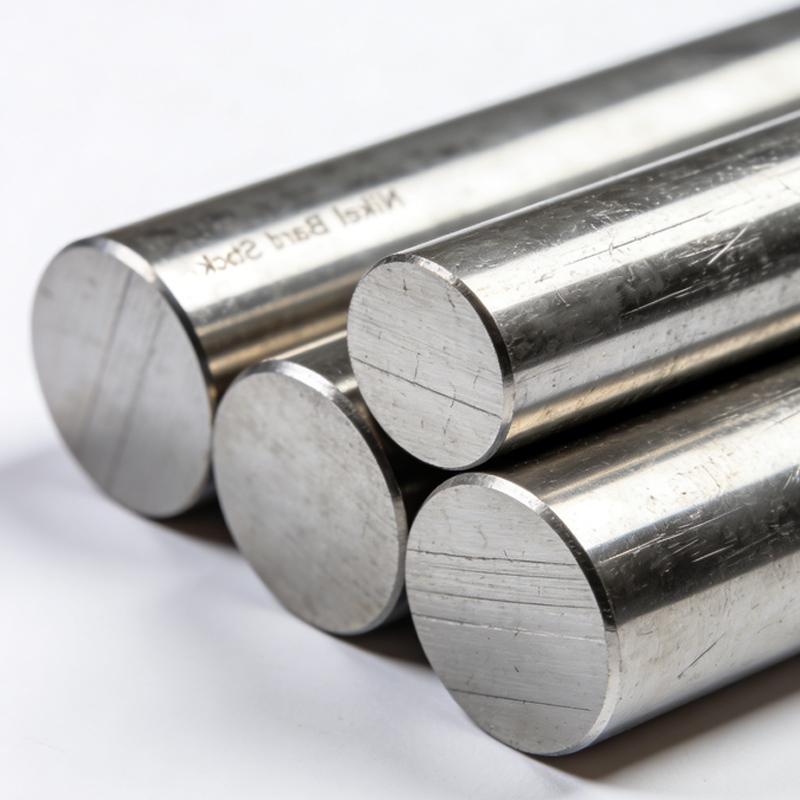
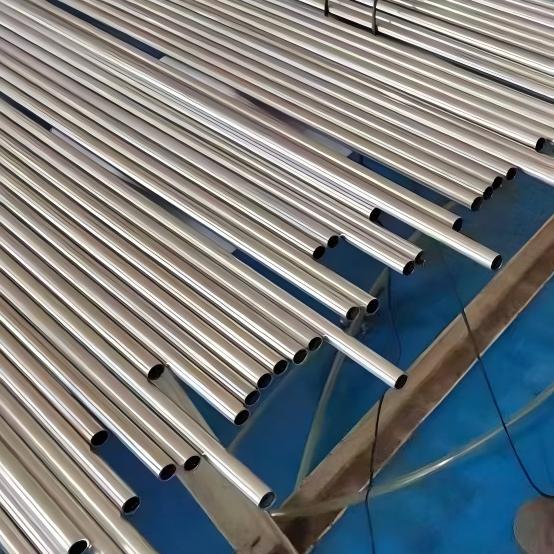
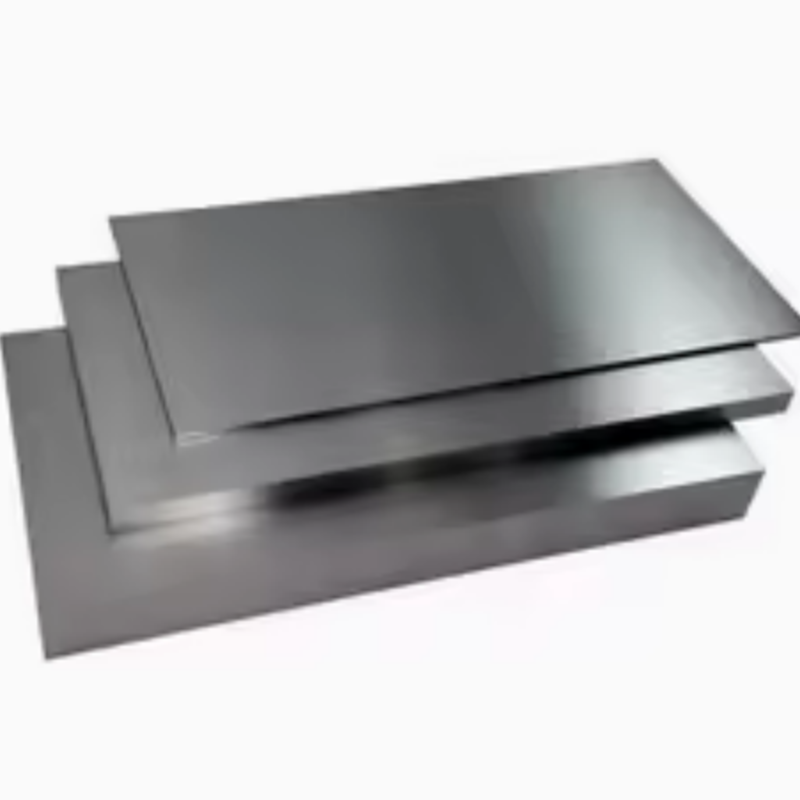
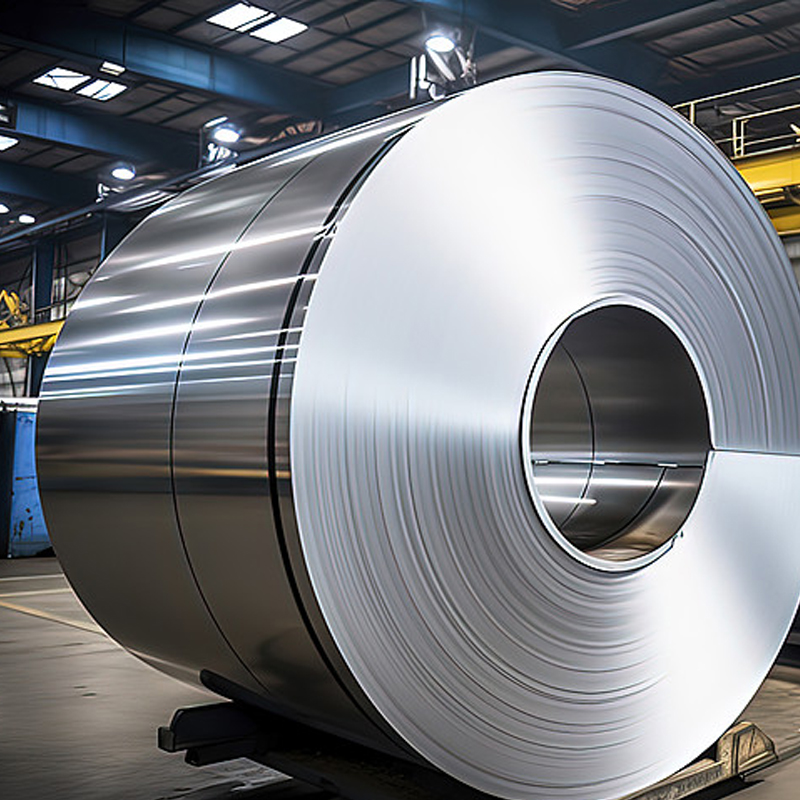
Form and Dimensions: Specify the form of the alloy whether pipes, plates, or fasteners and include precise dimensions and tolerances. This ensures that the components fit seamlessly within your assembly.
Surface Finish: Depending on the application, you may need a specific surface finish to enhance corrosion resistance or improve aesthetic appearance.
Testing and Certification: Request documentation confirming compliance with relevant standards (e. g., ASTM, AS9100) and any testing results that demonstrate the alloy's performance characteristics.
By providing detailed specifications during the RFQ process, you can streamline the ordering and approval phases, ensuring that the received material meets your project's stringent requirements.