 EN

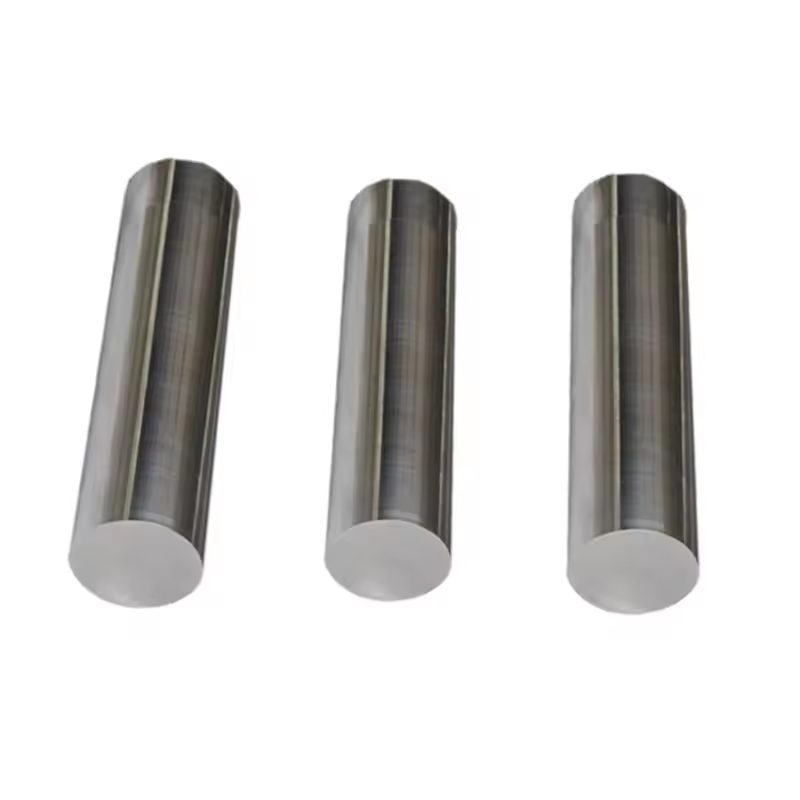
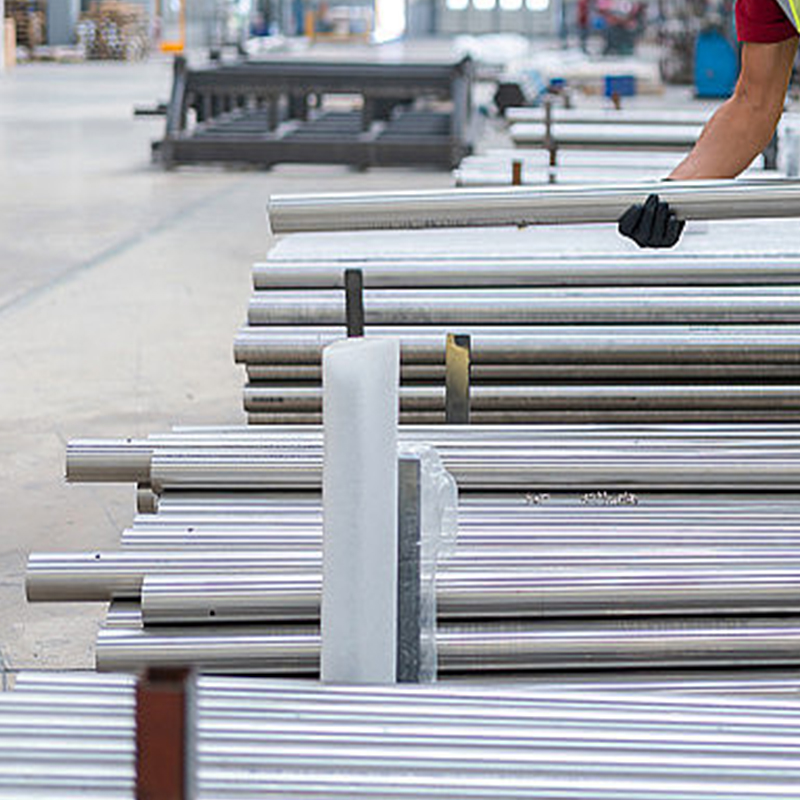
Nickel alloy rods are essential components used in various high-performance applications across industries such as aerospace, petroleum, and nuclear power. Selecting the right monel nickel alloy is crucial for ensuring the success of projects, as they must meet specific requirements related to material properties, dimensions, and application suitability. This article will delve into the critical factors to consider when choosing nickel alloy rods, guiding purchasing managers and other professionals in making informed decisions.
What Buyers Need to Know
The selection of nickel alloy rods involves careful evaluation of specifications that directly impact their performance. Key specifications include:
Chemical Composition: Understanding the alloy's chemical makeup is essential. Nickel alloys typically include elements such as chromium, molybdenum, and iron, which enhance specific properties. Buyers should verify that the composition meets industry standards or specific project requirements.
Mechanical Properties: Key properties to assess include tensile strength, yield strength, and elongation. For instance, a nickel alloy pipe with higher tensile strength is necessary for applications requiring durability under stress.
Heat Treatment: Many nickel alloys require specific heat treatment processes to achieve desired mechanical properties. Buyers should inquire about the heat treatment performed on the rods and its impact on performance.
Surface Finish: The surface condition of the rod can affect its performance, especially in applications where friction or corrosion is a concern. Buyers should specify surface finish requirements, such as polished or roughened surfaces, based on their application needs.
Evaluating these specifications enables purchasers to select nickel alloy rods that align with their technical requirements and operational conditions.