Monel Pipes for Industrial Applications

All Categories
Get a Quote

Get a Free Quote

Our representative will contact you soon.
Email
Mobile
Name
Company Name
Message
0/1000

monel pipes

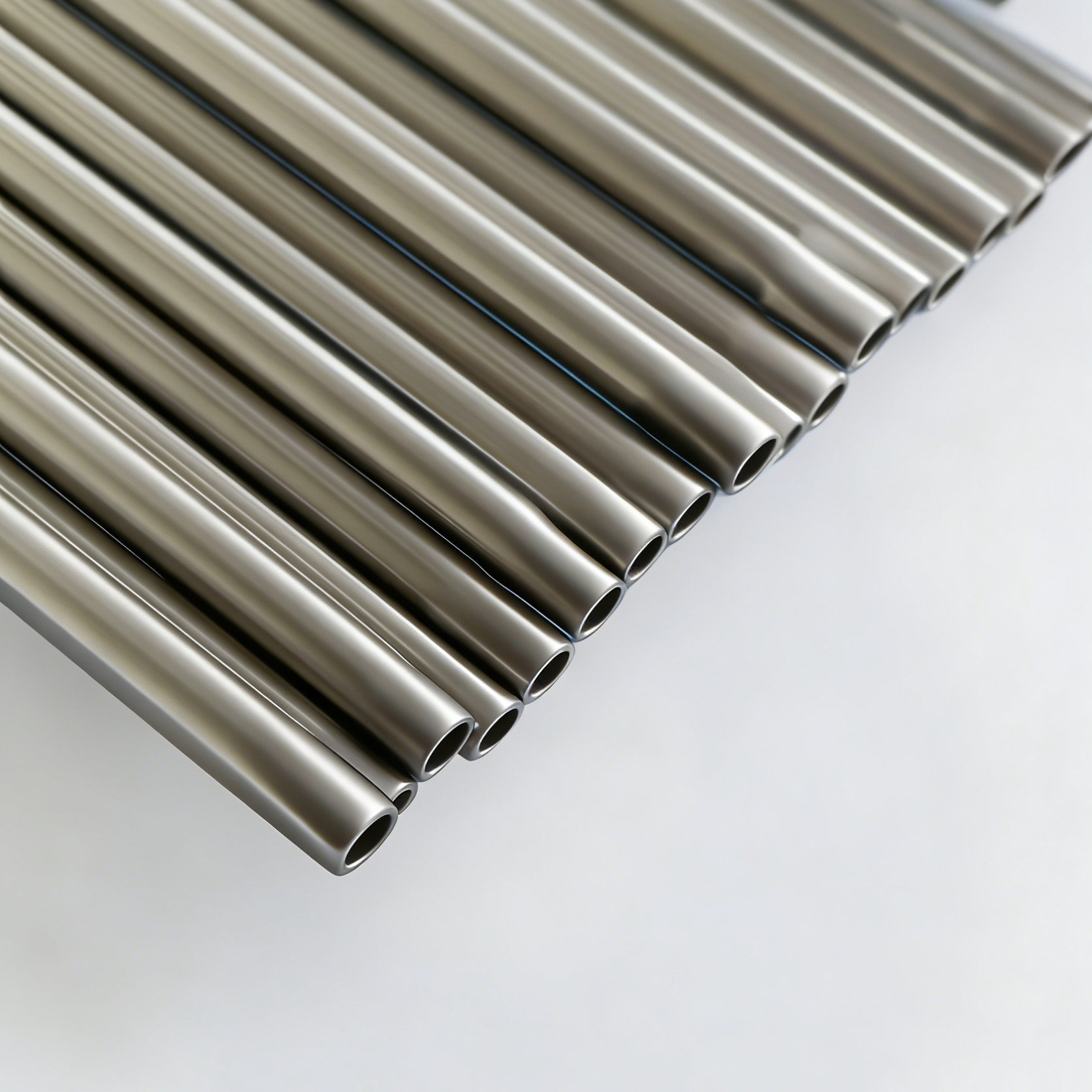
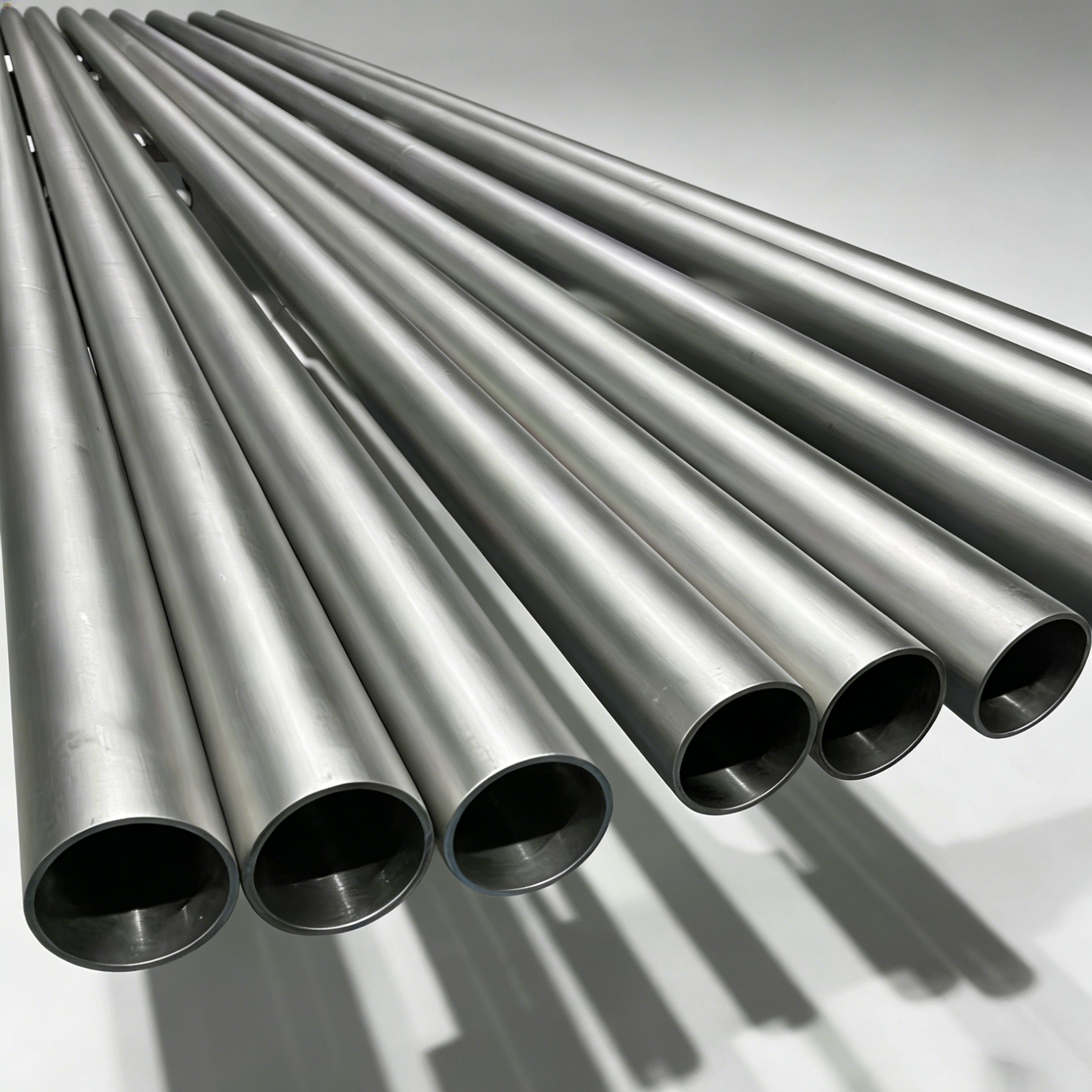
Monel pipes are specialized corrosion-resistant alloy pipes primarily composed of nickel and copper, offering exceptional mechanical properties in harsh environments. These pipes are increasingly sought after in industries such as aerospace, petroleum, and nuclear power due to their durability and resistance to a variety of corrosive media. For purchasing managers and engineers, understanding the specifications, quality evaluation, installation guidance, common issues, and advantages of Monel pipes is essential to making informed decisions. This article aims to provide practical insights into these critical areas, ensuring that B2B buyers can confidently procure the right Monel pipes for their applications.
Our Products

Key Specifications of Monel Pipes for Industrial Applications

Monel pipes are available in various specifications, crucial for ensuring their suitability for specific applications. Key specifications include:

Material Composition: Monel pipes typically consist of at least 63% nickel and 28% copper, along with small amounts of iron, manganese, carbon, and silicon. This unique composition grants Monel exceptional resistance to corrosion, particularly in acidic and alkaline environments.

Dimensions and Schedules: Standard sizes for Monel pipes range from 1/8 inch to 12 inches in diameter. Schedule numbers, which dictate wall thickness and pressure ratings, should align with the intended application’s pressure requirements. For high-pressure systems, thicker walls are advisable.

Temperature Resistance: Monel pipes can withstand temperatures up to 1000°F (538°C), making them suitable for high-temperature applications. Understanding the thermal limits is essential when selecting a pipe for processes involving heat.

Pressure Ratings: Depending on the diameter and wall thickness, Monel pipes can handle varying pressure ratings. Buyers should ensure that the selected pipe meets the pressure requirements of their specific application to prevent failures.

Standards and Certifications: Monel pipes should comply with industry standards such as ASTM B165 and ASTM B725, which outline material specifications and manufacturing practices. Buyers should verify that their suppliers provide certified products that meet these standards. Additionally, for those interested in other nickel alloys, you can explore ASTM B168 Inconel 600 Strips & Coils, which offer similar corrosion resistance properties.

Evaluating these specifications ensures that Monel pipes will perform effectively in the intended applications, minimizing risks associated with material failure.

Get a Free Quote

Our representative will contact you soon.
Email
Mobile
Name
Company Name
Message
0/1000

Related product categories

How to Evaluate the Quality of Monel Pipes from Suppliers

How to Evaluate the Quality of Monel Pipes from Suppliers

When sourcing Monel pipes, quality assurance is paramount. Here are critical factors to consider:

Supplier Certifications: Ensure that the supplier possesses relevant certifications such as ISO9001 and AS9100. These certifications indicate adherence to international quality management standards and can provide confidence in the supplier’s manufacturing processes.

Material Testing: Request test reports for the material composition and mechanical properties of the Monel pipes. This data should include results from tensile tests, impact tests, and corrosion resistance tests, ensuring the product meets specified standards.

Dimensional Accuracy: Verify the dimensions of the pipes through measurements and inspections. Accurate dimensions are crucial for compatibility with existing systems and fittings. Non-conformance can lead to installation issues and increased costs.

Surface Quality: Inspect the surface finish of the pipes. A smooth surface is essential for applications involving fluid flow, as rough surfaces can lead to turbulence and increased wear.

Traceability: Ensure that the supplier can provide traceability for the materials used in the production of the pipes. This includes records of the manufacturing process and raw material origins, which are vital for quality control and compliance.

By focusing on these quality evaluation criteria, buyers can mitigate risks associated with purchasing Monel pipes and ensure they receive reliable products.
Installation Guidance for Monel Pipes in Various Projects

Installation Guidance for Monel Pipes in Various Projects

Proper installation of Monel pipes is critical to ensure their long-term performance. Here are key considerations:

Preparation: Before installation, clean the pipe surfaces to remove any contaminants, such as oils or debris, which can affect joint integrity.

Joining Methods: Monel pipes can be joined through welding, flanging, or mechanical fittings. When welding, appropriate techniques and filler materials should be used to maintain the alloy's characteristics. It is recommended to use qualified welders familiar with nickel alloys to prevent issues such as cracking.

Alignment and Support: Ensure that pipes are properly aligned and supported to prevent undue stress. Misalignment can lead to fatigue failures, particularly in high-pressure applications. Adequate supports and hangers should be installed to maintain the integrity of the piping system.

Testing: After installation, conduct pressure testing to verify that the system is leak-free. This is crucial for safety, especially in applications involving flammable or hazardous materials.

Maintenance Considerations: Establish a maintenance schedule to inspect the piping system periodically. This should include checks for signs of corrosion or mechanical wear, especially in environments with aggressive chemicals.

Following these installation guidelines will enhance the reliability and longevity of Monel pipes in various industrial applications.

Common Problems with Monel Pipes and Effective Solutions

Common Problems with Monel Pipes and Effective Solutions

While Monel pipes are known for their durability, several issues can arise. Understanding these problems and their solutions is essential:

Corrosion: Although resistant to many corrosive environments, Monel pipes can still experience localized corrosion, particularly in stagnant conditions. To mitigate this, ensure that fluid flow is maintained and consider implementing cathodic protection systems in highly aggressive environments.

Welding Cracking: During installation, improper welding techniques can lead to cracking. To prevent this, use preheating methods as recommended and choose appropriate filler materials. Post-weld heat treatment may also be beneficial to relieve stresses.

Thermal Expansion: Monel pipes, like all metals, will expand and contract with temperature changes. Design the piping system with appropriate allowances for thermal expansion to prevent stress on joints and fittings.

Mechanical Damage: Handling and installation can sometimes lead to dents or scratches, which may compromise pipe integrity. Implement safe handling practices and use protective measures during transport and installation.

Incompatibility with Other Materials: Monel pipes may react negatively with certain other metals, leading to galvanic corrosion. When designing systems, ensure compatibility with other materials used in the system.

By proactively addressing these common issues, buyers can enhance the performance and lifespan of Monel pipes in their operations.

Understanding the Advantages of Monel Pipes in Manufacturing Industries

Monel pipes offer several advantages that make them an attractive choice for various manufacturing applications:

Corrosion Resistance: The ability to resist corrosion in harsh environments is one of the primary benefits of Monel pipes. They are particularly effective in applications involving seawater, acids, and alkalis, making them essential for industries such as marine engineering and chemical processing.

High Strength: Monel pipes maintain their strength at elevated temperatures, making them suitable for high-stress applications such as nuclear power plants and aerospace components. Their mechanical properties are crucial in ensuring safety and reliability.

Ease of Fabrication: Monel is relatively easy to work with, allowing for various manufacturing processes such as welding and machining. This versatility can reduce lead times and costs associated with production.

Long Service Life: Due to their durability and resistance to wear, Monel pipes typically have a longer service life compared to other materials. This longevity can lead to reduced maintenance costs and fewer replacements, providing long-term value.

Custom Manufacturing: Many suppliers, including Jiangsu Boyue Alloy Materials Co., Ltd., offer custom manufacturing options for Monel pipes. This flexibility allows buyers to specify dimensions, wall thicknesses, and other parameters tailored to their application needs. For additional options, consider exploring ASTM B167 Inconel 600 Pipes & Tubes.

Understanding these advantages helps buyers appreciate why Monel pipes are a preferred choice in various demanding environments, ensuring they select the right materials for their projects.