Alloy 600 Pipe: Specifications and Supplier Insights

All Categories
Get a Quote

Get a Free Quote

Our representative will contact you soon.
Email
Mobile
Name
Company Name
Message
0/1000

Alloy 600 pipe

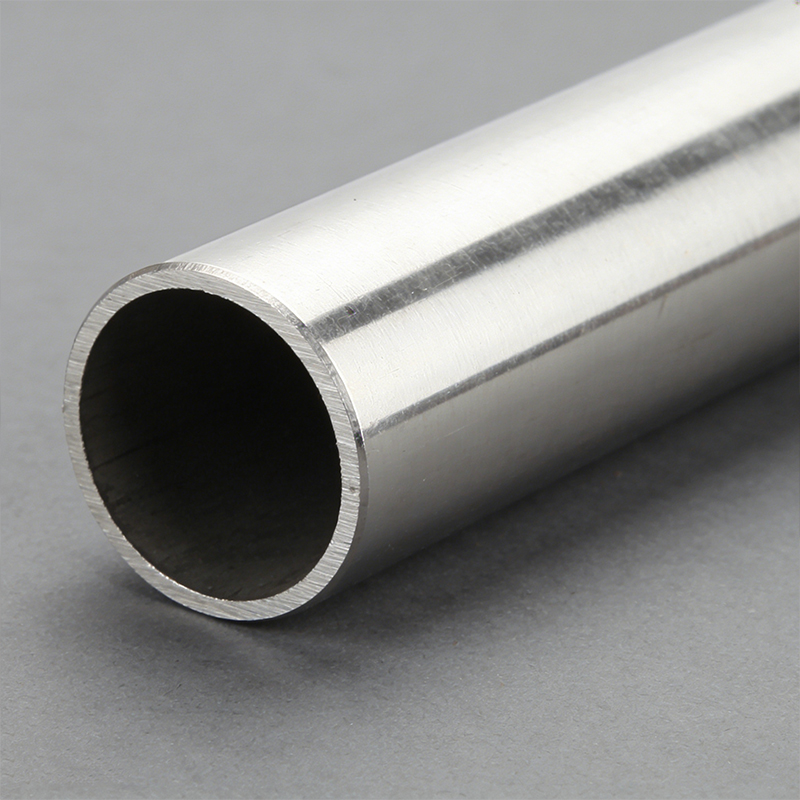
Alloy 600 pipes, made from a nickel-chromium-iron alloy, are essential components in various industrial applications, particularly in environments that demand high resistance to heat and corrosion. For B2B buyers, understanding the specifications, quality, and supplier evaluation processes is crucial. This article aims to clarify these elements to help purchasing managers and engineers make informed decisions when selecting Boyue Monel Alloy 400 pipes for their projects. 
Our Products

Understanding Alloy 600 Pipe Specifications for Your Projects

Alloy 600 pipes are characterized by their excellent resistance to oxidation and corrosion, particularly in high-temperature environments. Key specifications to consider include: 

Material Composition: Alloy 600 primarily consists of nickel, chromium, and iron. The nickel content typically ranges from 58% to 63%, which contributes to its corrosion resistance, while chromium enhances its oxidation resistance. 

Dimensions: The size of the pipes, including diameter and wall thickness, should align with your project requirements. Common sizes range from small diameters (1 inch) to larger ones (up to 24 inches or more), depending on the application. 

Temperature and Pressure Ratings: Understanding the operating conditions is vital. Alloy 600 pipes can withstand temperatures up to 2,000°F (1,093°C) and pressures that vary based on wall thickness and diameter. 

Standards and Certifications: Ensure that the pipes meet relevant industry standards such as ASTM B167 or B444, which govern the manufacturing process and quality of nickel alloy pipes. Certifications like ISO9001 and AS9100 are indicators of quality management systems in place. 

Buyers should verify that the specifications meet their project requirements to avoid compatibility issues during installation or operation. 

Get a Free Quote

Our representative will contact you soon.
Email
Mobile
Name
Company Name
Message
0/1000

Related product categories

How to Choose the Right Alloy 600 Pipe Supplier for Bulk Orders

Selecting a reliable supplier for Alloy 600 pipes is crucial for ensuring product quality and timely delivery. Here are some factors to consider: 

Manufacturing Capabilities: Evaluate the supplier’s ability to produce Alloy 600 pipes in the required sizes and specifications. A supplier like Jiangsu Boyue Alloy Materials Co., Ltd. offers a complete production chain, from smelting to forging, which can be advantageous for bulk orders. 

Customization Options: Some projects may require specific dimensions or configurations. Confirm that the supplier can accommodate custom orders and has the necessary equipment for modifications. 

Quality Assurance Processes: Look for suppliers with robust quality control measures. This includes in-process inspections and final tests to ensure compliance with industry standards. Ask for documentation supporting their quality control processes. 

Lead Times and MOQ: Understand the supplier's lead times for bulk orders and minimum order quantities (MOQ). Suppliers with efficient production capabilities can often meet tighter deadlines, which is essential for project planning. 

Reputation and References: Check the supplier’s reputation in the industry. Request references or case studies from previous clients to gauge reliability and performance in delivery and quality. 

Evaluating the Quality of Alloy 600 Pipe for Industrial Applicationsv

Quality assessment of Alloy 600 pipes is crucial for ensuring their performance in demanding applications. Here are key points to consider: 

Material Integrity: Conduct non-destructive testing (NDT) methods, such as ultrasonic testing or radiography, to check for internal flaws. This step is essential to confirm that the Boyue nickel based superalloys pipes meet the required material integrity standards. 

Surface Finish: Inspect the surface finish of the pipes. A smooth surface is critical for applications in the aerospace and nuclear industries, where contaminants can compromise performance. 

Mechanical Properties: Verify the mechanical properties, such as yield strength and tensile strength, through material testing. These properties should align with the specifications outlined in the relevant standards. 

Traceability Documentation: Ensure that the supplier provides traceability documentation for the pipes. This includes certificates of compliance and details of the manufacturing process, which are vital for industries with strict regulatory requirements. 

By performing thorough quality evaluations, buyers can mitigate risks associated with using subpar materials in critical applications. 

Common Installation Problems with Alloy 600 Pipe and Solutions

While Alloy 600 pipes are known for their durability, installation can present challenges. Here are common problems and their solutions: 

Alignment Issues: Improper alignment of pipes during installation can lead to stress concentrations and potential failures. Conduct a thorough site survey and utilize precision tools to ensure accurate alignment before welding or connecting. 

Welding Compatibility: Alloy 600 pipes require specific welding techniques to maintain their integrity. Use appropriate filler materials and preheating methods to prevent cracking. Consulting with a welding engineer can help ensure proper procedures are followed. 

Thermal Expansion: High temperatures can cause thermal expansion, leading to misalignment. Design the piping system with expansion joints or flexible connectors to accommodate movement without compromising the system’s integrity. 

Corrosion Considerations: Ensure that the installation environment is free from contaminants that could induce corrosion. Regular inspections post-installation can help identify potential corrosion points early. 

Addressing these issues proactively can enhance the longevity and performance of Alloy 600 pipe installations. 

Key Advantages of Using Alloy 600 Pipe in Manufacturing Processes

Alloy 600 pipes offer several advantages in industrial applications, making them a preferred choice for many manufacturers: 

High Temperature Resistance: The ability to withstand extreme temperatures makes Alloy 600 ideal for applications in the aerospace and nuclear sectors, where materials are subjected to harsh environments. 

Corrosion Resistance: Alloy 600 demonstrates exceptional resistance to a variety of corrosive environments, including acidic and alkaline conditions, which is critical for the petroleum and chemical processing industries. 

Versatility: This Boyue hastelloy alloy can be used in various forms, including pipes, plates, and fasteners, allowing manufacturers to standardize materials across different components, reducing inventory complexity. 

Fabricability: Alloy 600 can be easily fabricated using conventional techniques, which is advantageous for custom applications. Its excellent weldability ensures that it can be integrated into complex systems without compromising structural integrity. 

By leveraging these advantages, manufacturers can enhance the performance and reliability of their products, ultimately leading to improved operational efficiency and reduced downtime. 

In summary, understanding Alloy 600 pipes' specifications, choosing reliable suppliers, evaluating quality, addressing installation challenges, and recognizing their key advantages can significantly impact project outcomes. Ensuring that these factors are considered will facilitate better purchasing decisions and successful application in various industrial sectors.