 EN

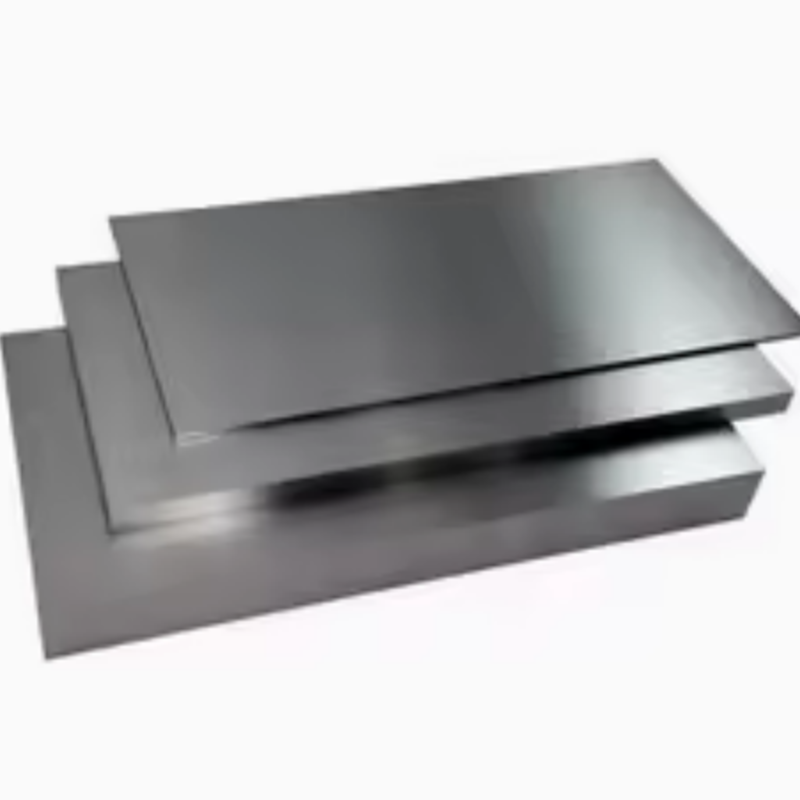
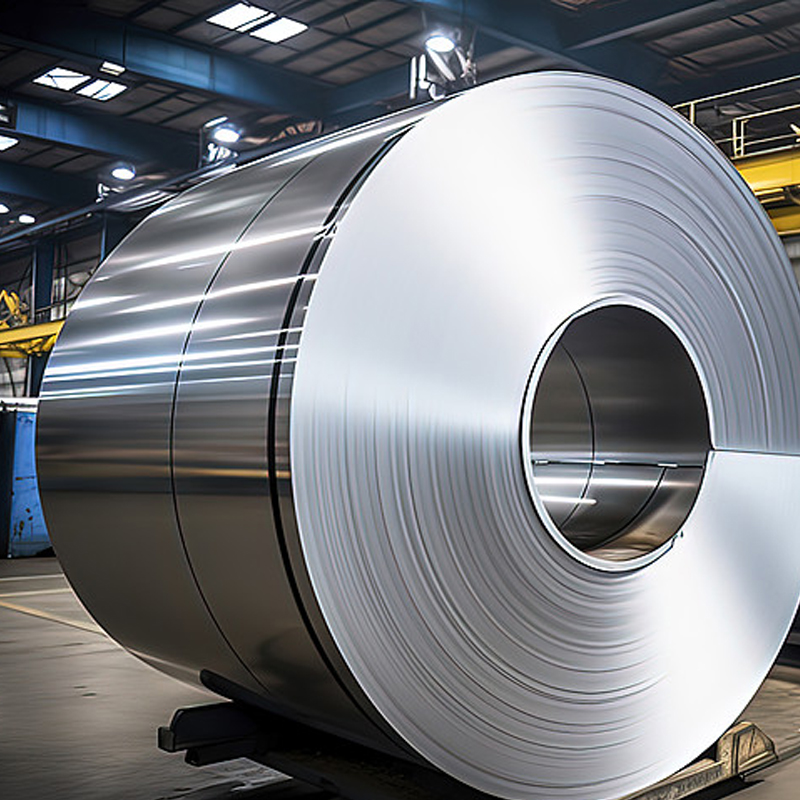
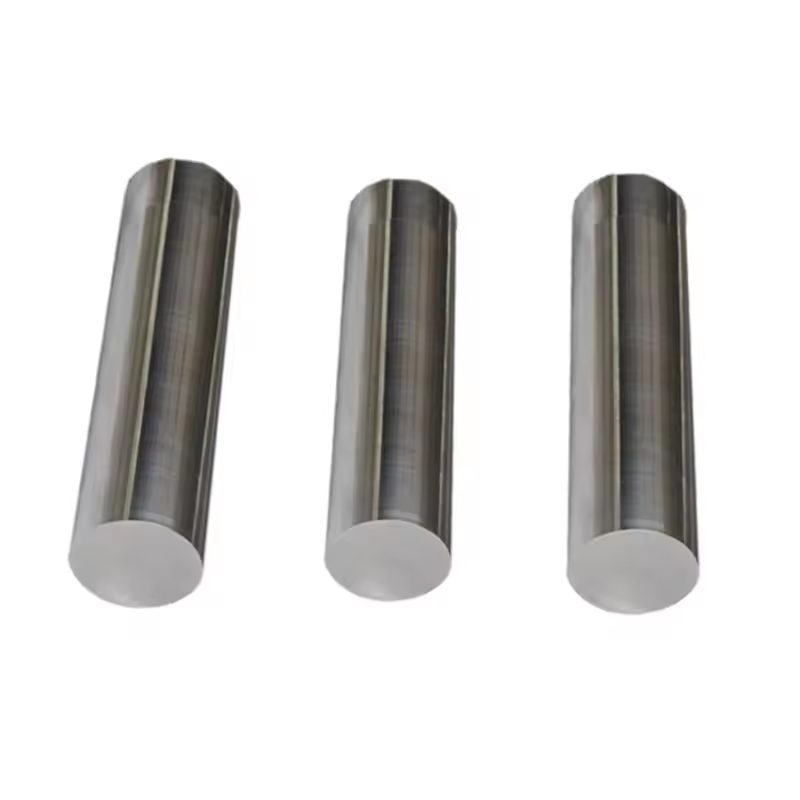
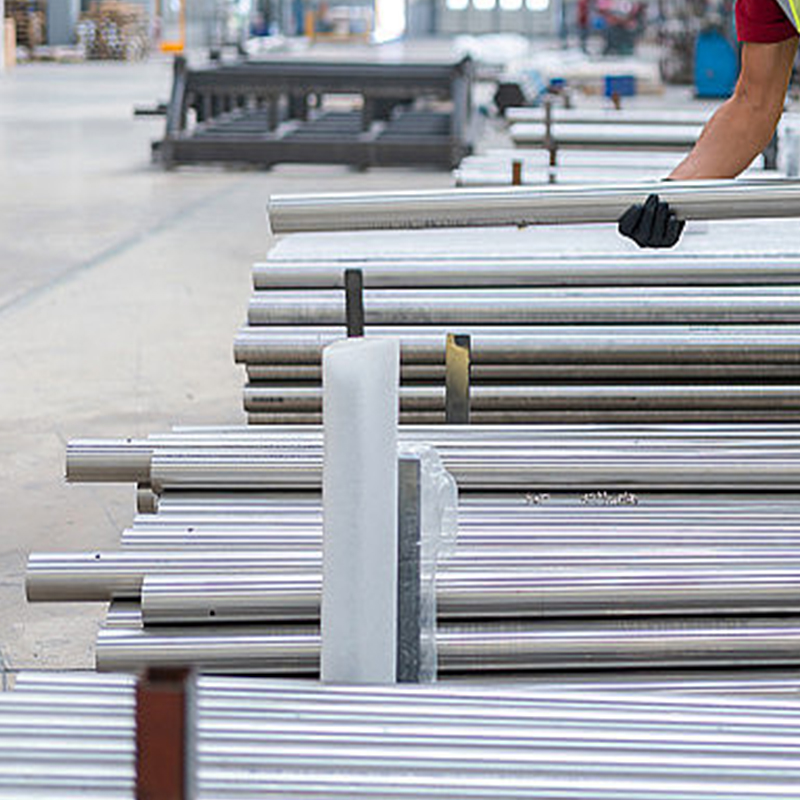
Hastelloy B-3 is a highly corrosion-resistant nickel-molybdenum alloy known for its exceptional performance in harsh environments, making it a popular choice for various industrial applications. For B2B buyers, understanding the specifications and capabilities of Hastelloy B-3 is crucial, particularly when sourcing materials for demanding sectors such as aerospace, petroleum, chemical processing, and nuclear power. This article will guide you through the essential factors to consider when selecting a Hastelloy B-3 supplier, the key aspects buyers should be aware of, common installation challenges, reliable sourcing options, and a comprehensive buyer's guide. Boyue provides Hastelloy and other nickel alloy materials for industrial applications, offering options that B2B buyers can evaluate based on alloy specifications, dimensions, required forms, application conditions, and procurement requirements. When sourcing Hastelloy B‑3 from Boyue, buyers can consider factors such as material grade, chemical composition, mechanical properties, corrosion resistance, applicable standards, surface condition, customization requirements, and supplier capabilities to ensure the material is suitable for their specific projects.
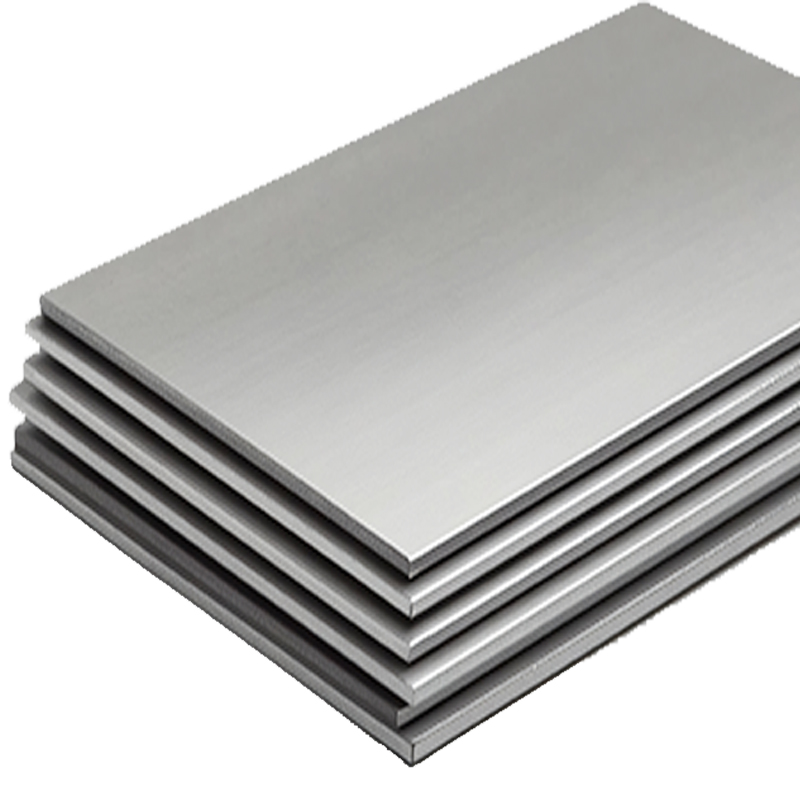
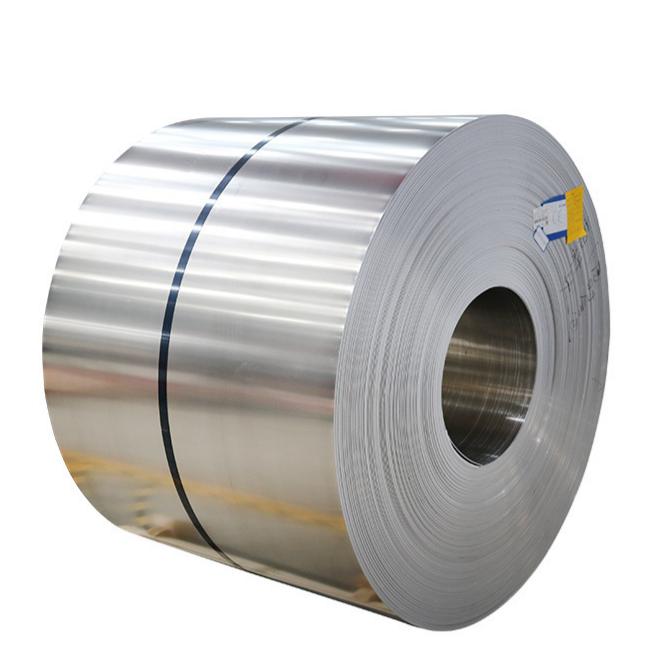
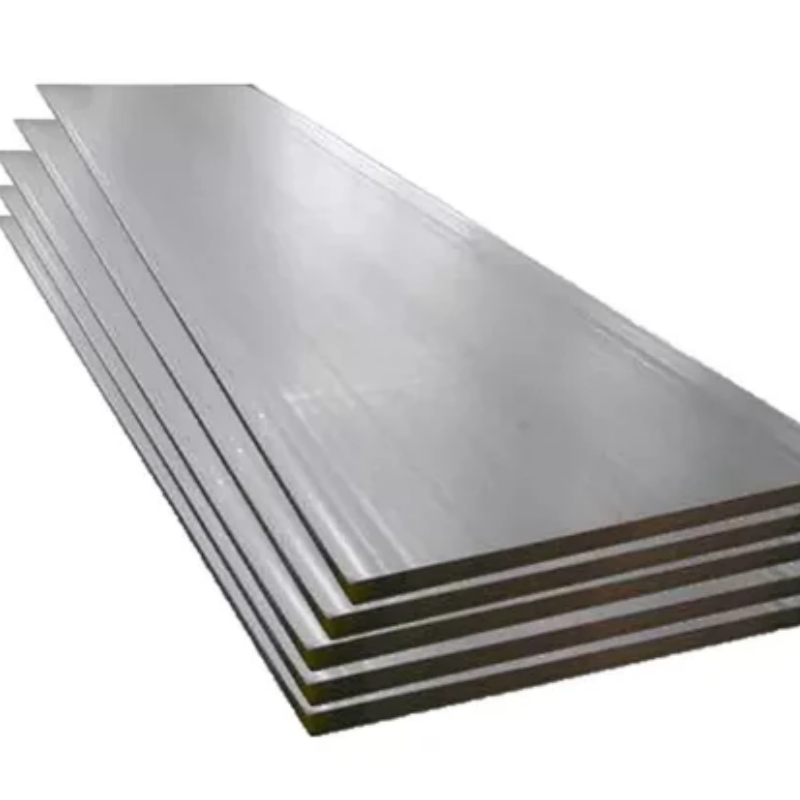
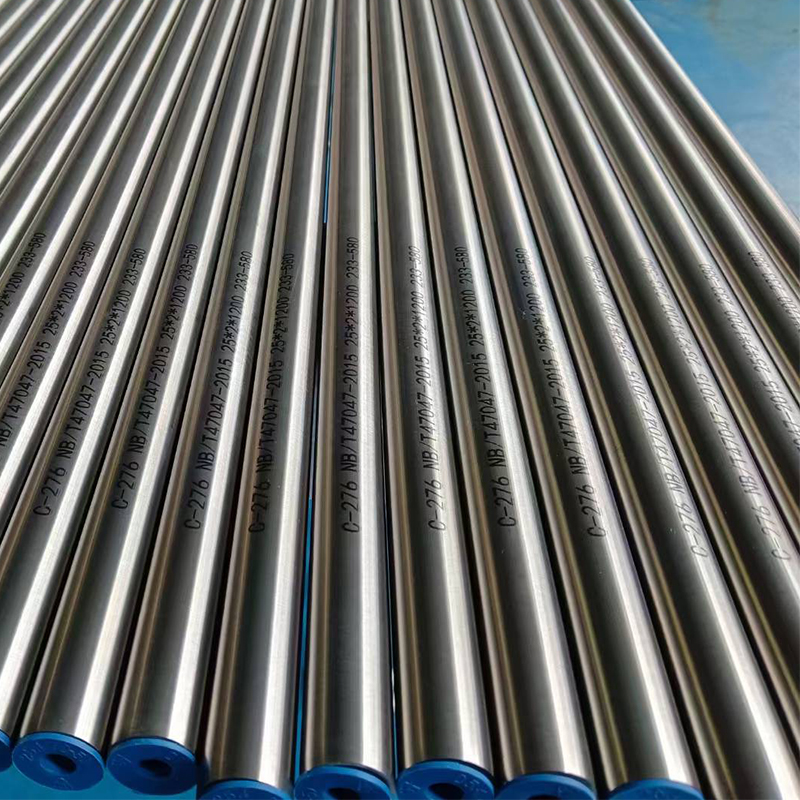
What Buyers Should Know
Before purchasing Hastelloy B-3 products, buyers should be aware of:
Material Properties: Hastelloy B-3 is known for its outstanding resistance to pitting and stress corrosion cracking in reducing environments. It is essential to understand how these properties align with your application requirements, particularly in industries like chemical processing and oil and gas
Specifications: Familiarize yourself with critical specifications such as dimensional tolerances, thickness, and surface finish. These factors can significantly affect the performance of the final product
Lead Times: Understand the expected lead times for production and delivery. This includes time for customization, which can vary between suppliers depending on their production capacity and processes
Minimum Order Quantities (MOQ): Different suppliers may have varying MOQs, which can affect your purchasing strategy. Be clear about your needs and discuss these with the supplier upfront
Pricing Factors: Consider how material cost fluctuations, production complexity, and customization impact pricing. Always request detailed quotations that outline all potential costs.