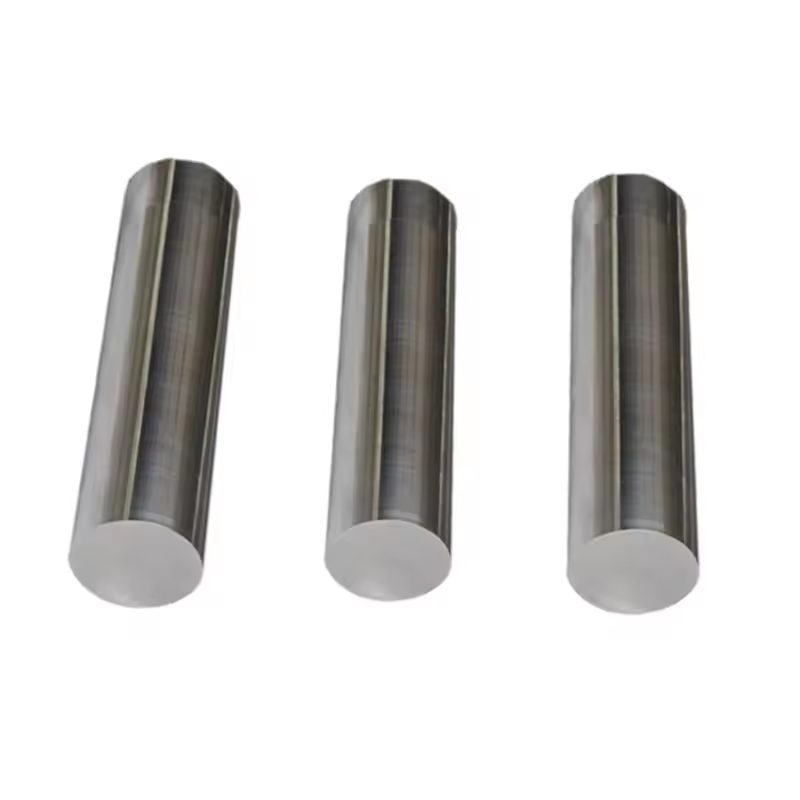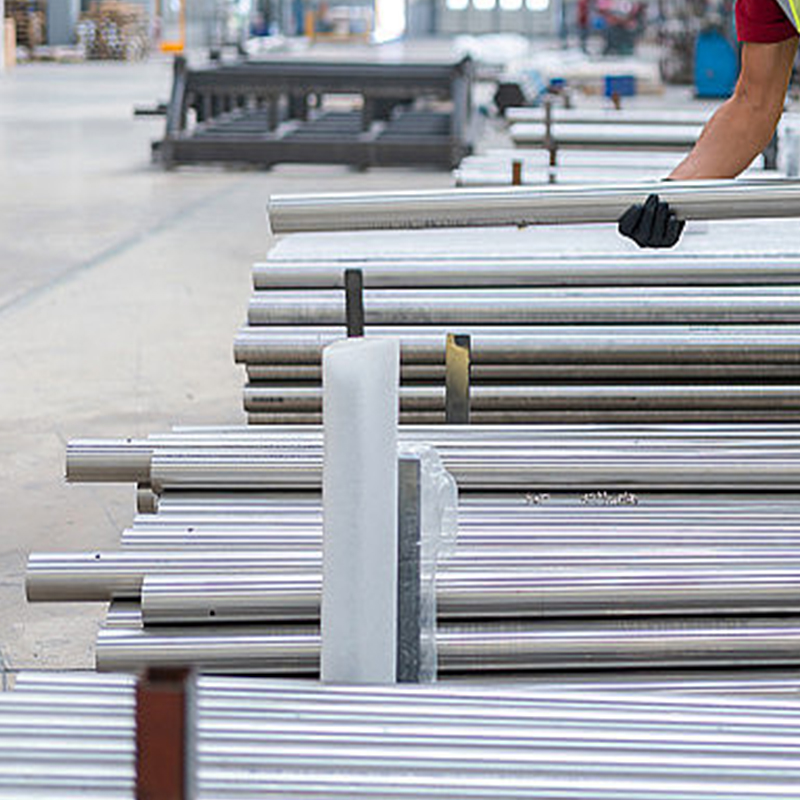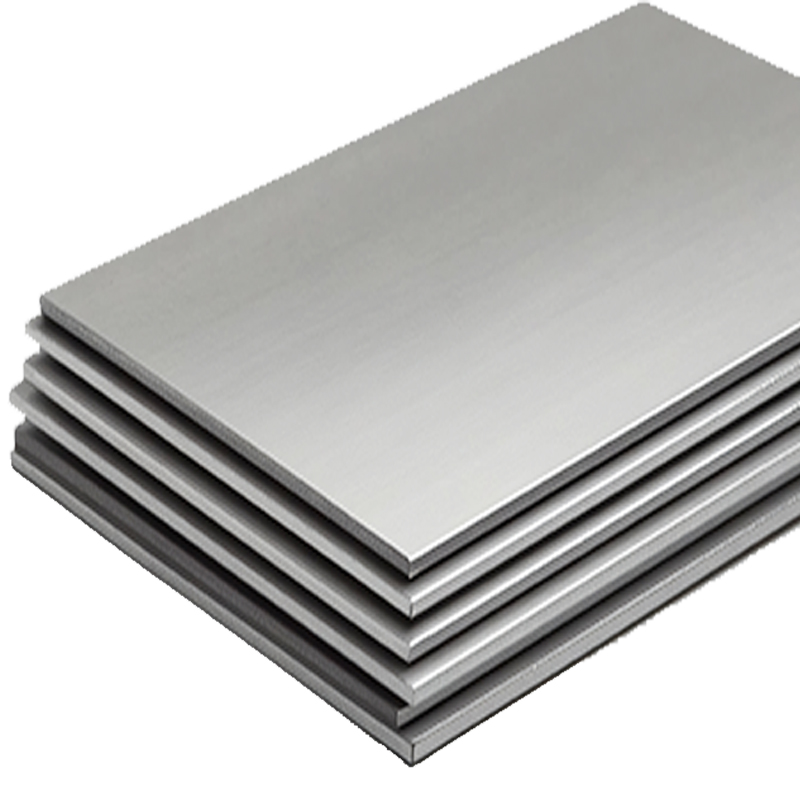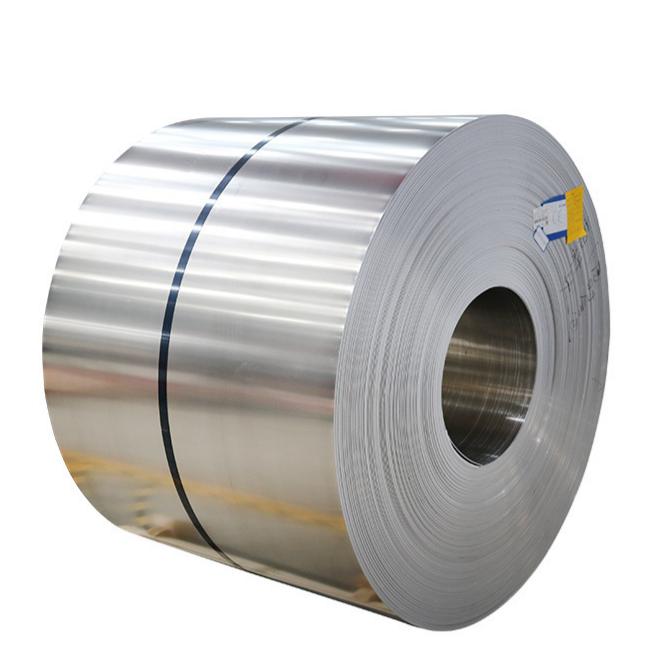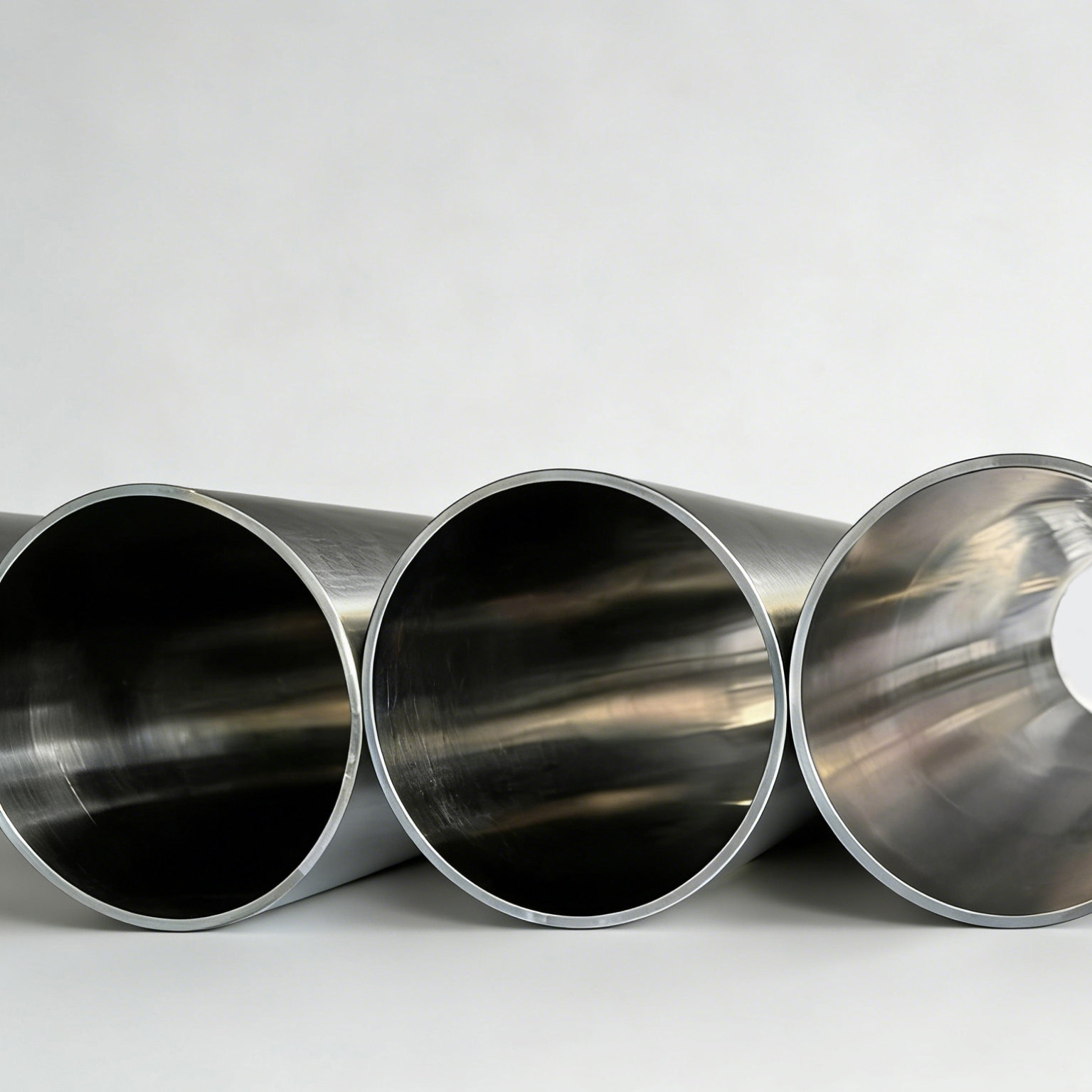
Cobalt-Base Alloy GH 605 for Industrial Applications

All Categories
Get a Quote

Get a Free Quote

Our representative will contact you soon.
Email
Mobile
Name
Company Name
Message
0/1000

Cobalt-Base Alloy GH 605

Cobalt-base alloy Boyue GH 605 is a high-performance material known for its exceptional heat resistance, strength, and corrosion resistance, making it a preferred choice in demanding industries such as aerospace, petroleum, and nuclear power. As buyers in these sectors consider sourcing this alloy, they typically have concerns regarding material specifications, application suitability, and supplier reliability. This article will provide insights into selecting the right cobalt-base alloy, sourcing high-quality GH 605, quality control measures, installation guidance, and common issues encountered with cobalt-base alloys
Our Products

Understanding Cobalt-Base Alloy GH 605 Specifications for Bulk Orders

Selecting the appropriate Boyue cobalt-base Hastelloy for your project requires a thorough understanding of the specific application and performance requirements. Key factors to consider include:

Chemical Composition: Cobalt-base alloys like GH 605 typically contain a blend of cobalt, chromium, and nickel, along with other elements such as tungsten or molybdenum. Each composition variant offers distinct properties, including improved wear resistance or enhanced thermal stability. Assess your application to determine which alloy composition best meets its demands

Operating Environment: Consider the environmental conditions where the alloy will be used, including temperature extremes, potential exposure to corrosive substances, and mechanical loads. For instance, GH 605 is particularly well suited for high-temperature applications, providing strength and oxidation resistance

Fabrication and Machining Requirements: Evaluate how the alloy will be processed. Some cobalt-base alloys can be more challenging to machine than others, which may impact production timelines and costs. Discuss your fabrication needs with potential suppliers to ensure compatibility

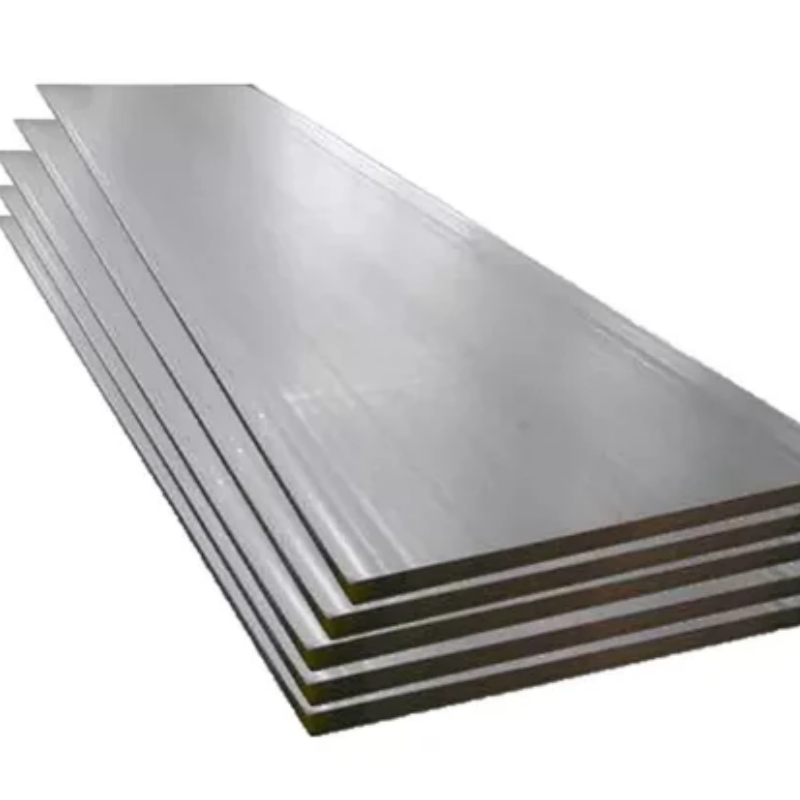
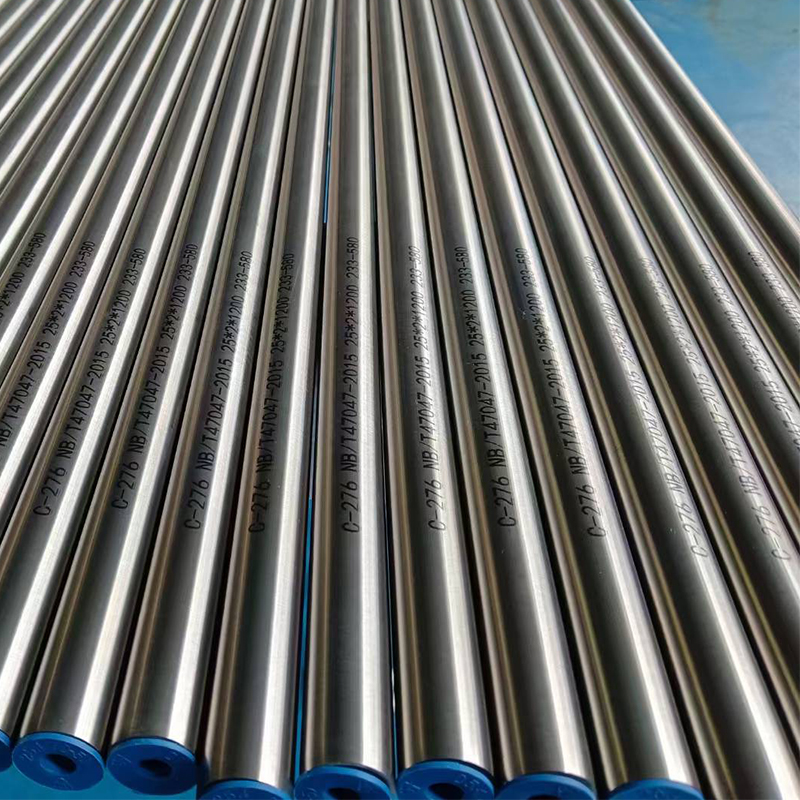
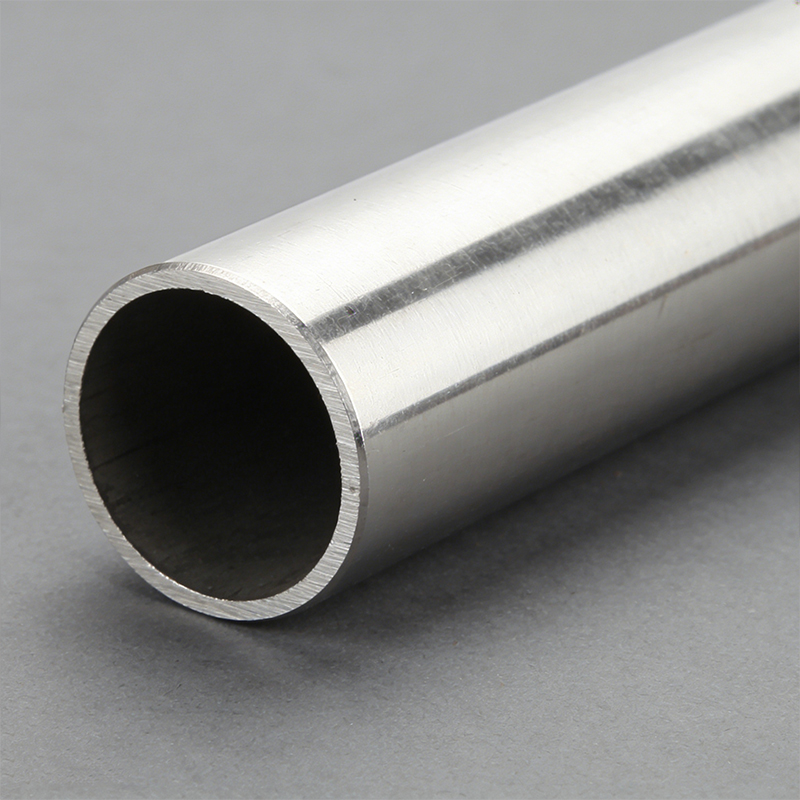
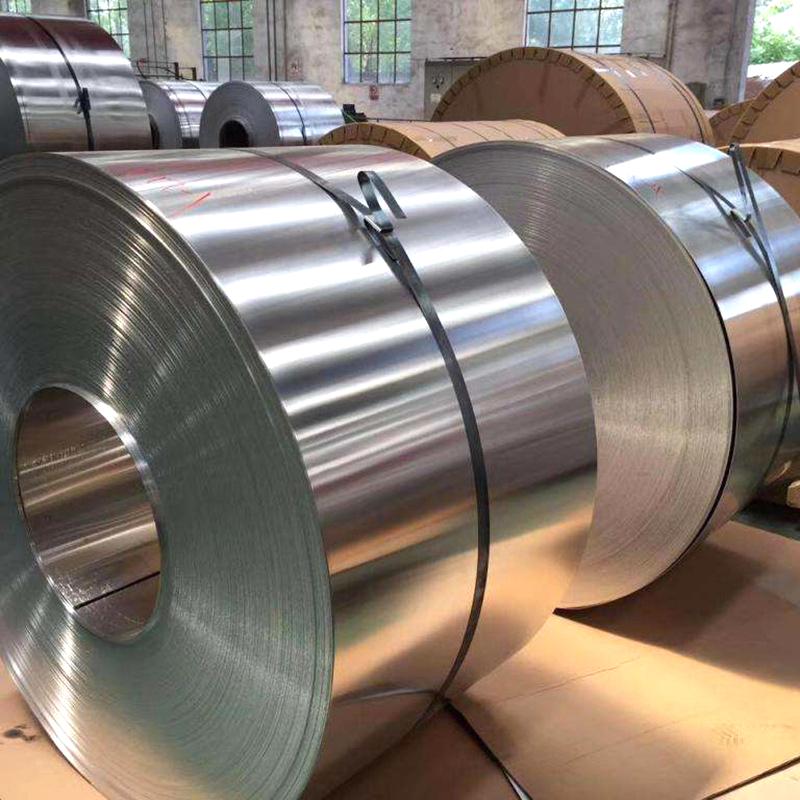
Custom Specifications: Depending on your project, you may require customized dimensions or forms. Ensure your supplier, such as Jiangsu Boyue Alloy Materials Co., Ltd., can accommodate these needs through their manufacturing capabilities

By addressing these factors early in the selection process, buyers can make informed decisions that align with their project requirements

Get a Free Quote

Our representative will contact you soon.
Email
Mobile
Name
Company Name
Message
0/1000

Related product categories

How to Choose Cobalt-Base Alloy GH 605 for Your Industrial Needs

How to Choose Cobalt-Base Alloy GH 605 for Your Industrial Needs

When sourcing Boyue cobalt-base alloy GH 605 Hastelloy B‑2, quality and reliability are paramount. Here are practical tips for finding dependable suppliers:

Certifications: Verify that the supplier holds relevant industry certifications, such as ISO9001 and AS9100. These certifications indicate adherence to quality management systems, which are crucial for maintaining product consistency

Manufacturing Capabilities: Look for suppliers with a complete production chain, including smelting and forging processes. This allows for better control over the alloy's quality from raw material to finished product. Jiangsu Boyue Alloy Materials Co., Ltd. exemplifies a manufacturer with a comprehensive capability in alloy material R&D and production

Experience in Target Industries: Choose suppliers who have experience in relevant sectors, such as aerospace or nuclear power. Their familiarity with industry-specific requirements can result in better product recommendations and support

Customer Support: Reliable suppliers will offer robust customer service, including technical support and guidance throughout the purchasing process. This can be invaluable for addressing any questions regarding material properties or application suitability

Sample Approval: Request samples of the alloy for testing before making a bulk order. This allows you to assess material quality and performance under your specific conditions

By focusing on these criteria, buyers can effectively source high-quality GH 605 cobalt-base alloys for their projects

Evaluating the Quality of Cobalt-Base Alloy GH 605 for

Quality control is critical in the production of cobalt-base Hastelloy B‑3 to ensure that they meet specified performance standards. Key quality control measures include:

Raw Material Inspection: All raw materials should undergo rigorous inspection and testing to confirm their chemical composition and purity before entering the production process

In-Process Monitoring: Implementing real-time monitoring of production processes, such as temperature and pressure during forging, is essential to ensure consistent material properties. This helps prevent variations that could affect the alloy's performance

Final Product Testing: Conduct comprehensive testing on finished products, including mechanical testing, corrosion resistance, and heat treatment performance. This ensures that the alloys meet the necessary specifications and standards for the intended application

Documentation and Traceability: Maintain detailed records of production processes, quality checks, and test results. This documentation not only helps in tracing any quality issues back to their source but also assures buyers regarding the product's reliability

Continuous Improvement: Establishing a culture of continuous improvement within the manufacturing process can help identify areas for enhancement. Regularly reviewing quality control measures and incorporating feedback can lead to better product outcomes

Implementing these quality control measures ensures that cobalt-base alloy GH 605 maintains the high standards required by critical industries

Sourcing Cobalt-Base Alloy GH 605 with Confidence

Proper installation of components made from cobalt-based alloy GH 605 is vital to ensure their optimal performance. Here are key considerations:

Surface Preparation: Ensure that the surfaces of the alloy components are clean and free of contaminants before installation. This can involve degreasing or polishing to achieve the proper finish

Fitting Tolerances: Verify that installation tolerances are adhered to, as even slight deviations can lead to performance issues. It is advisable to use precise measuring tools to ensure compatibility with existing structures or components

Joining Methods: Depending on the application, you may need to employ specific joining techniques, such as welding or bolting. Ensure that any joining methods used are compatible with the alloy’s properties to prevent weakening of the joint

Thermal Treatment Post-Installation: For high-stress applications, consider post-installation heat treatment. This can help relieve stresses induced during installation and enhance the overall mechanical properties of the alloy

Regular Inspections: Conduct periodic inspections of installed components to monitor for signs of wear or failure. Early detection of issues can prevent costly downtimes and extend the life of the components

By following these installation guidelines, buyers can maximize the performance and longevity of cobalt-base alloy GH 605 components in their applications

Cost Factors to Consider When Purchasing Cobalt-Base Alloy GH 605

While cobalt-base alloys like GH 605 offer numerous advantages, they are not without challenges. Here are some common problems and their solutions:

Corrosion Resistance Issues: Although cobalt-base alloys are generally corrosion-resistant, improper alloy composition or environmental factors can lead to unexpected corrosion. To mitigate this, always verify the alloy’s chemical composition against the specific corrosive environment it will face. Regular inspections can also help catch early signs of corrosion

Dimensional Inconsistencies: Variations in the manufacturing process can lead to dimensional inconsistencies, impacting fit and function. Buyers should engage with suppliers to establish clear specifications and tolerances before production to minimize this risk. Sample approval before mass production can also help ensure accuracy

Machining Challenges: Cobalt-base alloys can be difficult to machine due to their hardness. Using the appropriate tools designed for high-performance alloys, along with optimized machining parameters, can alleviate these issues. It’s essential to consult with experienced machinists who understand cobalt-base materials

Thermal Fatigue: In high-temperature applications, cobalt-base alloys may experience thermal fatigue, which can lead to crack formation. Buyers should consider the thermal cycling conditions in their application and work with manufacturers to select suitable alloy variants that offer improved thermal stability

Material Degradation: Over time, exposure to harsh conditions can lead to degradation of the alloy. Implementing a regular maintenance schedule that includes monitoring for signs of wear and tear can help prolong the life of components made from cobalt-base alloy GH 605

By being aware of these common issues and proactively addressing them, buyers can enhance the performance and reliability of cobalt-base alloys in their applications