Monel Tube Fittings: Key Benefits and Specifications

All Categories
Get a Quote

Get a Free Quote

Our representative will contact you soon.
Email
Mobile
Name
Company Name
Message
0/1000

monel tube fittings

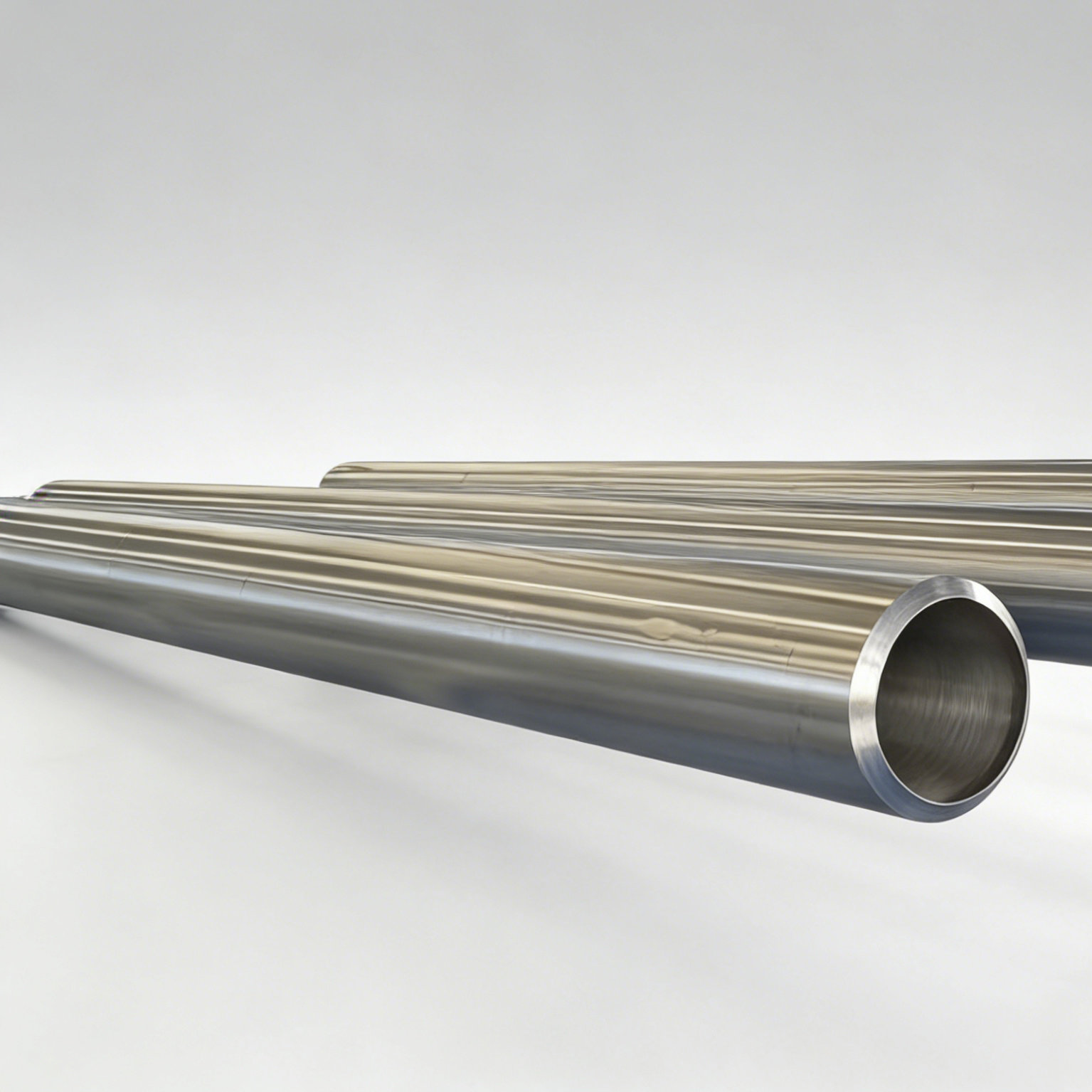
Monel tube fittings are specialized connectors made from a high-performance nickel-copper alloy, designed to withstand extreme environments, particularly those involving corrosive substances. For B2B buyers in industries such as aerospace, petroleum, and nuclear power, understanding the specifications, suppliers, and best practices related to these fittings is crucial. This article aims to address common buyer concerns, such as material compatibility, cost factors, and the advantages of using Monel tube fittings in various applications.
Our Products

Key Specifications for Monel Tube Fittings in Industrial Applications

When selecting Monel tube fittings, several key specifications must be considered to ensure they meet the demands of your specific application.

Material Composition: Monel typically comprises 63% nickel and 28% copper, offering excellent corrosion resistance and strength. Buyers should ensure that the alloy composition aligns with their environmental conditions, especially in applications involving seawater or acidic environments.

Pressure Ratings: The pressure rating of Monel fittings is crucial, particularly in high-pressure applications like those found in petrochemical plants. Buyers should verify that the fittings can handle the required pressure without risk of failure.

Temperature Resistance: Monel tube fittings can perform well in both high and low temperatures. Understanding the specific temperature range your application will encounter is essential to prevent mechanical failure.

Dimensions and Tolerances: Accurate dimensions are vital for ensuring proper fit and function. Buyers should confirm that the specified dimensions meet industry standards, as improper fitting can lead to leaks or system failures.

Surface Finish: The surface finish can impact the fitting's performance in corrosive environments. Buyers should consider the required finish based on the application to enhance longevity and resistance to corrosion.

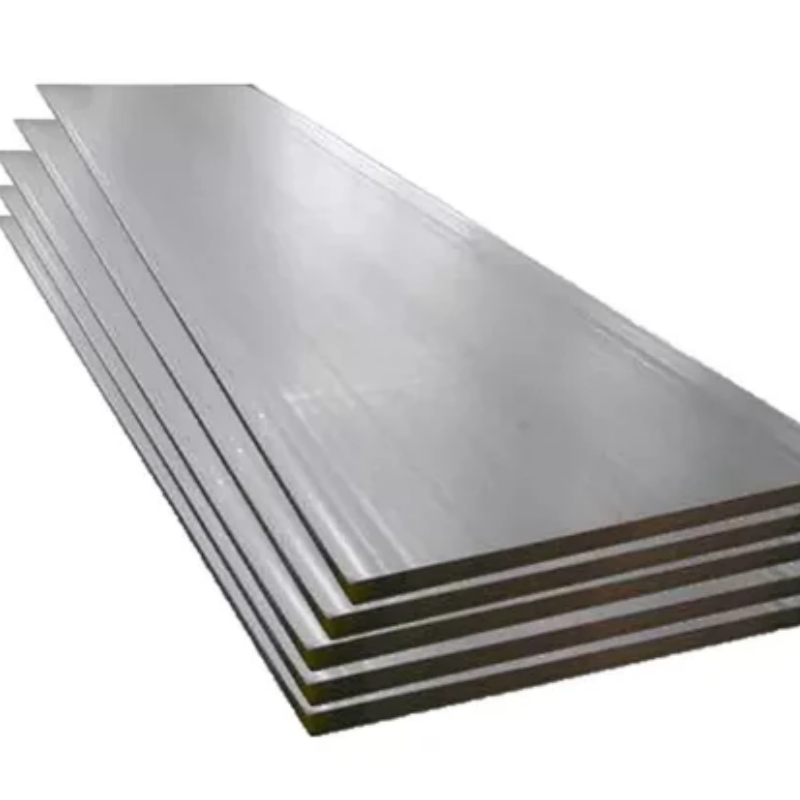
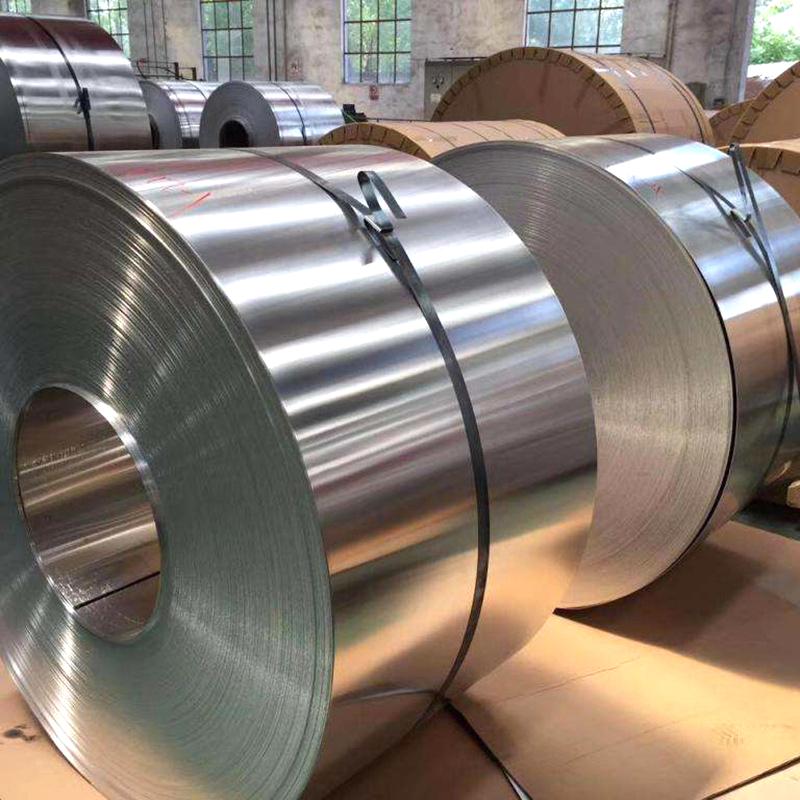
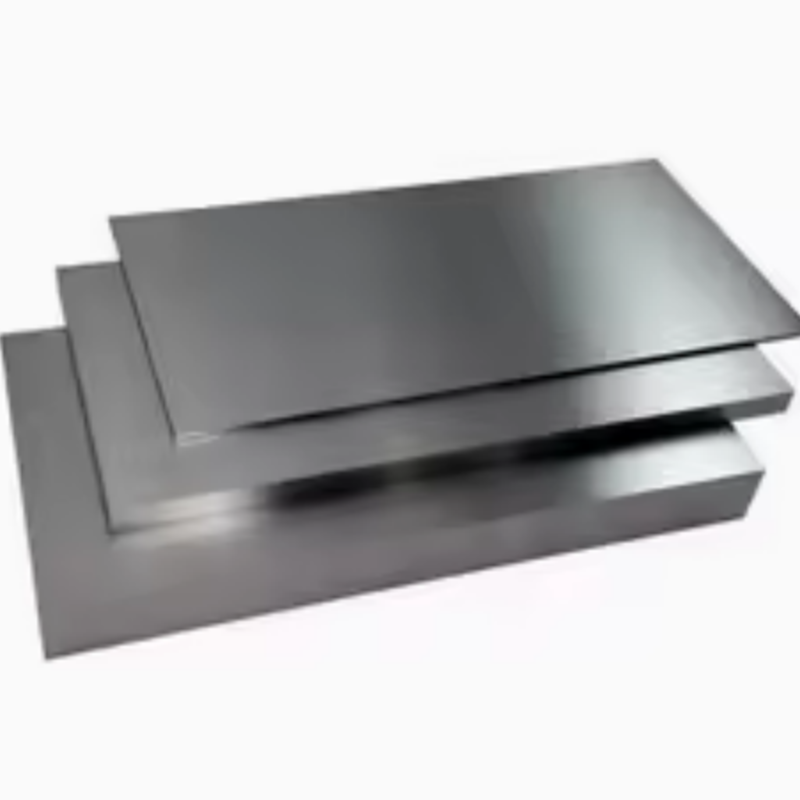
Understanding these specifications helps ensure that the Monel tube fittings selected are not only compatible but also capable of delivering reliable performance in mission-critical applications. For instance, similar considerations apply when selecting materials like ASTM B168 Inconel 600 Strips & Coils which also require attention to their specific properties.

Get a Free Quote

Our representative will contact you soon.
Email
Mobile
Name
Company Name
Message
0/1000

Related product categories

Where to Find Reliable Suppliers of Monel Tube Fittings

Where to Find Reliable Suppliers of Monel Tube Fittings

Finding reputable suppliers is essential for securing quality Monel tube fittings. Start by considering suppliers who specialize in nickel alloys and have a proven track record in your industry.

Industry Associations: Organizations such as the Nickel Institute or other relevant industry groups can provide directories of reputable suppliers.

Certifications: Look for suppliers that hold relevant certifications such as ISO9001 or AS9100, which indicate adherence to quality management standards. Jiangsu Boyue Alloy Materials Co., Ltd., for instance, has received several certifications, underscoring its commitment to quality in manufacturing.

Customer Reviews and Case Studies: Investigating customer feedback and case studies can provide insights into a supplier's reliability and product performance. Engaging with peers in your industry can also yield recommendations for trusted suppliers.

Direct Engagement: Consider reaching out to potential suppliers to discuss your specific needs. A supplier's response time, willingness to provide samples, and clarity in communication can be indicative of their overall service quality.

By carefully evaluating suppliers based on these criteria, buyers can ensure they partner with manufacturers capable of delivering high-quality Monel tube fittings like Inconel 600 Plates.
Cost Factors to Keep in Mind for Bulk Monel Tube Fittings Orders

Cost Factors to Keep in Mind for Bulk Monel Tube Fittings Orders

When ordering Monel tube fittings in bulk, several cost factors should be taken into account to ensure a favorable purchasing decision:

Material Costs: The price of nickel and copper can fluctuate significantly, impacting the overall cost of Monel fittings. Buyers should stay informed about market trends and consider long-term contracts if price stability is a concern.

Production Volumes: Bulk orders typically come with reduced per-unit costs. Understanding the minimum order quantities (MOQ) and how they relate to pricing can help in negotiating better deals.

Customization Requirements: If specific customization is needed for fittings, such as unique dimensions or surface treatments, this can increase costs. Buyers should weigh the benefits of customization against the potential price increases.

Shipping and Logistics: Shipping costs can vary based on the supplier’s location and the total weight of the order. It’s important to factor in these costs when calculating the total purchasing price.

Lead Times: Production lead times can affect overall costs. Longer lead times may cause delays that impact project timelines, so it’s wise to discuss these with suppliers upfront.

By understanding these cost factors, buyers can make informed decisions and negotiate effectively with suppliers.

Best Practices

Best Practices

To ensure successful procurement and utilization of Monel tube fittings, consider implementing these best practices:

Sample Approval: Before placing a large order, request and approve a sample. This allows for verification of fit, finish, and performance under operational conditions, minimizing the risk of costly errors during production.

Thorough Quality Inspection: Implement a robust quality inspection process. This should include checks for dimensional accuracy, surface finish, and material integrity. Ensuring that products meet established standards before use can prevent potential failures.

Documentation and Traceability: Keep thorough documentation of all specifications, approvals, and supplier communications. This traceability is vital for managing quality and compliance, especially in heavily regulated industries.

Supplier Relationships: Build strong relationships with suppliers. Open communication about project needs, changes, and challenges can facilitate better service and quicker resolutions.

Training and Awareness: Ensure that staff involved in installation or operation are well-trained in handling Monel fittings. Understanding the material properties and installation requirements can help avoid mistakes and enhance safety.

By following these best practices, organizations can optimize their use of Monel tube fittings and reduce the likelihood of complications in their applications.

Advantages of Using Monel Tube Fittings in Corrosive Environments

Monel tube fittings offer several advantages, particularly in environments that are prone to corrosion:

Exceptional Corrosion Resistance: Monel fittings are highly resistant to corrosion in a variety of environments, including acidic and saline conditions. This property makes them ideal for use in marine applications and chemical processing plants.

High Strength: The strength of Monel allows it to maintain integrity under high pressures and temperatures, which is crucial for industries like aerospace and nuclear power where safety is a priority.

Longevity: The durability of Monel fittings results in longer service life compared to other materials, reducing the frequency of replacements and maintenance. This not only cuts costs over time but also minimizes downtime in operations.

Versatility: Monel fittings can be used in a wide range of applications, from oil and gas extraction to manufacturing processes that involve harsh chemicals. Their adaptability makes them a preferred choice in various industrial settings.

Recyclability: Monel alloys are recyclable, contributing to sustainability efforts in manufacturing and reducing waste. This aspect can be beneficial for companies focusing on environmentally friendly practices.

By leveraging these advantages, companies can enhance their operational efficiency and safety in corrosive environments, ensuring that their systems remain reliable and effective over time.