Monel 400 Sheet: Specifications and Applications

All Categories
Get a Quote

Get a Free Quote

Our representative will contact you soon.
Email
Mobile
Name
Company Name
Message
0/1000

Monel 400 sheet

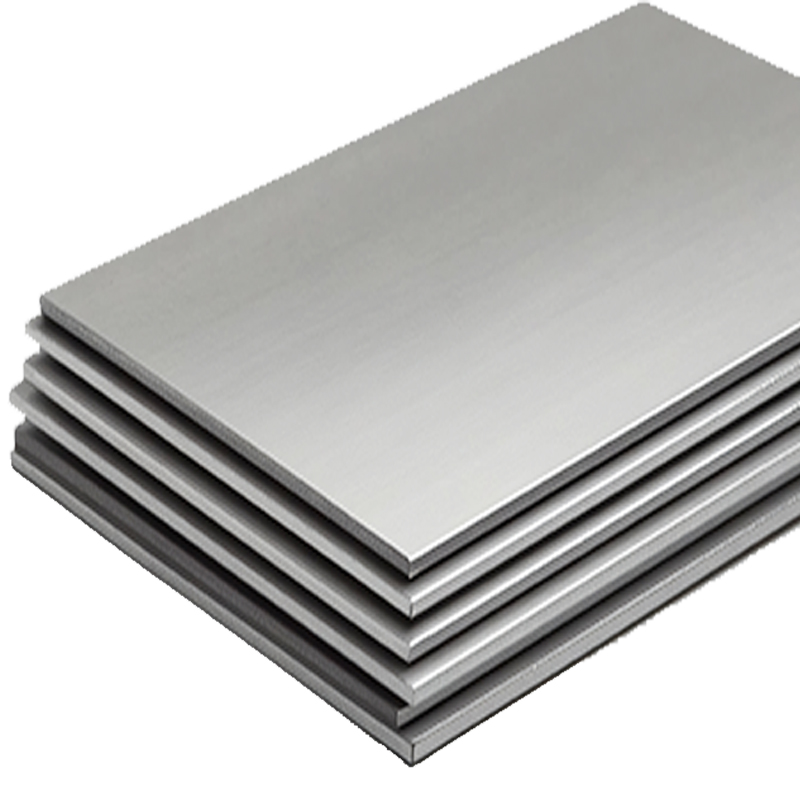
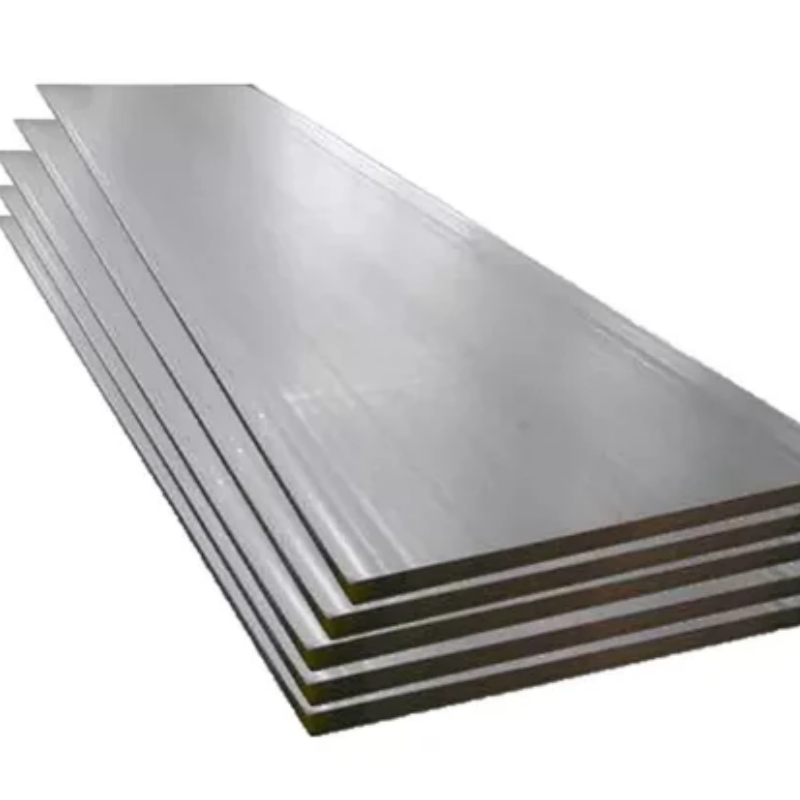
Monel 400 sheets are a type of high-performance nickel-copper alloy known for their excellent corrosion resistance and mechanical properties. When considering bulk orders of Monel 400, B2B buyers often focus on specifications, quality, and application suitability. This article aims to provide valuable insights into Monel 400 sheet specifications, quality evaluation, cost factors, applications in aerospace and energy industries, and common issues buyers may encounter. 
Our Products

Understanding Monel 400 Sheet Specifications for Bulk Orders

Monel 400 sheets are characterized by their unique chemical composition, primarily consisting of nickel (67% minimum) and copper (28-34%), along with trace amounts of iron, manganese, carbon, and silicon. These specifications influence the material's performance in various applications. Key specifications to consider include thickness, width, and length, which can vary significantly based on project requirements. Typical thicknesses range from 0.5 mm to 100 mm, and sheets can be ordered in custom sizes. Additionally, the monel 400 pipe mechanical properties, such as tensile strength (around 550 MPa) and yield strength (around 240 MPa), are crucial for ensuring that the material can withstand operational stresses. When placing bulk orders, buyers should also consider surface finish options, which can affect the alloy's corrosion resistance and aesthetic appeal. Common finishes include hot-rolled, cold-rolled, and polished surfaces, each serving different functional and aesthetic purposes. 

Get a Free Quote

Our representative will contact you soon.
Email
Mobile
Name
Company Name
Message
0/1000

Related product categories

How to Evaluate the Quality of Monel 400 Sheets for Projects

Evaluating the quality of Monel 400 sheets is essential for ensuring they meet specific project requirements. Buyers should request detailed certification from suppliers, confirming compliance with international standards such as ASTM B164 and ASME SB164. These certifications should include information on chemical composition, mechanical properties, and any relevant testing results. One practical approach to assessing quality is to inspect a sample before mass production. This sample should be evaluated not just for dimensions and surface finish but also for how it performs under actual operating conditions. For instance, buyers may conduct corrosion tests or stress tests to verify the material's suitability for their specific applications. Another important consideration is the supplier’s quality control processes. A reputable manufacturer, like Jiangsu Boyue Alloy Materials Co., Ltd., will have systematic quality checks in place throughout the production process, from raw material procurement to final inspection. Buyers should inquire about these processes to ensure consistent product quality. 

Cost Factors to Consider When Purchasing Monel 400 Sheets

Several cost factors influence the pricing of Monel 400 sheets. The alloy's intrinsic material cost is primarily driven by the fluctuating prices of nickel and copper on the global market. Therefore, buyers should monitor these commodity prices, as they can significantly affect the overall cost. Additionally, customization options will impact pricing. Custom sizes, thicknesses, and finishes may incur additional charges depending on the complexity of the monel 400 tubing order.  Buyers should provide clear specifications when requesting quotes to avoid unexpected costs. Logistics and delivery are also critical cost considerations. Shipping costs can vary based on the order size and delivery distance. For bulk orders, buyers should discuss packaging and shipping methods with suppliers to ensure that the products arrive safely and on time. Lastly, suppliers may offer different pricing tiers based on order quantities. Understanding minimum order quantities (MOQ) can help buyers leverage better pricing while ensuring they meet their project needs. 

Applications of Monel 400 Sheet in Aerospace and Energy Industries

Monel 400 sheets are widely used in the aerospace and energy sectors due to their exceptional resistance to corrosion and high temperatures. In aerospace applications, these sheets are often utilized in components that require high strength and reliability, such as engine parts, fuel tanks, and exhaust systems. The ability of Monel 400 to withstand harsh environments, including exposure to sea water and aggressive chemicals, makes it a preferred choice in this industry. 

In the energy sector, Monel 400 sheets find applications in offshore oil and gas platforms, where they are used in piping systems, valves, and pumps. The material's ability to resist pitting and stress corrosion cracking in saline environments is critical for maintaining the integrity and performance of these components. 

Moreover, Monel 400 is suitable for nuclear power applications, where its properties help ensure safe and efficient energy generation. As a result, suppliers must ensure that products meet rigorous regulatory standards relevant to these industries. 

Common Problems with Monel 400 Sheets and Their Solutions

Despite its favorable attributes, users may encounter specific challenges when working with Monel 400 sheets. One common issue is the potential for distortion during fabrication processes, such as cutting or welding. To mitigate this, it's advisable to use appropriate techniques and equipment specifically designed for nickel alloys.  Pre-heating the material before welding and using low heat input can also help prevent distortion. Another challenge is the risk of stress corrosion cracking, particularly in environments with high chloride levels. To address this, buyers should ensure that the sheets are properly processed and treated before use, and consider specifying additional corrosion-resistant treatments when necessary. Buyers should also be aware of the importance of proper storage and handling. Monel 400 sheets should be kept in a dry environment and protected from  contaminants that can lead to corrosion. Implementing proper handling procedures and training staff on best practices can help minimize these risks. By understanding these common issues and their solutions, buyers can better prepare for successful projects involving Monel 400 sheets, ensuring durability and performance in their applications.