
Choosing High-Quality Hastelloy Pipe Fittings

All Categories
Get a Quote

Get a Free Quote

Our representative will contact you soon.
Email
Mobile
Name
Company Name
Message
0/1000

hastelloy pipe fittings

Understanding the nuances of hastelloy pipe fittings is crucial for buyers in industries such as aerospace, petroleum, and nuclear power. These fittings are designed to withstand extreme temperatures and corrosive environments, making their selection vital for ensuring system integrity and operational efficiency. In this guide, we will cover how to choose the right hastelloy pipe fittings for your project, key specifications to evaluate, sourcing options, cost factors, and common issues that may arise.
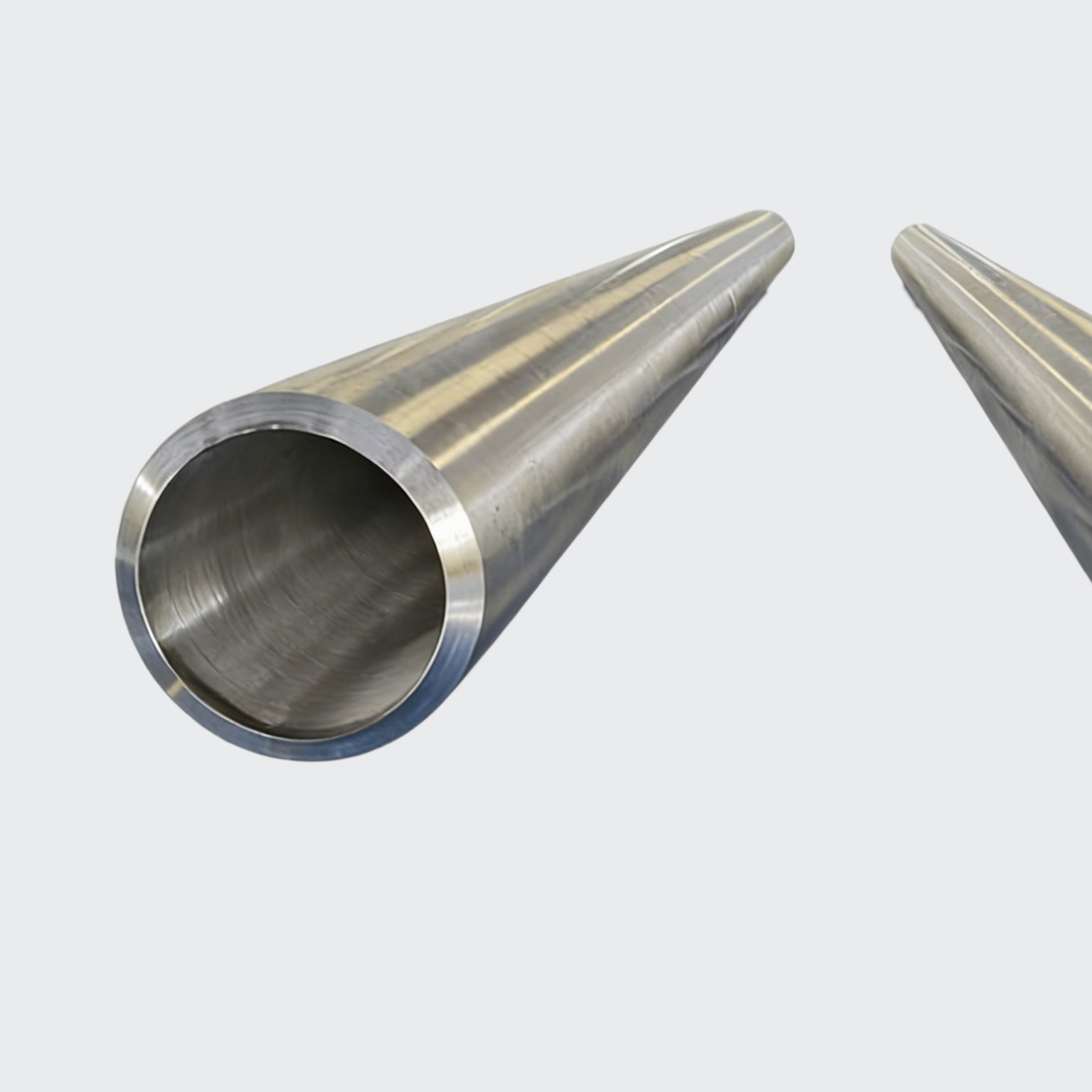
How to Choose the Right Hastelloy Pipe Fittings for Your Projec

Selecting the appropriate hastelloy pipe fittings requires careful consideration of both application requirements and material properties. Start by assessing the specific conditions under which the fittings will operate. Factors such as temperature, pressure, and the type of fluids being transported play significant roles in determining the right fitting.

Hastelloy alloys, known for their exceptional resistance to corrosion and heat, are available in various grades. Each grade offers unique characteristics that may be suitable for certain applications but not others. For example, Hastelloy C-276 is popular in chemical processing due to its excellent resistance to pitting and stress corrosion cracking. Engaging with a knowledgeable supplier can facilitate the identification of the best grade based on your project specifications. For instance, you might consider options like ASTM B333 Hastelloy B-2 Plates & Sheets for specific applications.

Additionally, consider the fitting type—be it elbows, tees, or flanges—each serving a different function in a piping system. Understanding these nuances will ensure that the fittings not only meet the technical requirements but also fit seamlessly within your existing setup.

Get a Free Quote

Our representative will contact you soon.
Email
Mobile
Name
Company Name
Message
0/1000

Related product categories

Key Specifications to Evaluate for Hastelloy Pipe Fittings

Key Specifications to Evaluate for Hastelloy Pipe Fittings

When evaluating hastelloy pipe fittings, several specifications are paramount. These include:

Material Composition: The specific alloy elements in hastelloy can affect its corrosion resistance and mechanical properties. Ensure the material meets the requirements for your application's environment.

Dimensions and Tolerances: Verify that the fittings conform to industry-standard dimensions. Proper tolerances are crucial to ensure a tight fit and to prevent leaks. Consult technical drawings or specifications to confirm these details.

Pressure Ratings: Each fitting type has a defined pressure rating. Ensure the fittings you select can handle the maximum pressure expected in your application without risk of failure.

Temperature Resistance: Different hastelloy grades perform better at varying temperature ranges. Confirm that the selected fittings can withstand the expected operational temperatures.

Certification and Compliance: Check for relevant certifications, such as ISO9001 or PED, that ensure the fittings meet specific quality and safety standards.

These specifications are critical to ensuring the fittings function correctly and safely in your application, preventing costly downtime and safety hazards.
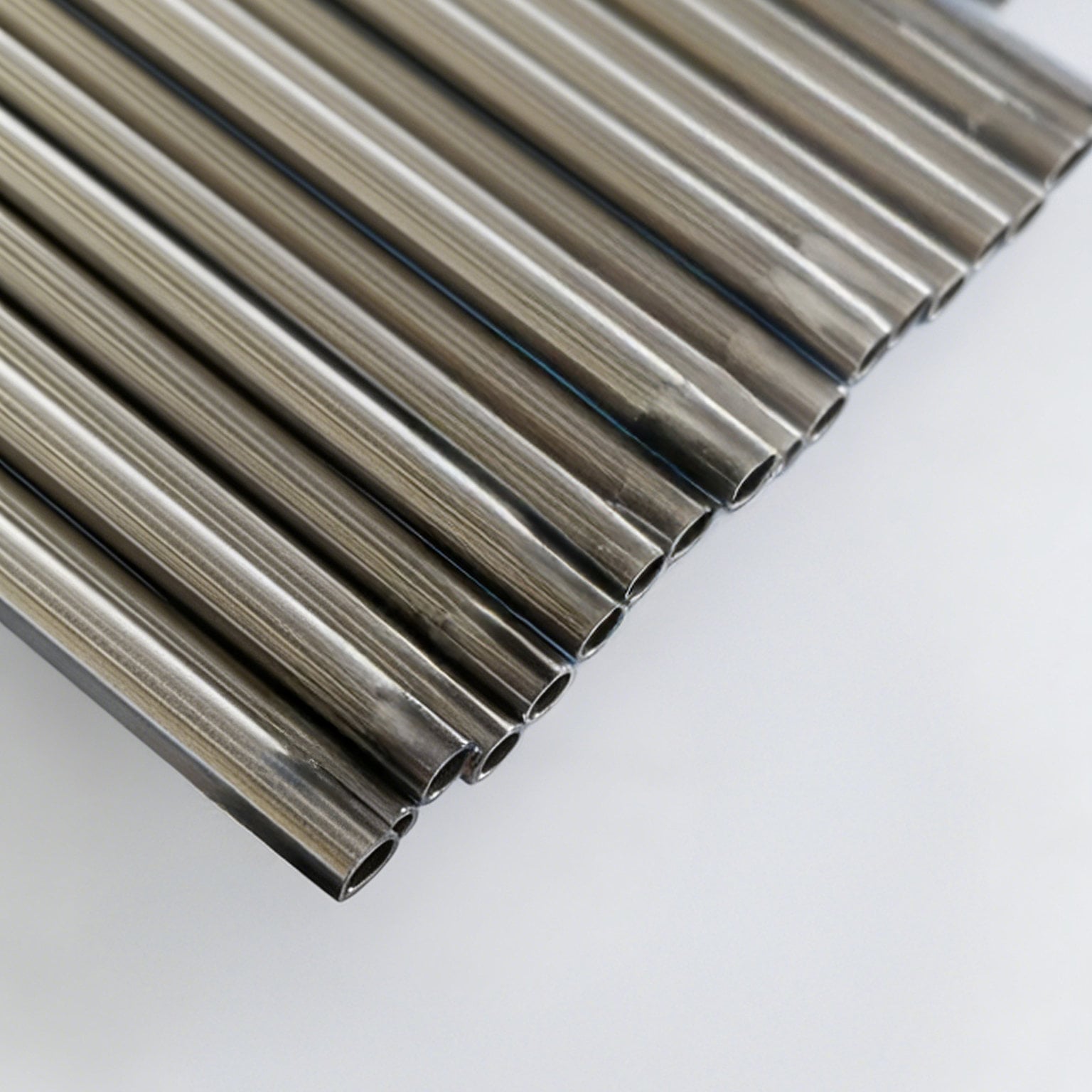
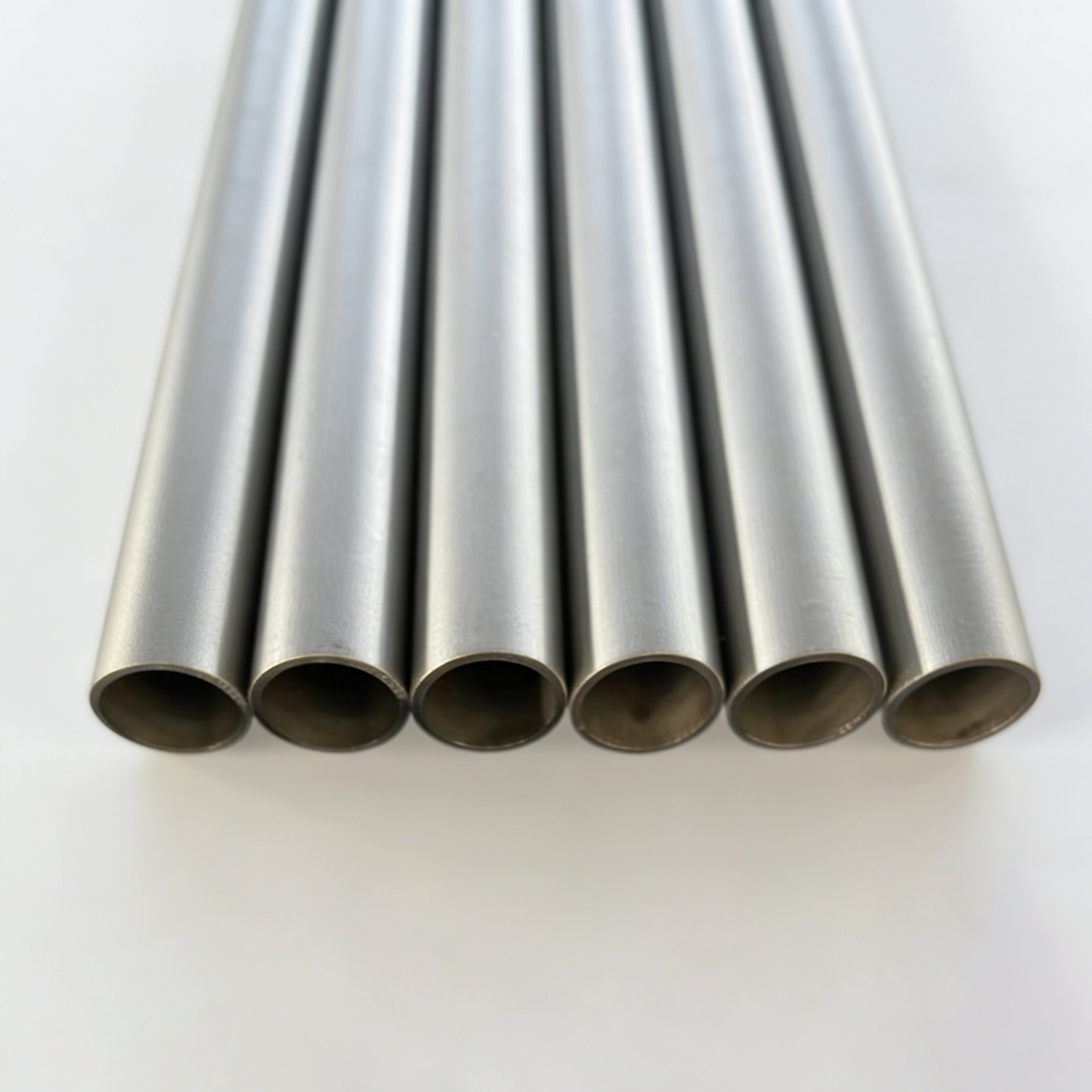
Wholesale Sourcing Options for High-Quality Hastelloy Pipe Fittings

Wholesale Sourcing Options for High-Quality Hastelloy Pipe Fittings

Wholesale sourcing can be an effective way to procure hastelloy pipe fittings, particularly for large projects. Look for suppliers who can offer a complete range of fittings and materials, accompanied by customization options to meet specific project needs. Consider suppliers like Jiangsu Boyue Alloy Materials Co., Ltd., which provides a comprehensive manufacturing process from smelting to forging. This not only ensures quality control but also allows for tailored solutions according to your specifications. When sourcing, inquire about minimum order quantities (MOQ) and lead times, which can vary significantly between manufacturers.

Additionally, leverage industry connections and attend trade shows to evaluate potential suppliers. Establishing relationships with manufacturers can also lead to better pricing and terms, as well as insights into upcoming material developments. You may also explore products like ASTM B167 Inconel 600 Pipes & Tubes as part of your sourcing strategy.

Understanding the Cost Factors of Hastelloy Pipe Fittings

Understanding the Cost Factors of Hastelloy Pipe Fittings

The cost of hastelloy pipe fittings can vary based on several factors. Understanding these can help you budget effectively:

Material Costs: The price of hastelloy alloys can fluctuate based on market demand and raw material availability. Grades that offer higher corrosion resistance or special properties typically come at a premium.

Fabrication Complexity: More intricate fittings, such as those requiring specialized machining or custom designs, will generally incur higher labor costs. It’s essential to factor in these costs when calculating total expenses.

Volume Discounts: Purchasing in bulk often leads to cost savings. Evaluate your project requirements to determine if ordering larger quantities can be beneficial.

Shipping and Handling: Consider the logistics of transporting the fittings, especially if sourcing from international suppliers. Shipping costs can significantly impact overall pricing.

Quality Assurance: Engaging with suppliers that provide thorough quality control processes may result in higher upfront costs but can save money in the long run by reducing the risk of failures or recalls.

Understanding these factors will enable you to make informed purchasing decisions and optimize your budget.

Common Problems with Hastelloy Pipe Fittings and Their Solutions

Despite their advantages, hastelloy pipe fittings can present challenges. Here are common problems and effective solutions:

Corrosion Issues: While hastelloy is known for its corrosion resistance, certain environments can still lead to localized corrosion. It’s advisable to conduct a thorough analysis of the operating environment and select the appropriate alloy grade.

Improper Installation: Misalignment or incorrect installation can lead to leaks. Ensure that adequate training and guidelines are provided to installation teams. Using proper tools and techniques is essential for achieving a secure fit.

Material Compatibility: In multi-material systems, the potential for galvanic corrosion exists. Ensure that all materials in contact with the hastelloy fittings are compatible to mitigate this risk.

Supply Chain Delays: Delays in sourcing can disrupt project timelines. Maintain clear communication with suppliers and consider alternative sourcing strategies or buffer stock to manage potential delays.

By proactively addressing these common issues, you can enhance the operational performance of your hastelloy pipe fittings and minimize downtime.

In summary, selecting the right hastelloy pipe fittings involves a careful assessment of project specifications, sourcing from reputable suppliers, understanding cost factors, and being aware of common problems and their solutions. With this knowledge, purchasing managers can make informed decisions that enhance efficiency and safety in their operations.