
Hastelloy Fittings: Specifications and Benefits

All Categories
Get a Quote

Get a Free Quote

Our representative will contact you soon.
Email
Mobile
Name
Company Name
Message
0/1000

hastelloy fittings

Hastelloy fittings are specialized components made from high-performance nickel alloys, designed for demanding applications in industries such as aerospace, petroleum, nuclear power, and new energy. As a purchasing manager or engineer, understanding the specifications, benefits, and selection criteria for Hastelloy fittings is crucial for ensuring the reliability and safety of your projects. This article will provide you with the insights needed to make informed decisions about these critical components, guiding you through specifications, selection criteria, advantages, and supplier evaluation.
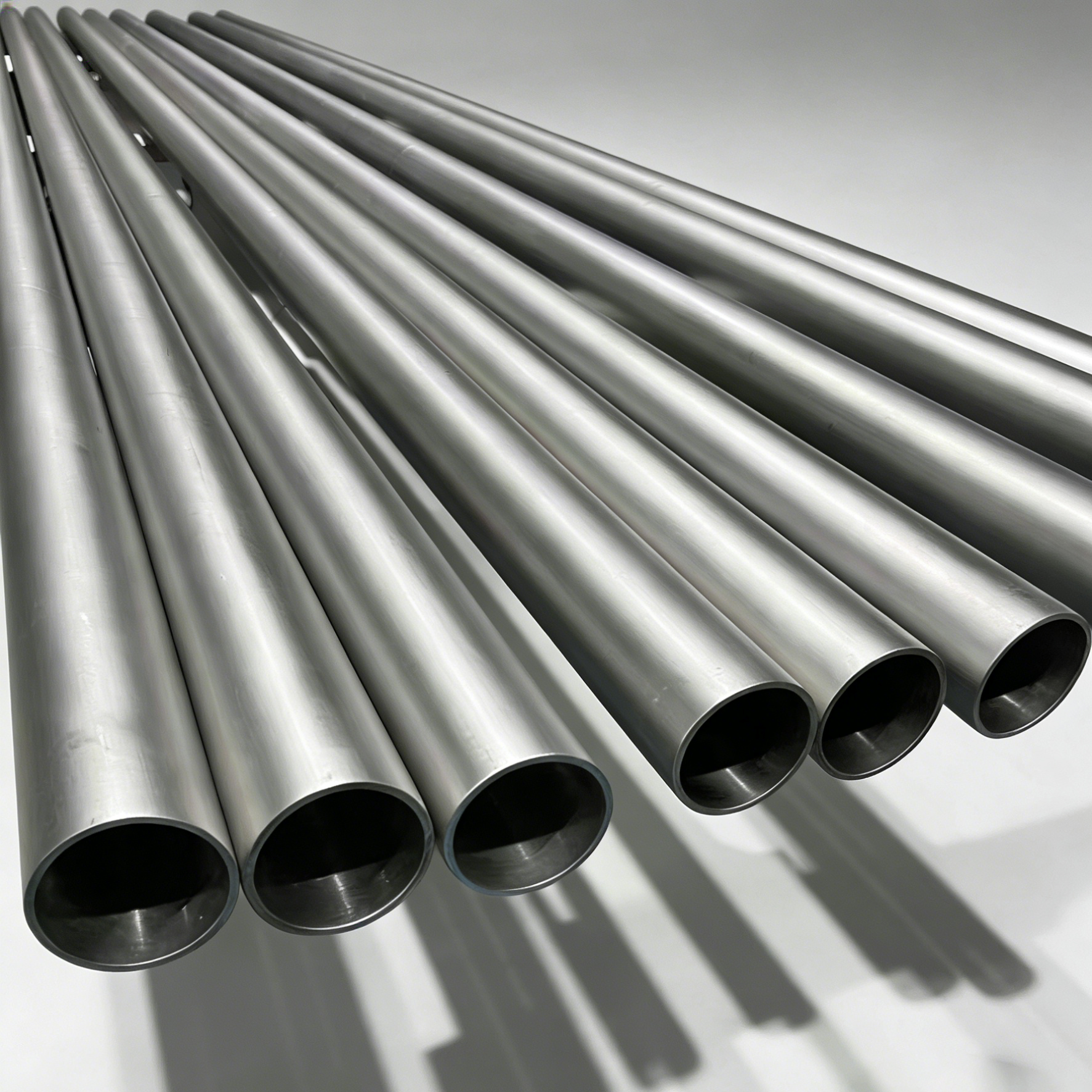
Specifications for Buyers

When evaluating Hastelloy fittings, several specifications are crucial to consider:

Material Composition: Hastelloy alloys are primarily composed of nickel, with varying amounts of molybdenum, chromium, and other elements. The specific composition affects corrosion resistance, strength, and temperature tolerance, so it is vital to select the right alloy for your application. For example, if you require corrosion resistance in extreme environments, you might consider options such as ASTM B328 Hastelloy B-2 Strips & Coils.

Dimensions: Common specifications include outer diameter, wall thickness, and length. These dimensions must match the requirements of the piping or equipment in which the fittings will be installed. Ensuring compatibility with existing systems is essential to avoid leaks and failures.

Pressure Ratings: Fittings must be rated to handle the maximum pressure of the application. This rating is typically expressed in PSI or bar and should align with the operational conditions of your system.

Temperature Limitations: Different Hastelloy grades have varying temperature tolerances. Knowing the operational temperature range is crucial for selecting the appropriate fitting to ensure it performs reliably without failure.

Certification Standards: Ensure that the fittings meet relevant industry standards and certifications, such as ISO9001, AS9100, or PED. This guarantees the quality and reliability of the products in critical applications.

Get a Free Quote

Our representative will contact you soon.
Email
Mobile
Name
Company Name
Message
0/1000

Related product categories

How to Choose the Right Hastelloy Fittings for Your Projects

How to Choose the Right Hastelloy Fittings for Your Projects

Selecting the right Hastelloy fittings involves several key considerations:

Understand the Application Requirements: Identify the specific conditions the fittings will be exposed to, including temperature, pressure, and the type of fluids they will carry. This information will guide you in selecting the correct Hastelloy grade.

Evaluate Corrosion Resistance: Different environments require varying levels of corrosion resistance. For instance, if the fittings will be used in a highly corrosive environment, a Hastelloy grade with higher molybdenum content may be necessary. Consider options such as ASTM B333 Hastelloy B-2 Plates & Sheets for enhanced durability.

Check Compatibility with Existing Systems: Ensure that the fittings you choose will seamlessly integrate with your existing piping or equipment. This includes verifying dimensions and pressure ratings.

Consider Customization Needs: If your project requires specific dimensions or configurations, work with a manufacturer that offers customization capabilities. Jiangsu Boyue Alloy Materials Co., Ltd., for example, provides a one-stop service for custom Hastelloy fittings.

Request Samples: Before placing a large order, request samples to evaluate the quality and fit of the fittings in real-world conditions. This step can help prevent costly mistakes later in the project.
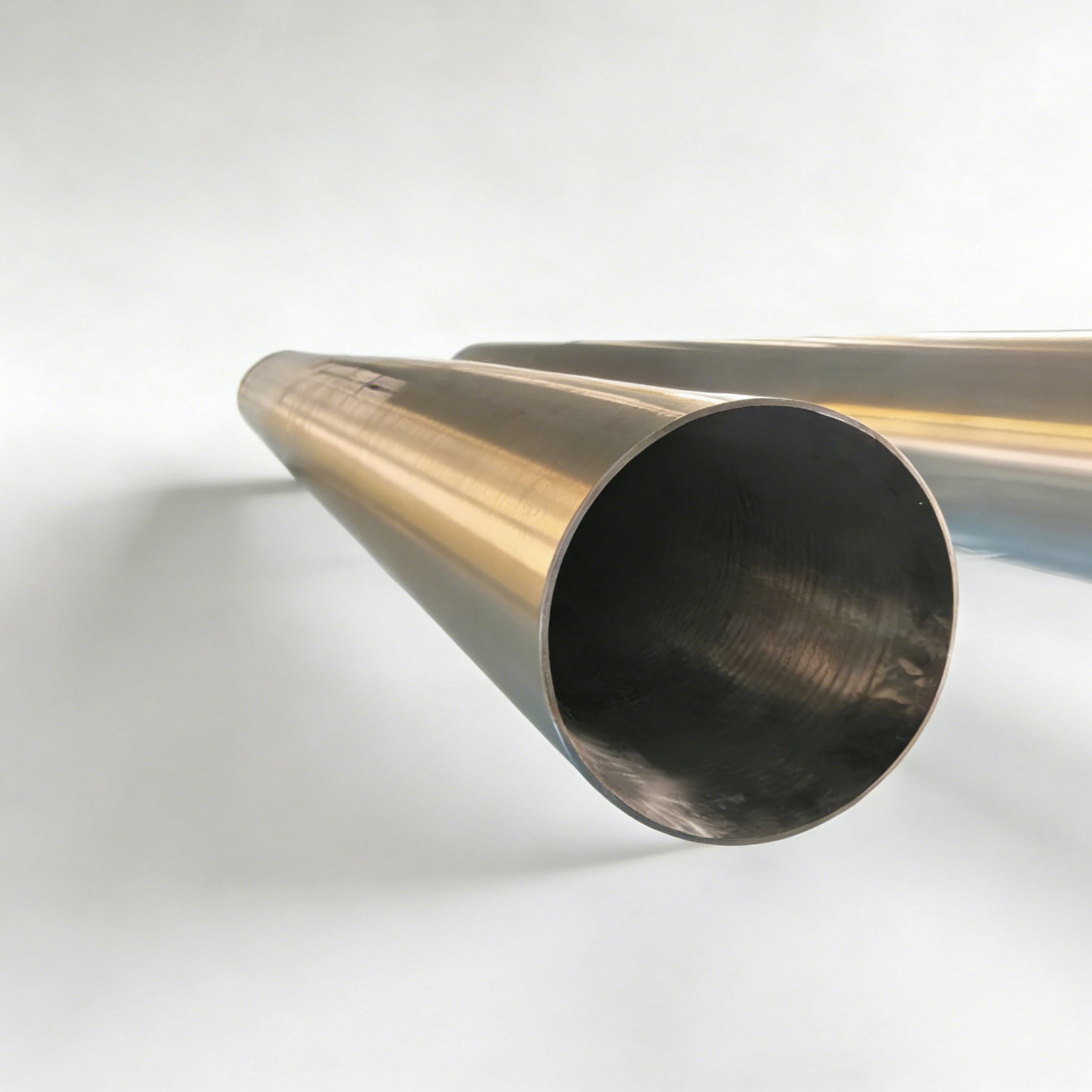
A Guide

A Guide

When purchasing Hastelloy fittings, follow these guidelines:

Prepare Detailed Specifications: When requesting a quote or discussing your needs with suppliers, provide detailed specifications, including material type, dimensions, pressure ratings, and any specific certification requirements.

Ask About Manufacturing Processes: Understanding how your fittings are produced can give you insights into their quality. Inquire about the manufacturer’s quality control processes and certifications.

Evaluate Supplier Experience: Choose a supplier with proven expertise in manufacturing Hastelloy fittings. A supplier like Jiangsu Boyue Alloy Materials Co., Ltd., which has extensive experience and certifications, can provide the assurance needed for critical applications.

Discuss Lead Times and Minimum Order Quantities (MOQs): Clarify lead times and MOQs to ensure they align with your project timelines. This is particularly important for custom solutions.

Inspect Quality Control Measures: Check if the supplier has robust quality control measures in place, including material testing and inspection protocols, to ensure that the fittings meet the required standards.

The Advantages of Hastelloy Materials Explained

The Advantages of Hastelloy Materials Explained

Hastelloy materials offer several key advantages that make them ideal for demanding applications:

Exceptional Corrosion Resistance: Hastelloy alloys are known for their outstanding resistance to a wide range of corrosive environments, including strong acids and high-temperature conditions. This makes them suitable for use in chemical processing and oil and gas applications.

High Strength and Durability: These alloys maintain their strength even at elevated temperatures, making them reliable in high-stress environments. This strength helps prevent failures that could lead to costly downtime.

Versatility: Hastelloy fittings can be used across various industries, including aerospace, nuclear, and energy sectors. Their adaptability makes them a preferred choice for many engineering applications.

Reduced Maintenance Costs: Due to their durability and resistance to corrosion, Hastelloy fittings often require less frequent replacement, leading to lower maintenance costs over time.

Customizable Options: Many manufacturers, including Jiangsu Boyue Alloy Materials Co., Ltd., provide custom solutions tailored to specific project requirements, ensuring that you get the right fittings for your needs.

Finding the Best Supplier for Your Needs

Choosing the right supplier for Hastelloy fittings is critical to ensuring quality and reliability. Here are key factors to consider:

Reputation and Experience: Look for suppliers with a strong reputation in the industry and a track record of successfully delivering Hastelloy fittings. Experienced suppliers are more likely to understand the complexities involved in manufacturing these specialized components.

Quality Certifications: Ensure that the supplier holds relevant certifications, such as ISO9001 and AS9100. These certifications indicate a commitment to quality management and consistent production standards.

Customization Capabilities: If your project requires specific fittings, choose a supplier that offers customization options. This flexibility can be crucial for meeting unique project requirements.

Customer Support and Communication: Effective communication is vital during the purchasing process. A supplier that provides clear, timely responses to inquiries can help facilitate a smoother procurement experience.

After-Sales Support: Inquire about the supplier’s after-sales support, including warranty policies and assistance with installation or troubleshooting. Good after-sales support can enhance your overall experience and satisfaction with the product.

By considering these factors and following the guidelines provided, you can confidently select the right Hastelloy fittings for your projects, ensuring safety and efficiency in your operations.