Inconel X-750: Key Specifications and Sourcing Tips

All Categories
Get a Quote

Get a Free Quote

Our representative will contact you soon.
Email
Mobile
Name
Company Name
Message
0/1000

Inconel X-750

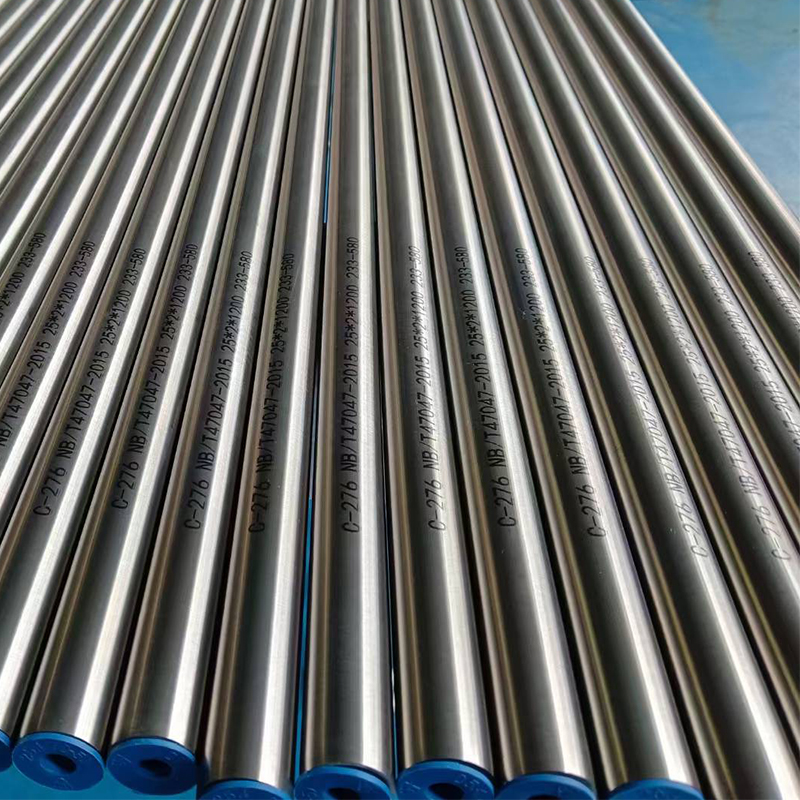
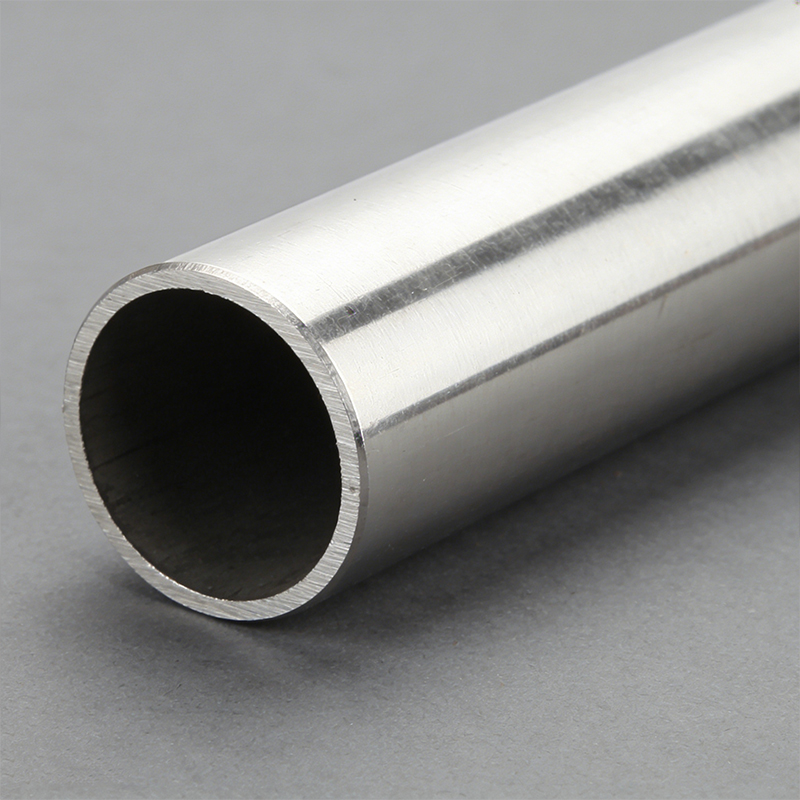
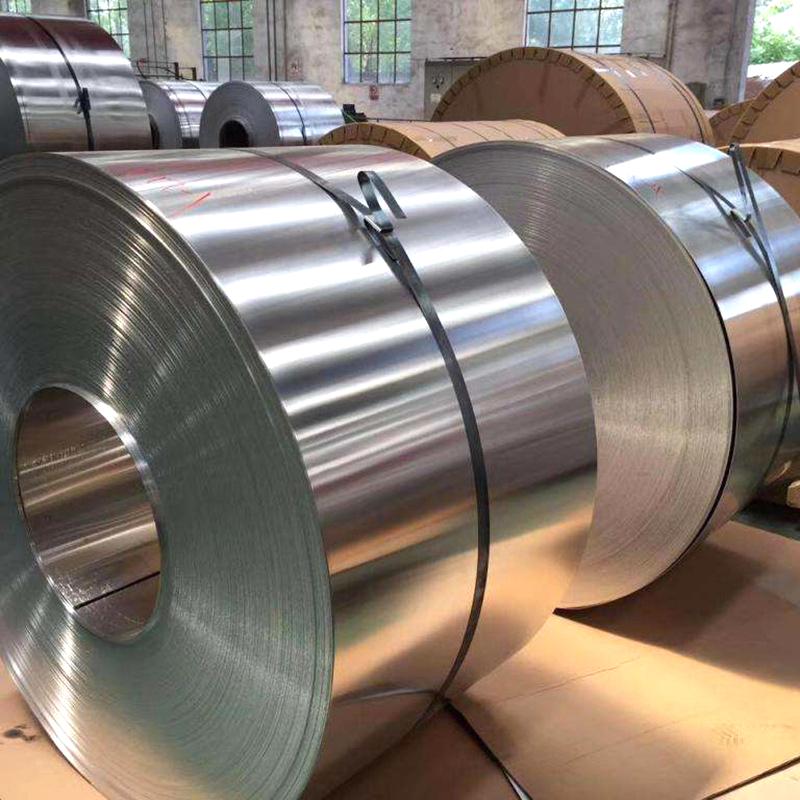
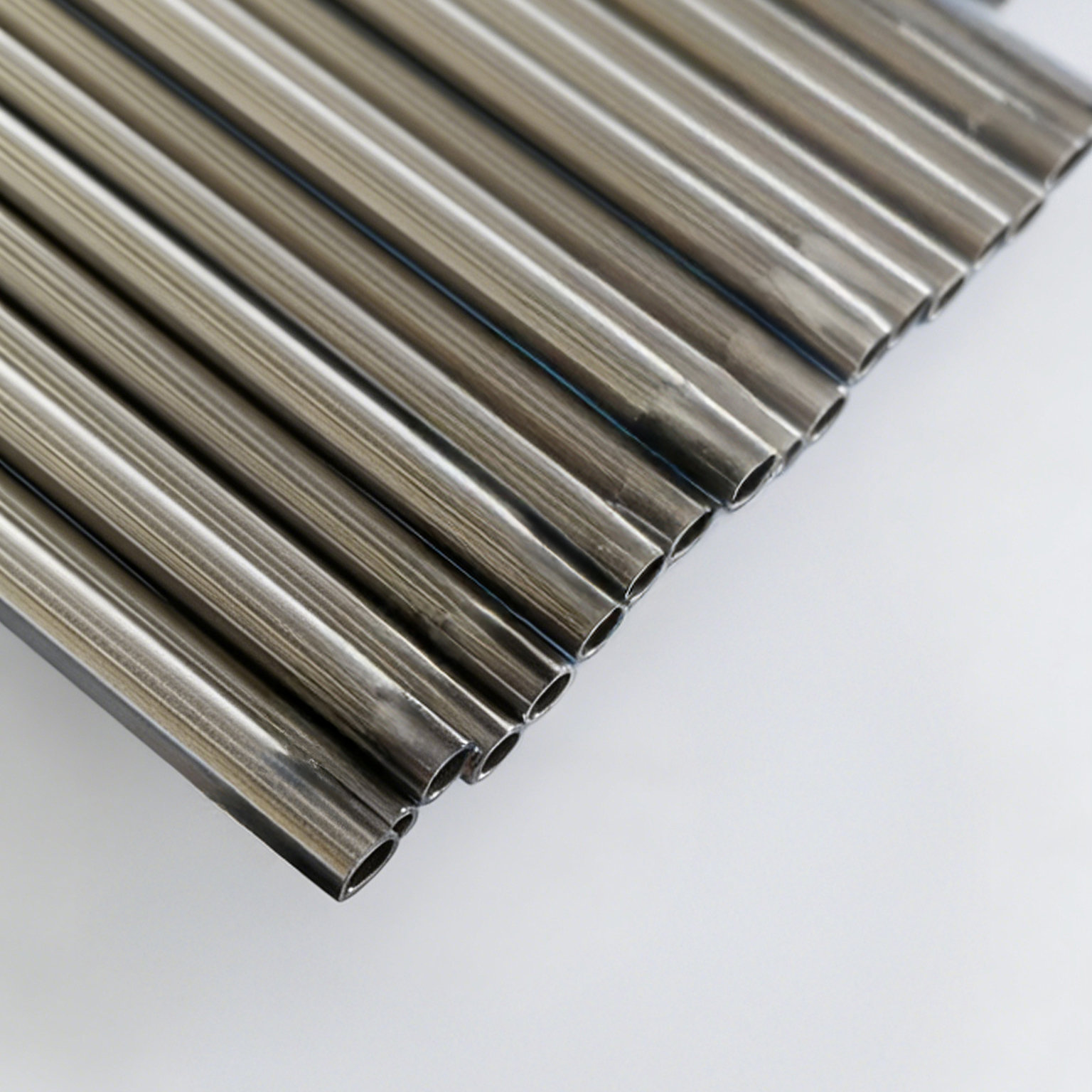
Inconel X-750 is a versatile nickel-chromium alloy known for its exceptional resistance to heat and corrosion, making it a preferred choice in demanding industrial applications such as aerospace, petroleum, and nuclear power. For B2B buyers, understanding the specifications, sourcing options, cost factors,  and common challenges associated with INCONEL 600 is crucial for making informed purchasing decisions. This article will cover the key specifications for wholesale buyers, sourcing strategies, cost considerations, best practices for procurement, and common issues along with their solutions. 
Our Products

Key Specifications for Wholesale Buyers

When evaluating Inconel X-750 for purchase, several key specifications should be considered: 

Chemical Composition: Inconel X-750 typically contains nickel (70-75%), chromium (14-17%), and iron (5-9%), along with small amounts of carbon,  manganese, silicon, sulfur, and other elements. Understanding the precise composition is essential as it influences the alloy's performance in extreme environments. 

Mechanical Properties: Key mechanical properties include yield strength, tensile strength, and elongation. For Inconel X-750, the yield strength can reach up to 1,000 MPa at elevated temperatures, making it suitable for high-stress applications. 

Temperature Resistance: This alloy maintains its mechanical integrity at temperatures up to 1,600°F (870°C), which is crucial for applications such as gas turbine components and industrial furnaces. 

Fabrication Methods: Inconel 718 can be processed via various methods like welding, machining, and forming. It's important for buyers to specify their preferred fabrication techniques as they affect lead times and costs. 

Quality Standards: Buyers should ensure that suppliers adhere to relevant industry certifications such as ISO9001, AS9100, and PED, which are indicative of rigorous quality control processes. 

By confirming these specifications, buyers can ensure that the Inconel X-750 products meet their application requirements. 

Get a Free Quote

Our representative will contact you soon.
Email
Mobile
Name
Company Name
Message
0/1000

Related product categories

Where to Source Reliable Inconel X-750 Suppliers for Bulk Orders

Where to Source Reliable Inconel X-750 Suppliers for Bulk Orders

Sourcing Inconel X-750 requires diligence to ensure reliability and quality. Here are some strategies for finding trustworthy suppliers: 

Industry Directories: Utilize industry-specific directories or platforms like ThomasNet or Alibaba, which list manufacturers and suppliers specializing in high-performance alloys. 

Trade Shows: Attend industry trade shows and conferences focused on aerospace, nuclear energy, and heavy manufacturing. These events provide opportunities to meet suppliers face-to-face and assess their capabilities. 

Certifications and References: Look for suppliers that have relevant certifications such as ISO9001 and AS9100. Additionally, request references or case studies showcasing successful projects in your industry. 

Local vs. Global Suppliers: Depending on your location and needs, consider both local suppliers for shorter lead times and global suppliers who may offer competitive pricing. Evaluate shipping costs and import regulations when sourcing internationally. 

Supplier Audits: If possible, conduct audits to assess the manufacturing processes, quality control measures, and overall capabilities of potential suppliers.  This can provide insight into their reliability and capacity to meet bulk order demands. 

Understanding the Cost Factors of Inconel X-750 Products

The pricing of Inconel X-750 can vary significantly based on several factors: 

Raw Material Costs: The price of nickel and other alloying elements fluctuates based on market demand and geopolitical factors. Staying informed about these trends can help buyers anticipate price changes. 

Production Volume: Larger orders typically benefit from economies of scale, resulting in lower unit costs. Buyers should discuss minimum order quantities (MOQ) with suppliers to optimize pricing. 

Manufacturing Processes: Additional processing steps, such as machining or custom fabrication, can increase costs. Buyers should consider whether these processes are necessary for their applications and how they affect overall pricing. 

Quality Requirements: Higher quality standards and certifications often come with increased costs. It's essential to balance quality requirements with budget constraints, ensuring that the selected supplier can meet both. 

Lead Times: Shorter lead times may incur premium pricing. When negotiating, buyers should clarify expected delivery timelines and any associated costs for expedited orders. 

Understanding these cost factors can help buyers make informed decisions that align with their budgets and project timelines. 

Best Practices Explained

To ensure a successful procurement process for Inconel X-750, consider the following best practices: 

Detailed Specifications: Provide clear and detailed product specifications when requesting quotations. Include dimensions, tolerances, and any required certifications to avoid misunderstandings. 

Sample Approval: Always request a sample before committing to a large order. This step allows buyers to verify dimensions, material properties, and overall quality under actual working conditions. 

Quality Inspection: Implement a robust quality inspection process upon receipt of materials. This can include dimensional checks, material composition analysis, and performance testing to ensure compliance with specifications. 

Supplier Communication: Maintain open communication with suppliers throughout the production process. Regular updates can help identify potential issues early and facilitate timely resolutions. 

Documentation: Ensure that all documentation, including certifications and test reports, accompanies the shipment. This is crucial for compliance and traceability, particularly in regulated industries like aerospace and nuclear. 

By following these best practices, buyers can mitigate risks and ensure successful procurement of Inconel X-750. 

Common Problems with Inconel X-750 and Effective Solutions

While Inconel X-750 is a robust material, buyers may encounter several common issues: 

Welding Challenges: Inconel X-750 can be challenging to weld due to its high nickel content. To address this, it is advisable to employ experienced welders familiar with nickel alloys and to use appropriate filler materials. 

Machining Difficulties: The alloy's toughness can lead to tool wear during machining. Utilizing carbide tools and adjusting cutting speeds can enhance machining efficiency and extend tool life. 

Heat Treatment Issues: Improper heat treatment can affect the mechanical properties of Inconel 625. Buyers should ensure that suppliers follow recommended heat treatment practices to maintain performance standards. 

Surface Finish Requirements: Achieving the desired surface finish may require additional polishing or coating. Buyers should communicate specific surface finish requirements during the ordering process to avoid discrepancies. 

Supplier Reliability: Variability in supplier performance can lead to delays or quality issues. Establishing long-term relationships with reliable suppliers and conducting regular evaluations can help mitigate this risk. 

By proactively addressing these common problems, buyers can enhance their overall experience with X-750 procurement and ensure that their applications run smoothly.