EN

Seamless pipes are vital components in various industries, including aerospace, petroleum, and nuclear power. These pipes, manufactured without any seams or welds, offer superior strength and resistance to pressure and corrosion, making them essential for applications requiring high durability and reliability. For B2B buyers, the primary concerns when sourcing seamless pipes include quality assurance, material specifications, and supplier reliability. This article will guide you through evaluating suppliers, key specifications to consider, the benefits of bulk purchases, and the manufacturing processes involved in seamless pipes.
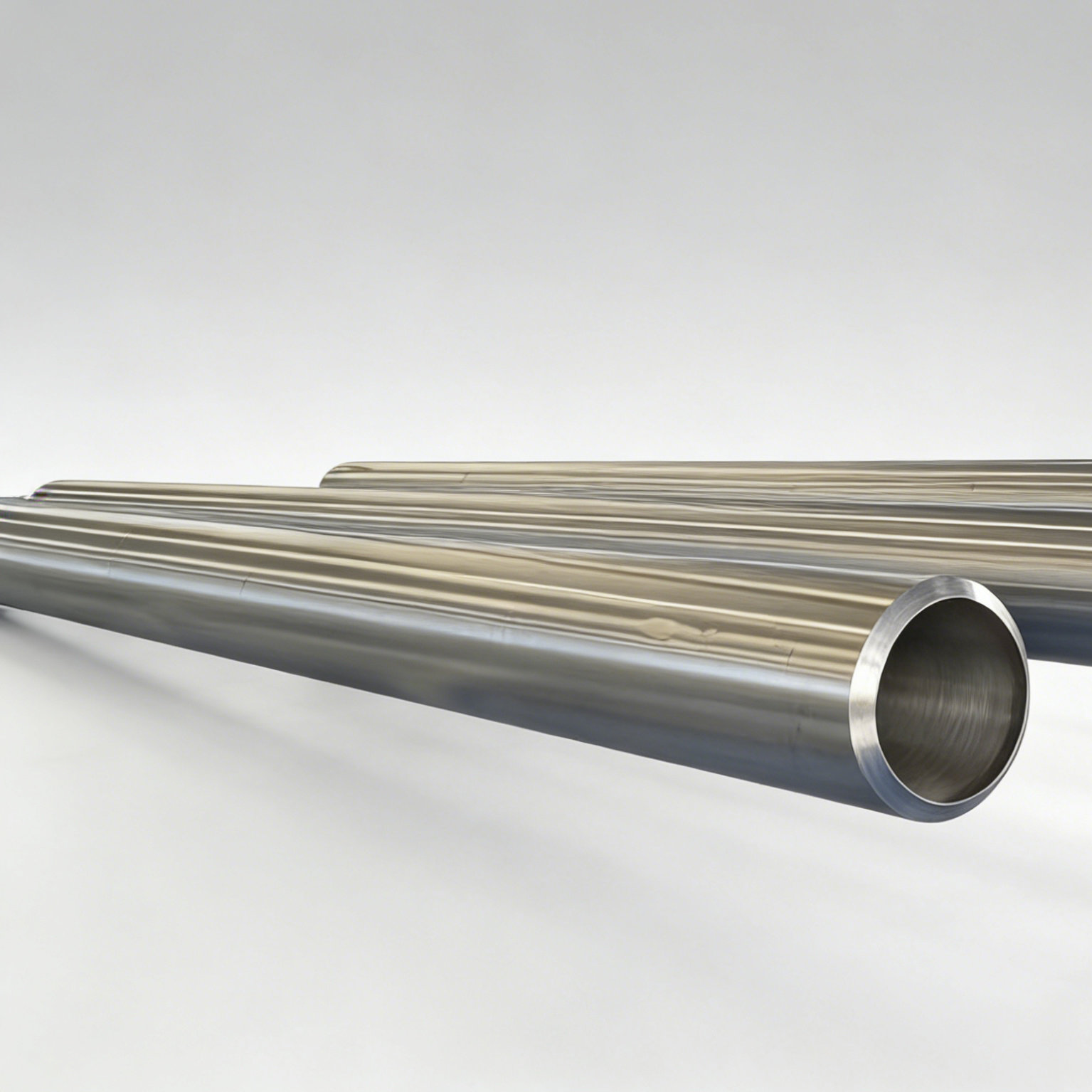
Key Specifications to Consider When Sourcing Seamless Pipe
When sourcing seamless pipes, several key specifications must be taken into account:
Material Composition: The material, often nickel alloy for high-performance applications, should match the requirements for strength, corrosion resistance, and temperature tolerance. Confirm the specific alloy used, as variations can significantly affect performance. For example, consider checking our ASTM B168 Inconel 600 Strips & Coils for high-quality nickel alloy options.
Dimensions and Tolerances: Buyers should specify the required dimensions, including outer diameter, wall thickness, and length. Tolerances must be clearly defined to ensure compatibility with existing systems and equipment.
Pressure Ratings: Understanding the pressure rating of the pipe is crucial for safety. Ensure the supplier provides this information, as it directly impacts the pipe's suitability for high-pressure applications.
Surface Finish: The surface finish can affect the pipe's performance and longevity. Consider the required finish based on the application, especially in corrosive environments.
Testing and Inspection: Verify the inspection processes the supplier employs, such as non-destructive testing (NDT) methods, to ensure the pipes meet industry standards before delivery.
By confirming these specifications, buyers can make informed decisions that align with their operational requirements.