 EN

Super austenitic stainless steel is a highly corrosion-resistant material that is increasingly vital in demanding industrial applications. As a B2B buyer, your primary concerns might revolve around the material's suitability, quality, and sourcing. This article will provide a comprehensive overview of super austenitic stainless steel, addressing key specifications, supplier options, cost factors, and guidance on selecting the right type for your specific project needs.
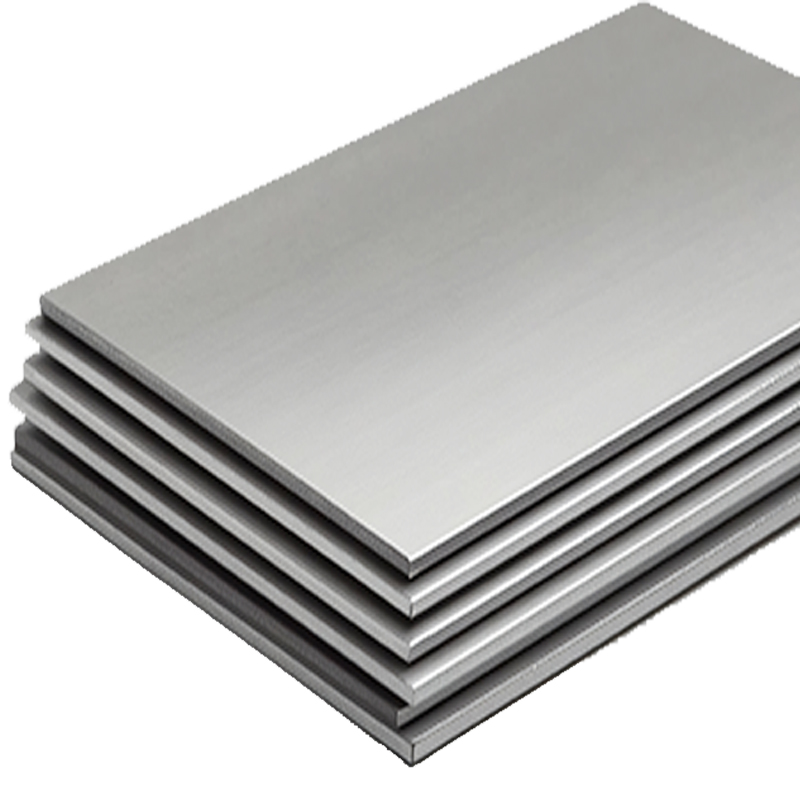
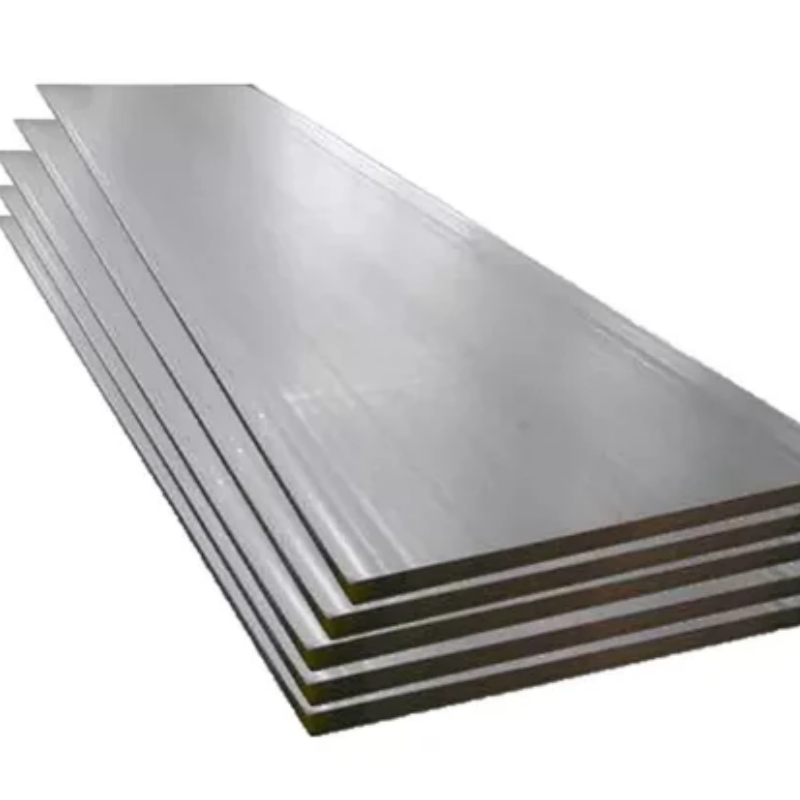
Key Specifications for Super Austenitic Stainless Steel Products
The specifications of Boyue super austenitic stainless steel products can vary based on the intended application. Key specifications to consider include:
Chemical Composition: Look for specific grades like UNS S31254 or UNS S31635, which indicate the presence of critical elements like nickel (≥ 19%), chromium (≥ 20%), and molybdenum (≥ 6%). These compositions are essential for ensuring resistance to both localized and general corrosion.
Mechanical Properties: Evaluate yield strength, tensile strength, and elongation. For instance, a yield strength of around 200 MPa is typical for super austenitic grades, which is crucial for structural applications under stress.
Weldability: Consider whether the nickel based alloy is suitable for welding, especially if your application involves joining components. Specifications like ISO 15614 can guide you on appropriate filler materials and welding techniques.
Formability: Depending on your project, the steel's ability to be formed into various shapes is critical. Check the specifications for work-hardening rates and ductility.
Understanding these specifications will help you determine the right material for your project and ensure it meets the necessary performance requirements.