 EN

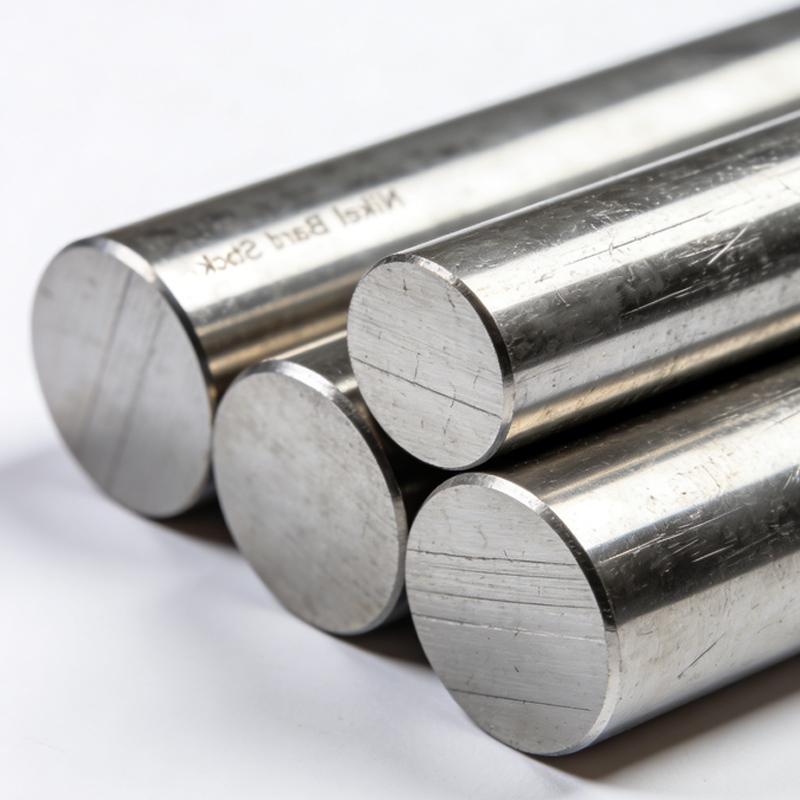
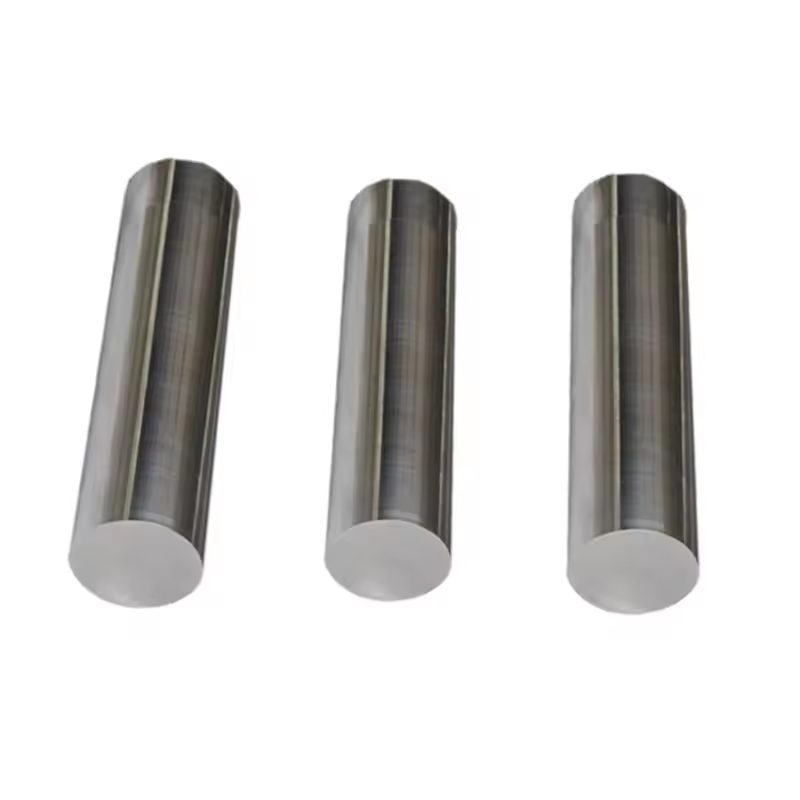
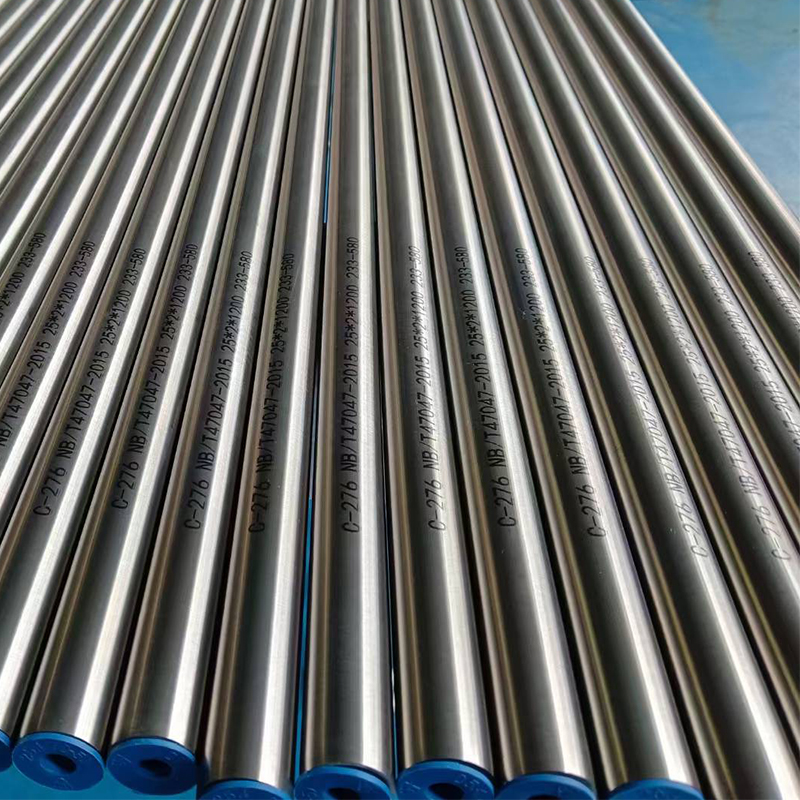
Erni 1 TIG rods are specialized welding materials made primarily from nickel alloy, designed to provide exceptional performance in various industrial applications, including aerospace and nuclear power. When purchasing Erni 1 TIG rods, B2B buyers often have concerns regarding quality, compatibility, and cost-effectiveness. This article aims to provide detailed guidance on sourcing, purchasing, and applying nickel alloy welding rod, helping professionals make informed decisions that align with their operational needs.
Cost Factors to Consider When Purchasing Erni 1 TIG Rod in Bulk
Cost is a critical concern for many buyers when purchasing Erni 1 TIG rods in bulk. Several factors influence pricing, including material costs, manufacturing processes, and order volume. Nickel alloy prices can fluctuate based on market demand, which directly affects the cost of Erni 1 TIG rods.
Buyers should also consider the minimum order quantities (MOQ) required by suppliers, as larger orders often lead to lower per-unit costs. However, it's essential to balance cost against the need for quality and reliability. Be sure to evaluate the total landed cost, including shipping, tariffs, and potential storage fees, to get a true picture of the financial implications of your purchase.
Another cost consideration is the customization of the rods. If your application requires specific dimensions or properties, this can increase the price. Discussing your requirements with suppliers early in the procurement process can help you understand how customization impacts costs and whether it aligns with your budget.