EN

Alloy 800 seamless pipes are critical components in a variety of industrial applications, particularly where high-temperature and high-pressure environments are involved. As a B2B buyer, you need to carefully evaluate your options when sourcing these materials to ensure they meet stringent performance requirements while also aligning with your project specifications. This article aims to guide you through the selection process, highlight key features to consider, and discuss common challenges and applications associated with Alloy 800 seamless pipes.
What to Look for in Alloy 800 Seamless Pipe
When evaluating Alloy 800 seamless pipes, pay attention to several key attributes that can influence both performance and safety:
Chemical Composition: Alloy 800 typically consists of nickel, chromium, and iron, providing outstanding resistance to heat and corrosion. Confirm the exact composition in accordance with your project's needs, especially if the pipe will be exposed to harsh chemicals or extreme temperatures.
Manufacturing Standards: Look for pipes manufactured in compliance with ISO9001 and AS9100 certifications. These certifications ensure that the production process adheres to strict quality management systems, which can significantly reduce defects and enhance product reliability.
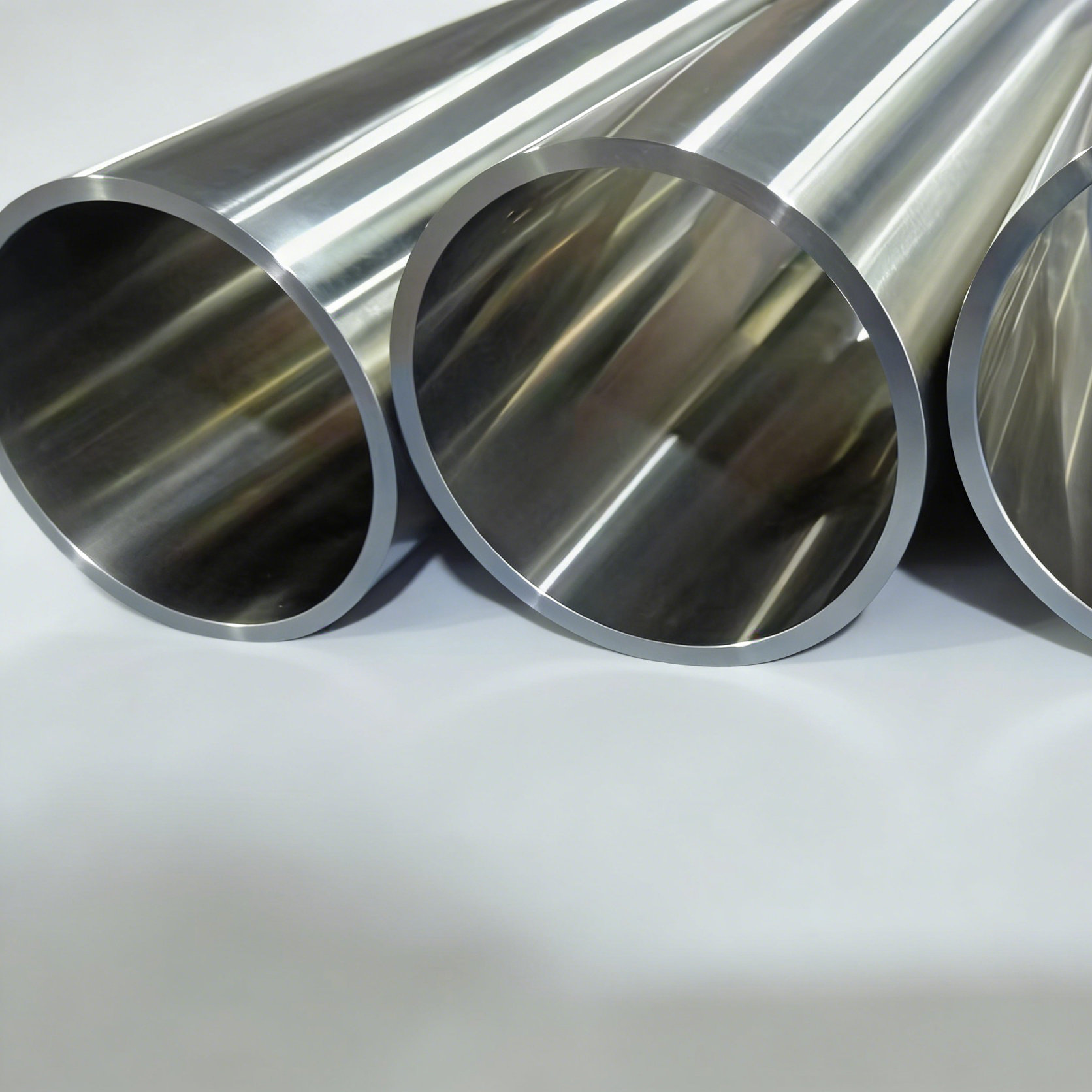
Surface Finish: The surface finish can impact the corrosion resistance and overall performance of the alloy. A smooth finish may be necessary for applications where minimizing turbulence is critical.
Testing and Inspection: Ensure that the pipes undergo rigorous testing, such as hydrostatic tests and dimensional checks, to validate their integrity before shipment. This reduces the risk of in-field failures.
These factors should form the backbone of your evaluation process, enabling you to select a product that meets both your operational and safety standards.