 EN

Incoloy 925 is a high-performance nickel-chromium-molybdenum alloy known for its exceptional corrosion resistance and strength in high-temperature environments. Buyers in industries such as aerospace, petroleum, and nuclear power often seek Incoloy 925 for applications requiring durability and reliability. This article aims to provide essential insights into the key specifications, cost factors, installation guidelines, common challenges, and a comprehensive buyer's guide to support informed purchasing decisions.
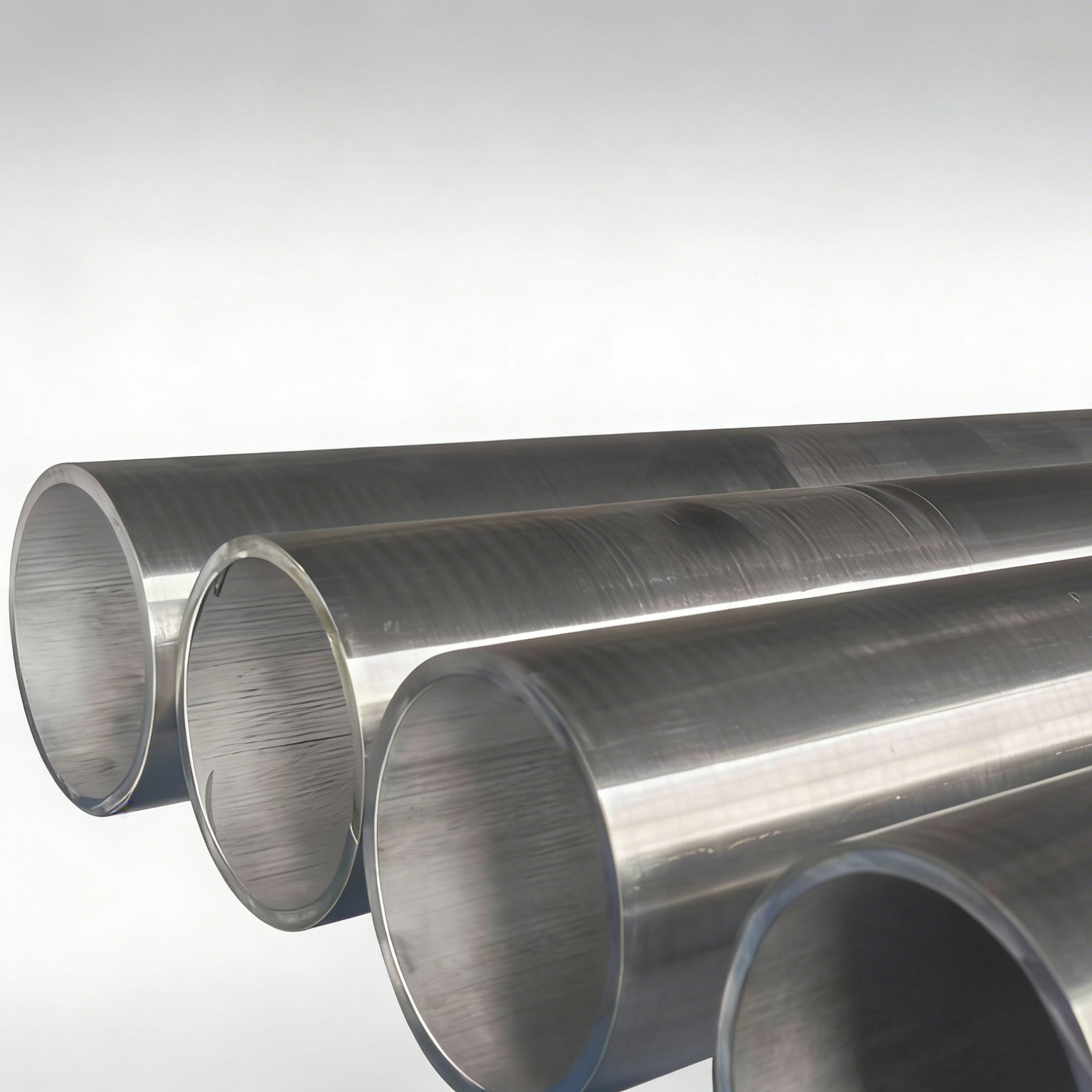
Cost Factors to Evaluate When Purchasing Incoloy 925
Several cost factors can influence the pricing of Incoloy 925. Buyers should consider the following:
Raw Material Prices: The cost of nickel, chromium, and molybdenum fluctuates based on market conditions. These raw materials can significantly impact the overall cost of Incoloy 925. Staying informed about market trends can aid in timing purchases.
Manufacturing Process: The complexity of the manufacturing process can also affect pricing. For example, custom shapes or sizes may require specialized tooling or longer lead times, leading to increased costs.
Order Quantity: Bulk orders often benefit from economies of scale. However, buyers should be aware of minimum order quantities (MOQ) that suppliers may impose, as this can affect total costs.
Shipping and Logistics: The destination and shipping method can influence final pricing. Consideration of lead times and freight costs is essential for accurate budgeting.
Quality Assurance: Ensure that the cost includes necessary quality checks and testing. While this may add to the upfront costs, it is crucial for ensuring that the products meet applicable industry standards and specifications.
By evaluating these cost factors, buyers can better assess the total investment required for inconel 925 and make more informed purchasing decisions.