Incoloy 925: Key Specifications and Buyeru2019s Guide

All Categories
Get a Quote

Get a Free Quote

Our representative will contact you soon.
Email
Mobile
Name
Company Name
Message
0/1000

Incoloy 925

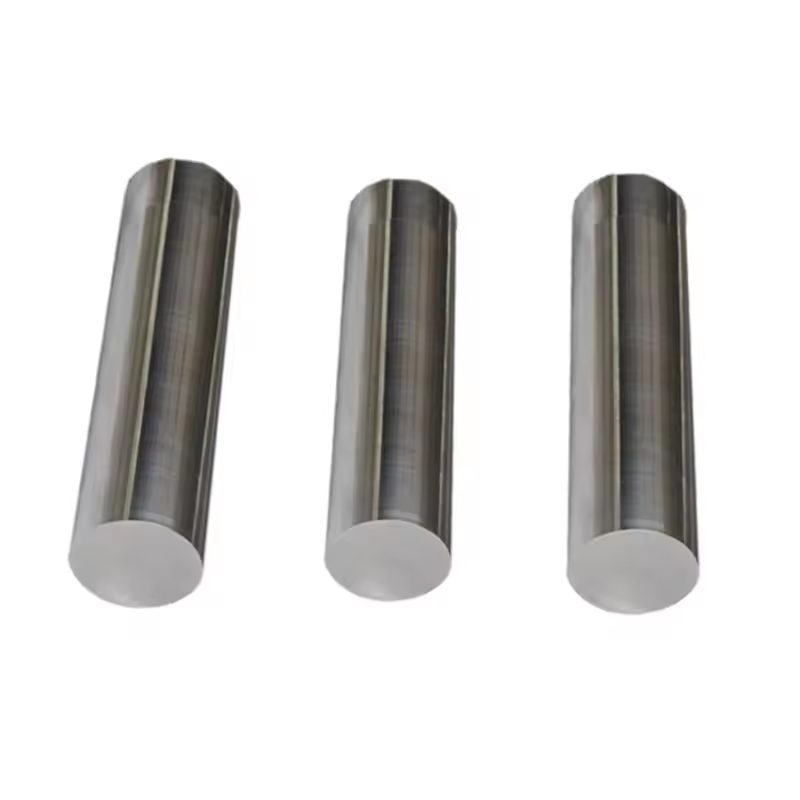
Incoloy 925 is a high-performance nickel-chromium-molybdenum alloy known for its exceptional corrosion resistance and strength in high-temperature environments. Buyers in industries such as aerospace, petroleum, and nuclear power often seek Incoloy 925 for applications requiring durability and reliability. This article aims to provide essential insights into the key specifications, cost factors, installation guidelines, common challenges, and a comprehensive buyer's guide to support informed purchasing decisions.  
Our Products

Key Specifications of Incoloy 925 for Bulk Ordering Needs

When considering Incoloy 925 for bulk orders, it's crucial to understand its key specifications. This alloy typically contains 20-23% nickel, 12-15% chromium, and 3-4% molybdenum, which contribute to its excellent resistance to pitting and crevice corrosion. The inconel alloy is also known for its high strength, which is maintained even at elevated temperatures up to 1000°F (540°C). 

Buyers should evaluate the following specifications when ordering Incoloy 925: 

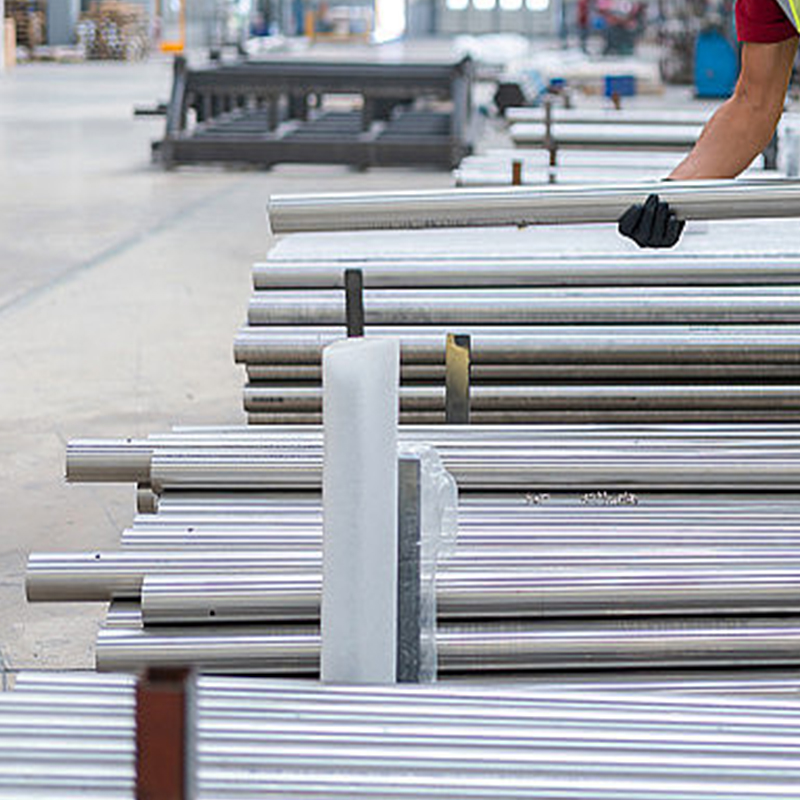
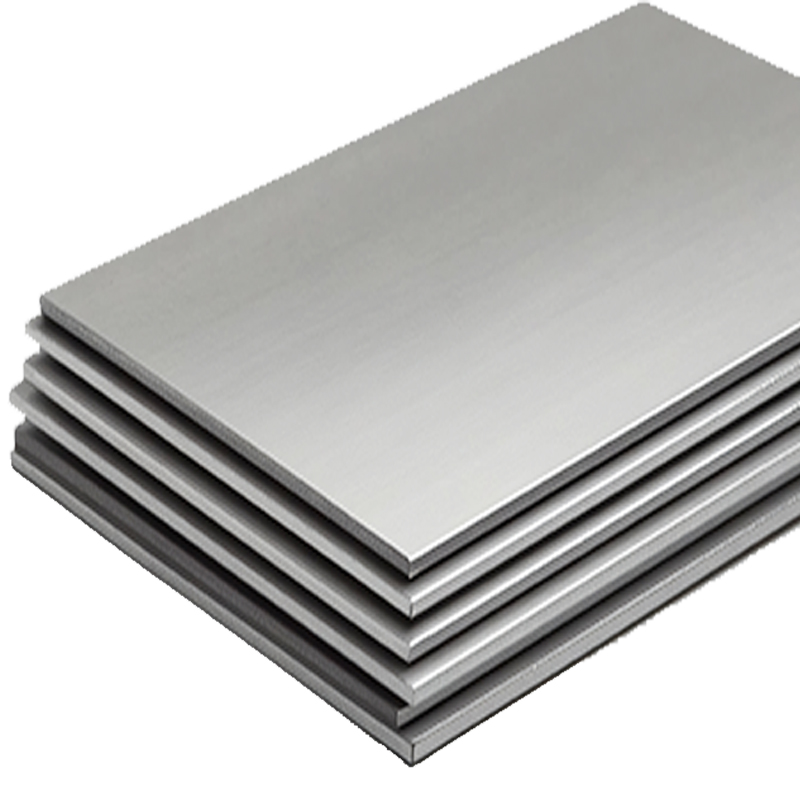
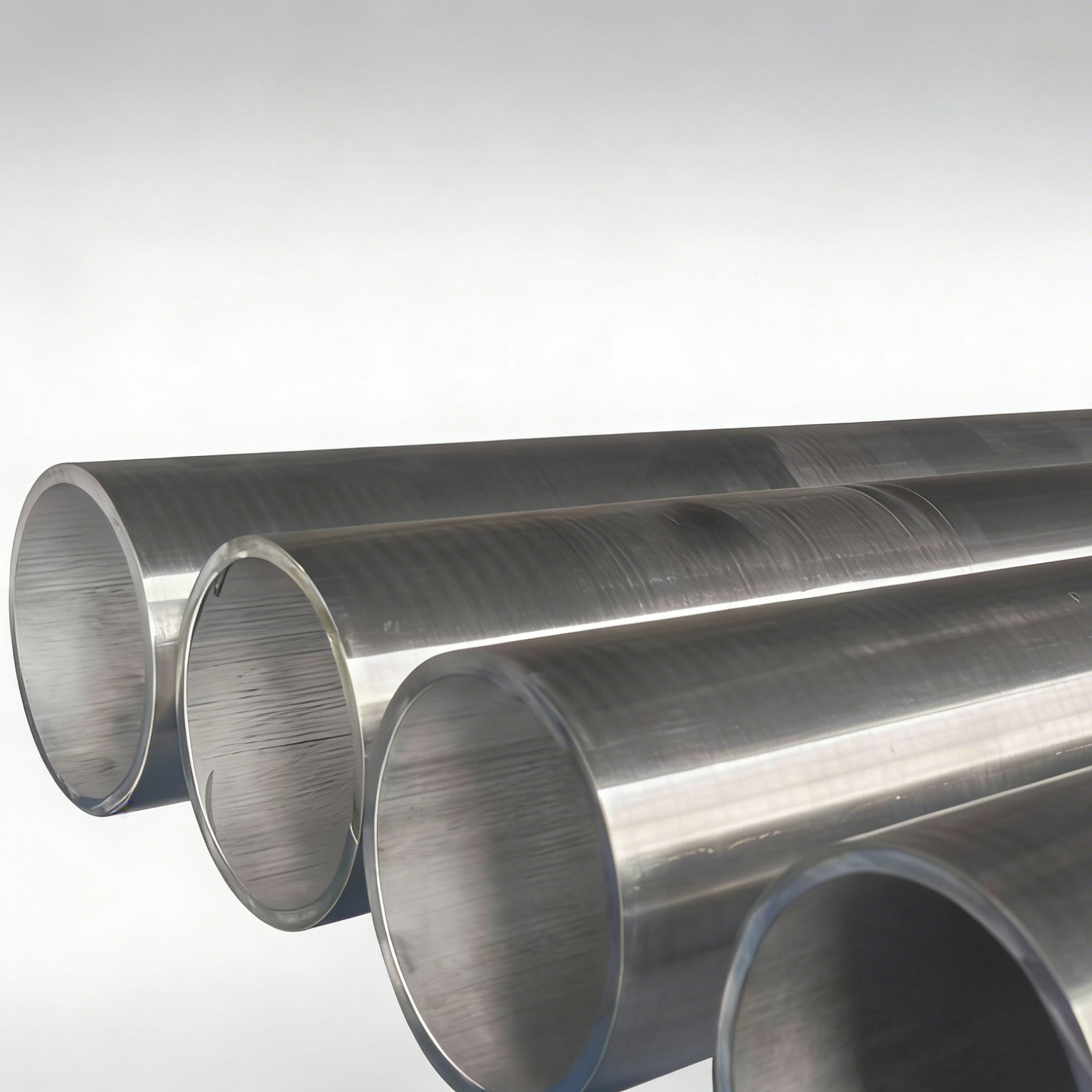
Dimensions: Ensure your specifications align with the intended application. Common forms include pipes, plates, and fasteners, all of which should be manufactured to appropriate standards for dimensional accuracy. 

Surface Finish: The surface finish can impact corrosion resistance and aesthetic appeal. Options may include hot rolled, cold drawn, or polished finishes, depending on the application requirements. 

Mechanical Properties: Incoloy 925 offers good tensile strength and yield strength. For instance, the typical tensile strength is around 90,000 psi (620 MPa), and it has a yield strength of approximately 40,000 psi (275 MPa) at room temperature. Buyers should confirm these values based on their specific requirements. 

Certifications: Verify that the supplier can provide documentation for relevant certifications such as ISO9001 and AS9100, which indicate adherence to quality management standards. 

Understanding these specifications will help ensure that the ordered products meet the necessary performance criteria for demanding applications. 

Get a Free Quote

Our representative will contact you soon.
Email
Mobile
Name
Company Name
Message
0/1000

Related product categories

Cost Factors to Evaluate When Purchasing Incoloy 925

Cost Factors to Evaluate When Purchasing Incoloy 925

Several cost factors can influence the pricing of Incoloy 925. Buyers should consider the following: 

Raw Material Prices: The cost of nickel, chromium, and molybdenum fluctuates based on market conditions. These raw materials can significantly impact the overall cost of Incoloy 925. Staying informed about market trends can aid in timing purchases. 

Manufacturing Process: The complexity of the manufacturing process can also affect pricing. For example, custom shapes or sizes may require specialized tooling or longer lead times, leading to increased costs. 

Order Quantity: Bulk orders often benefit from economies of scale. However, buyers should be aware of minimum order quantities (MOQ) that suppliers may impose, as this can affect total costs. 

Shipping and Logistics: The destination and shipping method can influence final pricing. Consideration of lead times and freight costs is essential for accurate budgeting. 

Quality Assurance: Ensure that the cost includes necessary quality checks and testing. While this may add to the upfront costs, it is crucial for ensuring that the products meet applicable industry standards and specifications. 

By evaluating these cost factors, buyers can better assess the total investment required for inconel 925 and make more informed purchasing decisions. 

Installation Guidelines for Incoloy 925 Products in Various Applications

Proper installation of Incoloy 925 products is vital for maximizing their performance and longevity. Here are key guidelines for different applications: 

Welding: Incoloy 925 can be welded using conventional methods, but it is essential to use filler materials that are compatible with the alloy's composition. Preheating the material can help reduce the risk of cracking during the welding process. 

Pressure Vessels: For pressure vessel applications, ensure that the design adheres to relevant standards, such as ASME. The pressure rating should be confirmed based on the expected operating conditions. 

Corrosion Resistance: When installing Incoloy 925 in corrosive environments, ensure that all components are properly sealed to prevent the ingress of corrosive agents. Regular inspections should be conducted to identify any signs of wear or corrosion. 

Thermal Expansion: Incoloy 925 exhibits thermal expansion, which should be considered in the design phase. Allow for adequate spacing and movement in assemblies to accommodate temperature changes. 

Following these guidelines helps ensure the successful application of inconel material 925 products, ultimately enhancing operational efficiency and safety. 

Common Challenges and Solutions When Using Incoloy 925 Alloys

Despite its advantages, users of Incoloy 925 may encounter specific challenges. Here are common issues and practical solutions: 

Corrosion in Harsh Environments: While Incoloy 925 is resistant to many corrosive agents, it can still be susceptible under certain conditions. Regular monitoring and the use of protective coatings can mitigate these risks. 

Welding Difficulties: Welding Incoloy 925 can lead to issues such as cracking or porosity. Using appropriate welding techniques and preheating can help minimize these problems. Additionally, conducting post-weld heat treatment may be necessary to relieve stresses. 

Cost Fluctuations: As previously mentioned, the prices of raw materials can vary, impacting the cost of Incoloy 925. Maintaining relationships with multiple suppliers and exploring long-term contracts can provide stability in pricing. 

Compatibility with Other Materials: In applications where Incoloy 925 is joined with other metals, galvanic corrosion can occur. Ensuring proper isolation between dissimilar metals can prevent this issue. 

By proactively addressing these challenges, buyers can maximize the effectiveness of their Incoloy 925 products and reduce potential downtime. 

A Buyer's Guide

When preparing to purchase Incoloy 925, consider the following steps to streamline the process: 

Define Specifications: Clearly outline the required specifications, including dimensions, quantities, and desired finishes. This will facilitate accurate quotations from suppliers. 

Request Samples: Before placing a bulk order, request samples to verify quality and suitability. Ensure that samples are tested under conditions that mimic actual operational environments. 

Supplier Evaluation: Assess potential suppliers based on their manufacturing capabilities, quality control processes, and certifications. A reliable partner will be transparent about their production methods and capable of meeting your requirements. 

Documentation: Ensure that all necessary documentation, including material certificates and test reports, is provided with your order. This verifies compliance with industry standards and enhances traceability. 

Discuss Lead Times: Communicate openly about lead times and shipping logistics. Understanding these factors early in the process can help avoid unexpected delays. 

By following this buyer’s guide, you can navigate the purchasing process for Incoloy 925 more effectively, ensuring that your needs are met comprehensively and efficiently.