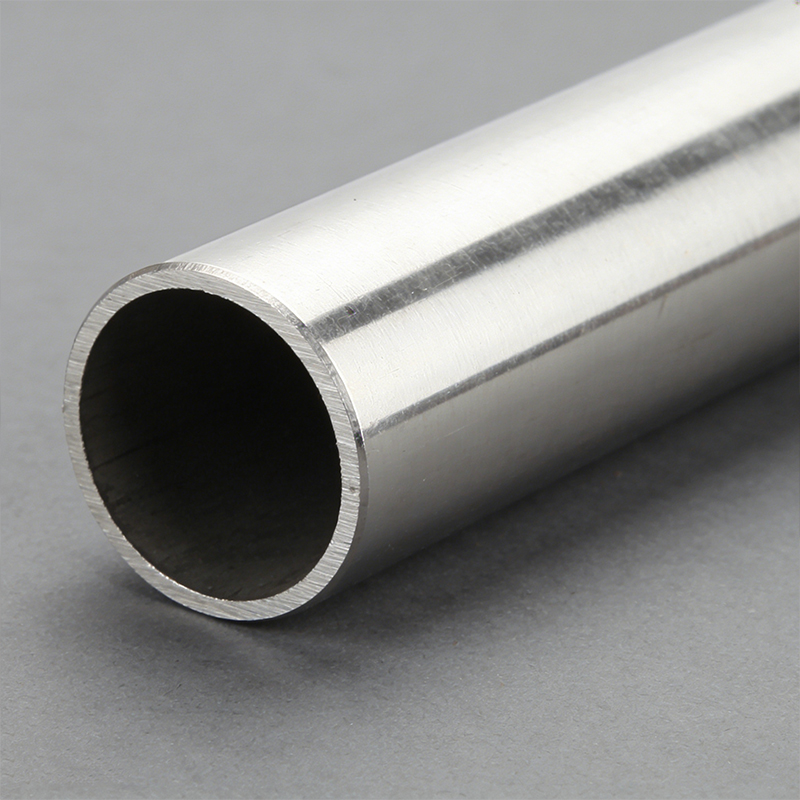
Alloy 625 Tube: Key Specifications and Applications

All Categories
Get a Quote

Get a Free Quote

Our representative will contact you soon.
Email
Mobile
Name
Company Name
Message
0/1000

Alloy 625 tube

When it comes to selecting materials for high-performance applications, alloy 625 tube stands out due to its impressive mechanical properties and resistance to extreme environments. This article aims to address the main concerns of B2B buyers, such as material specifications, sourcing, and application suitability. By understanding the key aspects of copper nickel tube, purchasing managers, engineers, and other professionals can make informed decisions that align with their project needs.
Our Products

Choosing the Right Alloy 625 Tube for Your Project Needs

Selecting the appropriate alloy 625 tube requires a thorough understanding of both the material's properties and the specific demands of your project. Alloy 625 is renowned for its exceptional resistance to oxidation and corrosion, making it suitable for use in harsh environments, such as those found in the aerospace, petroleum, and nuclear power industries. 

When choosing an alloy 625 tube, consider the following factors: 

Dimensions and Specifications: The diameter, wall thickness, and length of the nickel alloy tube must align with your project requirements. Ensure to specify these dimensions in your RFQ (Request for Quotation). 

Temperature and Pressure Conditions: Alloy 625 maintains its strength and dimensional stability at high temperatures, which is essential for processes that involve extreme heat or pressure. Confirm the operational conditions of your application to avoid material failure. 

Customization: Depending on your application, you may need tailored dimensions, surface finishes, or additional treatments. Discuss your customization needs with your supplier to ensure the final product meets your specifications.

Get a Free Quote

Our representative will contact you soon.
Email
Mobile
Name
Company Name
Message
0/1000

Related product categories

Where to Source Quality Alloy 625 Tubes for Wholesale Purchase

Sourcing quality alloy 625 tubes involves identifying reliable manufacturers who adhere to strict quality standards. Look for suppliers like Jiangsu Boyue Alloy Materials Co., Ltd., which has comprehensive capabilities spanning from R&D to manufacturing and sales. 

Here are some tips for sourcing: 

Verify Certifications: Ensure that the supplier holds relevant industry certifications, such as ISO9001, AS9100, and API. These certifications indicate adherence to quality management systems and industry standards. 

Assess Manufacturing Capabilities: Inquire about the supplier's production processes, including smelting and forging, to ascertain their ability to meet your volume and quality needs. 

Request Samples: Before placing large orders, request samples to evaluate the quality of the alloy 625 tubes. This step helps confirm that the product meets your specifications in terms of dimensions, surface quality, and performance.

Key Specifications of Alloy 625 Tubes for B2B Buyers

Understanding the key specifications of alloy 625 tubes is crucial for making informed purchasing decisions. Here are some important parameters to consider: 

Chemical Composition: Alloy 625 typically contains nickel (58% minimum), chromium (20-23%), and molybdenum (8-10%), which contribute to its corrosion resistance and strength. Ensure the chemical composition aligns with your application requirements. 

Mechanical Properties: The tensile strength and yield strength of alloy 625 tubes are critical for applications that involve high stress. Buyers should verify the mechanical properties through testing certifications provided by the manufacturer. 

Surface Finish: The surface treatment can impact performance, especially in corrosive environments. Discuss options such as passivation or pickling with your supplier to enhance the longevity of the tubes. 

Packaging and Shipping: Understand the packaging methods used by the supplier to ensure that the products arrive safely and without damage. This is especially important for long-distance shipping.

A Buyers Guide

When preparing to purchase Boyue alloy 625 tubes, a well-structured approach can streamline the process. Here’s a buyer’s guide to help you navigate your procurement: 

Prepare a Detailed RFQ: Include specific details such as dimensions, quantity, required certifications, and any customization needs. Providing comprehensive information can lead to more accurate quotations. 

Evaluate Suppliers: Compare suppliers based on their manufacturing capabilities, quality certifications, and customer feedback. Look for suppliers with a proven track record in your industry. 

Quality Assurance and Inspection: Before finalizing your order, discuss quality control measures with the supplier. Ensure that they conduct thorough inspections and testing to guarantee the integrity of the alloy 625 tubes. 

Lead Times and MOQs: Clarify the expected lead times and minimum order quantities (MOQs) with your supplier. This information is crucial for project planning and budget management. 

Applications of Alloy 625 Tubes in Various Industries

Boyue Alloy 625 tubes are versatile and find applications across numerous industries, including: 

Aerospace: Used in components that must withstand extreme temperatures and corrosive environments, such as exhaust systems and turbine components. 

Petroleum and Natural Gas: Ideal for piping systems in offshore platforms and refineries due to their resistance to sour gas and high-pressure conditions. 

Nuclear Power: Employed in components that require high strength and corrosion resistance, ensuring safety and longevity in critical environments. 

Renewable Energy: Utilized in geothermal and solar energy applications where durability and performance are paramount. 

Pressure Vessels: Suitable for constructing pressure vessels that must endure high pressure and temperature variations. 

By understanding the specific applications and properties of cupro nickel tube manufacturers, B2B buyers can select the right materials for their projects, ensuring optimal performance and reliability.