Inconel 600 Welding Rod: Key Features & Applications

All Categories
Get a Quote

Get a Free Quote

Our representative will contact you soon.
Email
Mobile
Name
Company Name
Message
0/1000

Inconel 600 welding rod

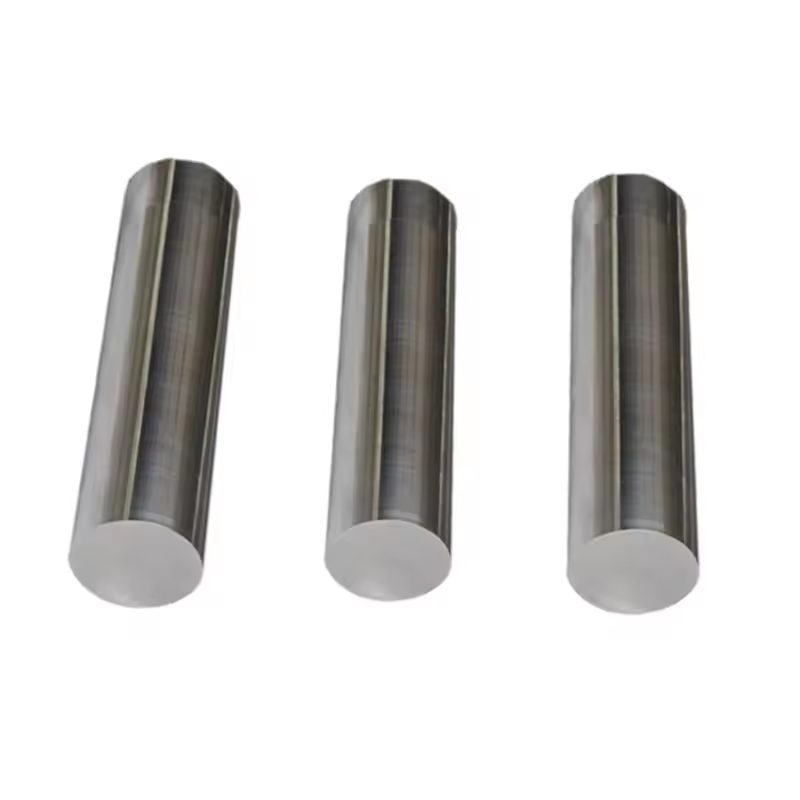
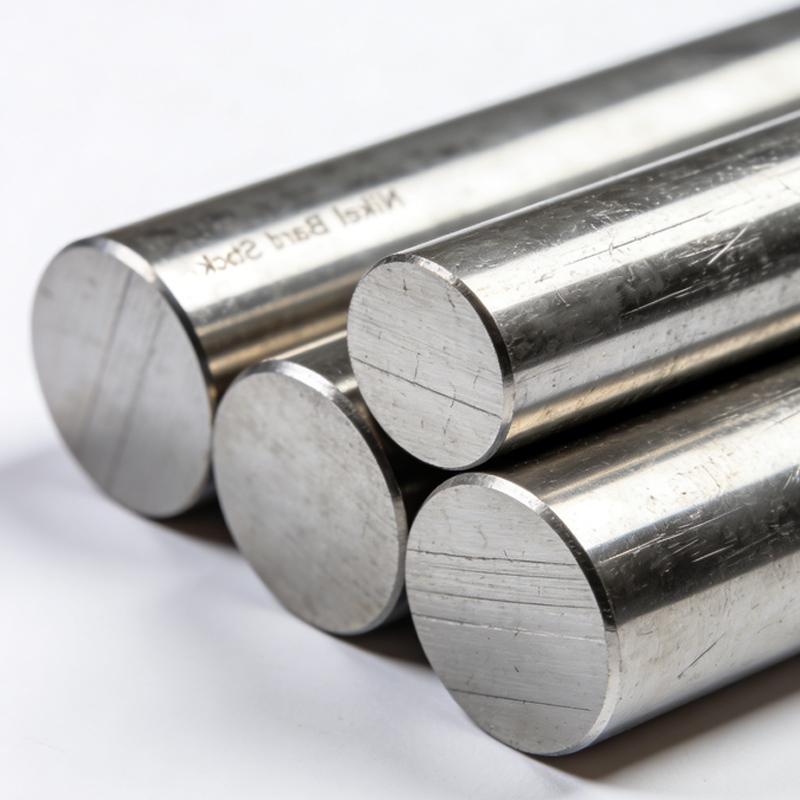
Inconel 600 welding rods are essential materials in industries requiring high corrosion resistance and excellent mechanical properties at elevated temperatures. These rods are primarily used for welding applications in sectors such as aerospace, petroleum, nuclear power, and energy production. B2B buyers often face concerns regarding the appropriate selection, compatibility with existing materials, and the overall performance of the inconel welding rods in their specific applications. This article aims to provide a comprehensive understanding of Inconel 600 welding rods, helping buyers make informed purchasing decisions. 
Our Products

How to Choose the Right Inconel 600 Welding Rod for Your Project

When selecting Inconel 600 welding rods, several key features should be evaluated: 

Material Composition: Inconel 600 is primarily composed of nickel, chromium, and iron, which contributes to its excellent resistance against oxidation and corrosion,  particularly in high-temperature environments. Buyers should confirm the exact composition to ensure suitability for their specific applications. 

Mechanical Properties: Understanding the tensile strength, yield strength, and elongation of the welding rod is crucial. Inconel 600 typically exhibits high strength and toughness, even at elevated temperatures. Buyers should consider these properties in relation to their application demands. 

Welding Techniques: Inconel 600 nickel welding rod are compatible with various welding techniques, including TIG and MIG welding. Buyers should determine the welding method they plan to use and ensure the rod is suitable for that process. 

Diameter and Length: The dimensions of the welding rod will affect its usability in different welding applications. Buyers should specify the required dimensions based on their project needs. 

Certifications: Ensure that the welding rods meet industry standards and certifications, such as ISO9001 and AS9100, which indicate a commitment to quality manufacturing processes. 

Get a Free Quote

Our representative will contact you soon.
Email
Mobile
Name
Company Name
Message
0/1000

Related product categories

Key Specifications of Inconel 600 Welding Rod for Bulk Orders

Proper installation of Inconel 600 welding rods is crucial for achieving optimal performance. Here are some practical tips: 

Pre-Weld Preparation: Ensure that all surfaces to be welded are clean and free from contaminants such as oil, rust, or dirt. Any impurities can compromise the integrity of the weld. 

Temperature Control: Preheat the base materials if necessary, especially for thicker sections. This can help minimize thermal shock and improve the quality of the weld. 

Welding Speed and Technique: Adjust the welding speed according to the thickness of the material. A slower speed may be necessary for thicker components to ensure proper penetration. Also, maintain a consistent angle and distance from the workpiece to achieve uniform weld beads. 

Post-Weld Heat Treatment: Depending on the application, post-weld heat treatment may be necessary to relieve stresses and enhance ductility. Consult with a metallurgical expert to determine if this step is required for your specific application. 

Inspection: Conduct thorough inspections of the welds after completion. Look for signs of porosity, cracks, or other defects that could affect the performance of the welded component. 

Where to Source Reliable Inconel 600 Welding Rod Suppliers

While Inconel 600 welding rods are reliable, issues can arise during the welding process. Here are some common problems and their solutions: 

Porosity: This defect occurs when gas pockets form in the weld. To mitigate this, ensure proper shielding gas coverage and maintain clean surfaces prior to welding. 

Cracking: Cracking can occur due to rapid cooling or improper filler material. To prevent this, use appropriate preheat and interpass temperatures, and avoid excessive heat input. 

Inconsistent Weld Quality: Variations in welding technique or equipment settings can lead to inconsistent welds. Establish standardized procedures and conduct regular training to maintain consistency across welding operations. 

Overheating: Excessive heat can weaken the material. Monitor the heat input closely and utilize heat sinks if necessary to dissipate heat from critical areas. 

Common Installation Problems with Inconel 600 Welding Rod and Solutions

Inconel 600 welding rods offer several advantages that make them ideal for industrial applications: 

Corrosion Resistance: One of the standout features of Inconel 600 is its superior resistance to corrosion in aggressive environments, such as those found in chemical processing and marine applications. This property extends the lifespan of welded components. 

High-Temperature Stability: Inconel 600 maintains its strength and integrity at elevated temperatures, making it suitable for applications in the aerospace and power generation industries. 

Versatility: These welding rods can be used to join similar and dissimilar metals, providing flexibility in various manufacturing scenarios. 

Ease of Fabrication: Inconel 600 can be easily welded and fabricated, which enhances productivity in manufacturing processes. 

Long-term Cost Efficiency: While the initial cost of Inconel 600 55 nickel welding rod may be higher than other options, their durability and performance in harsh environments can lead to lower maintenance and replacement costs in the long run. 

Applications and Advantages of Inconel 600 Welding Rod in Industry

When evaluating Inconel 600 welding rods, it’s essential to compare them with other nickel alloys to ensure the best choice for your application: 

Inconel 625: This alloy offers improved resistance to pitting and crevice corrosion compared to Inconel 600. It is often preferred in marine environments but may come at a higher cost. 

Monel 400: Monel 400 is less expensive than Inconel 600 but has a lower temperature rating and may not perform as well in high-temperature environments. 

Hastelloy C-276: Known for its exceptional resistance to corrosive environments, Hastelloy C-276 is more expensive but could be a better option for severe chemical exposure. 

Nickel 201: This alloy is suitable for lower temperature applications and is more cost-effective than Inconel 600. However, it lacks the  high-temperature performance and corrosion resistance. 

Application Suitability: Buyers must consider the specific environmental and mechanical requirements of their applications. The choice between these alloys will depend on factors such as temperature, pressure, and the nature of the corrosive media involved. 

When making a decision, it is advisable to consult with a materials engineer or a qualified supplier who can provide insights tailored to your specific project needs. This ensures that the chosen welding rod aligns with both performance and budgetary expectations.