EN

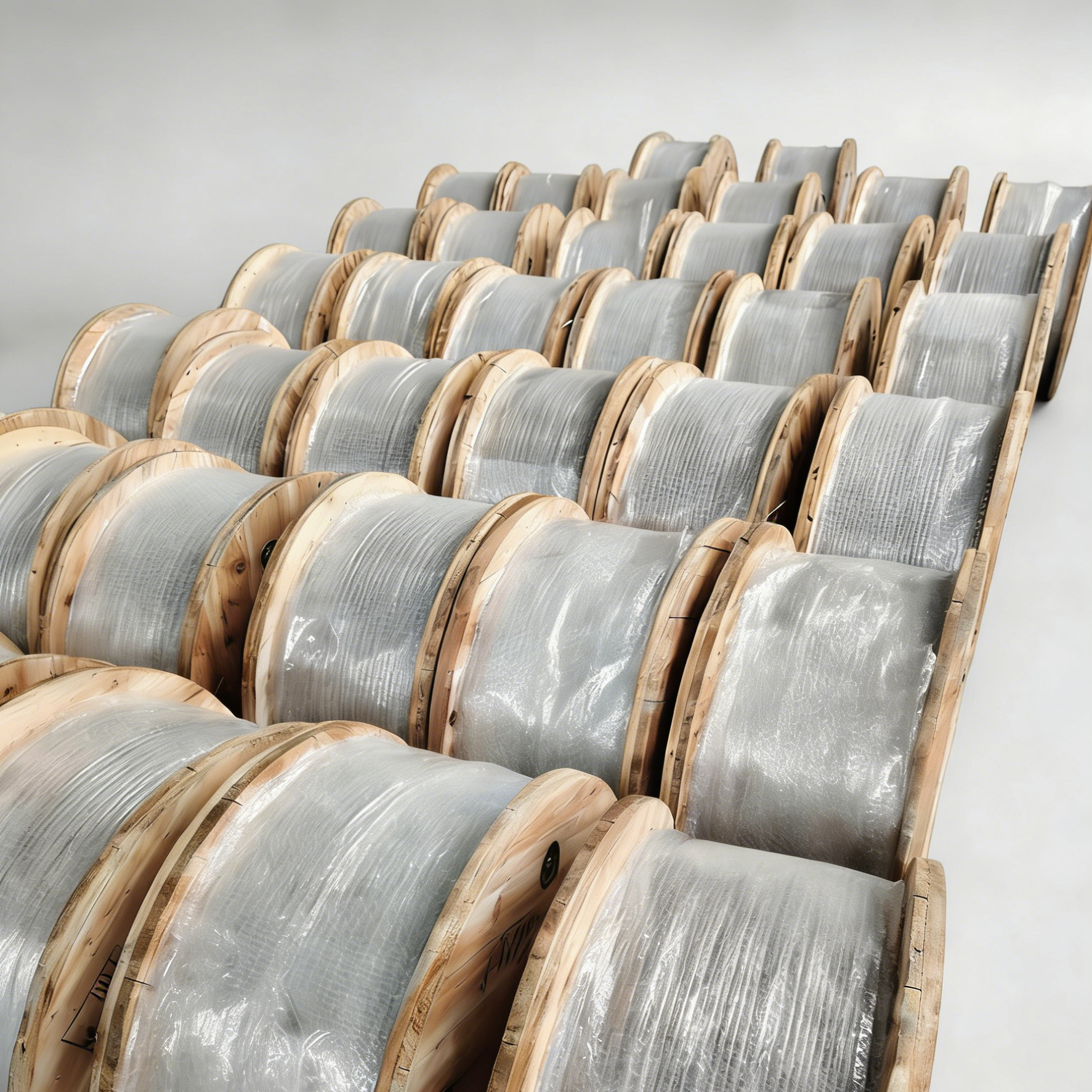
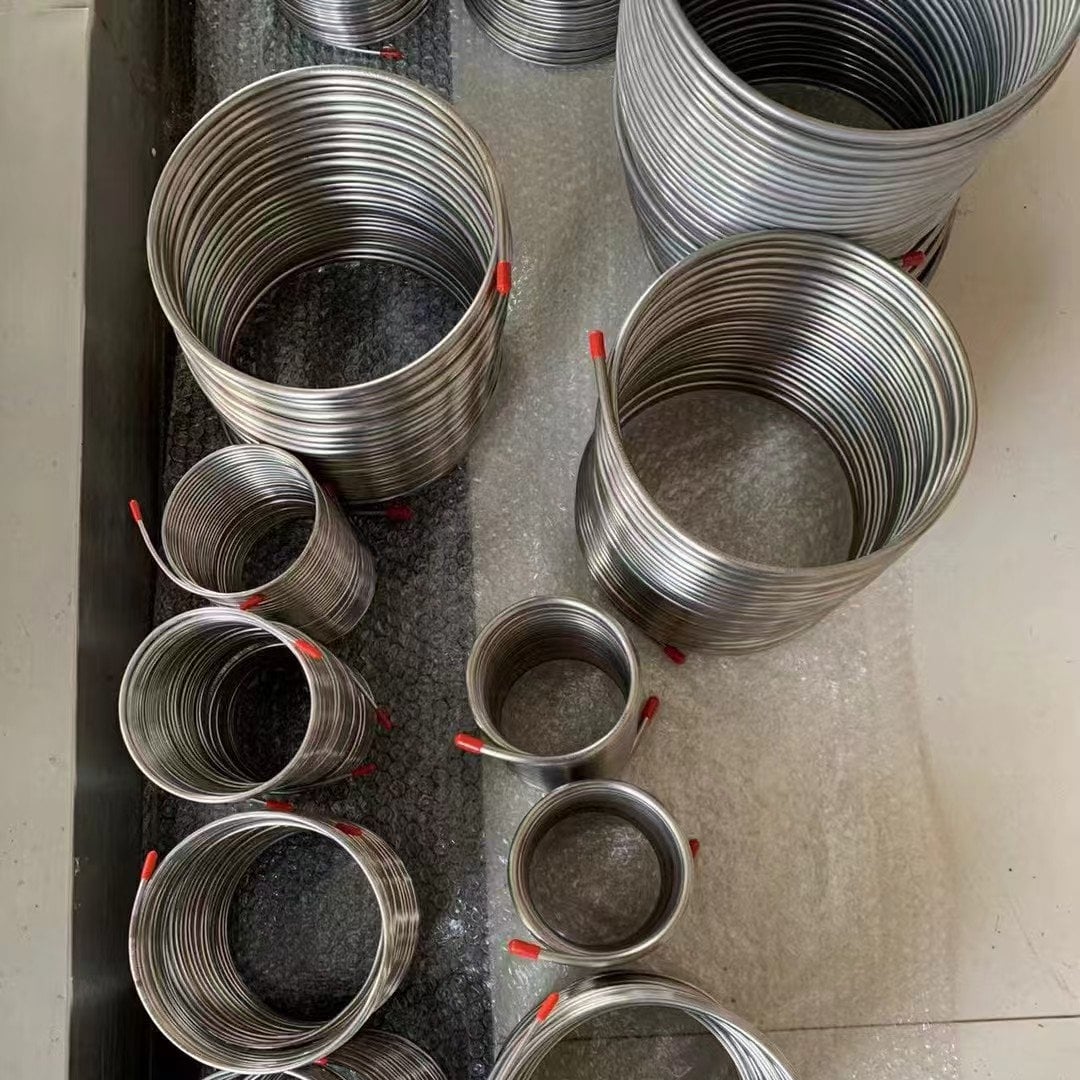
Coiled pipe is a specialized form of piping that is often used in demanding industrial applications, including aerospace, petroleum, and energy sectors. Understanding the nuances of coiled pipe, including its specifications, manufacturing processes, and quality control measures, is crucial for purchasing managers and engineers. This article will guide you through evaluating the reliability of coiled pipe suppliers, understanding cost factors for bulk orders, comparing options for your project needs, and exploring quality control measures in coiled pipe manufacturing.
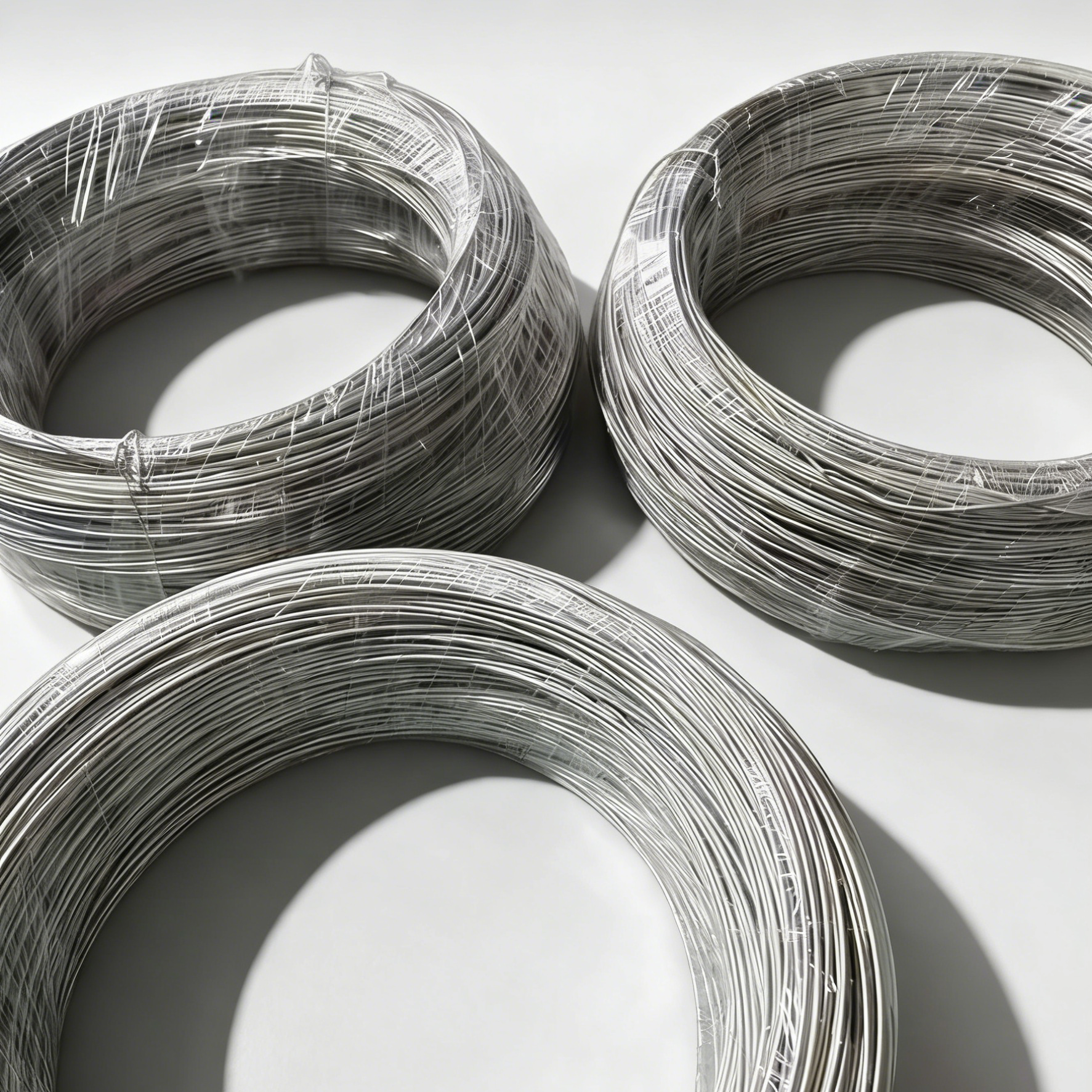
Understanding the Cost Factors for Bulk Coiled Pipe Orders
Pricing for coiled pipe orders can vary significantly based on several factors:
Material Selection: The type of alloy used in coiled pipes (e.g., nickel alloys) will greatly influence cost. Higher-grade materials suitable for high-stress environments will typically be more expensive. For example, Inconel 600 Plates are a premium option for demanding applications.
Order Quantity: Bulk orders often come with discounted rates, but buyers should be mindful of minimum order quantities (MOQ). Understanding the MOQ can help in budgeting and planning for future needs.
Customization Requirements: Custom coiled pipe specifications, such as unique dimensions or special surface treatments, may add to costs. Be clear on your requirements to receive accurate quotes.
Shipping and Handling: Consider the logistics involved in transporting coiled pipes, especially if they are being shipped internationally. Shipping costs can vary based on distance, weight, and urgency.