EN
EN

Hastelloy C276 is a nickel-molybdenum-chromium alloy known for its exceptional resistance to corrosion, making it a preferred choice in demanding environments. For B2B buyers, selecting the right supplier for Hastelloy C‑276 can be critical, as material quality, manufacturing processes, and compliance with industry standards directly impact application performance. This article will guide you through the essential considerations for choosing a supplier, understanding manufacturing standards, evaluating costs, and recognizing common applications and best practices.
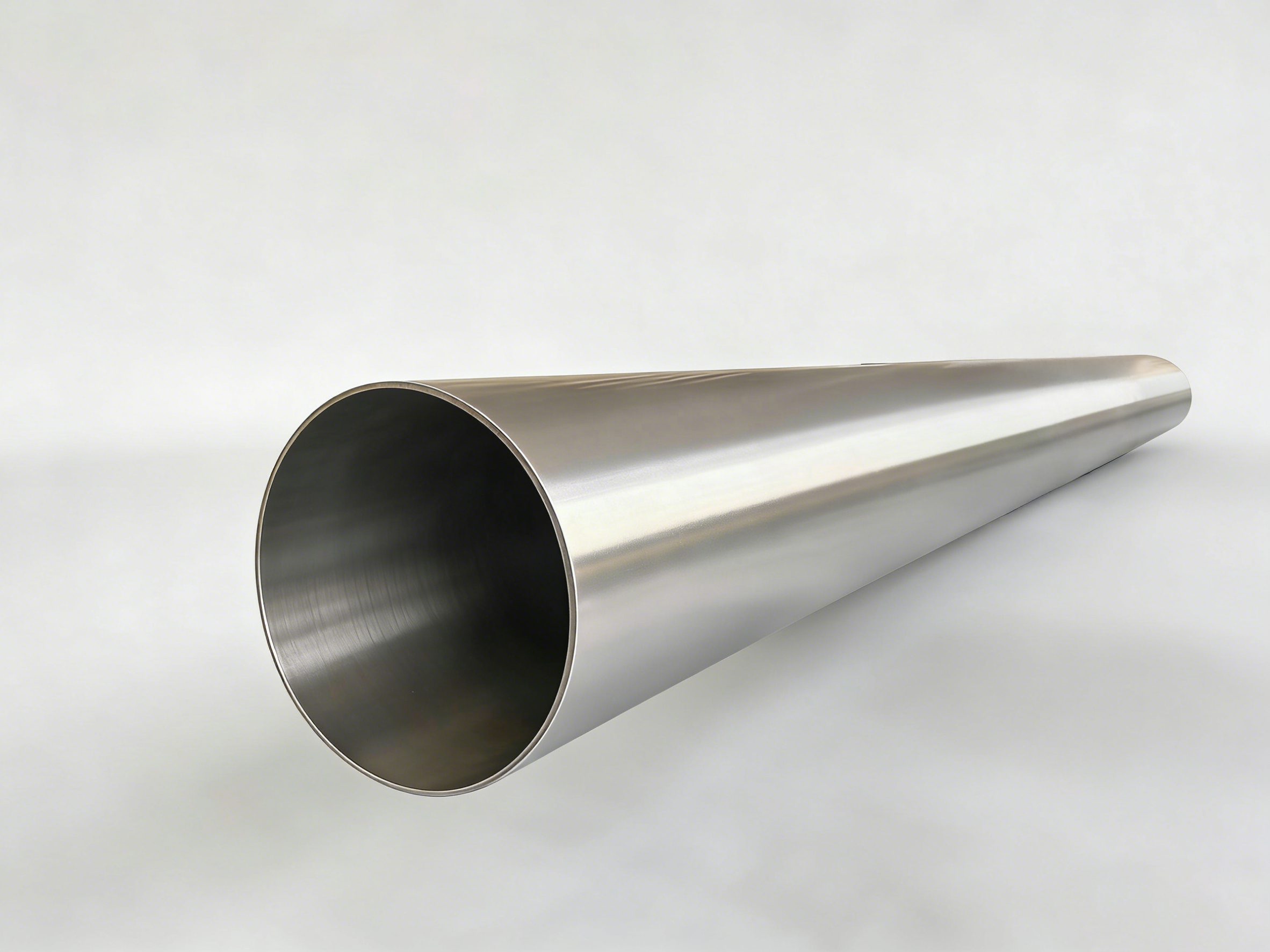
Hastelloy C276 Manufacturing Standards Explained
Hastelloy C276 is manufactured under strict standards to ensure its properties align with industry needs. Key manufacturing standards include:
ASTM B575: This specification outlines the requirements for corrosion-resistant nickel alloy bars, plates, and sheets, including Hastelloy C276. It covers chemical composition, mechanical properties, and testing methods.
NACE Standards: For applications in oil and gas, adherence to NACE (National Association of Corrosion Engineers) standards can be critical. These standards ensure that the materials can withstand harsh environmental conditions.
AS9100 Certification: This is crucial for aerospace applications, indicating that the supplier follows stringent quality management processes tailored for the aviation industry.
Understanding these standards helps buyers confirm that the materials will perform as expected in their specific applications, minimizing the risk of failure due to material incompatibility or sub-par manufacturing practices.