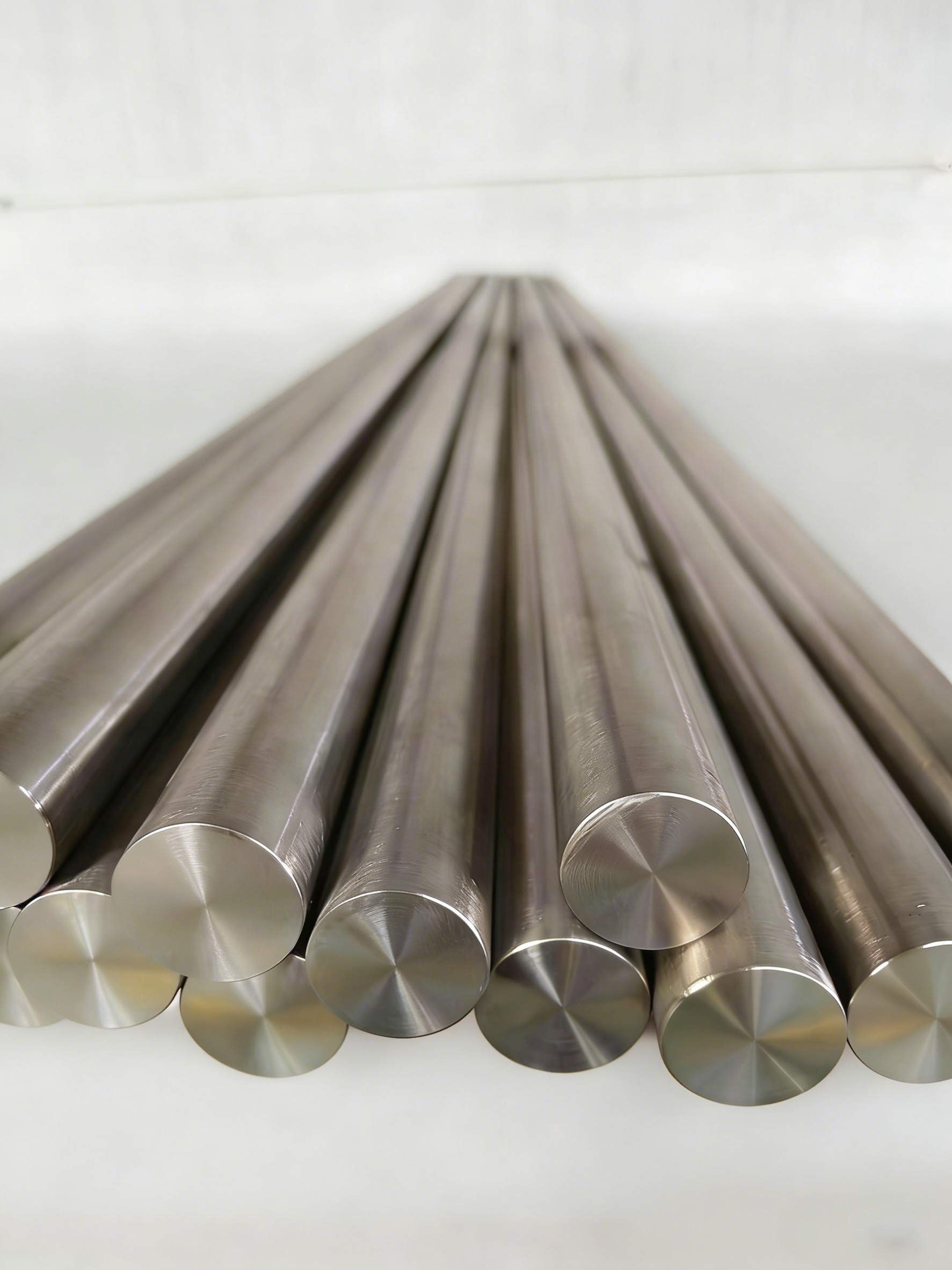
Choosing the Right Hastelloy C276 Supplier

All Categories
Get a Quote

Get a Free Quote

Our representative will contact you soon.
Email
Mobile
Name
Company Name
Message
0/1000

Hastelloy C276

Hastelloy C276 is a nickel-molybdenum-chromium alloy known for its exceptional resistance to corrosion, making it a preferred choice in demanding environments. For B2B buyers, selecting the right supplier for Hastelloy C‑276 can be critical, as material quality, manufacturing processes, and compliance with industry standards directly impact application performance. This article will guide you through the essential considerations for choosing a supplier, understanding manufacturing standards, evaluating costs, and recognizing common applications and best practices. 
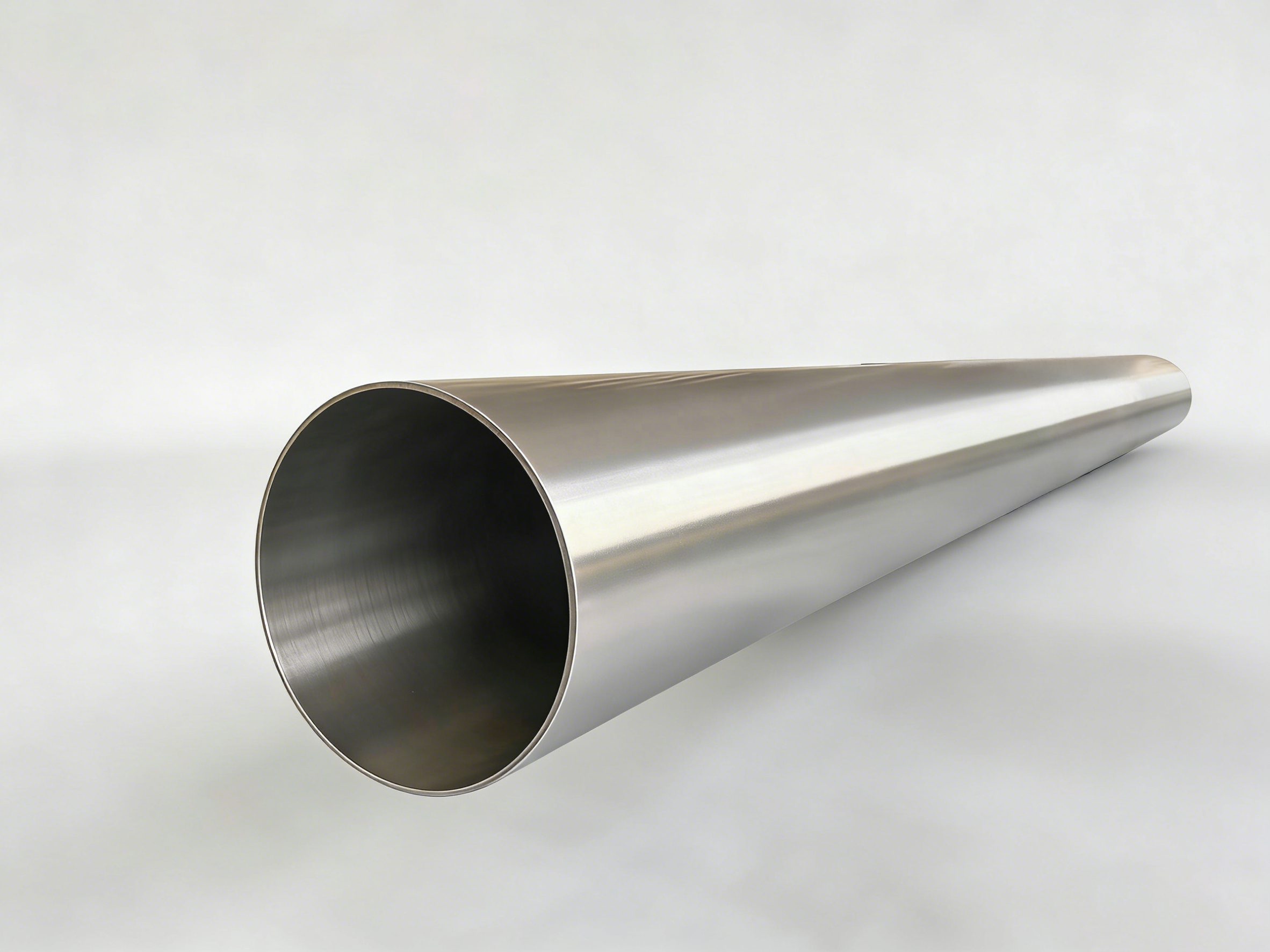
How to Choose the Right Hastelloy C276 Supplier for Your Needs

Selecting the right supplier for Hastelloy C276 involves evaluating several factors that align with your specific requirements. Key considerations include: 

Manufacturing Capabilities: Assess if the supplier has a complete production chain, including smelting, forging, and finishing processes. A supplier like Jiangsu Boyue Alloy Materials Co., Ltd. offers a one-stop service which can streamline your procurement process. 

Certifications: Verify that potential suppliers are certified by relevant quality management systems such as ISO9001 and AS9100. These certifications indicate that the supplier adheres to strict quality control processes essential for high-performance alloys used in critical applications. 

Customization Options: Depending on your application, you may need specific dimensions or properties. Ensure the supplier can offer customization capabilities to meet your unique specifications. 

Technical Expertise: A knowledgeable supplier can provide insights into the best material choices and help troubleshoot potential issues in production. Their expertise can guide you in selecting the proper alloy for the intended application. 

Lead Time and Availability: Inquire about lead times and the supplier's ability to meet your delivery schedules. A reliable supplier should have a clear understanding of your timeline and the capacity to fulfill orders promptly. 

Get a Free Quote

Our representative will contact you soon.
Email
Mobile
Name
Company Name
Message
0/1000

Related product categories

Hastelloy C276 Manufacturing Standards Explained

Hastelloy C276 Manufacturing Standards Explained

Hastelloy C276 is manufactured under strict standards to ensure its properties align with industry needs. Key manufacturing standards include: 

ASTM B575: This specification outlines the requirements for corrosion-resistant nickel alloy bars, plates, and sheets, including Hastelloy C276. It covers chemical composition, mechanical properties, and testing methods. 

NACE Standards: For applications in oil and gas, adherence to NACE (National Association of Corrosion Engineers) standards can be critical. These standards ensure that the materials can withstand harsh environmental conditions. 

AS9100 Certification: This is crucial for aerospace applications, indicating that the supplier follows stringent quality management processes tailored for the aviation industry. 

Understanding these standards helps buyers confirm that the materials will perform as expected in their specific applications, minimizing the risk of failure due to material incompatibility or sub-par manufacturing practices. 
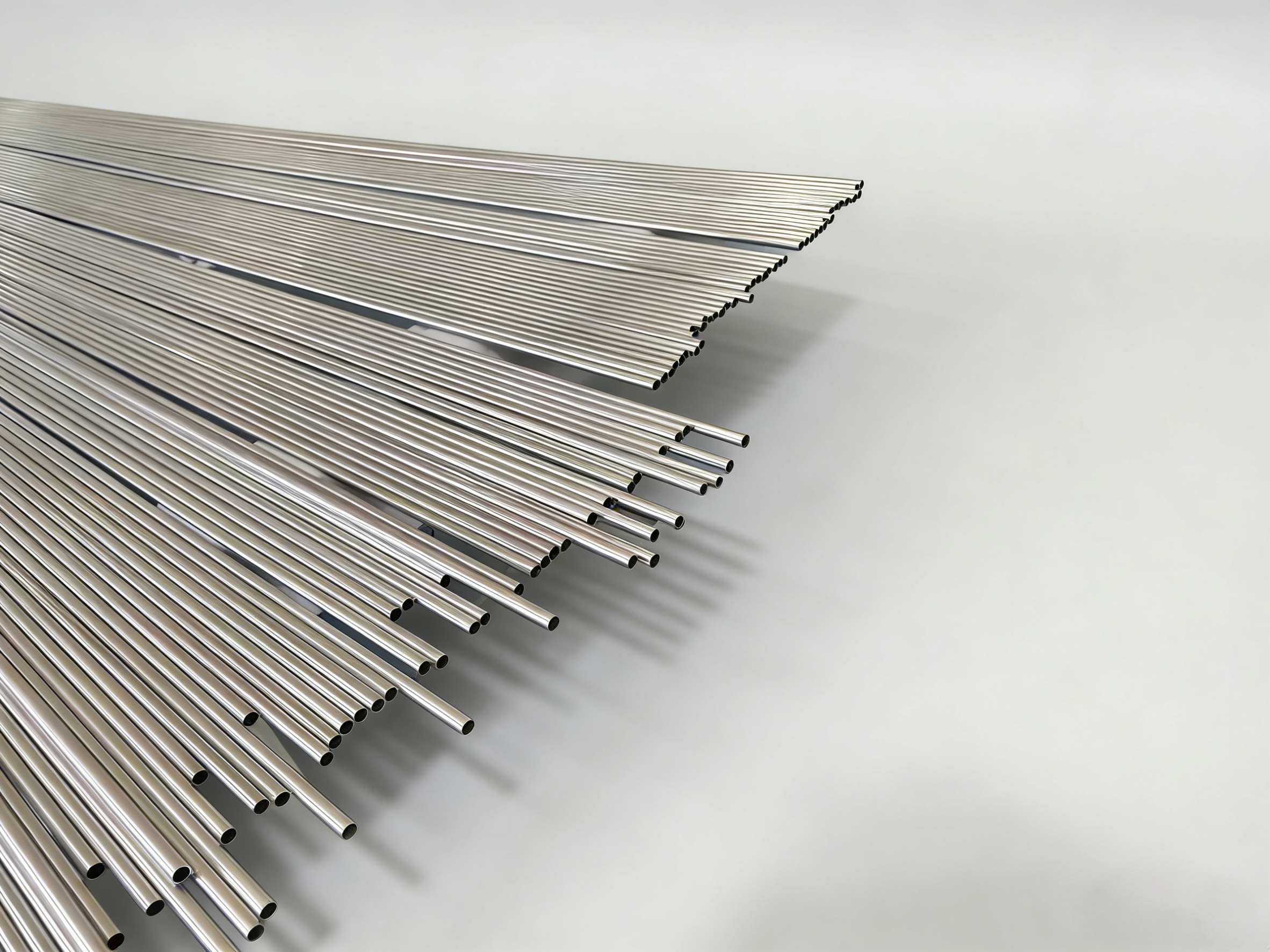
Cost Factors to Consider When Purchasing Hastelloy C276 Materials

Cost Factors to Consider When Purchasing Hastelloy C276 Materials

The cost of Hastelloy C276 can vary significantly based on several factors: 

Material Specifications: The grade, thickness, and form (such as sheets or pipes) will influence pricing. More complex specifications typically lead to higher costs due to increased processing and material requirements. 

Quantity Ordered: Many suppliers have minimum order quantities (MOQ) which can impact unit pricing. Bulk orders often receive discounts, but buyers should balance cost against actual needs. 

Customization Requirements: Custom dimensions or additional treatments (like surface finishing) can increase costs. Buyers should evaluate if these custom options are essential for their application. 

Market Conditions: Prices for nickel and other alloying elements fluctuate based on global market conditions, affecting overall costs. Keeping an eye on market trends can help you time your purchases effectively. 

Supplier Relationships: Building long-term relationships with suppliers may lead to better pricing and terms over time. Loyalty can sometimes result in preferential pricing or payment terms. 

Common Applications of Hastelloy C276 in Various Industries

Common Applications of Hastelloy C276 in Various Industries

Hastelloy C276 is utilized in various demanding applications due to its exceptional resistance to corrosion and heat. Common applications include: 

Chemical Processing: It's widely used in environments that involve harsh chemicals, such as sulfuric acid, hydrochloric acid, and chlorine, making it ideal for reactors, heat exchangers, and piping systems. 

Aerospace: In aerospace applications, Hastelloy C276 is used for components that demand high strength and corrosion resistance at elevated temperatures, contributing to reliability in flight-critical systems. 

Oil and Gas: Its resistance to pitting and stress corrosion cracking makes Hastelloy C276 suitable for oil and gas extraction and refining operations, particularly in offshore facilities. 

Nuclear Power: The alloy is used in the nuclear industry for components that must withstand aggressive environments, such as reactor vessels and heat exchangers. 

Pharmaceuticals: In pharmaceutical manufacturing, the alloy's cleanliness and resistance to contamination make it a preferred choice for processing equipment. 

Understanding these applications helps buyers identify the suitability of Hastelloy G C276 for their specific needs, ensuring they select the right material for the job. 

Best Practices for Contractors

For contractors working with Hastelloy C276, adhering to best practices can ensure optimal performance and longevity of the materials used: 

Sample Approval: Before commencing mass production, ensure that samples are tested under actual operating conditions. This can help identify potential issues with material compatibility or performance. 

Quality Control: Implement rigorous quality inspection processes throughout the procurement and installation phases. This includes verifying dimensions, surface finish, and material properties against specifications. 

Installation Guidelines: Follow specific installation procedures to avoid damaging the alloy. For example, avoid welding methods that can introduce stress concentrations which may lead to cracking. 

Post-Installation Maintenance: Educate teams on proper maintenance practices to enhance the longevity of Hastelloy C276 components, particularly in corrosive environments. Regular inspections and cleaning can help identify wear and prevent failures. 

Documentation: Maintain thorough documentation of material certifications, test results, and installation procedures. This documentation is vital for future reference, especially when dealing with compliance in regulated industries. 

By following these best practices, contractors can ensure that their use of Hastelloy C276 meets performance expectations and regulatory requirements, ultimately leading to enhanced project success.