
Trusted SS Seamless Pipe Manufacturers and Suppliers

All Categories
Get a Quote

Get a Free Quote

Our representative will contact you soon.
Email
Mobile
Name
Company Name
Message
0/1000

ss seamless pipe manufacturers

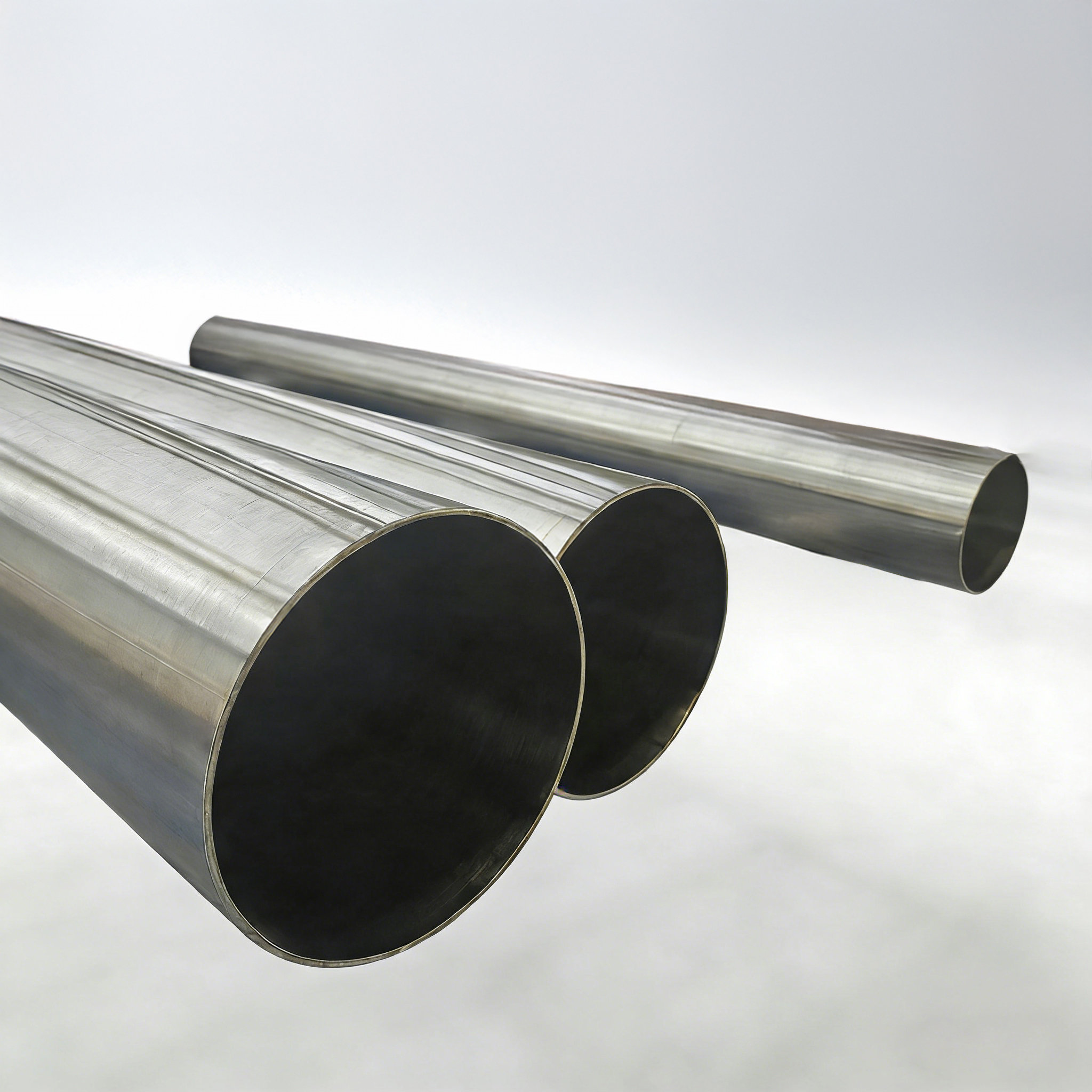
Seamless pipes are critical components in various industries, including aerospace, petroleum, and nuclear power. As a key offering from ss seamless pipe manufacturers, these pipes provide durability and reliability for high-pressure applications. When sourcing seamless pipes, buyers often have concerns related to specifications, quality, supplier trustworthiness, and cost factors. This article aims to guide purchasing managers and engineers through essential considerations when evaluating seamless pipe options, ensuring informed procurement decisions.
Key Specifications to Evaluate When Sourcing Seamless Pipes

When sourcing seamless pipes, several specifications should be prioritized to ensure they meet your application needs. Key specifications include:

Material Composition: Seamless pipes are often made from materials like nickel alloys, stainless steel, or carbon steel. The choice of material affects corrosion resistance, strength, and suitability for specific environments. For example, nickel alloys are preferred in high-temperature applications due to their excellent mechanical properties. For high-performance applications, consider exploring Hastelloy options, which are known for their exceptional resistance to corrosion.

Dimensions and Tolerances: The outer diameter, wall thickness, and length are critical dimensions that affect the pipe's performance. It’s essential to confirm that these dimensions align with industry standards such as ASTM or ASME to ensure compatibility with existing systems.

Pressure Rating: Seamless pipes are assigned pressure ratings based on their design and material. Understanding the pressure requirements of your application will help you choose pipes that can withstand operational stresses without failure.

Surface Finish: The surface finish impacts both the aesthetic and functional performance of the pipes. A smooth finish can enhance corrosion resistance and reduce friction, which is crucial for fluid flow applications. For optimal performance, consider seamless pipes with a polished finish.

Certification and Compliance: Ensure that the manufacturer provides relevant certifications, such as ISO9001 or PED compliance, which indicate adherence to quality management and safety standards.

Confirming these specifications early in the procurement process allows buyers to verify compatibility with their application requirements and avoid costly errors later.

Get a Free Quote

Our representative will contact you soon.
Email
Mobile
Name
Company Name
Message
0/1000

Related product categories

Where to Find Trusted Suppliers of Seamless Pipes for Bulk Orders

Where to Find Trusted Suppliers of Seamless Pipes for Bulk Orders

Finding reliable suppliers for seamless pipes is crucial for ensuring quality and consistency in your orders. Here are a few strategies to identify trustworthy manufacturers:

Industry Directories and Trade Shows: Utilizing platforms like ThomasNet or attending industry trade shows can connect you with reputable manufacturers. These resources often provide detailed company profiles, including product offerings and certifications.

Online Reviews and Testimonials: Checking online reviews and testimonials from previous clients can provide insights into a manufacturer’s reliability and product quality. Look for feedback on service quality, product performance, and post-purchase support.

Certifications and Quality Systems: Choose manufacturers with recognized certifications (e.g., ISO9001, AS9100) indicating a commitment to quality. These certifications reflect adherence to industry standards and quality control processes.

Request for Quotation (RFQ): Send RFQs to multiple suppliers to compare pricing, lead times, and service levels. A supplier who responds promptly and provides detailed information indicates a professional approach.

Sample Orders: Before committing to bulk orders, request samples to evaluate quality and performance. Inspect the sample for material integrity, dimensions, and finish.

By implementing these strategies, you can identify reliable suppliers that meet your specific needs for seamless pipes, including options like Flanges that might be required for your installations.
Understanding the Cost Factors in Seamless Pipe Purchasing Decisions

Understanding the Cost Factors in Seamless Pipe Purchasing Decisions

The cost of seamless pipes can vary significantly based on several factors that buyers should consider:

Material Type: The choice of material largely influences the price. For example, nickel alloys tend to be more expensive than carbon steel due to their superior properties and manufacturing complexity.

Production Processes: The manufacturing method, whether it involves smelting and forging or other techniques, impacts costs. Custom manufacturing processes typically incur higher expenses due to the added complexity and labor involved.

Order Volume: Bulk orders generally attract lower per-unit costs due to economies of scale. Manufacturers may offer reduced pricing for larger quantities, making it essential to evaluate your needs carefully.

Certification and Testing Requirements: Additional testing and certification processes may incur extra costs. Depending on the application (e.g., aerospace or nuclear), buyers may need to factor in costs associated with compliance testing.

Lead Time: Tight deadlines may necessitate expedited production, which can increase costs. Planning ahead can help mitigate these expenses by allowing for standard production timelines.

Understanding these cost factors will enable buyers to budget effectively and make informed purchasing decisions.

Common Problems with Seamless Pipes and Effective Solutions

Common Problems with Seamless Pipes and Effective Solutions

While seamless pipes are generally reliable, several common issues can arise during their use. Here are some potential problems along with effective solutions:

Corrosion: Exposure to harsh environments can cause corrosion, leading to pipe failure. To mitigate this risk, select materials with superior corrosion resistance, such as nickel alloys for chemical applications.

Welding Issues: Improper welding techniques can compromise the integrity of seamless pipes. Ensure that qualified personnel perform all welding tasks, and utilize appropriate filler materials and techniques to match the pipe composition.

Dimensional Inaccuracies: Pipes may not meet specified dimensions, leading to compatibility issues. Conduct thorough quality inspections upon receipt, checking dimensions against specifications. Suppliers should provide documentation to verify compliance with standards.

Pressure Failures: Over-pressurization can lead to catastrophic failures. Implement regular maintenance schedules to monitor pressure levels and inspect pipes for signs of stress or damage.

Surface Defects: Surface imperfections can affect performance and maintenance. Before installation, inspect the pipes for any visible defects, and ensure they meet the required surface finish standards.

By proactively addressing these common issues, buyers can enhance the reliability and performance of their seamless pipe installations.

Installation Guidelines for Seamless Pipes in Various Applications

Proper installation of seamless pipes is critical to their performance and longevity. Here are some guidelines to ensure successful installation:

Preparation: Before installation, inspect all pipes for compliance with specifications and check for any visible damage. Ensure that the installation area is clean and free of debris.

Support and Alignment: Use appropriate supports to maintain alignment and prevent sagging. Proper support placement is essential to avoid undue stress on the pipes during operation.

Welding and Joining Techniques: If welding is required, ensure that the welders are certified and follow established procedures. Use compatible filler materials to maintain the integrity of the joint.

Testing: After installation, conduct pressure tests to verify that the system can handle operational pressures without leaks. This step is crucial for applications in high-pressure environments to ensure safety and reliability.

Documentation: Keep thorough records of installation procedures, materials used, and any inspections conducted. This documentation can be invaluable for troubleshooting and future maintenance.

Incorporating these installation guidelines will help maximize the performance and durability of seamless pipes in your applications.