EN

Inconel 600 tubes are high-performance nickel-chromium alloy products known for their excellent resistance to oxidation and corrosion, making them ideal for a variety of industrial applications. For B2B buyers, including purchasing managers and engineers, sourcing from reputable Inconel 600 tube suppliers is critical to ensuring quality, compliance, and performance in demanding environments such as aerospace, petroleum, and nuclear power. This article will explore key specifications, evaluate quality, provide installation guidelines, discuss the benefits in harsh conditions, and guide you to reliable suppliers.
How to Evaluate the Quality of Inconel 600 Tubes for Projects
To ensure that the Inconel 600 tubes you source will meet your project requirements, consider the following quality evaluation methods:
Material Certification: Always request a material test report (MTR) that provides details on the chemical composition and mechanical properties of the tubes. This document should be traceable to the production batch.
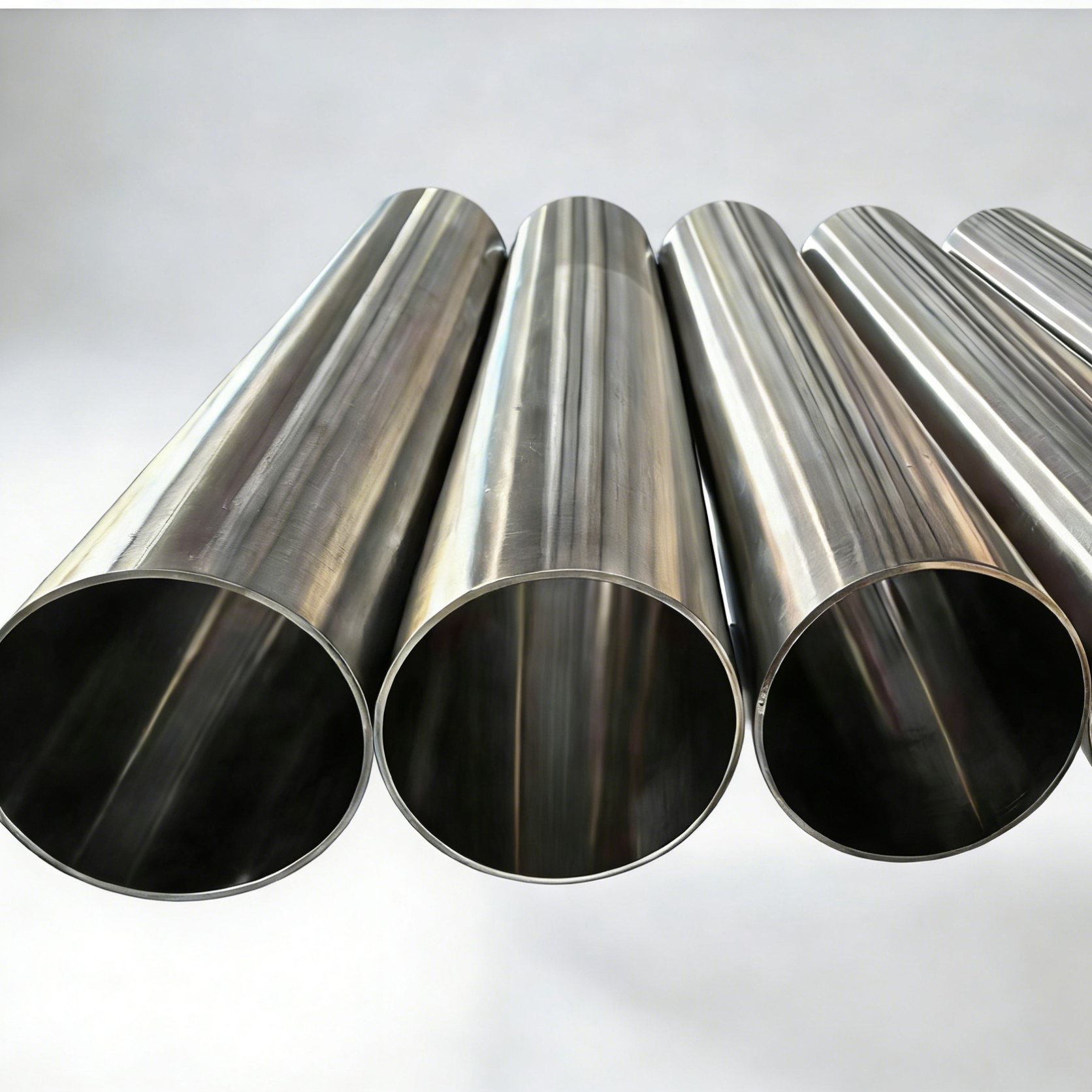
Visual Inspection: Conduct a thorough visual inspection of the tubes upon receipt. Look for signs of defects such as pitting, surface irregularities, or misalignment. Dimensional checks can also confirm compliance with specifications.
Nondestructive Testing (NDT): Depending on the application, it may be prudent to conduct NDT methods such as ultrasonic testing or eddy current testing. These methods can detect subsurface defects without compromising the integrity of the tubes.
Sample Testing: Before placing a bulk order, request samples for testing under actual operating conditions. This will help assess the tube's performance in your specific application environment.
Supplier Quality Assurance: Evaluate the supplier's quality assurance processes. A robust QA program should include regular audits, employee training, and continuous improvement practices.