
Top Flange Suppliers for Your Industrial Needs

All Categories
Get a Quote

Get a Free Quote

Our representative will contact you soon.
Email
Mobile
Name
Company Name
Message
0/1000

flange suppliers

Flanges are crucial components in a wide range of industries, serving as connectors between pipes, valves, and other equipment. For businesses seeking reliable flange suppliers, it is essential to understand the specifications, material options, and supplier evaluation processes involved. This article aims to guide purchasing managers, distributors, and engineers through the intricacies of flange selection and procurement, ensuring informed decision-making when sourcing these vital products.
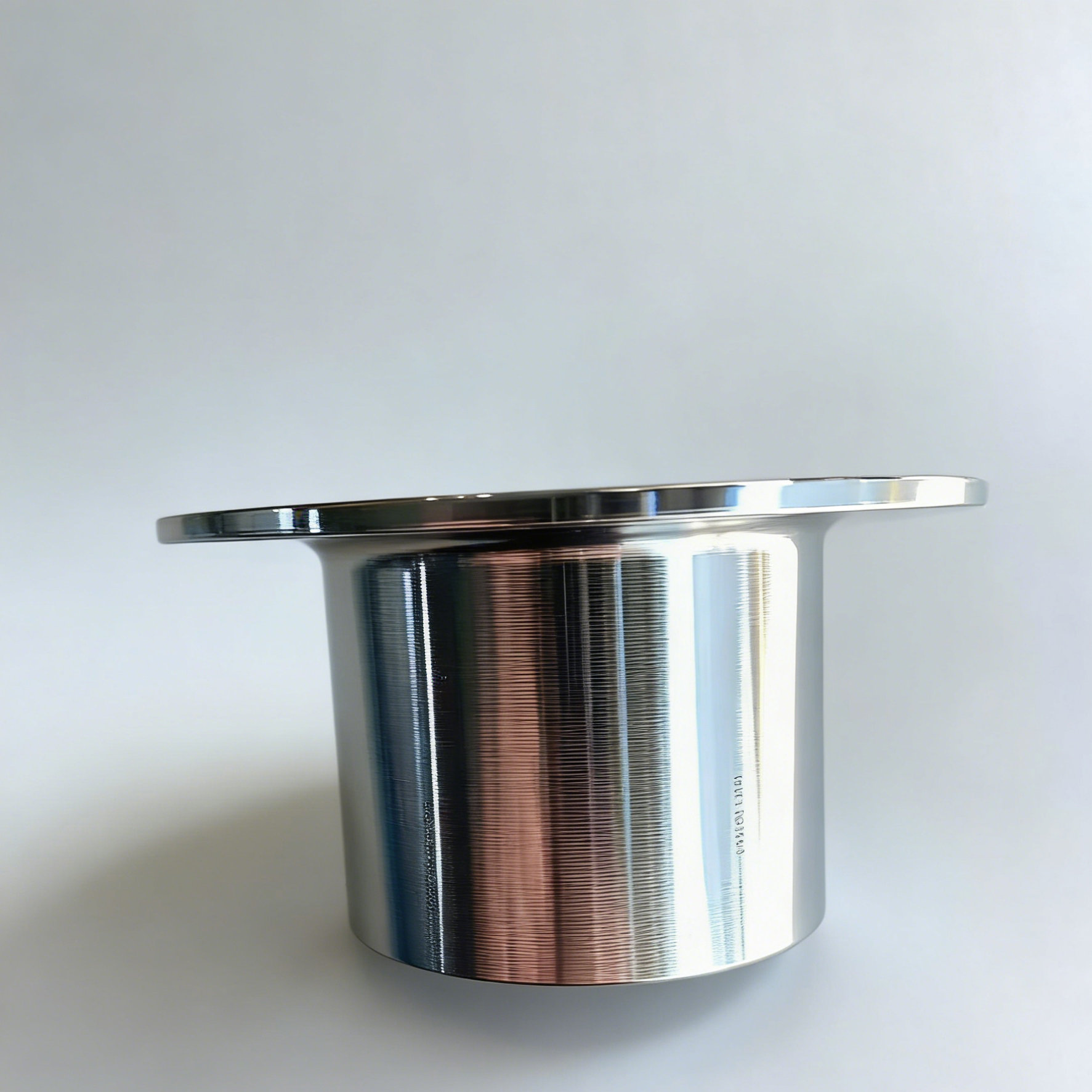
Understanding Flange Specifications for Wholesale Buyers

Flange specifications encompass various dimensions, such as diameter, thickness, and bolt hole patterns, which must align with the intended application. The most common standards include ANSI, ASTM, and ASME, each dictating specific criteria for pressure ratings and material compatibility. When sourcing flanges, buyers should be aware of the pressure class, which indicates the maximum pressure the flange can withstand, typically ranging from 150 to 2500 psi.

Moreover, flange faces, such as raised face, flat face, and ring-type joint, dictate how the flange will seal with the counterpart. It's critical to select a flange face that suits the sealing method, as improper choices can lead to leaks and operational failures. Buyers should also consider the flange's surface finish, as a smoother finish enhances sealing performance.

Lastly, understanding the requirements for customization is vital. Many suppliers, including Jiangsu Boyue Alloy Materials Co., Ltd., offer bespoke solutions for unique applications, ensuring that the flanges meet specific operational demands. For instance, ASTM B168 Inconel 600 Strips & Coils can be a suitable choice for specialized applications.

Get a Free Quote

Our representative will contact you soon.
Email
Mobile
Name
Company Name
Message
0/1000

Related product categories

Key Factors for Importers and Distributors

Key Factors for Importers and Distributors

For importers and distributors, several key factors influence the decision-making process when selecting flange suppliers. First, it's essential to verify the supplier's certifications, such as ISO9001, AS9100, and API, which indicate adherence to quality management systems and industry standards. These certifications not only ensure product reliability but also facilitate smoother transactions and compliance with international regulations.

Additionally, understanding the supplier's manufacturing capabilities is crucial. Suppliers with integrated production chains, like Jiangsu Boyue, benefit from streamlined processes that encompass smelting, forging, and quality control. This comprehensive approach often results in superior product consistency and shorter lead times.

Another vital consideration is the supplier's experience in the target industry. For example, flanges used in aerospace or nuclear power applications necessitate rigorous quality checks and material integrity. A supplier familiar with these sectors is more likely to provide products that meet stringent requirements.
Comparing Flange Material Advantages for Your Application Needs

Comparing Flange Material Advantages for Your Application Needs

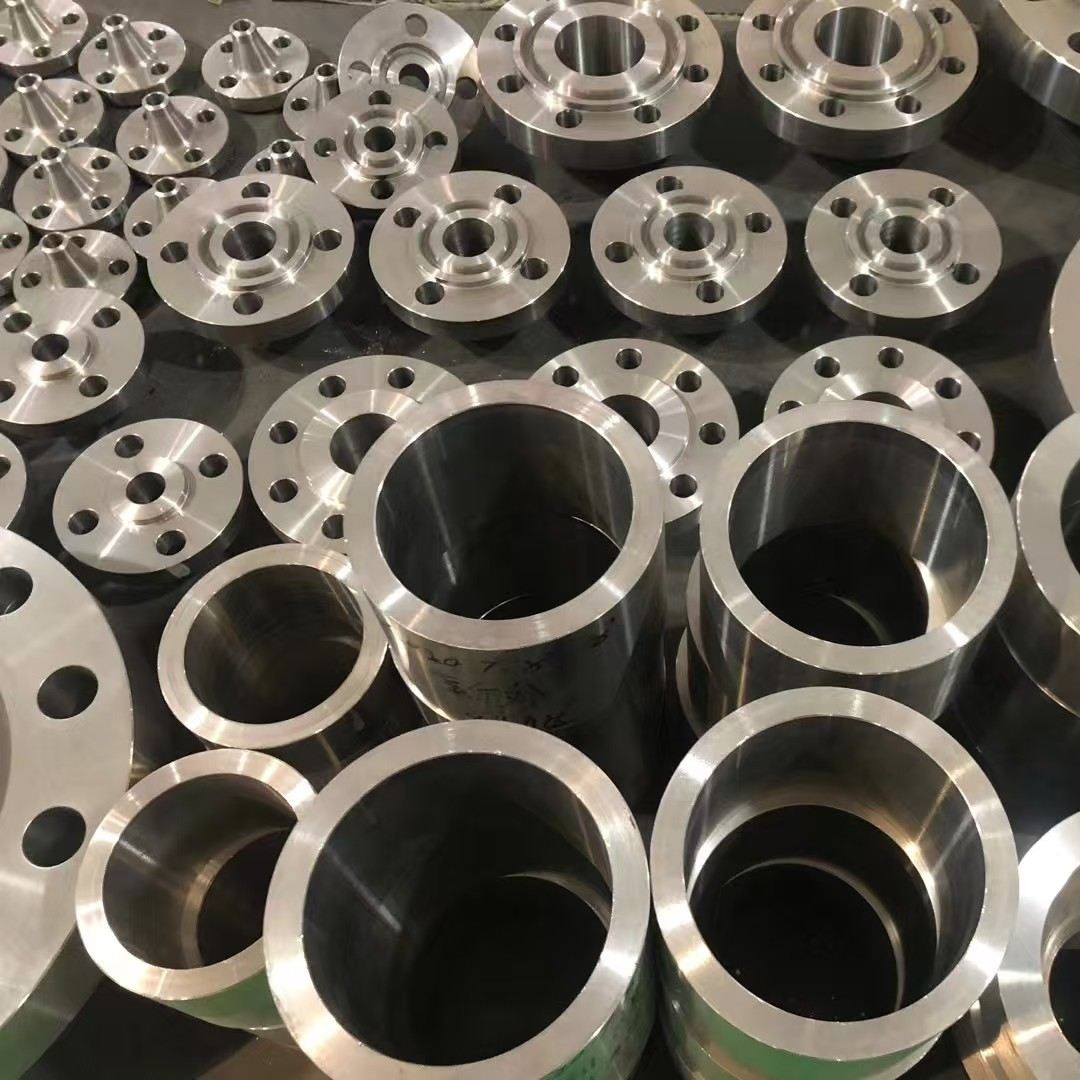
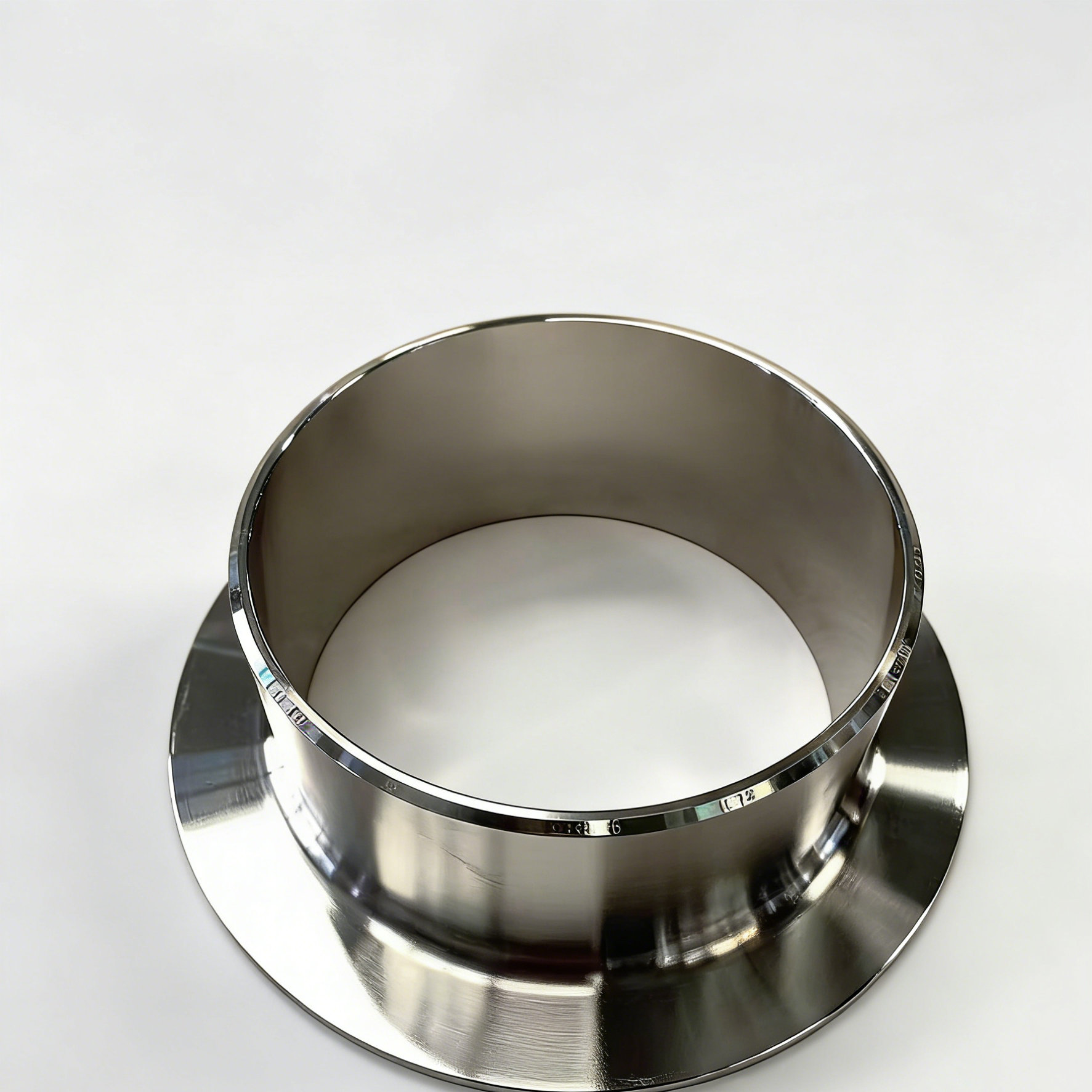
Flanges can be made from various materials, each offering distinct advantages based on application requirements. Common materials include carbon steel, stainless steel, and nickel alloys. Carbon steel flanges are cost-effective and suitable for low-pressure applications, while stainless steel flanges are preferred for their corrosion resistance and strength, particularly in chemical processing environments.

Nickel alloys, such as those produced by Jiangsu Boyue, are ideal for high-temperature and high-pressure applications, such as those in aerospace and nuclear power sectors. These materials exhibit excellent resistance to oxidation and can withstand extreme conditions, making them a suitable choice for demanding environments. For example, products like ASTM B167 Inconel 600 Pipes & Tubes are tailored for such applications.

When selecting the material, consider factors such as temperature, chemical exposure, and required strength. Conducting a thorough analysis of the operating environment and consulting with suppliers can help ensure that the chosen material aligns with performance expectations.

Where to Find Trusted Flange Suppliers for Construction Projects

Where to Find Trusted Flange Suppliers for Construction Projects

Identifying reliable flange suppliers is crucial for construction projects to ensure timely delivery and adherence to quality standards. Start by seeking recommendations from industry peers or conducting online research to find suppliers with a solid reputation in the market. Look for companies that specialize in the specific type of flanges required for your project, whether they be for plumbing, HVAC, or industrial applications.

Attend industry trade shows and exhibitions to network with potential suppliers and evaluate their product offerings firsthand. Such events often provide insights into the latest industry trends and innovations, allowing you to assess the capabilities of various manufacturers.

Additionally, consider suppliers who offer comprehensive service packages, including customization, packaging, and logistics support. Suppliers like Jiangsu Boyue Alloy Materials Co., Ltd. provide one-stop services from production to shipping, ensuring that all project requirements are met efficiently.

A Buyeru2019s Guide

When preparing to source flanges, consider the following guidelines to streamline the procurement process:

Define Specifications: Clearly outline the specifications required for the flanges, including dimensions, material, pressure ratings, and any necessary certifications.

Request Quotations: When reaching out to suppliers, provide detailed information regarding the intended application, quantity, and any specific customization needs. This helps suppliers provide accurate pricing and lead time estimates.

Evaluate Samples: Before committing to a large order, request samples to assess quality and compatibility. Evaluate samples under actual working conditions to ensure they meet performance standards.

Assess Lead Times: Inquire about lead times for production and delivery, particularly if the flanges are needed for a specific project timeline. Suppliers with robust manufacturing processes typically offer shorter lead times.

Quality Control Checks: Understand the quality control processes employed by the supplier. Regular inspections and testing ensure that the final product meets industry standards and customer expectations.

By following these guidelines, buyers can enhance their procurement strategy, minimize risks, and ensure they select the right flange suppliers for their needs.

In summary, understanding flange specifications, materials, and supplier capabilities is essential for successful procurement. By leveraging these insights, businesses can make informed decisions and secure reliable flange solutions for their operations.