Hastelloy Applications in Aerospace and Energy Sectors

All Categories
Get a Quote

Get a Free Quote

Our representative will contact you soon.
Email
Mobile
Name
Company Name
Message
0/1000

Hastelloy

Hastelloy is a high-performance nickel alloy known for its exceptional resistance to corrosion and heat. It is widely used in demanding environments, such as aerospace, petroleum, and energy production. As a B2B buyer, understanding Hastelloy's specifications and applications is crucial when sourcing materials that meet stringent industry standards. This article will guide you through essential considerations for purchasing Hastelloy, providing insights into specifications, distribution, buyer knowledge, best practices, and its applications in key sectors.
Our Products

Key Specifications for Buyers

When evaluating Hastelloy for your projects, several key specifications should be taken into account. These include: 

Material Composition: Hastelloy is primarily composed of nickel, with varying amounts of chromium, molybdenum, and tungsten. Each variant, such as Hastelloy C-276 or Hastelloy C‑22, offers different corrosion resistance and mechanical properties, making it essential to select the right type based on your application. 

Mechanical Properties: Important properties include tensile strength, yield strength, and elongation. These metrics determine how the material will perform under stress and temperature conditions. For example, Hastelloy C‑276 has a tensile strength of approximately 1,480 MPa (215 ksi), which is beneficial in high-stress applications. 

Temperature Resistance: Hastelloy alloys can withstand extreme temperatures, making them suitable for environments like nuclear reactors or gas turbines. Understanding the temperature range for your application is vital to ensure optimal performance. 

Corrosion Resistance: Different grades of Hastelloy offer specific resistance to various corrosive environments. For instance, Hastelloy C-22 is highly resistant to pitting and crevice corrosion, making it ideal for chemical processing applications. 

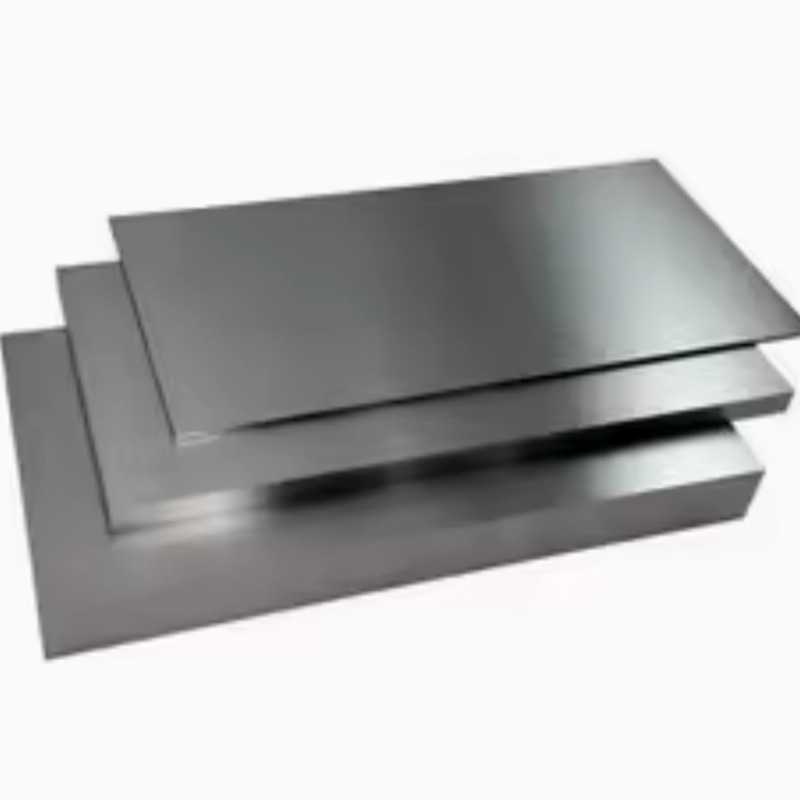
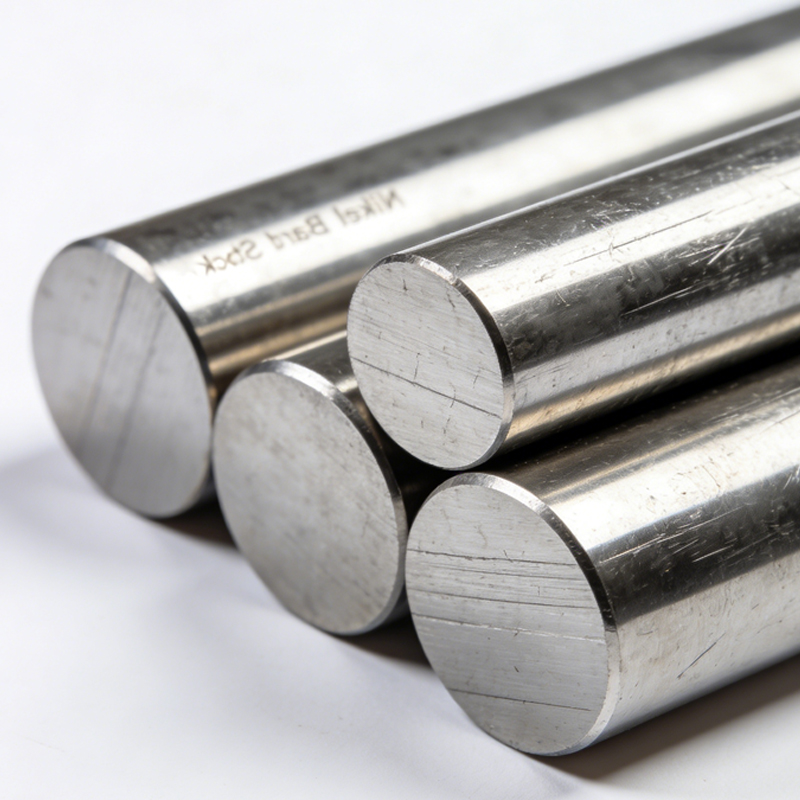
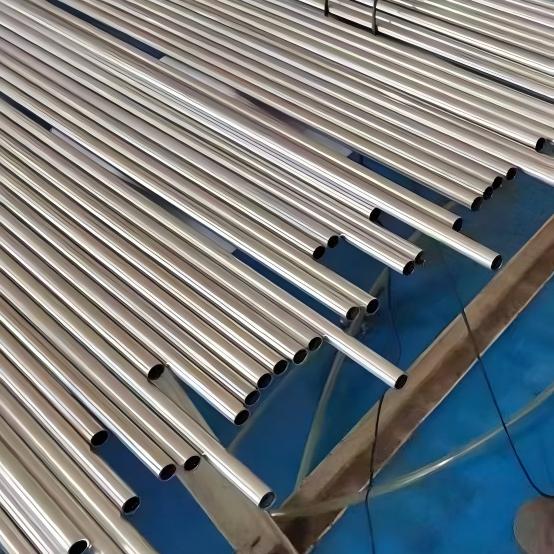
Dimensional Specifications: Buyers should confirm the necessary dimensions, including thickness, diameter, and lengths of pipes, plates, and fasteners. Customized specifications may be required based on the design requirements of your project. 

Get a Free Quote

Our representative will contact you soon.
Email
Mobile
Name
Company Name
Message
0/1000

Related product categories

A Guide for Distributors

For distributors looking to source Hastelloy, understanding the market and supply chain dynamics is essential. Here are key aspects to consider: 

Supplier Relationships: Establishing strong relationships with manufacturers like Jiangsu Boyue Alloy Materials Co., Ltd. can facilitate better pricing and quicker response times. Make sure to verify their certifications such as ISO9001 and AS9100, which attest to their quality management systems. 

Product Variations: Be aware of the different grades of Hastelloy available. Distributors should maintain a diverse inventory that caters to various sectors including aerospace, petroleum, and nuclear power to meet the demands of their customer base. 

Quality Assurance: Implement rigorous quality control processes to ensure that all products meet industry standards. This includes regular inspections and testing to verify compliance with specifications. 

Logistics and Packaging: Understand the best practices for packaging and shipping Hastelloy products to prevent damage during transit. Proper packaging can minimize issues related to corrosion or deformation. 

What Buyers Should Know

Before making a purchase, buyers should be well-informed about several factors that affect their decision: 

Minimum Order Quantity (MOQ): Different manufacturers may have varying MOQs for Hastelloy products. Knowing these requirements can help buyers plan their orders and manage inventory effectively. 

Lead Times: Understand the lead times for production and delivery. Custom orders may require longer lead times, so it’s important to factor this into project timelines. 

Customization Capabilities: Many manufacturers offer customization options for Hastelloy products. Buyers should communicate their specific needs, including dimensions, surface finish, and any additional treatments. 

Cost Factors: The price of Hastelloy can fluctuate based on market demand and raw material costs. Buyers should consider these fluctuations when budgeting for their projects. 

Sample Approval: Before mass production, it’s advisable to approve a finished sample to confirm that all specifications and quality expectations are met. This helps avoid costly mistakes during production. 

Best Practices

To ensure a successful procurement process for Hastelloy, consider the following best practices: 

Clear Specifications: Provide clear and detailed specifications when requesting quotes. Include material grade, dimensions, quantity, and any special requirements. 

Supplier Evaluation: Evaluate potential suppliers based on their experience, quality control processes, and customer service. Checking references and prior projects can also provide insight into their reliability. 

Quality Checks: Implement a robust quality inspection process upon receiving products. Check for dimensions, surface finish, and compliance with specifications to ensure they meet your requirements. 

Documentation: Ensure all necessary documentation, including material certificates and inspection reports, accompanies the delivery. This is crucial for regulatory compliance in industries like aerospace and nuclear power. 

Training and Support: If applicable, ensure that your team is trained on the proper handling and installation of Hastelloy products to maximize performance and longevity. 

Hastelloy Applications in Aerospace and Energy Sectors Explained

Hastelloy's unique properties make it highly suitable for various applications in the aerospace and energy sectors: 

Aerospace: In aerospace applications, Hastelloy is often used in components exposed to high temperatures and corrosive environments, such as turbine blades, exhaust systems, and fuel systems. Its high strength-to-weight ratio is critical for maintaining performance while minimizing weight. 

Energy Production: The energy sector utilizes Hastelloy in nuclear reactors, heat exchangers, and gas turbines. Its resistance to corrosion and high-temperature strength makes it ideal for components that operate in extreme conditions, improving safety and efficiency. 

Chemical Processing: Hastelloy is extensively used in chemical processing plants for its ability to withstand harsh chemicals and high pressures. It is commonly found in reactors, heat exchangers, and piping systems. 

Oil and Gas: In the oil and gas industry, Hastelloy is used for downhole tubing, valves, and fittings where resistance to sour gas and other corrosive substances is essential. 

Renewable Energy: With the growing demand for sustainable energy sources, Hastelloy is increasingly used in biofuel production and wind turbine components due to its durability and reliability. 

By understanding these applications, buyers can make informed decisions about how Hastelloy can meet their specific industry requirements.