Key Specifications of Seamless Copper Pipe

All Categories
Get a Quote

Get a Free Quote

Our representative will contact you soon.
Email
Mobile
Name
Company Name
Message
0/1000

seamless copper pipe

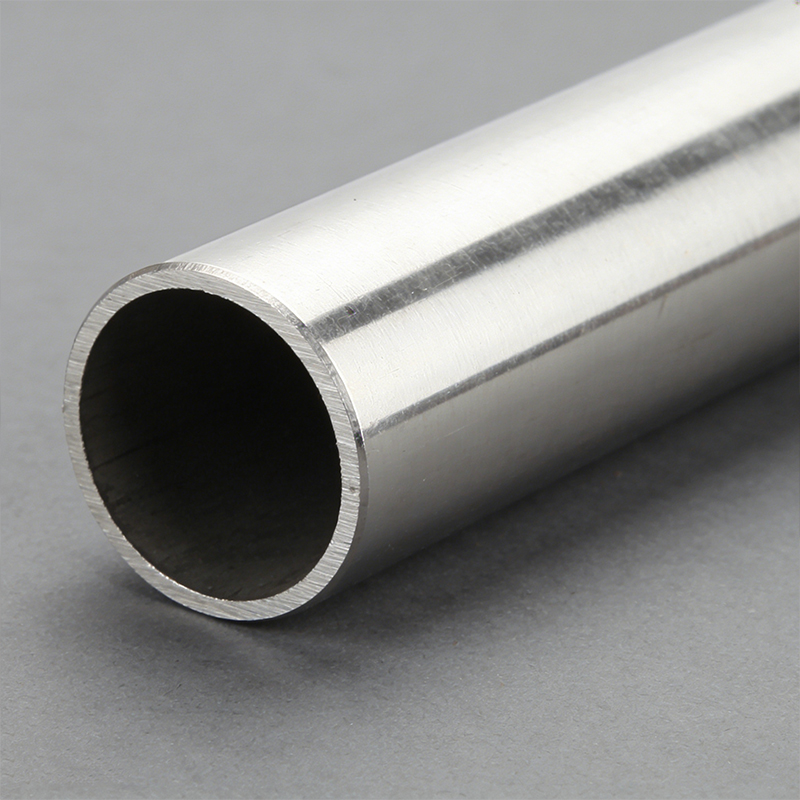
Seamless copper pipes are essential components in various industrial applications, known for their durability, corrosion resistance, and excellent thermal conductivity. As a purchasing manager or engineer, understanding the specifications, sourcing options, and applications of seamless copper pipe is crucial for making informed decisions. This article will guide you through the key specifications, factors to consider when sourcing, cost considerations, and applications of seamless copper pipes in manufacturing industries.
Our Products

Key Specifications of Seamless Copper Pipe for Industrial Use

When evaluating seamless copper pipes, several key specifications should be considered:

Dimensions: Seamless copper pipes come in a range of diameters and wall thicknesses. The most common standards include nominal pipe size (NPS) and schedule number, which affect the pipe's pressure rating and overall strength. It’s crucial to select dimensions that match your application requirements to ensure compatibility with existing systems.

Material Grades: Copper pipes are typically classified by their alloy composition, including C11000 (99.9% pure copper) and C12200 (oxygen-free copper). The choice of material affects the pipe's conductivity, corrosion resistance, and mechanical strength. For example, C12200 is preferred in high-temperature applications due to its improved thermal stability. Additionally, for specific applications requiring high-performance materials, you might also explore ASTM B167 Inconel 600 Pipes & Tubes UNS N06600 2.4816 Nickel Alloy Seamless Tube.

Manufacturing Process: Seamless copper pipes are produced through a forging process, eliminating seams that can be points of weakness. This manufacturing method enhances the pipe's integrity, making it suitable for high-pressure applications.

Surface Finish: The surface finish can impact the pipe's performance, especially in applications involving fluids or gases. A smooth interior surface reduces friction and improves flow rates, while a treated exterior can enhance corrosion resistance.

Certifications: Ensure that the seamless copper pipes meet relevant industry standards, such as ISO9001 and AS9100. These certifications indicate a commitment to quality and reliability, essential for industries like aerospace and nuclear power.

Get a Free Quote

Our representative will contact you soon.
Email
Mobile
Name
Company Name
Message
0/1000

Related product categories

What to Look For

When sourcing seamless copper pipes, consider the following factors:

Supplier Reputation: Choose suppliers with a proven track record in the industry. Look for reviews, testimonials, and case studies that demonstrate their ability to deliver high-quality products consistently.

Customization Options: Depending on your specific application, you may require custom dimensions or material specifications. Discuss customization capabilities with potential suppliers to ensure they can meet your unique needs.

Quality Control Processes: Inquire about the supplier's quality control measures. A robust quality assurance program should include inspections at various stages of the manufacturing process and testing of finished products to confirm compliance with specifications.

Lead Times and Minimum Order Quantities (MOQ): Understand the supplier's lead times and MOQs. This information is crucial for project planning, especially if you require large quantities or expedited delivery.

Technical Support: A knowledgeable supplier can provide valuable insights into product selection and application suitability. Ensure that your supplier offers technical support or consultation services.

Where to Source Reliable Seamless Copper Pipe Suppliers

Finding reliable suppliers of seamless copper pipes involves a few key strategies:

Industry Associations and Trade Shows: Participating in industry associations and trade shows can help you connect with reputable manufacturers. Networking with peers can also provide recommendations based on firsthand experiences.

Online Directories: Utilize online directories and platforms that specialize in industrial products. Websites like ThomasNet and IndustryNet allow you to filter suppliers based on specific criteria, such as location and product specifications.

Request for Quotations (RFQs): When reaching out to potential suppliers, prepare a well-defined RFQ that includes details about the desired specifications, quantities, and application requirements. This approach helps suppliers provide accurate quotes and reduces the likelihood of misunderstandings.

Evaluate Multiple Suppliers: Don’t settle for the first supplier you find. Obtain quotes from several companies to compare pricing, lead times, and service offerings. This competitive approach can also highlight variations in customer service and responsiveness.

Cost Factors to Consider When Purchasing Seamless Copper Pipe

The cost of seamless copper pipes can vary significantly based on several factors:

Material Costs: The price of copper fluctuates based on market conditions. Ensure you stay informed about market trends, as this can impact your procurement strategy.

Manufacturing Complexity: Pipes that require custom dimensions or specific material grades may incur additional manufacturing costs. Discuss these factors upfront with suppliers to avoid unexpected charges.

Order Volume: Larger orders often qualify for bulk pricing discounts. Assess your needs carefully and consider consolidating orders to take advantage of lower unit costs.

Shipping and Handling: Transportation costs can impact overall expenses, especially for international orders. Verify shipping options and associated costs with suppliers to include them in your budget.

Quality Control and Testing: Some suppliers may charge for additional quality assurance measures or testing. Understanding these costs upfront can help you budget appropriately.

Applications of Seamless Copper Pipe in Manufacturing Industries

Seamless copper pipes find applications across various manufacturing sectors due to their unique properties:

Aerospace Industry: The lightweight and high-strength characteristics of seamless copper pipes make them ideal for aircraft systems, including hydraulic and fuel lines. Their resistance to corrosion and high-temperature stability is vital in ensuring safety and reliability.

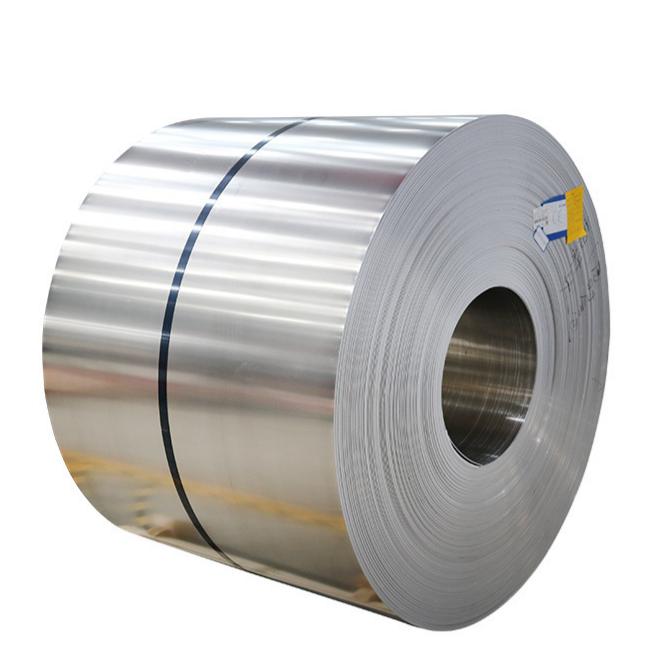
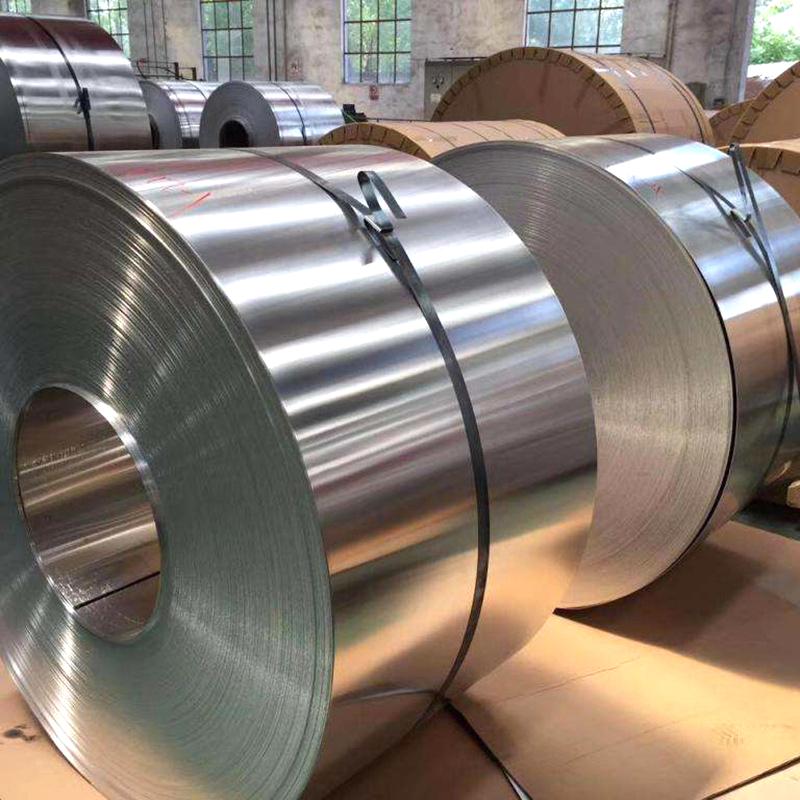
Petroleum and Gas: In the oil and gas sector, seamless copper pipes are used for transporting fluids and gases. Their ability to withstand high pressure and resist corrosion from harsh chemicals is critical in this application. For more advanced materials used in such environments, consider ASTM B168 Inconel 600 Strips & Coils UNS N06600 2.4816 Nickel Alloy Strip Coil.

Nuclear Power: Copper’s non-magnetic properties and resistance to radiation make it suitable for use in nuclear reactors, particularly in cooling systems and heat exchangers.

New Energy Applications: With the rise of renewable energy technologies, seamless copper pipes are increasingly used in solar thermal systems and electric vehicles, where efficient thermal management is crucial.

Pressure Vessels: Seamless copper pipes are often employed in pressure vessel applications due to their ability to maintain structural integrity under high-pressure conditions.

By understanding the specifications, sourcing options, cost factors, and applications of seamless copper pipes, you can make informed decisions that align with your project requirements. Engaging with knowledgeable suppliers like Jiangsu Boyue Alloy Materials Co., Ltd. can further simplify your procurement process, ensuring you obtain high-quality products tailored to your needs.