Nickel-Based Superalloys: Sourcing Insights and Specs

All Categories
Get a Quote

Get a Free Quote

Our representative will contact you soon.
Email
Mobile
Name
Company Name
Message
0/1000

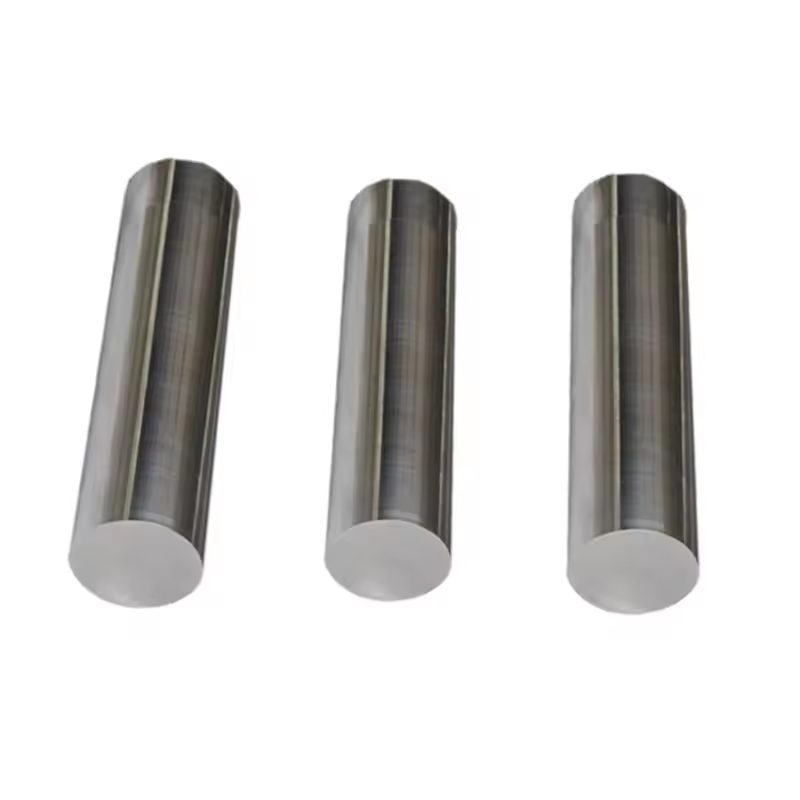
Nickel based superalloys

Nickel-based superalloys are high-performance materials that excel in extreme environments, making them essential for various industries, including aerospace, petroleum, and nuclear power. These alloys are known for their excellent mechanical strength, resistance to oxidation and corrosion, and ability to withstand high temperatures. For B2B buyers, understanding the specifications and sourcing options for nickel-based superalloys is crucial to ensure compatibility with their applications, cost-effectiveness, and quality assurance. This article will provide insight into evaluating specifications, sourcing options, and technical considerations for nickel-based superalloys

Our Products

Key Specifications to Evaluate in Nickel-Based Superalloys

When purchasing nickel-based superalloys, several key specifications need to be assessed to ensure they meet the requirements of your application. Important considerations include

Chemical Composition: The presence of elements like chromium, molybdenum, and titanium can significantly affect the alloy's performance. Higher chromium content generally enhances oxidation resistance, while molybdenum improves high-temperature strength. Buyers should verify the specific alloy compositions relevant to their applications

Mechanical Properties: Tensile strength, yield strength, and elongation are critical properties that determine how the material will perform under stress. For example, aerospace applications often require alloys with exceptional tensile strength to withstand high thrust conditions

Temperature Resistance: Different nickel-based superalloys have varying temperature tolerances. It's important to select an alloy that can maintain its mechanical properties under the operational temperatures expected in your application

Surface Finish: The surface condition can influence the alloy's corrosion resistance and fatigue life. Buyers should specify whether a certain finish, such as polished or coated, is required for their application

By closely evaluating these specifications, buyers can ensure that the nickel-based superalloys selected will perform as intended in their specific environments

Get a Free Quote

Our representative will contact you soon.
Email
Mobile
Name
Company Name
Message
0/1000

Related product categories

Where to Source Quality Nickel-Based Superalloys for Bulk Orders

Sourcing high-quality nickel-based superalloys involves identifying reliable suppliers that meet industry standards. Here are some strategies to consider

Certifications: Choose suppliers that hold recognized certifications such as ISO9001, AS9100, and PED. These certifications indicate a commitment to quality management and compliance with industry standards, which is crucial when sourcing materials for critical applications like aerospace or nuclear power

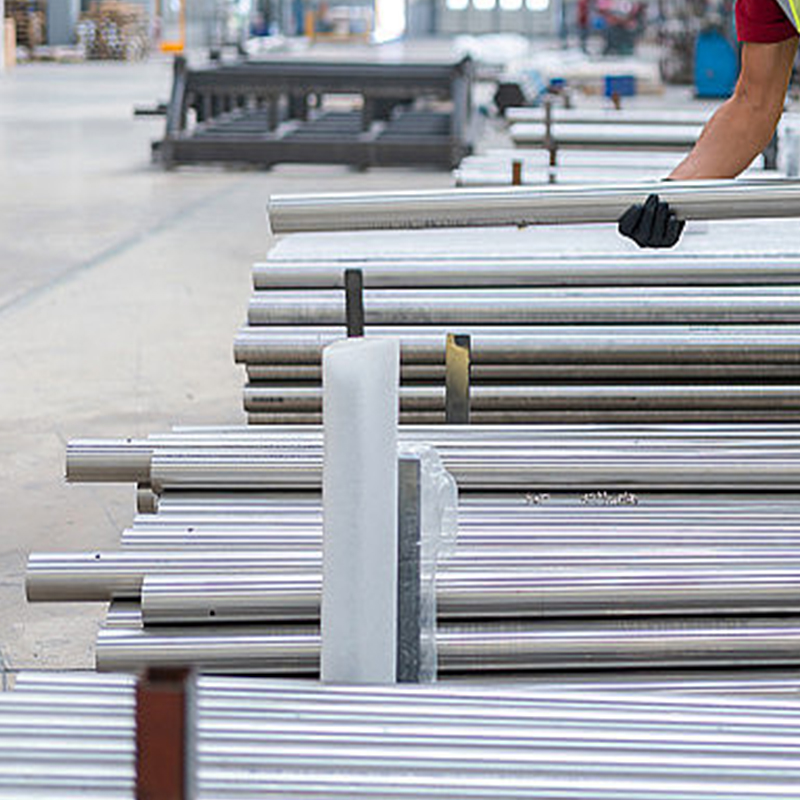
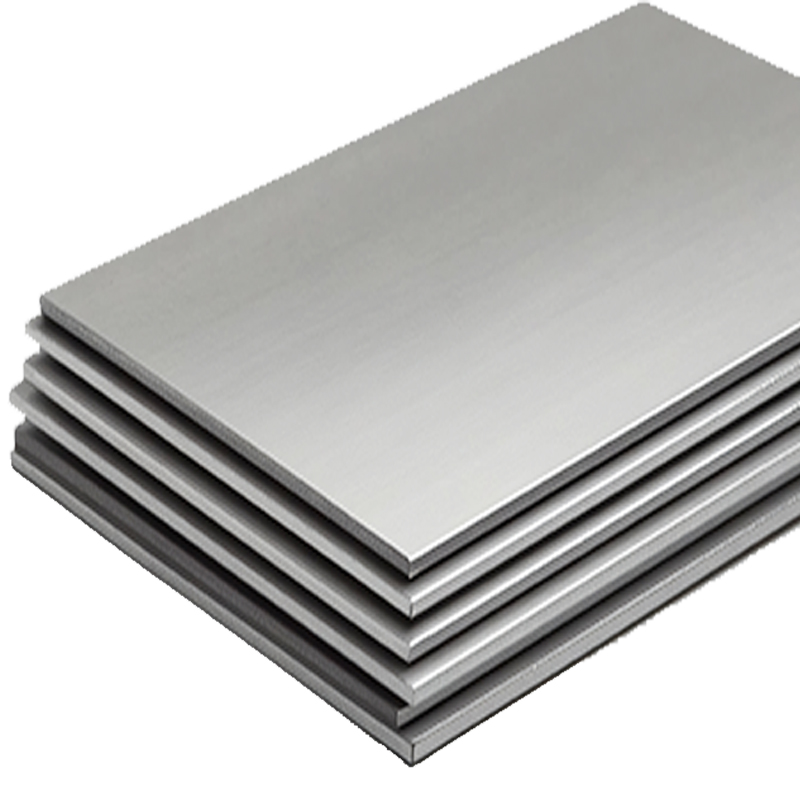
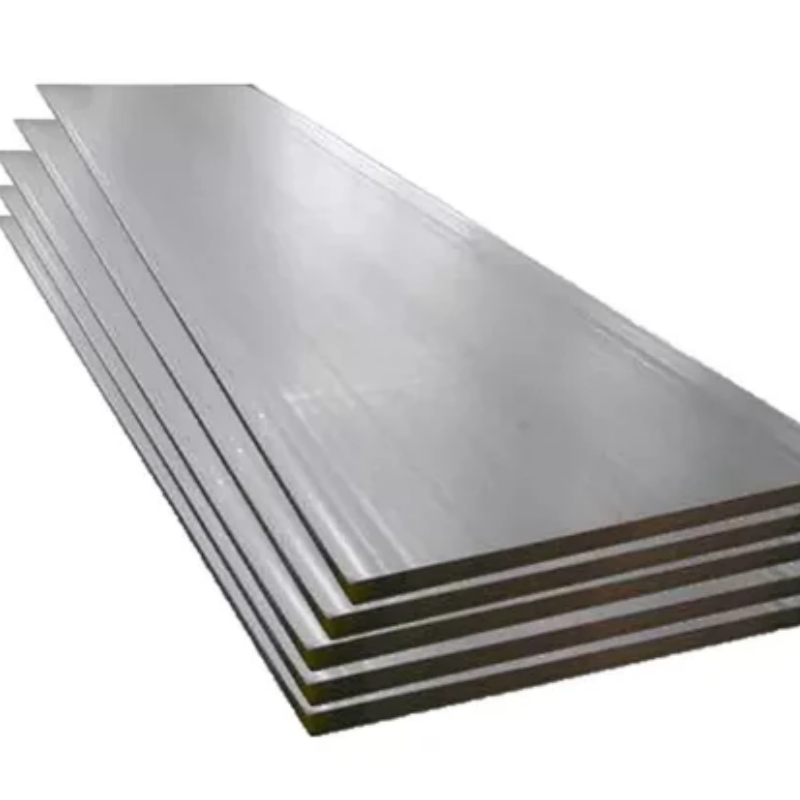
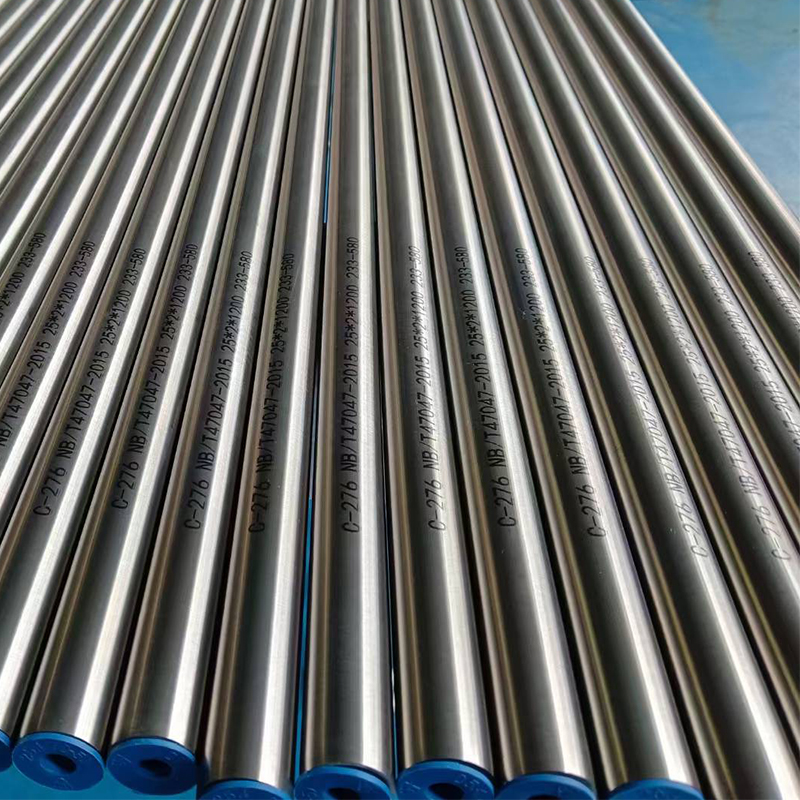
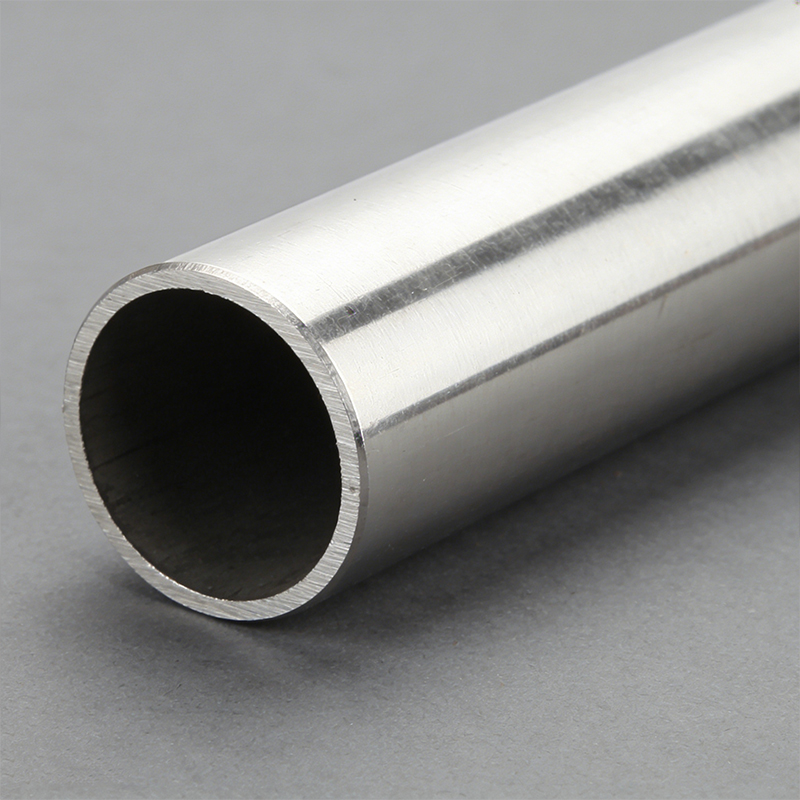
Full Production Capabilities: Suppliers offering a complete production chain, including smelting and forging, can provide a one-stop service. This can simplify procurement processes and ensure consistency in quality across different product types, such as pipes, plates, and fasteners

Customization Options: Select suppliers that can accommodate custom specifications. For instance, if your application requires specific dimensions or alloy compositions, a flexible supplier can tailor their offerings to meet your needs

Reputation and Experience: Research potential suppliers’ market reputation and experience in manufacturing nickel-based superalloys. Experienced suppliers are more likely to understand the nuances of alloy performance and can provide valuable insights during the sourcing process

By considering these factors, buyers can effectively source quality nickel-based superalloys in bulk

Quality and Cost Factors

Quality and cost are intertwined when sourcing nickel-based superalloys. Several factors influence both

Material Properties: Higher-quality alloys typically come at a higher price due to the cost of raw materials and advanced processing techniques. It’s important to balance quality with budget constraints, ensuring that the selected alloy meets performance requirements without overspending

Manufacturing Processes: The complexity of the manufacturing process can affect both quality and cost. Techniques such as vacuum induction melting and hot isostatic pressing can enhance the mechanical properties of superalloys but may also increase production costs. Buyers should consider whether the benefits justify the additional expense

Order Quantities: Larger orders often result in lower per-unit costs due to economies of scale. However, buyers must ensure that they have the storage capacity and demand to justify bulk purchases

Supplier Relationships: Building strong relationships with suppliers can lead to better pricing and more favorable terms. Suppliers may offer discounts or flexible payment options for repeat customers, helping to manage overall costs

Understanding these factors allows buyers to make informed decisions that align quality with budgetary goals

Sourcing Nickel-Based Superalloys Effectively

Effective sourcing of nickel-based superalloys requires a strategic approach. Here are steps to improve the sourcing process

Define Requirements Clearly: Before reaching out to suppliers, clearly outline your requirements, including specifications, quantities, and delivery timelines. This clarity helps suppliers provide accurate quotations and reduces the chances of miscommunication

Request Samples: Always request samples before placing bulk orders. Testing samples under actual operating conditions can reveal potential issues that may not be evident from technical specifications alone. This practice helps ensure that the final products will meet your expectations

Evaluate Supplier Performance: Regularly assess supplier performance based on quality, delivery times, and responsiveness. Establishing key performance indicators (KPIs) can help monitor and improve supplier relationships over time

Stay Informed on Market Trends: Keep abreast of market trends that may affect pricing and availability. Factors such as changes in raw material costs or shifts in demand can impact the sourcing landscape, allowing buyers to make timely decisions

By implementing these strategies, buyers can streamline their sourcing processes and enhance overall procurement efficiency

Technical Insights on Nickel-Based Superalloys for Project Purchasers

For project purchasers, understanding the technical aspects of nickel-based superalloys is vital for successful implementation. Key insights include

Compatibility with Applications: Different nickel-based superalloys are tailored for specific applications. For instance, INCONEL alloys are often used in high-temperature aerospace applications, while MONEL alloys may be more suitable for marine environments. Buyers should ensure that the selected alloy aligns with the intended use

Quality Control Processes: Ensuring that the supplier has robust quality control processes in place is essential. This includes material testing, dimensional inspections, and performance evaluations, which can prevent costly issues during production and operation

Understanding Lifecycle Costs: The initial purchase price is just one factor to consider. Evaluate the total lifecycle costs, including maintenance, repair, and replacement, particularly for applications in demanding environments. Selecting a high-quality alloy may result in lower maintenance costs over time

Collaboration with Engineers: Engage with engineering teams early in the project to discuss material selection. Their insights can help identify potential challenges and ensure that the chosen nickel-based ni based superalloy meet performance and compliance requirements

By leveraging these technical insights, project purchasers can make well-informed decisions that enhance project success and operational efficiency