Key Considerations for Nickel Alloy Tubes

All Categories
Get a Quote

Get a Free Quote

Our representative will contact you soon.
Email
Mobile
Name
Company Name
Message
0/1000

Nickel alloy tube

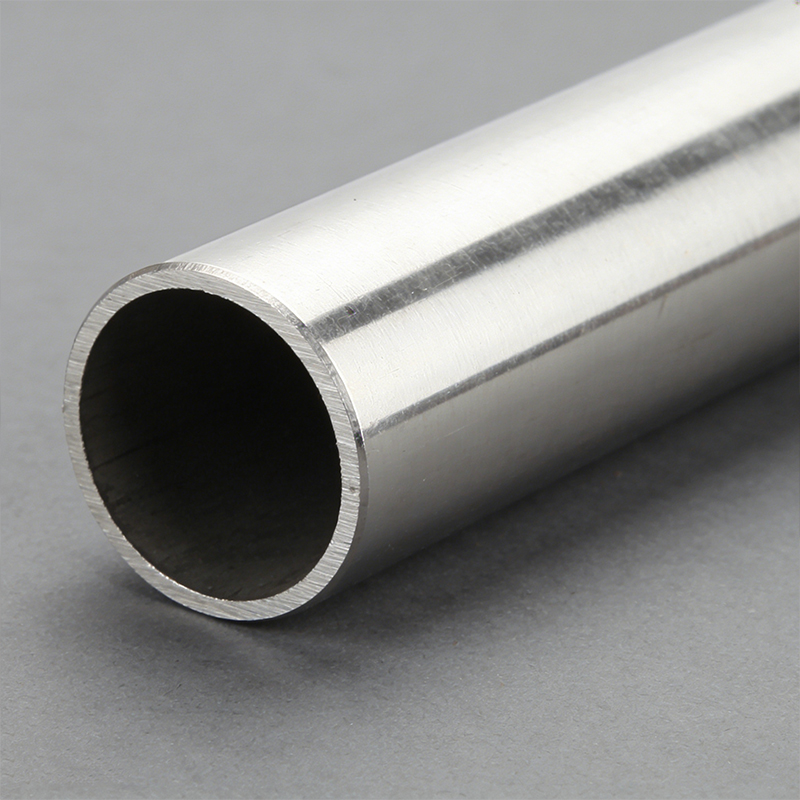
Nickel alloy tubes are vital components in various industries, particularly in aerospace, petroleum, and energy sectors. These tubes offer superior strength, corrosion resistance, and durability, making them essential for high-performance applications. Understanding the key specifications, installation challenges and benefits of nickel alloy tubes can help buyers make informed purchasing decisions. This article will delve into critical factors that influence the selection and usage of nickel alloy tubes,  providing practical insights for purchasing managers, engineers, and other industry professionals. 
Our Products

Key Specifications to Evaluate When Choosing Nickel Alloy Tubes

When selecting nickel alloy tubes, several key specifications must be evaluated to ensure they meet application requirements. These specifications include: 

Material Composition: Nickel alloys are often combined with elements like chromium and molybdenum to enhance corrosion resistance and mechanical properties.  Buyers should confirm the specific alloy grade, such as Inconel or Monel, based on the environmental conditions they will face. 

Dimensions and Tolerances: Tube dimensions (outer diameter, wall thickness, and length) and tolerances are critical for compatibility with existing systems. Ensure the dimensions meet the precise requirements of the application, as even small variations can lead to installation issues or performance failures. 

Pressure and Temperature Ratings: nickel based superalloys must withstand specific pressure and temperature conditions. It’s essential to evaluate the maximum operating pressure and temperature to prevent material failure during service. 

Surface Finish: The surface finish can affect the tube's performance, particularly in applications involving fluid flow or exposure to corrosive environments. Buyers should specify the required finish to ensure optimal performance. 

Certifications: Look for tubes that comply with industry standards and certifications, such as ISO9001, AS9100, and PED. These certifications indicate that the manufacturer adheres to strict quality control processes.  

By carefully evaluating these specifications, buyers can ensure that the nickel alloy tubes they select are suitable for their specific applications. 

Frequently Asked Questions

What grades of nickel alloy tube do you supply?

We supply common and specialty nickel alloy grades including Inconel, Monel, Hastelloy and custom compositions per customer spec for aerospace, petroleum, nuclear and energy applications.
Yes. Our integrated smelting and forging production enables custom diameters, wall thicknesses and lengths with single‑order traceability to meet client drawings.
Yes. We are ISO9001, AS9100, PED and API approved and produce tubes tested to relevant industry standards and client requirements.
We perform chemical analysis, mechanical tests, hardness, PMI, NDT (UT/RT/MT/PT) and dimensional inspection with full test reports and mill certificates.
Our nickel alloy tubes are used in aerospace, petroleum, nuclear power, new energy and pressure vessels where corrosion resistance, high temperature and mechanical strength are required.

Get a Free Quote

Our representative will contact you soon.
Email
Mobile
Name
Company Name
Message
0/1000

Related product categories

Common Challenges in Nickel Alloy Tube Installation and Solutions

Installing nickel alloy tubes can present several challenges that may impact performance and safety. Common issues include: 

Alignment and Fit: Misalignment during installation can lead to stress concentrations and potential failure. To mitigate this, it's important to use precision tools and fixtures during installation to ensure correct alignment. 

Welding and Joining: Nickel alloys can be challenging to weld due to their thermal properties and potential for cracking. It is advisable to engage skilled welders familiar with nickel alloy welding techniques and to follow proper pre- and post-weld heat treatment processes. 

Corrosion and Environmental Factors: Even though nickel alloys offer excellent corrosion resistance, exposure to harsh environments can still pose risks. Buyers should consider protective coatings or additional measures, such as cathodic protection, especially in highly corrosive applications. 

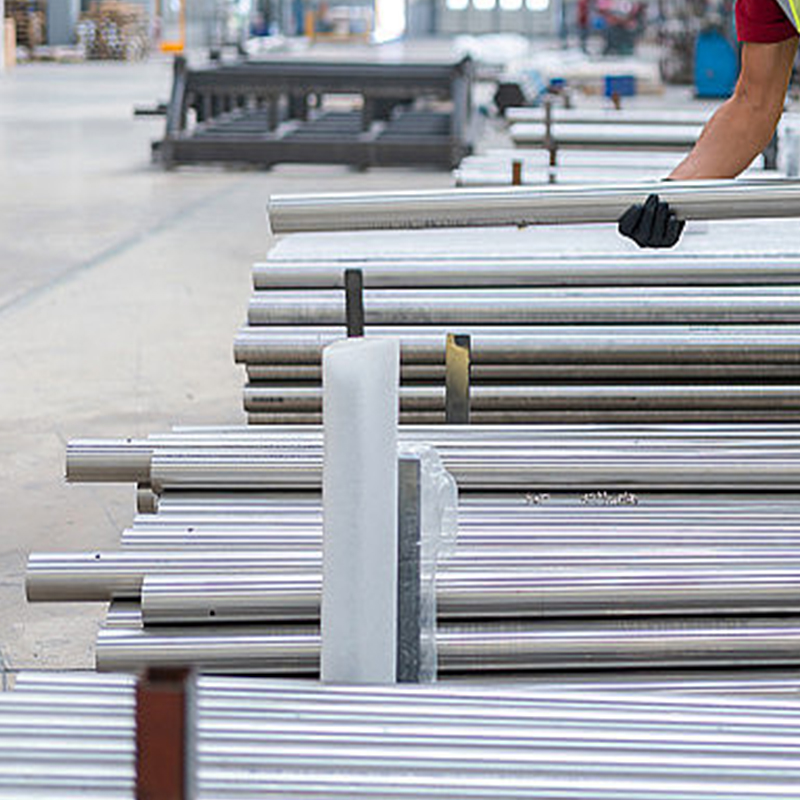
Material Handling: monel nickel alloy are often heavy and can be sensitive to physical damage during transport and installation. Proper handling procedures, including the use of appropriate lifting equipment and padding, can help prevent damage. 

Understanding these installation challenges and employing strategic solutions can enhance the performance and longevity of nickel alloy tubes in various applications. 

Benefits of Nickel Alloy Tubes in Aerospace and Energy Applications

Nickel alloy tubes provide significant advantages in aerospace and energy sectors due to their unique properties: 

High Strength-to-Weight Ratio: Nickel alloys possess a high strength-to-weight ratio, which is particularly beneficial in aerospace applications where reducing weight is critical while maintaining structural integrity. 

Corrosion Resistance: These tubes exhibit outstanding resistance to oxidation and corrosion, making them ideal for harsh environments found in the petroleum and energy industries. Their ability to withstand aggressive chemicals and extreme temperatures ensures long service life. 

Thermal Stability: Nickel alloy tubes maintain their mechanical properties even at elevated temperatures, essential for applications in power generation and aerospace engines where temperature variation is common. 

Versatility: Nickel alloys can be tailored for specific applications through various manufacturing processes, including forging and machining. This customization enables precise performance specifications that meet the diverse needs of different industries. 

Reliability: The proven track record of cupro nickel metal in critical applications enhances their reliability, which is crucial for safety in aerospace and energy sectors. 

These benefits make nickel alloy tubes a preferred choice for demanding applications, providing long-term performance and reliability. 

Cost Factors to Consider When Purchasing Nickel Alloy Tubes

Understanding the cost factors associated with nickel alloy tubes is essential for effective budgeting and procurement. Key considerations include: 

Material Costs: The price of nickel and other alloying elements can fluctuate based on market conditions. Buyers should monitor these fluctuations and account for them in their budgeting process. 

Manufacturing Processes: Different production methods (such as forging, extruding, or machining) can impact costs. Custom manufacturing may incur higher expenses, so it’s crucial to discuss specific requirements with suppliers. 

Order Volume: Bulk orders often come with reduced unit costs, but buyers must also consider the minimum order quantity (MOQ) requirements and potential storage costs. 

Lead Times: Custom orders may have longer lead times, which can affect project schedules. Buyers should communicate their timelines clearly to suppliers to avoid delays. 

Quality Assurance: Investing in tubes with certifications and stringent quality control processes may incur higher initial costs, but it can lead to cost savings in the long run by reducing the risk of failure and subsequent replacements. 

By considering these cost factors, buyers can make informed decisions that align with their budget and project requirements. 

Reliable Suppliers for Bulk Orders of Nickel Alloy Tubes

When sourcing nickel alloy tubes in bulk, selecting a reliable supplier is crucial for ensuring quality and consistency. Here are some tips for evaluating potential suppliers: 

Experience and Expertise: Look for suppliers with a proven track record in manufacturing nickel alloy products. Experience in specific industries, such as aerospace or energy, can indicate a better understanding of the unique requirements. 

Quality Certifications: Ensure that suppliers hold relevant certifications, such as ISO9001 and AS9100, which demonstrate their commitment to quality management systems. 

Customization Capabilities: A supplier that offers customization options can better meet specific project needs. Discussing customization capabilities upfront can help align expectations. 

Production Capacity: Verify that the supplier has adequate production capacity to fulfill bulk orders within the required lead times. This includes assessing their facilities, equipment, and workforce. 

Customer Support: Reliable customer service and support are essential for addressing any issues that may arise during the procurement process. Suppliers should be responsive and willing to provide technical assistance when needed. 

By carefully evaluating these factors, buyers can identify trustworthy suppliers that can deliver high-quality nickel alloy tubes to meet their industrial needs.