 EN

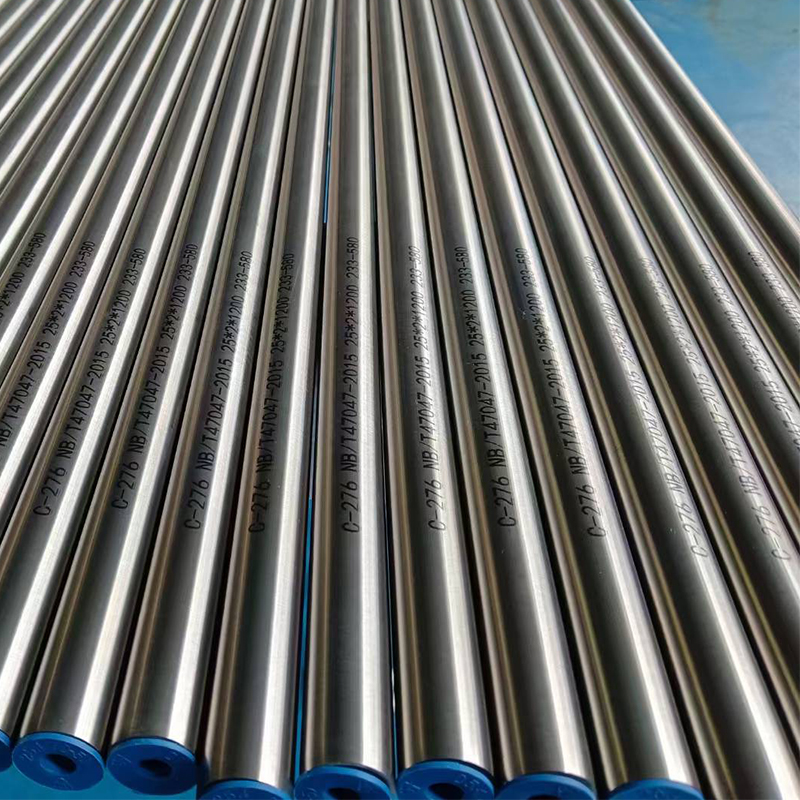
Nickel 201 pipe is a high-performance alloy known for its excellent corrosion resistance and versatility in various applications. As a B2B buyer, you may have concerns about selecting the right pipe for your specific project needs, understanding key specifications, sourcing reliable suppliers, and ensuring proper installation. This nickel silver tubing article aims to provide you with valuable insights into Nickel 201 pipe, helping you make informed purchasing decisions that meet your project requirements.
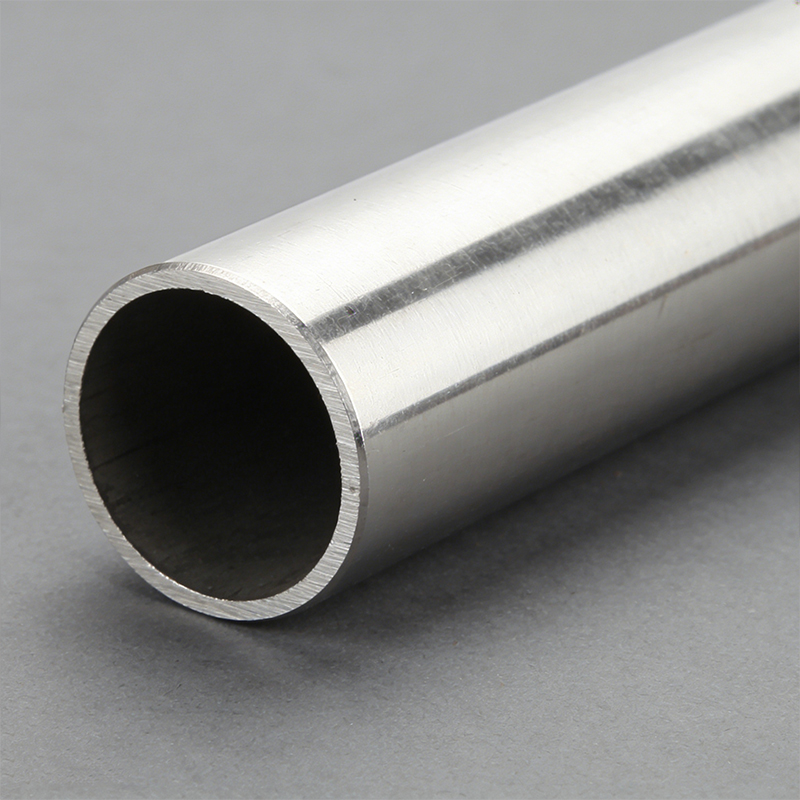
When purchasing Nickel 201 pipe
When purchasing Nickel 201 pipe, several specifications should be prioritized to ensure optimal performance:
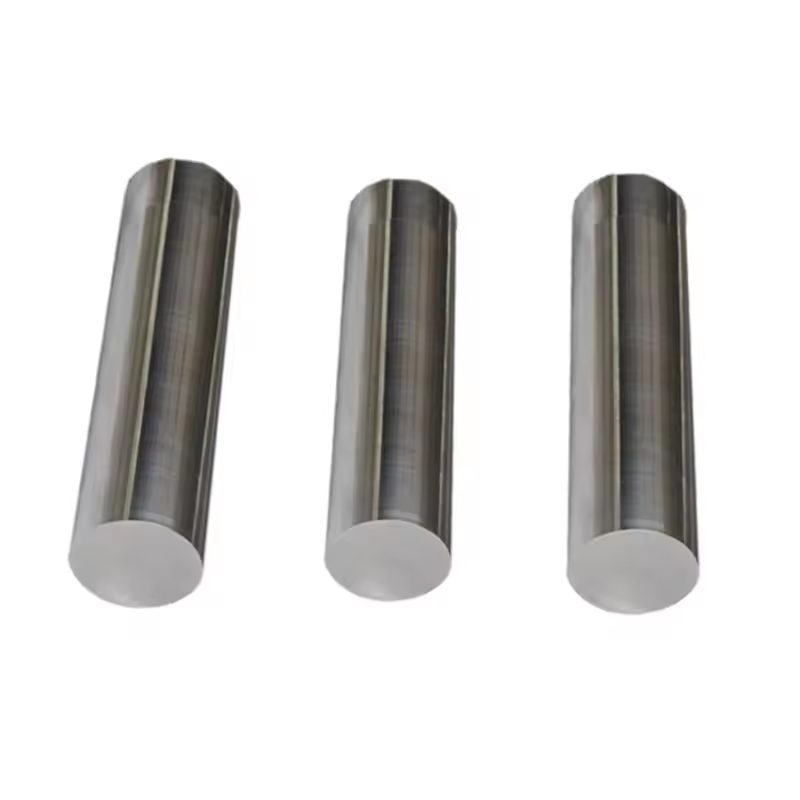
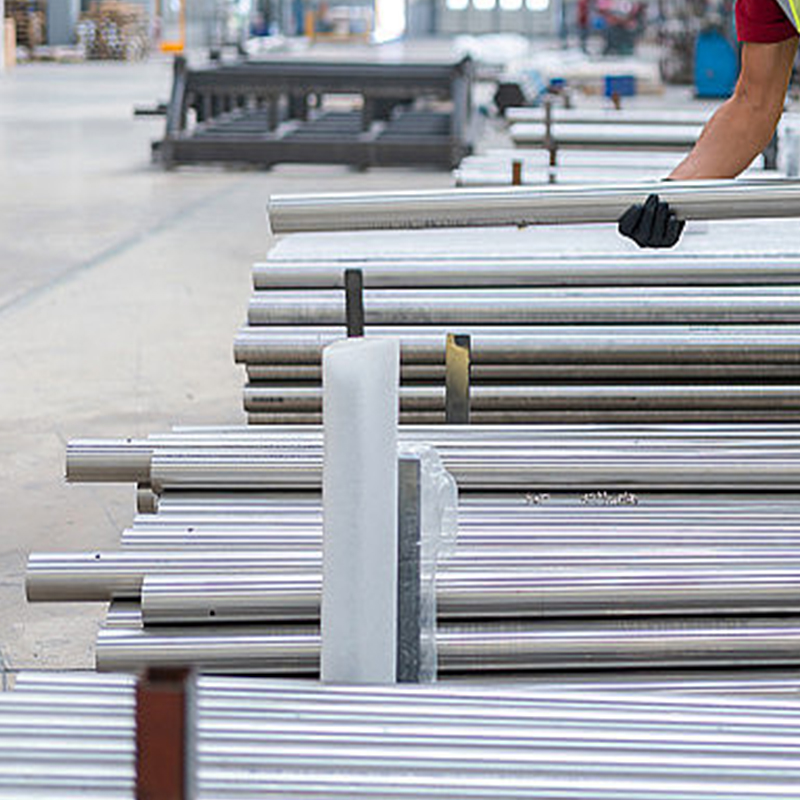
Dimensions: Confirm the nominal size, outer diameter, and wall thickness. These dimensions influence flow rates and pressure capabilities. It’s essential to match these specifications to your system requirements.
Material Composition: Nickel 201 contains a high percentage of nickel (approximately 99%) and a small amount of copper, providing excellent resistance to oxidation and corrosion. Understanding the material properties can help you determine if it meets your application needs.
Temperature Ratings: Nickel 201 performs well in temperatures up to approximately 600°F (316°C). Verify that these ratings align with your operational conditions, especially in high-temperature applications.
Standards and Certifications: Ensure the pipe complies with relevant standards such as ASTM B161 and is produced under quality management systems like ISO9001 and AS9100. This nickel alloy tube can provide assurance of quality and reliability.
Surface Finish: Depending on the application, you may need specific surface treatments. A smooth finish can help reduce friction in piping systems, while a specific roughness might be needed in other scenarios.