 EN

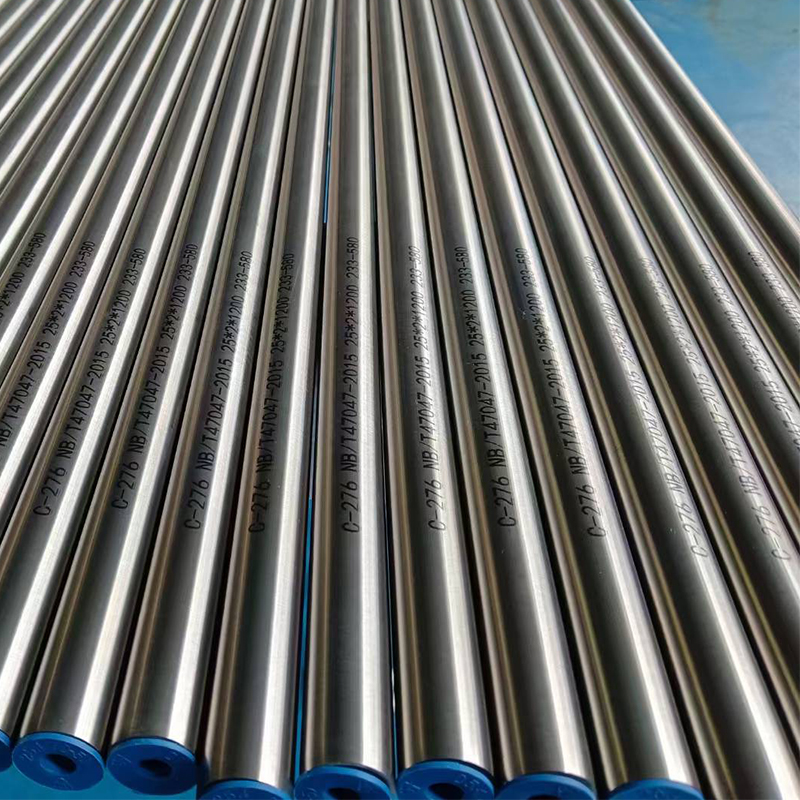
Nickel 200 pipe is a versatile alloy material known for its excellent corrosion resistance and high strength, making it ideal for various industrial applications. As a purchasing manager or engineer, your main concerns when sourcing nickel alloy pipe include quality assurance, cost-effectiveness, and the reliability of suppliers. This article will help you navigate wholesale sourcing strategies, evaluate quality, compare costs, choose the right specifications for your projects, and locate trustworthy suppliers.
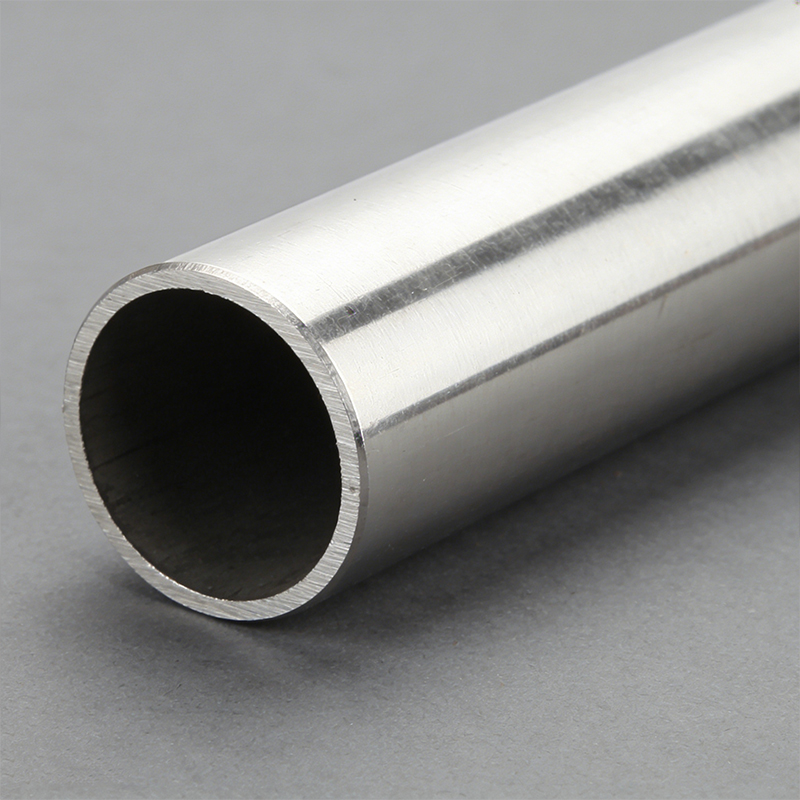
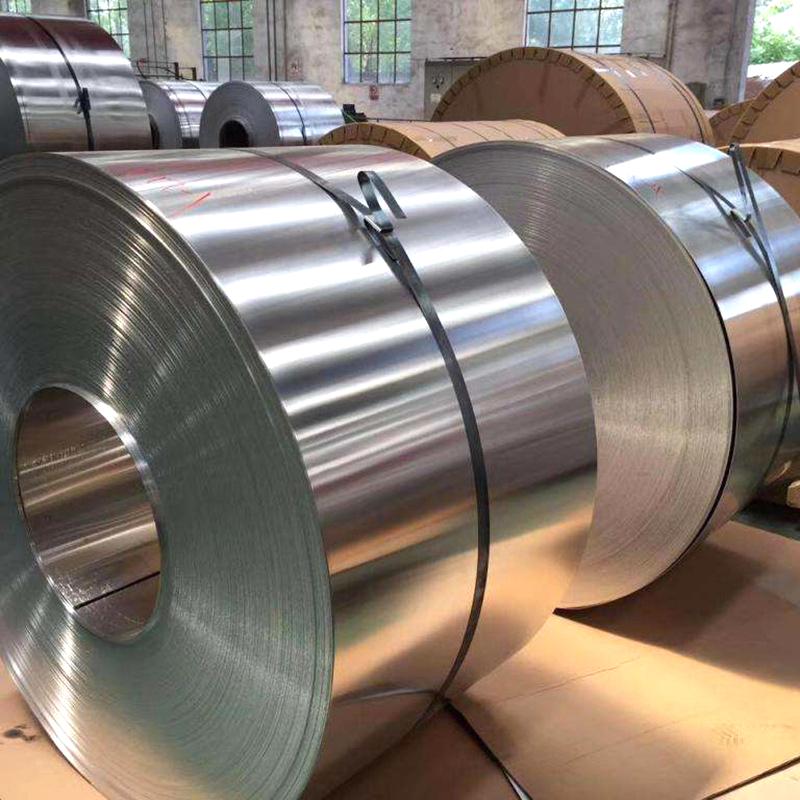
Evaluating Quality in Nickel 200 Pipe for Industrial Applications
Quality evaluation of Nickel 200 pipe is critical for ensuring its performance in demanding industrial applications. Start by examining the material composition, which should meet the ASTM B161 standards for nickel alloy tube. This specification guarantees that the pipe has the necessary chemical and mechanical properties, including strength and corrosion resistance.
Inspect the manufacturing process utilized by the supplier. A reputable manufacturer will employ advanced production techniques, such as smelting and forging, to create pipes that conform to strict quality standards. Look for suppliers who conduct rigorous quality control processes throughout production, including non-destructive testing and dimensional inspections.
Additionally, consider the intended application of the Nickel 200 pipe. For example, if the application involves exposure to high temperatures or corrosive environments, confirm that the pipe's specifications such as wall thickness and diameter are suitable for those conditions. Request documentation related to the quality assurance processes implemented by the manufacturer, which can provide further insight into their commitment to producing reliable products.